My Unexpected Blackout: The Hidden Reality of Solar Energy Storage
Let’s skip the dramatic storm stories. If you own a home solar battery, you’re probably just looking for simple ways to keep it running without stressing over confusing app errors or unexpected dead zones. You spent a good chunk of money on this setup to lower your energy bills, not to inherit a second part-time job.
The good news? Keeping your power wall healthy doesn't take an electrical engineering degree. You do not need to treat it like a fragile glass box. It just takes a few common-sense habits. Let's look at how you can easily fix the hidden leaks in your home energy storage today.
I honestly assumed that once the installers left, my home was totally protected from any grid failures. My family and I sat in the pitch-black living room, wondering why our expensive setup had failed us when we needed it the most.
It turned out my complete lack of basic care had caused the battery to quietly shut down to protect itself.
Many homeowners experience this exact same frustrating situation every single day. You spend your hard-earned savings on renewable energy, expecting total peace of mind and significantly lower utility bills.
Instead, you find yourself stressing over confusing error codes popping up on your mobile app. You lie awake at night wondering if your system will actually hold a charge until the sun comes up.
That constant anxiety completely ruins the joy of being energy independent. When your system starts underperforming, it feels like you made a massive financial mistake.
When our monthly power bills suddenly creep back up, pure panic sets in. We wonder if the roof panels are totally broken or if the expensive storage unit is already dead.
The reality is usually much simpler and entirely within your own control. Just like a family car needs oil changes, your energy storage needs a little bit of steady attention.
If you completely ignore these basic needs, the internal power cells degrade much faster than they should. This leads to less storage capacity, shorter lifespans, and thousands of dollars practically thrown out the window.
You do not need a degree in electrical engineering to fix this problem today. You just need to build a few simple, daily routines into your life.
Let me show you exactly what to do to keep the lights on and your energy bills incredibly low.
Quick Takeaways for Homeowners:
- Don't drain it flat: Always keep your battery’s daily reserve above 20% using your smartphone app to protect the lithium cells.
- Shift your heavy loads: Run energy-hungry appliances like dishwashers and pool pumps during midday when the sun is out, saving battery power for the night.
- Watch the temperature: Keep your garage or battery room cool and well-ventilated; heat is the number one battery killer.
- Fix your Wi-Fi: Your solar setup needs a strong internet connection to download important software updates and send you error alerts.
Daily and Weekly Routines for Maximum Power Efficiency
Managing Your Depth of Discharge (DoD) Properly
Think of your home battery exactly like your own physical energy levels. If you completely exhaust yourself every single day, you will eventually burn out and get sick.
The same exact rule applies to your residential power storage. Allowing your system to drain all the way down to zero percent is terrible for its long-term health.
Most modern units use lithium-ion technology, which is very similar to what runs your smartphone. These sensitive cells prefer to stay resting in a comfortable middle range.
Try to manage your daily usage so the charge stays safely above twenty or thirty percent. Constantly dropping below this specific level puts extreme physical stress on the internal components.
You can easily set up a backup reserve limit right on your smartphone app. This simple digital setting prevents the unit from giving all its power to your house before safely shutting off.
Battery Health: Myth vs. Fact
- Myth: You should drain your battery to 0% occasionally to "reset" it.
- Fact: Modern lithium-ion solar batteries hate dropping to zero. Keep your daily reserve limit set to at least 20% to double its lifespan.
- Myth: Solar batteries need constant active cooling from heavy air conditioners.
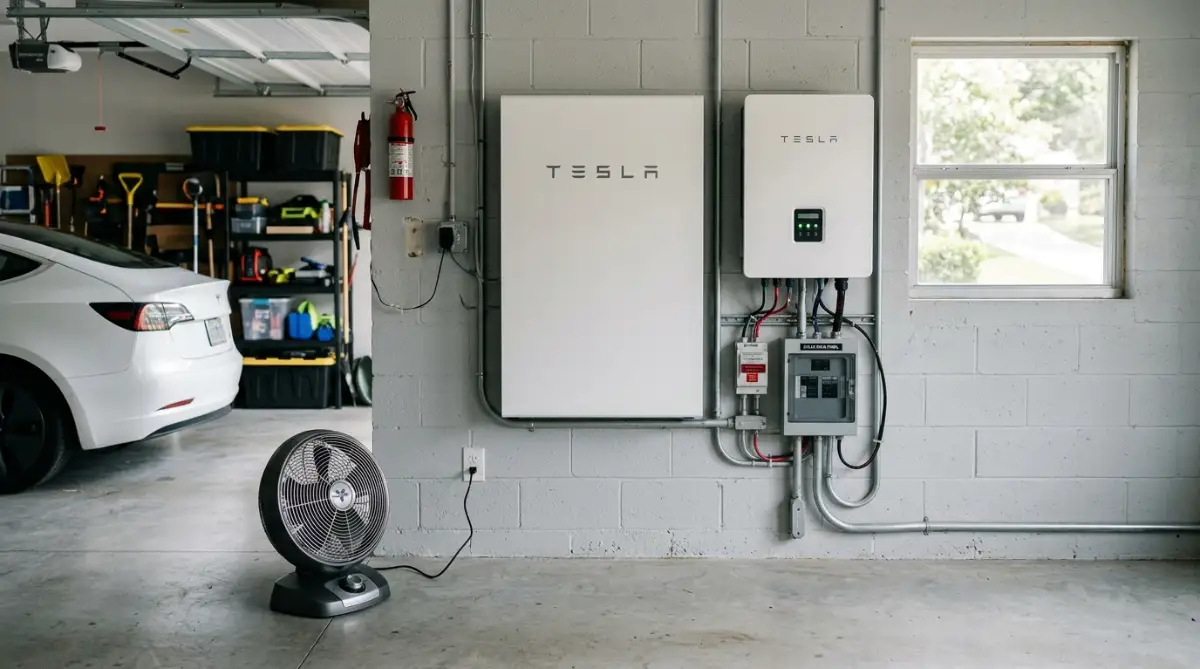
- Fact: Basic room temperature and good airflow (like an oscillating fan) are usually enough to keep the inverter perfectly happy.
Keeping the Climate Perfectly Balanced
Temperature plays a massive role in how well your system actually stores and releases electricity. Extreme heat acts like a slow poison to lithium cells, causing them to degrade rapidly over time.
On the flip side, freezing temperatures severely slow down the chemical reactions inside the casing. This means your unit will heavily struggle to accept a fresh charge from your solar panels on a very cold winter morning.
If your setup is mounted in a garage that gets incredibly hot during summer afternoons, you have a serious problem. You need to create a highly stable environment for this expensive equipment.
I learned this lesson the hard way when I left my garage completely closed up during a massive heatwave. My battery overheated and temporarily shut down, leaving my house running on expensive grid power. Now, I always keep a small oscillating fan running near the inverter on hot days, and it has completely solved my overheating issue.
Simple actions like adding a little extra insulation around the garage walls can make a massive difference. You want the ambient room temperature to feel relatively comfortable for a normal human.
If you are sweating heavily just standing next to the equipment, you can be sure the machine is suffering too.
Visual Inspections and Simple Dust Control
You would be amazed by how much normal household dust and debris can gather around electrical equipment in just a few weeks. A thick layer of dust acts just like a warm winter blanket, trapping dangerous heat inside the main unit.
Grab a clean, perfectly dry microfiber cloth about once a month. Gently wipe down the outer casing of your power wall and the connected inverter box.
Never use wet towels, sponges, or harsh chemical cleaning sprays near these high-voltage electrical connections. A simple dry wipe is all you really need to keep the important cooling vents totally clear.
If you are unsure exactly what a safe visual inspection looks like, watching an expert do it first is a great idea. Check out this quick video below to see the safest way to clean your solar equipment without risking any damage!
While you are dusting, take a very quick look at the thick cables and external wires. Look closely for any signs of heavy wear, chewing from small pests, or strange dark scorch marks near the connection points.
If you ever spot anything that looks burnt, melted, or damaged, call a professional installer immediately. Never attempt to fix high-voltage electrical wires on your own.
Mastering Your Smart Energy Monitoring App
Reading the Daily Energy Flow
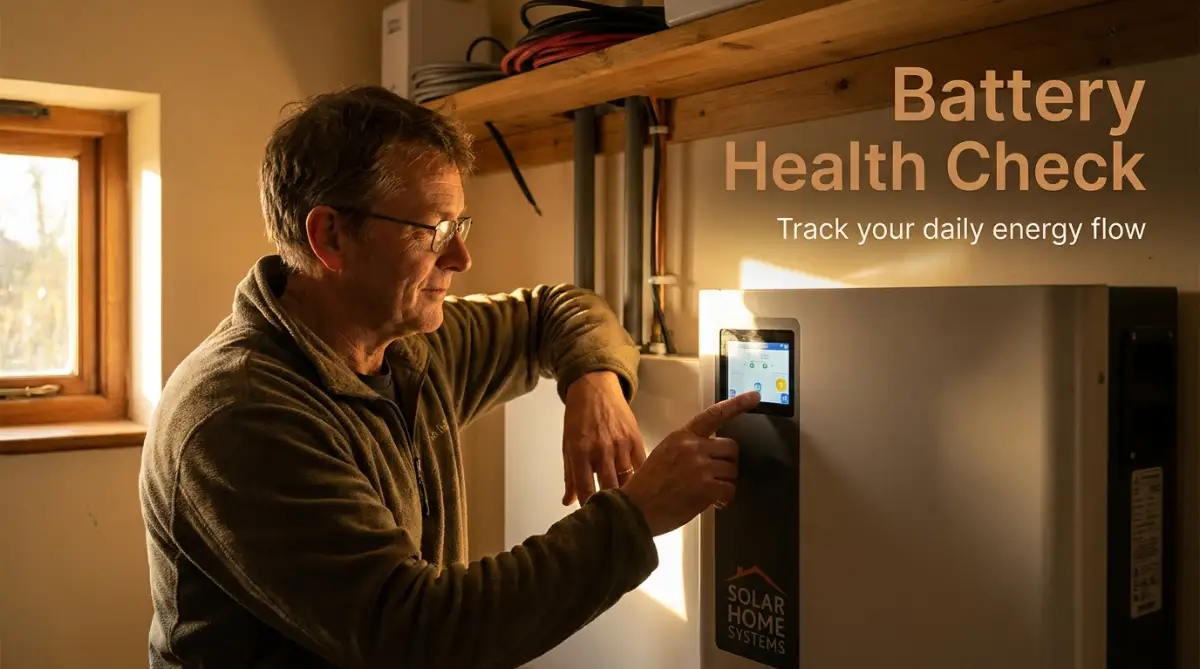
Almost every single modern power system comes with a smart app that tracks your home energy flow. Checking this app should quickly become a normal part of your morning routine, just like checking the daily weather.
You want to carefully look for highly unusual patterns in how the energy drains overnight. If you notice the charge dropping very rapidly while everyone in the house is completely asleep, something is pulling too much power.
Finding and completely fixing these energy vampires will take a huge load off your expensive battery. Maybe your old basement refrigerator is working way too hard, or your outdoor pool pump is running at the wrong time.
Using the mobile app helps you perfectly match your heavy power usage with the times your roof panels are producing the most energy. Try to run your heavy dishwasher and laundry machines only during the brightest parts of the afternoon.
Staying Updated with the Latest Firmware
Your solar setup is basically a very large, incredibly heavy computer attached to your wall. The original manufacturers are constantly finding new ways to make the system run much smoother.
They frequently release smart firmware updates that heavily improve charging speeds and fix hidden software bugs. If you constantly ignore these updates, your system is missing out on completely free performance upgrades.
Make absolute sure your unit is securely connected to a strong, stable home Wi-Fi network at all times. Check the internal app settings to ensure automatic updates are turned on by default.
Sometimes, internet connection drops happen naturally, and the system easily misses a major update. Take exactly two minutes every single month to manually check the software section of your app just to be completely sure.
Planning for Long-Term Storage Health
Understanding Deep Cycling and Lifespan
Every single time your system fills up with bright sunshine and empties into your home, it completes a full cycle. Manufacturers rate these units for a very specific number of cycles before they slowly start to weaken.
You absolutely cannot stop the natural chemical aging process entirely, but you can definitely slow it down. By carefully balancing your home electrical loads, you significantly reduce the depth of each daily cycle.
Think of it exactly like driving a family car gently instead of aggressively slamming on the gas pedal at every single stoplight. Smooth, highly steady usage puts much less wear and tear on the delicate internal mechanics.
If you know a severe weather storm is quickly approaching, change your app settings to "backup only" mode a full day in advance. This ensures the unit successfully stays at full capacity and doesn't cycle unnecessarily right before a major emergency hits.
Quick Cheat Sheet: Setting Your Backup Reserve by Season
Instead of leaving your app settings alone all year, follow this simple routine:
- Summer (Sunny & Long Days): Set reserve to 15-20%. You have plenty of sun to refill the battery every morning.
- Winter (Cloudy & Short Days): Bump the reserve up to 40-50%. Snow and dark clouds mean you might need that extra juice if the grid goes down.
- Storm Warning (Active Bad Weather): Lock it at 100% or "Backup Only" mode 24 hours before the storm hits.
The Vacation Mode Mistake
Many smart homeowners make a massive error when they go out of town for a long family trip. They totally assume they should turn everything completely off to save the most power possible.
Shutting down your energy storage system entirely for several weeks is a really bad idea. Lithium-ion cells absolutely hate sitting at exactly zero or exactly one hundred percent for extremely long periods.
If you are leaving for a very long vacation, check your phone app to see if your system has a dedicated vacation mode. This specific smart setting keeps the charge floating safely in the highly healthy middle range.
If you do not have that exact button, simply manually adjust your backup reserve slider to around fifty percent. This clever trick keeps the internal chemistry perfectly active and safely balanced while you are away enjoying your trip.
Hunting Down Household Energy Vampires
Your wall battery can only supply exactly what your house demands from it. If your house is secretly wasting a ton of power, your storage unit is forced to work overtime for absolutely no reason.
Energy vampires are common household appliances that greedily suck electricity even when they are supposedly turned off. Older living room televisions, heavy gaming consoles, and desktop computers are incredibly famous for doing this.
Imagine your battery desperately trying to rest overnight, but these plugged-in devices keep slowly draining its power drop by drop. This constant, annoying small pull heavily forces the system to stay highly active all night.
Walk around your entire house and securely plug these specific devices into smart power strips. You can easily turn these strips completely off with a single click before safely going to bed.
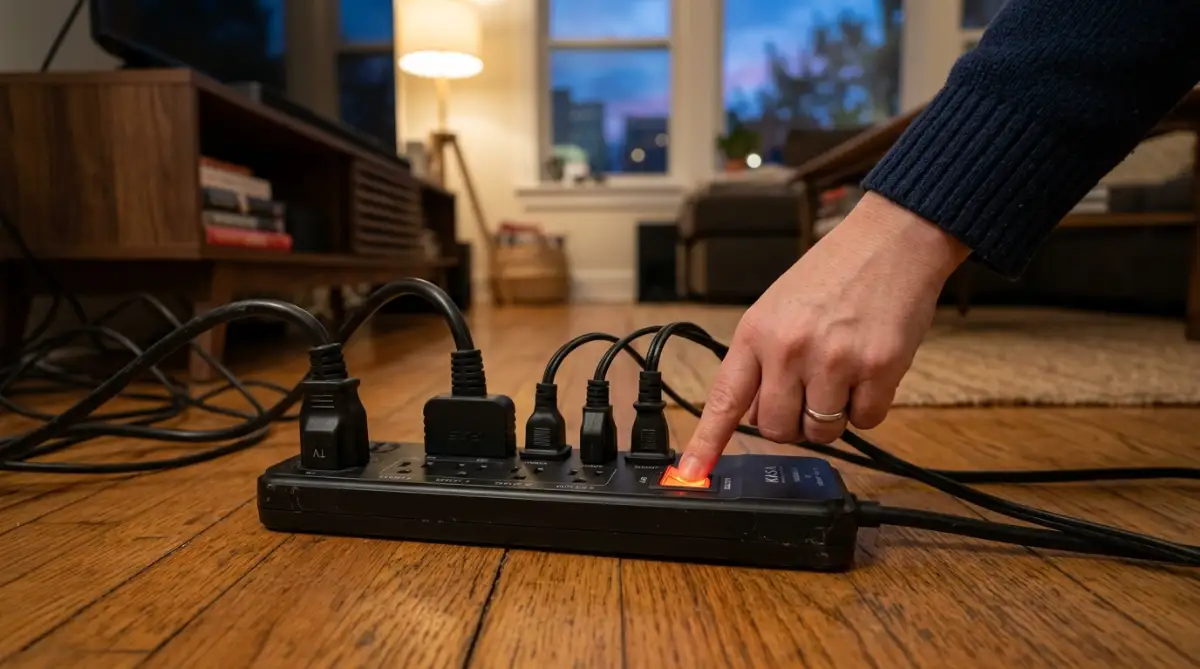
You will be absolutely amazed at how much more saved power you have left in your app the very next morning. It permanently takes a massive amount of unnecessary pressure off your expensive power wall.
Upgrading Your Internet Router for Better Connectivity
This specific tip might sound completely unrelated to basic electrical maintenance, but your Wi-Fi router is a highly important part of the entire setup. The main communication gateway attached to your battery heavily relies on a strong, completely unbroken internet signal.
If your internet router is very old and the wireless signal barely reaches out to the garage, the system will constantly drop offline. When it is totally offline, it simply cannot send you urgent warning messages or successfully receive critical software patches.
You might secretly have a severe internal voltage error happening, but the phone app will show everything is totally fine because the screen is permanently frozen on very old data. This creates an incredibly dangerous situation for your home.
Consider quickly installing a relatively cheap Wi-Fi extender exactly halfway between your main indoor router and the outdoor garage. This guarantees a highly strong, totally unbroken stream of data between the hardware and your smartphone.
Having a perfectly strong connection directly means you are always in total control, no matter where you currently are in the world.
The Importance of Annual Professional Inspections
While you can easily handle the basic daily and weekly care, you still highly need an expert eye every once in a while. Think of it exactly like going to the local dentist for a highly deep clean.
You successfully brush your own teeth every single day at home, but a certified professional has the exact right tools to check for highly hidden problems. Your complete solar setup absolutely needs an expert checkup at least once every single year.
A highly trained technician will carefully test the internal voltage of the specific individual cell blocks. They can easily see hidden technical things on their advanced diagnostic laptops that your basic mobile app simply cannot show you.
They will also firmly tighten any electrical connections that naturally vibrate loose over long amounts of time. This tiny, simple maintenance step directly prevents massive heat buildup and stops highly dangerous fire hazards.
Spending a little bit of money on a standard annual checkup is much better than blindly paying thousands for a full system replacement. It successfully gives you total confidence that your massive financial investment is completely safe.
Taking Your Power Storage Game to the Next Level
Once you have mastered the daily basics, it is time to unlock the true potential of your home energy system. You can easily squeeze out extra hours of free power by using a few smart, advanced strategies.
Most normal homeowners never even open these specific settings, but they make a massive difference in your monthly savings. Let us look at how you can train your system to work significantly harder for you.
The Magic of Solar Load Shifting
Think about how you normally spend your physical energy throughout the day. You probably do your heaviest chores when you feel completely rested and full of energy.
Your energy storage system wants to operate in the exact same logical way. Load shifting simply means moving your heaviest electrical chores to the middle of the afternoon.
During the brightest part of the day, your roof panels are pulling in massive amounts of free power. Instead of pushing all that energy directly into the battery, use it immediately to run your heavy appliances.
Turn on your swimming pool pump, run the hot water heater, and start the loud electric dryer while the sun is shining directly overhead. This clever strategy completely bypasses the battery, preventing unnecessary chemical wear and tear.
It leaves your storage unit resting peacefully, holding a completely full charge for the dark evening hours. If you want to dive deeper into how this all connects, reading a guide on mastering the basics of residential solar power is highly recommended.
Mastering Seasonal Profile Adjustments
The sun behaves very differently depending on the current season, and your home equipment needs to adjust accordingly. Leaving your smartphone app on the exact same default setting all year long is a massive missed opportunity.
During the incredibly hot summer months, you have long days of intense sunshine to play with. You can comfortably set your backup reserve limit very low because you know the morning sun will quickly refill the tank.
However, everything changes when the cold, dark winter months suddenly arrive. The sun sits much lower in the sky, and dense storm clouds heavily block your daily power generation.
During these darker months, you should immediately increase your digital backup reserve to hold more emergency power. Understanding how your system handles generating power during long cloudy weeks completely removes the fear of unexpected winter blackouts.
According to a highly detailed public report by the National Renewable Energy Laboratory (NREL), properly adjusting seasonal settings directly extends the overall lifespan of lithium-based home storage.
Automating Your Home for Maximum Efficiency
You do not have to manually run around the house flipping switches to save power anymore. We live in an amazing era where affordable smart home technology can do all the heavy lifting for you.
You can easily buy cheap smart plugs and securely attach them to your biggest energy-draining devices. Program these clever plugs to automatically shut off completely the moment the sun goes down.
This guarantees your wall unit is not secretly draining itself to feed a forgotten basement television overnight. Just be totally aware that adding dozens of new gadgets requires securing your interconnected smart devices so your private home network stays safe.
You can also program your smart thermostat to highly chill your house during the afternoon using direct sunshine. When evening arrives, the house is already perfectly cool, so your air conditioner stays off while the battery successfully powers your lights.
Overcoming Thick Garage Walls for Better Syncing
We talked earlier about how important a stable internet connection is for receiving critical software patches. However, many people heavily struggle because their main equipment is installed behind thick layers of concrete or brick.
Normal indoor routers simply cannot push a strong enough signal through these incredibly dense building materials. If your wall unit loses connection, it completely stops sending important diagnostic health data to the main servers.
You might miss a silent hardware failure simply because the data packet got blocked by a concrete wall. Thankfully, boosting your garage Wi-Fi signal is actually an incredibly easy weekend project.
Adding an outdoor-rated mesh node directly guarantees your expensive investment always stays online and perfectly synced.
Dangerous Traps That Will Destroy Your Solar Investment
The "Set It and Forget It" Nightmare
The absolute biggest mistake normal people make is treating their expensive home battery like a standard brick wall. They completely assume that because it has no loud moving parts, it requires zero human attention.
Your power wall is a highly sensitive chemical laboratory happening inside a metal box. If you completely abandon it, the internal cells will heavily degrade, and your total storage capacity will shrink dramatically.
Eventually, you will start noticing that your house suddenly drops into darkness just two hours after sunset. That terrifying moment of realization usually means thousands of dollars have already been permanently lost.
Ignoring the Tiny Digital Warning Signs
Almost all modern setups come with a very smart mobile app that tries its best to communicate with you. Sometimes, you will casually see a tiny yellow triangle or a small error code pop up on the digital screen.
Many busy people simply swipe these notifications away, assuming it is just a highly annoying software glitch. This is exactly like ignoring the bright red "check engine" light on your family car dashboard.
That tiny digital warning could mean a cooling fan has completely jammed, causing the internal temperature to skyrocket. If you need help troubleshooting sudden power losses, always check the app history first before doing anything else.
If you completely ignore these early warnings, the machine will eventually shut down entirely to prevent a massive electrical fire. The U.S. Department of Energy (DOE) heavily advises all homeowners to actively monitor digital system alerts to ensure maximum hardware safety.
DIY Electrical Tinkering and Voided Warranties
It is incredibly tempting to grab a metal wrench and try to fix a loose cable yourself to save a little money. Please, completely erase this terrible idea from your mind right now.
Opening the main protective casing of your power wall is incredibly dangerous and highly foolish. You are dealing with massive amounts of highly concentrated electricity that can easily cause severe injury.
Furthermore, the very second you break the special manufacturer seal on the outer box, your expensive ten-year warranty is completely ruined. Companies will absolutely refuse to replace a broken unit if they see you have been messing around inside.
If you ever smell burning plastic or hear a strange buzzing noise, back away immediately and call your certified installer. Letting a trained professional handle the internal hardware is the only smart move.
Letting the Environment Slowly Eat the Hardware
Where you choose to install your system originally plays a massive role in how long it actually survives. Many people force their installers to place the heavy unit on the south-facing exterior wall of their house.
This means the sensitive metal box gets violently baked by direct, intense afternoon sunlight every single day. Over time, that extreme, punishing heat literally cooks the delicate chemical cells right inside the casing.
On the other hand, placing the equipment directly near a highly active lawn sprinkler system is an equally terrible disaster. Constant water splashing against the electrical seals will eventually cause severe internal rusting and total failure.
According to safety guidelines from the National Fire Protection Association (NFPA), keeping large electrical storage units perfectly dry and well-shaded prevents catastrophic thermal runaways. Make absolutely sure your investment is protected by a solid roof overhang or installed securely inside a climate-controlled room.
Starving the System During Bad Weather
When a massive, dark storm rolls in for an entire week, your roof panels will generate almost zero electricity. Many homeowners completely panic and try to aggressively force the battery to power the entire house anyway.
They completely drain the unit down to absolute zero, aggressively starving the chemical cells in the process. When lithium-ion sits completely empty for days on end, it suffers from permanent physical damage called deep-discharge shock.
Instead of torturing your equipment, simply flip the smart app into grid-backup mode during a long storm. Let the local utility company handle the heavy lifting while your battery rests safely with a healthy reserve charge.
It is always much better to pay a tiny bit for temporary grid power than to completely destroy a massive home investment.
Your Simple Blueprint for Endless Energy Independence
Taking perfect care of your home power setup does not have to feel like a stressful, full-time job. It is simply about building a few highly predictable, incredibly easy habits into your normal weekly routine.
You already know how to properly check your smartphone app for strange overnight energy drains. You now understand exactly why keeping the main hardware cool, clean, and perfectly shaded is so incredibly important.
You have also learned the massive financial value of doing your heaviest laundry chores while the sun is shining brightly. These tiny, highly simple changes add up to massive financial savings over the long lifespan of your system.
When your neighbors are sitting completely in the dark during the next major grid blackout, your house will be glowing brightly. That incredible feeling of total family safety and energy independence is exactly what you paid for.
Do not let pure laziness steal that comfort away from you. Protect your massive investment today, and it will faithfully protect your family for many long years to come.
I completely transformed my massive electricity bills just by checking my energy app every morning while drinking my coffee. My system now runs perfectly smooth, and I finally have the total peace of mind I always wanted!
Quick Answers to Your Biggest Energy Storage Questions
How long does a standard home solar battery actually last?
Most modern residential units are designed to easily last between ten to fifteen years with proper daily care. If you carefully manage the internal temperature and strictly avoid draining it to zero, you can often push that lifespan even further.
Can I spray down my outdoor power wall with a garden hose?
Absolutely never use a highly pressurized garden hose or wet sponge to clean your sensitive electrical equipment. You should only use a perfectly dry, soft microfiber cloth to gently wipe away loose dust and cobwebs from the outer casing.
Does my system still work properly during the freezing winter?
Yes, it definitely works, but extreme freezing temperatures heavily slow down the internal chemical charging process. You will highly likely need to adjust your app settings to hold more backup reserve power during the darker, colder months.
What happens to my storage if the local power grid goes down?
If your setup is successfully installed with a specialized smart backup gateway, it will automatically isolate your house from the dead grid. Your stored power will smoothly turn on in less than a second, keeping your lights and refrigerators running safely.
Is it completely normal for the main inverter box to feel warm?
It is entirely normal for the heavy equipment to feel slightly warm to the human touch while actively charging or discharging. However, if the metal box is so incredibly hot that you cannot comfortably rest your hand on it, you need to call a professional immediately.
Disclaimer: The information provided in this article is for educational and general informational purposes only. It does not constitute professional electrical, financial, or safety advice. Always consult with a certified solar technician or licensed electrician before performing any maintenance, modifications, or physical inspections on high-voltage home energy systems.