The Hidden Stress of Rising Power Bills and Energy Confusion
Have you ever opened your electricity bill, stared at the final number, and instantly felt a headache coming on? Yeah, me too. Paying for power shouldn't feel like a second mortgage, which is exactly why so many of us are side-eyeing the solar panels on our neighbors' roofs. But the moment you start googling how it all works, you get slapped with a confusing wall of science terms and aggressive sales pitches. I get it. Let's skip the complicated engineering talk and figure out exactly what you need to know before putting anything on your roof.
I felt incredibly trapped by the utility company. No matter how much my family tried to turn off lights or adjust the thermostat, the costs just kept climbing higher every single month. It was incredibly frustrating to feel like I had absolutely zero control over my own household expenses.
I started losing sleep over it. I would wake up in the middle of the night wondering if the air conditioner was running too long or if the kids left the porch lights on.
That constant financial anxiety slowly started eating away at my daily peace of mind. I realized I needed a permanent solution, so I started looking into residential solar energy systems. But honestly, the moment I opened my laptop to do some research, I hit a massive wall of confusion.
Every website I visited was packed with intense technical jargon. People were throwing around terms like kilowatts, microinverters, grid-tied systems, and photovoltaic arrays. It felt like I was trying to learn an alien language just to keep my home's lights on.
I just wanted someone to explain the whole process to me like an ordinary human being. I needed to know exactly how it all worked, without needing a science degree to understand it.
The fear of getting scammed by aggressive solar sales reps only adds to the stress. You want energy independence, but the path to get there feels completely overwhelming.
If this sounds exactly like your current situation, I want you to take a deep breath. You are definitely not alone in this struggle.
Today, we are going to completely strip away the confusing jargon. I am going to walk you through exactly how home solar setups work, piece by piece, in plain English. By the end of this guide, you will have the confidence to make the smartest energy choices for your family.
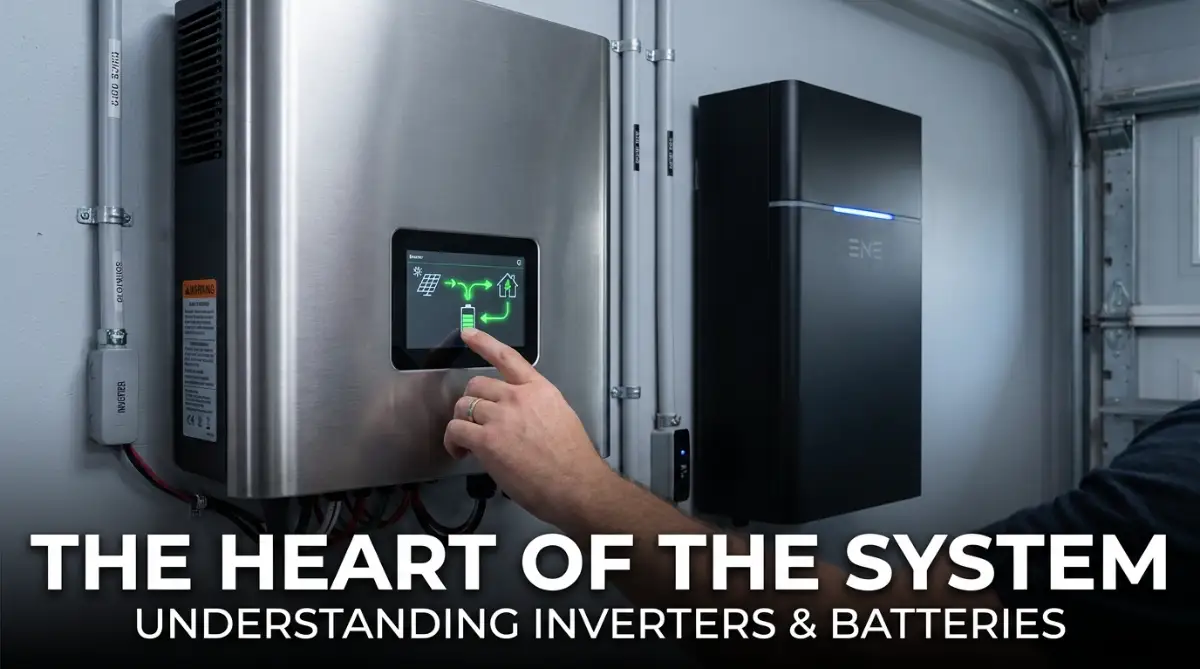
What You Are Going to Learn Today:
- Why your solar panels will actually turn off during a blackout (and how to fix that).
- The exact reason why a cheap inverter can ruin your whole expensive roof setup.
- How running your washing machine at noon can save you more money than running it at night.
- The massive financial trap of signing a "free" solar lease or PPA contract.
Decoding the Magic: How Solar Actually Powers Your Home
Before we start climbing onto your roof, we need to understand the absolute basics. Think of a residential solar energy system as a highly efficient team of workers. Each piece of equipment has a very specific job to do.
If one piece is missing or misunderstood, the whole operation falls apart. Let us break down the exact journey of a single sunbeam turning into the electricity that cools your living room.
The Frontline Workers: Solar Panels Explained
The most obvious part of any solar setup is the panels themselves. These are the dark, sleek rectangles you see sitting on top of your neighbor's roof.
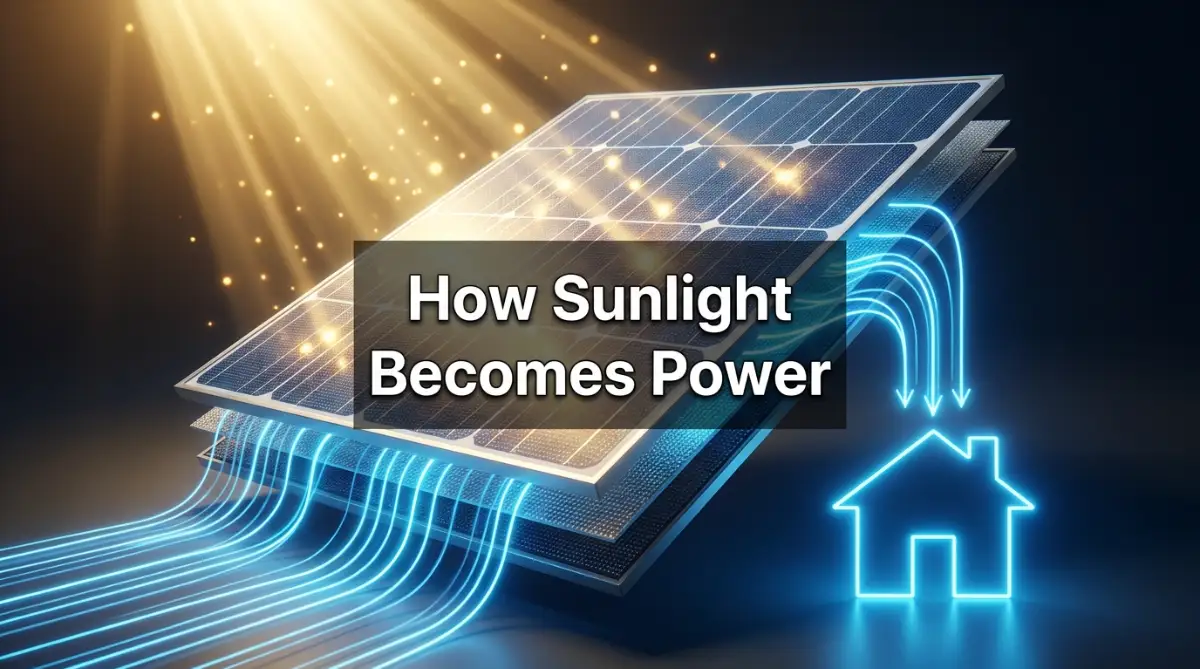
In the simplest terms, solar panels are basically giant sponges for sunlight. They are made up of tiny units called solar cells, usually built from silicon.
This movement of electrons creates an electrical current. However, there is a massive catch that most beginners completely miss.
The electricity created directly by your solar panels is called Direct Current (DC). Think of DC electricity like raw, unfiltered water pulled straight from a muddy river. It has potential, but you cannot drink it yet.
Your home appliances, like your television, refrigerator, and phone charger, cannot use DC electricity. They strictly require Alternating Current (AC) to function safely. This is exactly where the next essential piece of the puzzle comes in.
The Brains of the Operation: The Solar Inverter
If your solar panels are the frontline workers, your solar inverter is the highly intelligent factory manager. Its only job is to take that raw DC electricity and magically convert it into safe, usable AC electricity.
Without an inverter, those expensive solar panels on your roof are practically useless. The inverter is usually a metal box mounted on the side of your house or inside your garage.
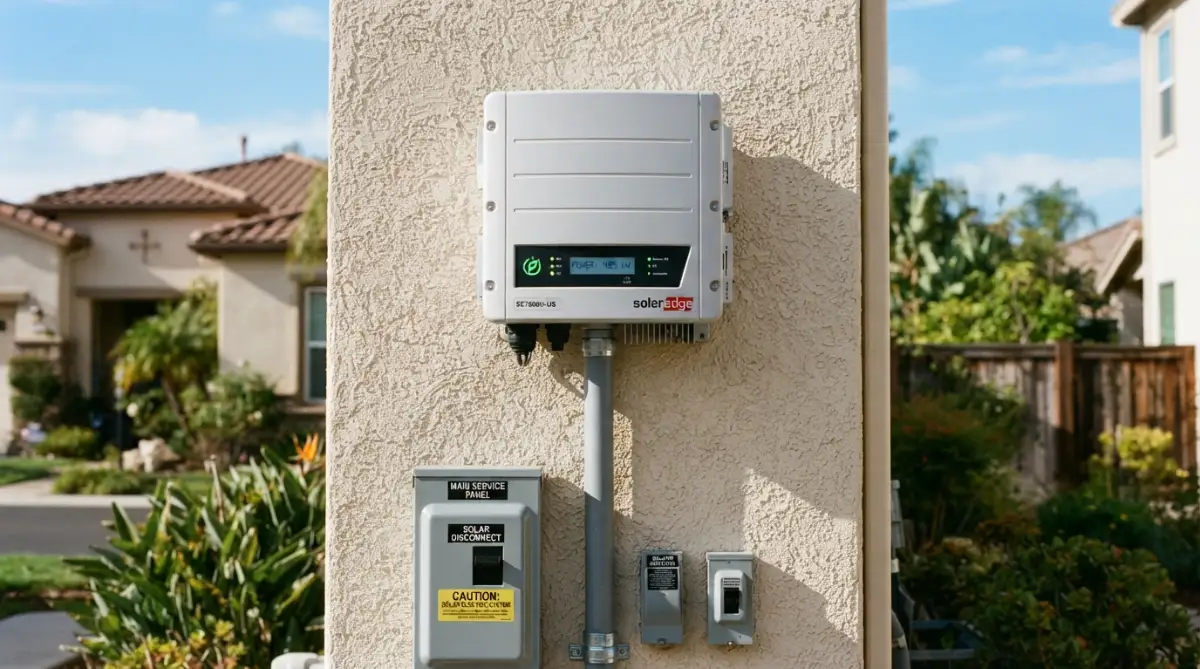
As the sun shines and the panels generate raw power, that power flows directly down into the inverter. The inverter acts like a water filter, turning that raw river water into clean, safe drinking water for your home.
Once the electricity passes through the inverter, it is finally ready to be pushed into your home's main electrical panel. From there, it flows instantly to whatever appliance currently needs power.
A Personal Pro Tip for Beginners
When I was first looking at my own solar design, I completely ignored the inverter options and only focused on getting the cheapest panels. I quickly realized that a cheap inverter can easily become a massive bottleneck, slowing down all the power my roof was making. Always invest in a high-quality inverter, because if the brain of your system fails, your entire home loses solar power instantly.
Navigating the Utility Grid Connection
This is where things get incredibly interesting. What happens when it is a perfectly sunny afternoon, you are not home, and your panels are generating way more electricity than your house actually needs?
This extra electricity does not just disappear into thin air. In most residential solar energy systems, this excess power is pushed backward out of your house and sent directly into the public utility grid.
Yes, you are actually feeding electricity back to your local power company.
To track all this movement, your utility company will install a special bi-directional meter on your house. Unlike your old power meter that only spun forward to charge you money, this new meter can spin backward.
Want to see exactly how this meter works in real time? Watch this quick breakdown below:
Seeing your electric meter literally spin backward for the first time is an incredibly satisfying experience. It is the exact moment you realize you are finally taking control of your energy costs.
The Magic of Net Metering
When your meter spins backward, your power company gives you credits for the electricity you produced. This arrangement is widely known as net metering.
Think of net metering like a digital savings account for electricity. During a bright, sunny summer day, you might produce way more power than you use. The utility company takes that extra power and deposits "energy credits" into your account.
Then, when the sun goes down at night, your solar panels stop working completely. Your house instantly switches back to pulling regular electricity from the grid to keep your lights on.
Instead of paying cash for that nighttime electricity, you simply spend the energy credits you saved up during the day. If your system is sized perfectly, your daytime credits will entirely cancel out your nighttime usage.
This is the exact secret to how homeowners manage to get those legendary zero-dollar electricity bills.
What Happens During a Blackout? (Myth vs. Reality)
Here is a massive reality check that heavily surprises most beginners. There is a very common myth floating around the internet regarding solar power and power outages.
The Myth: If you have solar panels on your roof, you will always have electricity, even if the entire neighborhood loses power during a storm.
The Reality: If you have a standard grid-tied solar system without a backup battery, your solar panels will automatically shut completely off during a blackout.
This shocks a lot of people. You might have bright sunlight hitting your roof, but your house will still be completely dark. Why does this happen?
It is entirely a safety feature. Remember how we talked about your extra electricity flowing backward into the grid?
If utility workers are actively trying to fix broken power lines down the street, they need those lines to be completely dead. If your solar panels were still pushing live electricity into the grid, it could severely shock or injure the workers repairing the wires.
Because of this danger, standard solar inverters are legally required to shut down the moment they detect a grid failure.
The Ultimate Safety Net: Solar Battery Storage
If you absolutely hate the idea of losing power during a storm, you will need to add a solar battery to your system. This completely changes the game.
A solar battery acts as a massive energy reservoir inside your home. Instead of sending all your extra daytime electricity back to the utility grid, you send it into your battery first.
You fill up your battery like a bucket of water. Once the bucket is totally full, any leftover energy then goes out to the grid.
When the power goes out in your neighborhood, your smart battery system instantly detects the failure. It mechanically disconnects your house from the public grid to protect the utility workers.
Then, in less than a second, it starts feeding the stored solar energy directly into your home. Your neighbors will be sitting in pitch-black darkness, while your lights stay perfectly bright.
Adding a battery provides ultimate peace of mind, especially if you live in an area prone to severe weather. However, batteries are highly expensive additions, so you must carefully weigh the cost against your actual need for backup power.
Quick Myth vs. Fact: Solar Batteries
- Myth: Your battery will last as long as your solar panels (25+ years).
- Fact: Most lithium-ion home batteries need replacing every 10 to 15 years. You will likely buy two batteries over the lifespan of one set of roof panels, so make sure to factor that into your long-term budget!
Evaluating Your Roof's True Potential
Now that you understand exactly how the machinery works, we need to talk about your actual house. Not every home is a good candidate for a residential solar energy system.
Before you spend a single penny, you need to honestly assess your roof. The direction your roof faces plays a massive role in how much electricity you can actually generate.
If you live in the Northern Hemisphere, south-facing roofs are the absolute holy grail of solar power. They catch the sun from early morning all the way until late afternoon.
East and west-facing roofs can definitely still work, but they will produce slightly less overall energy. North-facing roofs are generally heavily discouraged because they spend most of the day hiding in the shadows.
You also need to look closely at the trees around your property. A massive oak tree might provide lovely shade in the summer, but it is the ultimate enemy of solar panels.
If heavy shadows fall across your panels during peak afternoon hours, your energy production will drop like a rock. You might need to heavily trim your trees, or even remove them, to make solar truly worth your time.
The Hidden Danger of Aging Roofs
Here is an extremely practical warning that solar sales reps often try to completely gloss over. You must carefully inspect the age and condition of your actual roof shingles.
Solar panels are built to easily last for twenty-five to thirty years. If your current asphalt roof is already fifteen years old, it is going to need replacing very soon.
Imagine paying a crew to install brand new panels on your old roof today. Five years from now, your roof springs a heavy water leak.
You will have to pay a solar crew thousands of dollars just to remove the panels so a roofer can fix the shingles. Then, you will have to pay the solar crew again to put the panels back up.
This is a massive financial trap. If your roof is old, you should strongly consider replacing the shingles at the exact same time you install the solar setup.
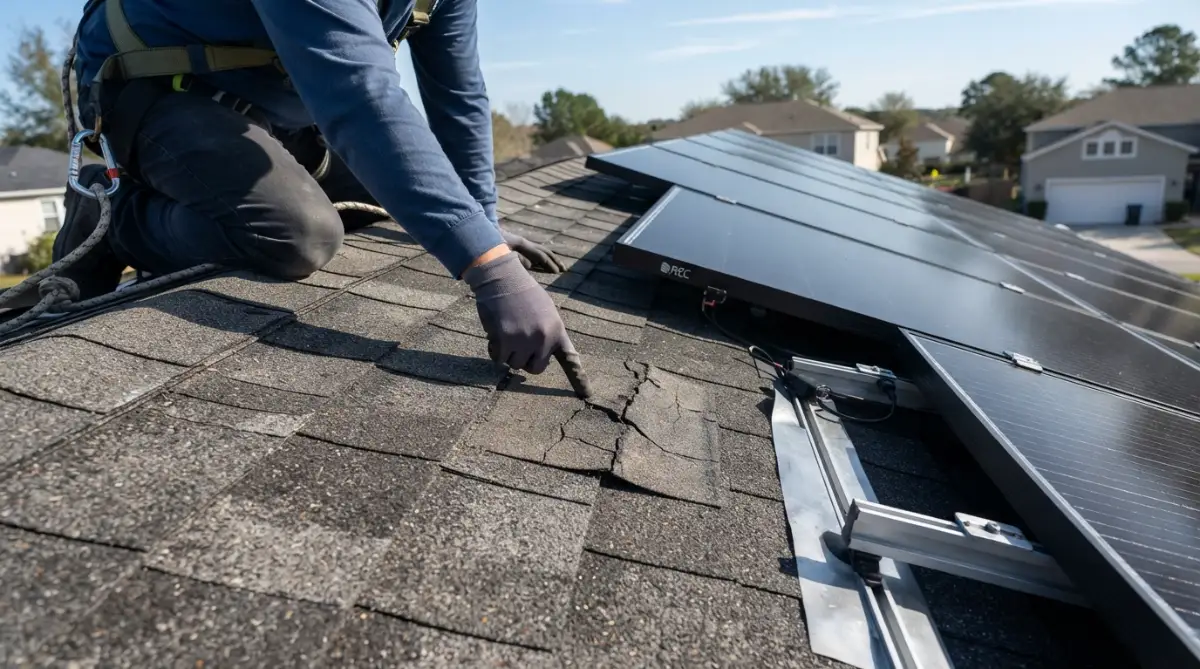
Many homeowners find that bundling roof repairs and solar installation together saves them a massive amount of headaches down the road.
Financial Realities and System Sizing
Understanding how to size your system correctly is your strongest defense against high bills. You do not want a system that is too small, or you will still be paying the utility company every month.
Conversely, you do not want a system that is way too big. In many areas, utility companies will not pay you premium cash for massive amounts of extra energy. They only want you to produce roughly what you consume.
To find your perfect number, you need to gather your last twelve months of electric bills. You are looking for your total kilowatt-hour (kWh) usage for the entire year.
A professional installer will use this exact number to calculate exactly how many panels you need. They will account for your local weather patterns, the angle of your roof, and your historical energy usage.
This precise math is what takes you from being a confused beginner to an empowered homeowner. When you understand the numbers, nobody can sell you a system that you do not actually need.
We have covered the heavy science and the foundational steps. Now, we need to dive into the specific installation steps and the secret financing traps you must avoid at all costs.
Maximizing Your Energy Independence for the Long Haul
Getting your system properly installed is just the beginning of your energy journey. To truly dominate your utility bills, you need to change exactly how you interact with electricity on a daily basis.
Most beginners think they can just flip a switch and completely forget about their new rooftop setup. However, treating your home energy like a passive background element will cost you serious money over time.
You need to start managing your daily power usage with intention. This is very similar to learning how to bootstrap your first business from scratch, where every single resource and penny counts toward your success.
Shifting Your Power Habits to Daylight Hours
The absolute biggest secret to maximizing your return on investment is matching your heavy power usage with the sun. When the sun is directly overhead at noon, your roof is generating a massive amount of raw energy.
If nobody is home and nothing is running, all that beautiful power simply gets pushed out to the grid. While net metering gives you credits for this, using the power directly is always a much smarter financial move.
You need to train your family to run heavy appliances while the sun is still shining bright. Start running your dishwasher right after lunch instead of right before bed.
Do your major loads of laundry on a sunny Saturday afternoon instead of a dark Tuesday night. If you own an electric vehicle, try to charge it during the day whenever you possibly can.
Many local utility companies charge heavily inflated prices for electricity during the evening hours when everyone comes home from work. This dynamic pricing model can feel just as frustrating as figuring out why flight prices jump when you look twice.
By shifting your heavy energy chores to the middle of the day, you completely avoid pulling expensive evening power from the grid. You are literally powering your heaviest chores for absolutely free.
Mastering Your Smart Monitoring Application
Almost every modern solar setup comes with a dedicated smartphone application. This digital dashboard is your best friend when it comes to understanding your home's actual performance.
Do not just ignore the app until something breaks down completely. You should ideally be checking your daily production graphs at least once a week.
Get highly familiar with what a normal sunny day looks like on your digital chart. It should look like a smooth, perfect bell curve that peaks right around midday.
If you suddenly notice that your midday peak is dropping sharply for no obvious reason, you have caught a problem early. The Department of Energy outlines how monitoring home energy systems effectively can prevent massive long-term losses.
Sometimes, a single microinverter might fail, taking one specific panel completely offline. Without checking your app, you could easily go months without realizing you are losing a fraction of your daily power.
The Truth About Panel Maintenance and Dirt
A major question homeowners always ask is whether they actually need to climb up and wash their roof. The answer highly depends on exactly where you live.
If you live in an area that gets frequent, heavy rainstorms, Mother Nature will do most of the cleaning for you. The rain naturally washes away normal amounts of dust and pollen.
However, if you live in a very dry, dusty region, or near a busy highway, grime will slowly build up on the glass. Thick layers of dust, agricultural soot, or heavy bird droppings can actually block the sunlight.
According to research from the National Renewable Energy Laboratory, heavy soiling on panel glass can sometimes reduce energy output by up to seven percent in severely dry climates. That seven percent easily translates to higher utility bills.
If your monitoring app shows a slow, steady decline in power over a few dry months, it is time for a bath. You should never climb onto a steep, dangerous roof yourself just to save a few dollars.
Always hire a professional, insured cleaning crew who uses specialized soft brushes and pure, deionized water. Using hard tap water or harsh chemical soaps can permanently scratch the sensitive anti-reflective coating on the glass.
The Most Expensive Rookie Traps Homeowners Fall Into
Unfortunately, the residential energy industry is filled with absolute landmines for unsuspecting buyers. Because the technology involves large amounts of money, aggressive salespeople often push people into terrible decisions.
Making a blind mistake with your roof will not just ruin your weekend. It can easily cause severe financial distress and tie up your property in a legal nightmare for decades.
We need to shine a bright light on the darkest corners of the installation process. You must guard yourself against these common pitfalls with extreme prejudice.
The Financial Nightmare of Leasing Your Setup
This is easily the most heartbreaking trap that well-meaning families fall into every single day. A friendly salesperson knocks on your door and offers you "free solar panels" with absolutely zero money down.
They tell you that you will just pay a lower monthly rate for the electricity the panels produce. This legally binding arrangement is called a Power Purchase Agreement (PPA) or a solar lease.
Never, ever sign a solar lease without completely understanding the massive consequences.
Quick Comparison: Buying vs. Leasing Solar
| Feature | Buying (Cash or Loan) | Leasing (PPA) |
| :--- | :--- | :--- |
| Who gets the tax credits? | You do. | The solar company does. |
| Home value impact | Usually increases your home's value. | Can scare away future home buyers. |
| Monthly payments | Fixed (if loan) or none (if cash). | Often goes up every year automatically. |
| Long-term savings | Highest. You own free power eventually. | Lowest. You basically just swapped power companies. |
When you sign a lease, you do not actually own the equipment sitting on your roof. The massive corporate leasing company owns it entirely.
Because you do not own the system, you completely forfeit all the incredibly valuable government tax credits and local cash rebates. The leasing company quietly pockets all of those massive financial rewards.
Even worse, these sneaky lease contracts often include an annual price escalator clause. This means your monthly payment to the leasing company will automatically increase every single year, regardless of how much power you use.
The biggest nightmare happens when you try to sell your beloved house. Most new home buyers absolutely refuse to take over a terrible twenty-year equipment lease.
You might end up having to pay tens of thousands of dollars out of pocket just to break the contract and buy the used panels before you can sell your home. Always secure your own financing to buy the system outright, or take out a standard home improvement loan where you remain the sole owner.
Ignoring the Wrath of the Homeowners Association
If you live in a neighborhood governed by a Homeowners Association (HOA), you must tread very carefully. Many excited beginners sign an installation contract without ever speaking to their local neighborhood board.
They assume that because solar power is environmentally friendly, nobody could possibly object. This assumption is a devastating error.
Many strict HOAs have deeply hidden rules regarding the exact aesthetic appearance of neighborhood roofs. They might legally require you to route all electrical conduits inside your attic, or forbid panels on the front street-facing side of the house.
Imagine paying a crew twenty thousand dollars to bolt heavy equipment to your roof, only to receive a legal cease-and-desist letter the very next morning. The HOA could legally force you to completely tear down the entire system at your own massive expense.
Before you ever sign an agreement, demand written, official approval from your neighborhood architectural committee. Navigating these bureaucratic rules is highly similar to learning how to qualify for government-backed educational funding, where missing one simple paperwork deadline ruins the entire effort.
Failing to Update Your Homeowners Insurance
This is a massive blind spot that almost nobody talks about until it is way too late. Bolting a miniature power plant to your roof significantly changes the total replacement value of your property.
The day your installation is finished, your current insurance policy is likely completely outdated. If a massive hailstorm completely destroys your roof and your expensive panels next month, you are in serious trouble.
Your insurance provider might outright refuse to cover the damaged electronics because you never officially declared them. This situation is identical to the painful reality of unmasking common auto policy myths that secretly ruin accident claims.
You must proactively call your insurance agent the moment your installation passes final city inspection. Tell them you need to increase your dwelling coverage to match the exact retail value of the new equipment.
Your annual insurance premium might go up slightly, but that tiny cost is absolutely worth the massive peace of mind. A comprehensive consumer protection guide from the FTC strongly advises getting all insurance adjustments confirmed in physical writing before turning the system on.
Falling for the "Disappearing Installer" Trick
The renewable energy boom has created thousands of brand new, highly inexperienced installation companies. Many of these small businesses operate out of a rented truck and have absolutely no long-term track record.
They will easily offer you a price that heavily undercuts the established, reputable companies in your city. The massive danger here lies in your long-term equipment warranties.
Your heavy roof equipment might come with a beautiful twenty-five-year warranty on paper. However, a warranty is only as strong as the specific company standing behind it.
If your cheap installer goes bankrupt and vanishes in three years, your labor warranty instantly disappears with them. When a wire eventually burns out, you will have to pay a totally different company extremely high hourly rates just to diagnose the mess.
Always look closely for a company that has been doing local business for at least five to ten straight years. Check their official state contractor licenses and read their worst online reviews to see exactly how they handle angry customers.
Your Next Steps Toward a Zero-Dollar Power Bill
Taking control of your home's energy future is one of the smartest, most empowering moves you can possibly make. We have successfully cut through the confusing industry jargon and exposed the hidden traps waiting for beginners.
You now understand exactly how the sun's raw energy gets safely filtered through an inverter to cool your living room. You know exactly why standard systems shut down during a storm, and how a backup battery can save the day.
More importantly, you are fully armed with the knowledge to protect your hard-earned money. You know exactly why leasing is incredibly dangerous and why updating your insurance is absolutely mandatory.
You can confidently look at your roof right now and understand its true hidden potential. Start gathering your last twelve electric bills today, so you have the exact numbers ready when you finally call an installer.
If you are looking to explore other areas of smart home financing or personal security, take a quick look around our main resource hub at Global24Info for more honest advice. Education is your strongest shield against aggressive sales tactics.
I remember the profound sense of relief I felt the very first time my utility bill arrived showing a zero balance. My financial anxiety completely vanished, and I instantly knew all the initial research was worth the effort. Do your homework, ask the tough questions, and you will eventually experience that exact same freedom.
Quick Answers to Your Biggest Solar Questions
Do solar panels still generate power when it is heavily raining?
Yes, they absolutely still work, but their total energy output drops significantly. Rain clouds block the direct sunlight, so your panels might only produce ten to twenty percent of their normal maximum power. However, heavy rain is actually great for washing away thick dust and pollen from the glass.
Will installing heavy panels eventually cause my roof to leak?
If the job is done by a fully licensed, experienced professional, your roof will remain perfectly safe and waterproof. Reputable installers use highly specialized heavy-duty lag bolts and thick chemical sealants to completely prevent moisture damage. The actual danger only comes from hiring cheap, unverified handymen to do the complex roof work.
How long does a home battery backup system actually last?
Most modern lithium-ion home batteries are strictly warrantied to last anywhere from ten to fifteen years of daily use. Over time, just like your smartphone, the battery slowly loses its ability to hold a massive maximum charge. You will eventually need to budget for a replacement battery long before your actual roof panels fail.
Are cheap, heavily discounted solar panels worth the money?
Buying the cheapest possible equipment is a massive mistake that will definitely cost you heavily in the future. Cheap panels degrade much faster in extreme summer heat and often suffer from complete microinverter failures. Always invest your hard-earned money in mid-range or premium hardware that guarantees strong energy production for decades.
Can I legally install a full residential energy system entirely by myself?
While you can technically buy DIY kits online, doing heavy roof electrical work yourself is incredibly dangerous and highly discouraged. Most cities legally require certified electricians to sign off on the final grid connection to prevent massive neighborhood fires. Furthermore, making one simple wiring mistake can instantly void your expensive equipment warranties.
Disclaimer: The information provided in this article is for educational and informational purposes only and does not constitute professional financial, legal, or electrical advice. Solar regulations, tax incentives, and hardware specifications vary heavily depending on your exact geographic location. Always consult with a licensed local contractor and a certified financial advisor before signing any legally binding installation contracts.