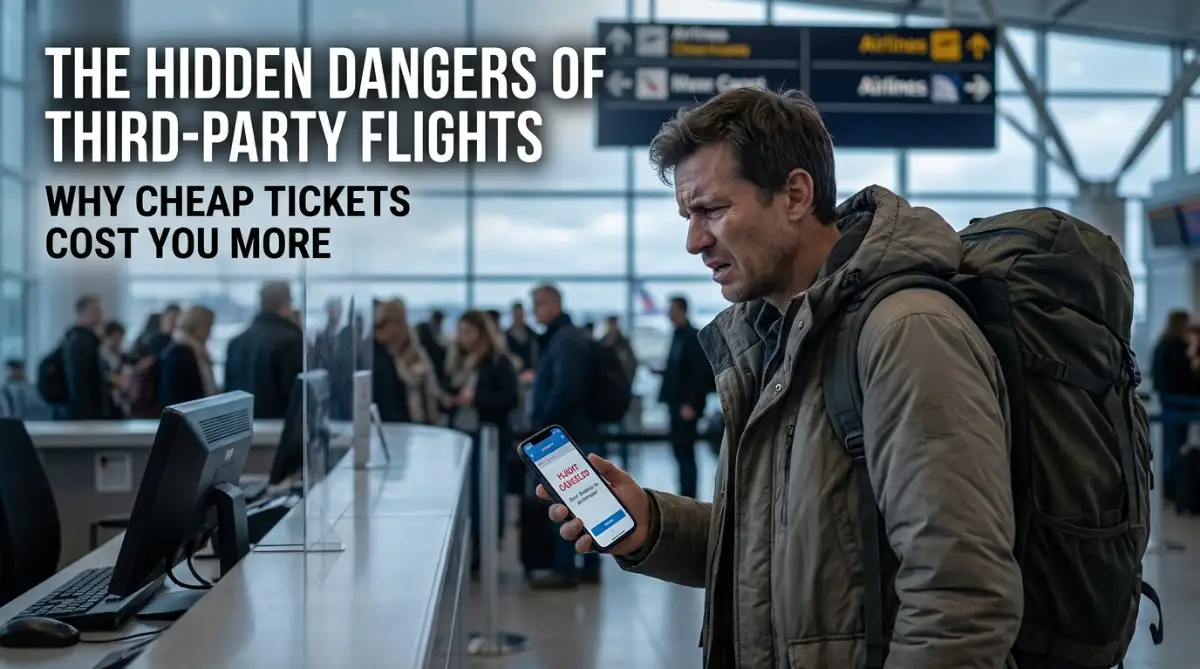
The Frustrating Reality of Disappearing Cheap Flights
You spot a crazy cheap flight, text your friend to confirm the dates, and click back five minutes later—only to see the price jump by $150. No, you aren't going crazy, and it's not a bad coincidence. Travel websites use sneaky background tracking to watch your every move, but you can easily beat their pricing games if you know exactly how to hide your digital tracks.
Earlier that morning, I had found the perfect ticket at a price that actually fit my tight budget. I closed the tab, thinking I would just confirm the dates with my family and book it after lunch.
But when I opened my browser again and typed in the exact same dates, the cheap fare was gone. I felt a sudden rush of panic and anger. It honestly felt like the airline was watching me through the screen, punishing me for hesitating.
I kept refreshing the page, desperately hoping the old price would come back. Instead, the number just kept getting higher and higher with every click. That was the exact moment I realized something sneaky was happening behind the scenes.
This situation happens to thousands of normal people every single day. You plan a dream vacation, find a great deal, and take a moment to think about it. By the time you are ready to pull out your credit card, the system asks for way more money.
The mental toll of this guessing game is exhausting for families trying to stick to a budget. You start to feel cheated, wondering if the whole system is rigged against you. The joy of planning a fun trip quickly turns into a stressful battle against a computer screen.
We constantly second-guess ourselves, asking friends if we should clear our search history or use a different phone. It ruins the excitement of travel completely. But to fix this problem, we first need to understand the hidden mechanics working against us.
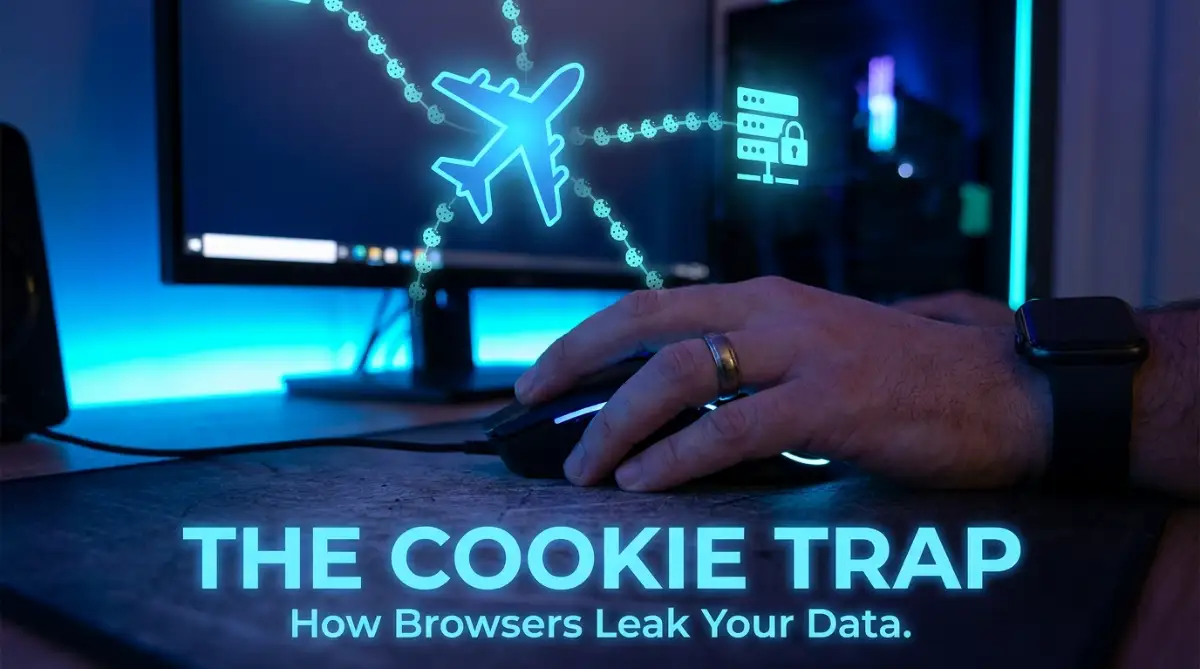
Quick Summary: How to Protect Your Wallet
- Never book groups together: Always check the price of a single seat first to find the true baseline cost.
- Your device matters: Airlines often show higher starting prices if you search from an expensive computer or phone.
- Go undercover: Use a secondary web browser (like Brave) and a mobile hotspot to become an unrecognizable "ghost shopper."
- Fake your location: Use a VPN to connect from the destination country and pay in their local currency for massive discounts.
How The Invisible Watchers Follow Your Clicks
When you visit a travel website, you are never just a random, anonymous shopper. The website immediately assigns a unique digital footprint to your device. This happens so quickly and quietly that you never even notice it.
Think of it like walking into a giant shopping mall where every single store clerk remembers your face. They know exactly which shoes you looked at yesterday and how long you stared at them. When you come back the next day, they quickly change the price tag before you can pick up the box.
The travel industry uses very similar tactics, but they do it using advanced software. They monitor your clicks, your search patterns, and even the time you spend looking at a specific route. This data feeds directly into their massive pricing systems.
These systems are designed with one main goal: to make the maximum amount of profit from every single seat. They know that if you search for the same route three times in two days, you are highly motivated to buy. The system automatically assumes you have no other choice but to pay a higher rate.
Breaking Down the Digital Footprint
Your browser is constantly whispering secrets to the websites you visit. Every time you open a new tab to check a flight, a tiny file gets saved directly onto your computer. These small files are known as digital cookies.
Cookies are not inherently evil. They help websites remember your login details so you do not have to type your password every single time. However, airlines and travel agencies use these exact same cookies to build a profile of your buying habits.
If a website sees a cookie that says you checked flights to London yesterday, their system goes on high alert. The software immediately calculates how badly you want that ticket. It might bump the price up just enough to create a sense of urgency without making you cancel your trip.
I used to think that just closing the browser window would protect my data from these companies. I quickly learned this the hard way when I tried booking a domestic flight to see my parents for the holidays. I closed my laptop, switched to my smartphone, and found out the airline still recognized me through my logged-in email account, keeping the price ridiculously high.
Watch This Expert Explanation on Flight Tracking:
If you want to see exactly how these sneaky data transfers happen in real-time, this short video breaks down the technical side perfectly. It will completely change the way you search for your next holiday.
The 48-Hour Cookie Tracking Timeline:
| Time Elapsed | What You Do | What The Airline's System Does |
| :--- | :--- | :--- |
| Minute 1 | You search for a flight to London. | Drops a tracking cookie on your browser. Logs your IP and device type. |
| Hour 12 | You check the same route again. | Tags you as a "Warm Lead." Might increase the price by $15 to test your urgency. |
| Day 2 | You check a third time to buy. | Triggers "High Intent" mode. Hides the cheapest fare class and shows inflated rates. |
The Truth About the Incognito Mode Myth
You have probably heard your friends tell you to always search for flights in an incognito or private window. This is one of the most popular pieces of advice on the internet right now. People believe that going into a dark browser mode makes them completely invisible to corporations.
Let me be completely honest with you: this is mostly a myth. While private browsing does stop new cookies from being saved after you close the window, it does not hide your true identity while you are actively searching.
The website can still see your current session data as long as the tab remains open. More importantly, incognito mode does absolutely nothing to hide your internet connection. Your digital location is still completely exposed to the airline's servers.
How Your Internet Connection Bets Against You
Every device connected to the internet has a unique string of numbers attached to it. This string is called an IP address, and it acts exactly like a digital zip code. It tells the travel website exactly where in the world you are sitting at this very moment.
Why does your location matter for a flight? Because airlines change their ticket costs based on the average wealth of your city or neighborhood. If your IP address shows that you are browsing from a wealthy financial district, the system might show you a higher starting price.

On the other hand, if someone searches for the exact same flight from a developing country, they might see a significantly cheaper fare. The algorithm constantly adjusts the numbers based on what it thinks the local market can afford.
This means that simply clearing your browser history will not save you if your IP address remains the same. The computer knows you are still sitting in a high-income area, and it will charge you accordingly. This is a very frustrating reality for people trying to find fair deals online.
The Device You Use Might Be Costing You Money
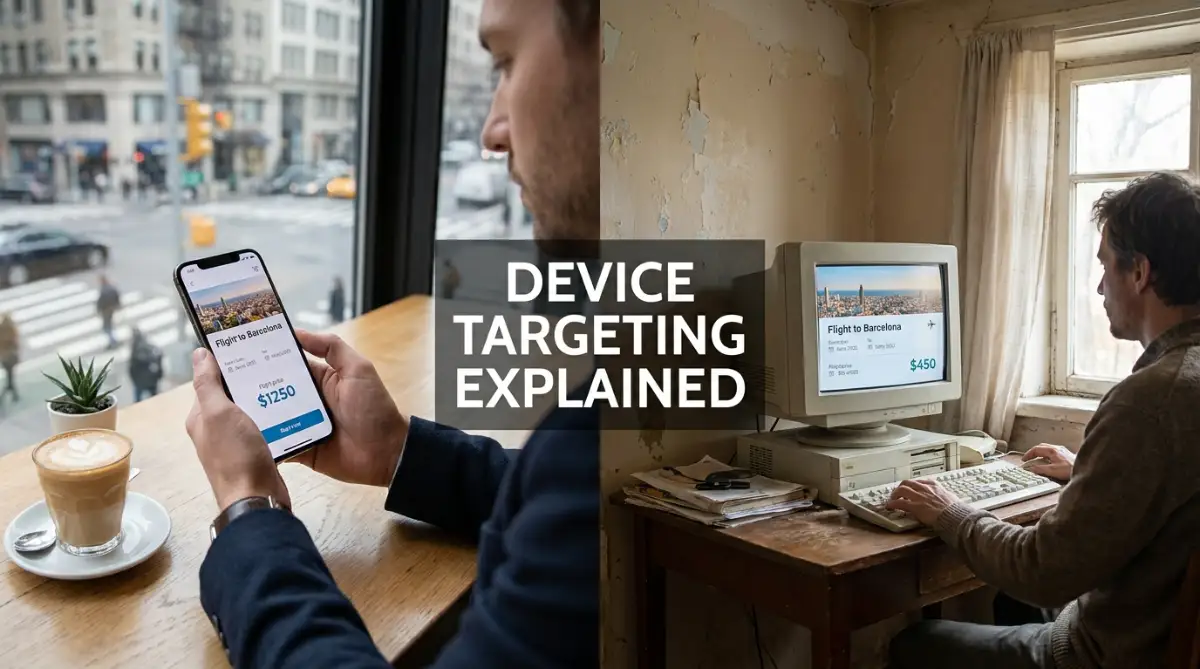
Here is a fact that shocks almost everyone when they first hear it. The physical computer or phone you are holding in your hand can directly influence the price of your plane ticket. Travel algorithms are smart enough to detect exactly what brand of device you are using.
If you are searching for flights on a brand-new, expensive Mac computer, the system takes notes. Data shows that users with high-end devices are generally willing to spend more money on travel and luxury items. The algorithm tests this theory by showing slightly higher fares to these specific users.
If you switch over to an older, budget-friendly desktop computer, you might suddenly see different numbers. Some platforms automatically push cheaper, basic economy tickets to users on older devices. They assume these shoppers are strictly looking for the lowest possible bargain.
This device profiling feels deeply unfair to everyday consumers. You should not have to pay an extra fifty dollars just because you like using a specific brand of smartphone. Yet, these silent calculations happen millions of times a day across the globe.
Unpredictable Demand and Artificial Scarcity
Beyond your personal data, airlines rely heavily on the concept of supply and demand. But they do not just wait for the demand to happen naturally. They actively create a feeling of scarcity to pressure you into making a quick decision.
Have you ever seen a bright red message that says "Only 2 seats left at this price!" while booking? This is a psychological trigger designed to make you panic. While it might be technically true for a specific fare class, it does not mean the whole plane is almost full.
The algorithm intentionally releases tickets in tiny batches. When one small batch sells out, the system automatically jumps to the next, more expensive tier. If hundreds of people are searching for the same route on a Friday night, the software senses high demand and spikes the prices instantly.
This creates a chaotic environment where the cost of a seat changes by the hour. You are not just fighting against your own browser history. You are competing against thousands of other frustrated travelers who are all refreshing their screens at the same time.
Myth vs Reality: What Actually Happens?
- The Myth: Airlines have a guy sitting at a desk, manually raising the price when he sees you looking.
- The Reality: Everything is completely automated by complex software that reacts to millions of data points per second.
- The Myth: Booking on a Tuesday at midnight guarantees the absolute lowest fare.
- The Reality: Algorithms operate 24/7. While prices do fluctuate during the week, there is no magic day or hour that guarantees a cheap seat anymore.
- The Myth: Deleting your browser cache guarantees the price will drop back down.
- The Reality: It might help remove a targeted cookie, but the airline still tracks your IP, your device, and the overall market demand.
Understanding these differences is the very first step toward taking control of your travel budget. You can stop blaming yourself for missing out on a deal. The game is highly complex, but once you know the rules, you can start playing defensively.
Taking Back Your Booking Power
You do not need to be a computer genius to fight back against these tracking systems. You just need to change a few simple habits before you start planning your next trip. By making small adjustments to how and where you browse, you can disrupt the algorithm's tracking methods.
We need to stop feeding these systems the exact data they want. Every time we blindly search the same route on the same device day after day, we are just giving them the ammunition to charge us more. It is time to start mixing up our approach.
Instead of acting like a predictable shopper, you must learn to act like a complete stranger to these travel websites. You need to bounce around, hide your digital tracks, and confuse the software reading your data. This requires a little bit of patience, but the financial savings are entirely worth the extra effort.
In the next sections, we will look at exactly how you can completely mask your digital identity. You will learn the specific, practical actions you can take today to stop the airlines from guessing your budget. Let's dig deeper into the actual steps you can take to secure those cheap tickets without the constant anxiety.
Outsmarting the System: Next-Level Booking Secrets
We already know that your computer is quietly sharing your travel plans with the airlines. Now it is time to flip the script and use their own technology against them. You can absolutely trick these pricing systems if you change how you connect to the internet.
One of the most effective strategies is changing your digital location completely. You can do this easily by using a Virtual Private Network, commonly known as a VPN. This simple software acts as a secure tunnel for your internet connection, hiding your real IP address from everyone.
When you turn on a VPN, you can choose to make your connection look like it is coming from a completely different country. If you live in a wealthy city, the algorithm automatically assumes you have extra money to spend. By switching your virtual location to a region with a lower cost of living, you might instantly see cheaper fares for the exact same seat.
I always test this method before buying international tickets. I will check the price from my home network first, and then I will connect my VPN to a server in the destination country. You would be amazed at how often the local currency price is significantly lower than the tourist price. Understanding these hidden digital mechanics is just as eye-opening as unmasking common auto policy myths that secretly ruin accident claims.
The "Ghost Shopper" Strategy
Another brilliant way to hide your tracks is by completely separating your travel research from your everyday browsing. Most people use the exact same browser for checking emails, watching videos, and booking flights. This makes it incredibly easy for companies to build a highly detailed profile of your daily habits.
Instead of mixing everything together, download a completely separate web browser just for travel planning. If you normally use Chrome, download Firefox or Brave and never log into any of your personal accounts on it. Keep this secondary browser completely clean of personal data.
Before you open this dedicated travel browser, make sure you are not connected to your home Wi-Fi network. Use your smartphone's mobile hotspot instead to get a fresh IP address. By combining a clean browser with a fresh mobile connection, you become a "ghost shopper" that the algorithm simply cannot recognize.
Consumer protection groups often warn about how deeply our daily browsing habits are monitored. According to a detailed report on digital privacy by the Electronic Frontier Foundation, companies track our online movements constantly to manipulate what we see. Taking steps to hide your identity puts the buying power back in your hands.
Do's and Don'ts of Device Management
To make things extremely simple, let's look at a quick breakdown of how you should handle your electronics while hunting for deals. Managing your devices correctly is the secret weapon to keeping prices low.
Do:
- Always clear your browser cache and cookies entirely before starting a new search session.
- Use a completely different device to actually purchase the ticket than the one you used to research it.
- Turn off your device's location services and GPS while browsing travel platforms.
Don't:
- Never log into your frequent flyer or airline rewards account while you are just browsing for prices.
- Stop searching for the exact same route multiple times a day on your primary home Wi-Fi network.
- Do not click on those targeted travel ads that follow you around on social media, as they track your interest immediately.
If you follow these specific guidelines, you stop feeding the algorithm the data it craves. It takes a little bit of practice, but managing your digital footprint correctly is highly rewarding. It is very similar to learning a new skill; just like figuring out why your prompt engineering fails and how to fix it easily, small adjustments make a massive difference.
Leveraging Foreign Currencies
Here is a brilliant secret that frequent travelers use all the time to save cash. Airlines often price their tickets differently depending on the currency used to purchase them. The exchange rate on the travel website might not actually reflect the real-time global market rate.
When you use your VPN to browse from another country, make sure you also change the currency setting on the booking page. Look at the cost in the local currency and use an online calculator to see the conversion to your own money. Very often, buying the ticket in a foreign currency saves you a significant percentage.
You just need to make sure you use a travel credit card that does not charge foreign transaction fees. If you use a standard debit card, your bank might hit you with hidden charges that wipe out your savings entirely. Always check your bank's specific rules regarding international online purchases before trying this method.
Real-Life Example: The IP Currency Trick in Action
Last summer, I wanted to book a short domestic flight within Peru. From my home Wi-Fi in the US, the booking site quoted me $210 in USD. I opened my VPN, connected to a server in Lima, and switched the website currency to Peruvian Sol. Suddenly, the exact same seat on the exact same flight cost the equivalent of $85. That is a $125 saving just for tricking the computer into thinking I was a local resident.
By taking the time to test different virtual locations and currencies, you take full control of the buying process. You stop being a passive consumer and become an active, strategic buyer. If you want to explore more about managing complex financial systems, you can explore our homepage here for more resources.
The Trap of Convenience: Costly Errors You Might Be Making
Even when people know they are being tracked, they still make huge mistakes out of pure laziness. We all want the booking process to be fast and easy, but that convenience usually comes with a very steep price tag. One of the biggest errors people make is relying completely on third-party aggregator websites.
We all love websites that compare hundreds of flights on a single page. They seem incredibly helpful, but they are also massive data collection machines. The moment you search on a popular aggregator, they broadcast your interest to dozens of different airlines simultaneously.
This creates a fake surge in demand across the entire network. Suddenly, multiple airline systems think there is a huge spike in interest for a Tuesday flight to Paris. They all raise their prices slightly because your single search triggered their automated alarms. The Consumer Federation of America heavily advocates for transparency in how these digital platforms share consumer data behind the scenes.
Instead of booking through the aggregator, use them carefully just to see which airlines fly your route. Once you find a good option, close the aggregator entirely, clear your cookies, and go directly to the airline's official website. Booking directly always gives you better protection if your flight gets canceled anyway.
The Hidden Penalty of Group Bookings
This next mistake ruins the travel budgets of families and large groups constantly. Imagine you are planning a trip for four people and you type "4 passengers" into the search bar. The algorithm instantly scans the plane to see what seats are left in the cheapest section.
Let's say there are only two seats left at the lowest price of $100, and the next tier of seats costs $150. Instead of giving you two tickets for $100 and two for $150, the system automatically charges you $150 for all four tickets. The algorithm will never split a group booking into different price tiers voluntarily.
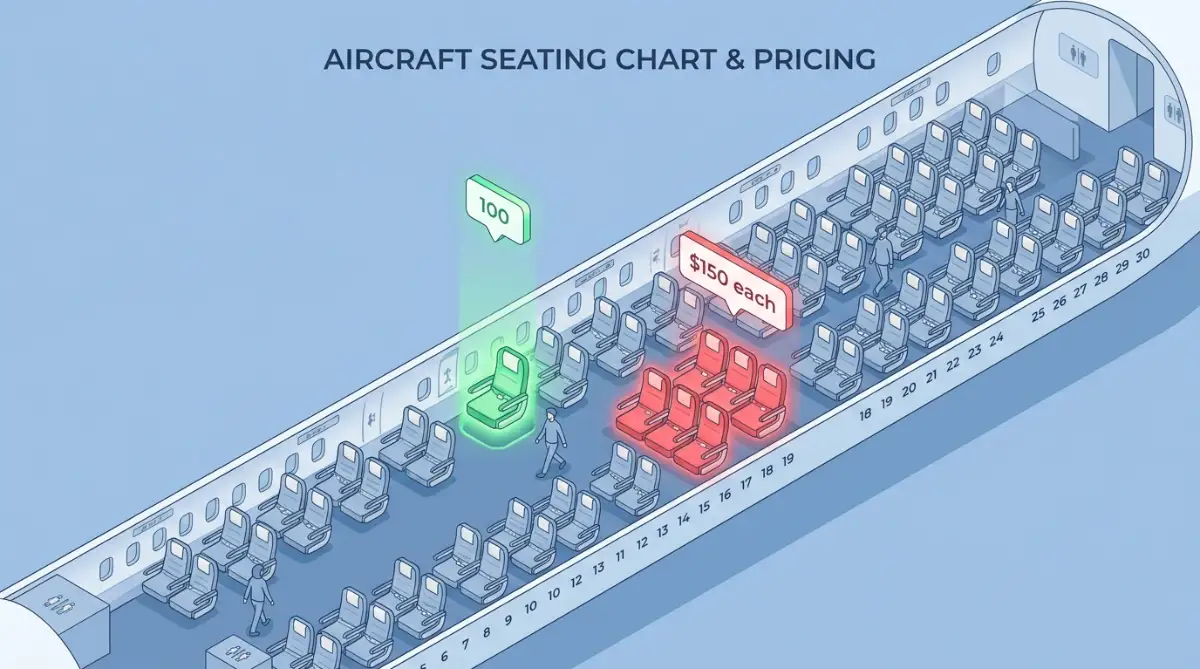
This simple software rule ends up costing families hundreds of extra dollars for absolutely no reason. To avoid this penalty, always search for exactly one single passenger first to see the true base price of the flight. Once you know the absolute lowest number, you can decide how to proceed with the rest of your group.
If the single ticket is cheap, try booking your family members in separate transactions. You might have to sit in different rows, but the amount of money you save is completely worth it. Saving those extra hundreds can make a huge difference, much like figuring out how to qualify for government-backed educational funding to protect your family's future wealth.
The Loyalty Program Trap
We have been trained to believe that loyalty programs always save us money and offer the best perks. While gathering miles is great, logging into your frequent flyer account while shopping is a massive mistake. When you log in, the airline knows absolutely everything about your financial history with them.
They know exactly how many miles you have sitting in your account. They also know your typical travel dates, your preferred seat choices, and how much you usually spend on baggage. With all this highly personal data, the pricing algorithm can easily customize a price specifically designed to drain your wallet.
The system might realize you are just 500 miles away from an elite status upgrade. It knows you are highly motivated to book a flight on their specific airline to hit that goal. Because they know you will not shop around with their competitors, they quietly show you a slightly inflated price.
Being categorized by a rigid computer system is always frustrating for consumers. It feels very similar to the anxiety people face when wondering can you get life coverage with a pre-existing condition, where an algorithm decides your worth. Keep your travel profile completely logged out until the very last second when you are absolutely ready to pay.
Checking the Same Route Every Single Day
Anxiety makes us do terrible things to our own wallets. When we are worried about ticket costs, we tend to obsessively check the same route every morning and every night. We think we are being responsible shoppers, but we are actually just acting as our own worst enemy.
Every single time you check that exact route on your home network, you add another layer of data to your profile. The system sees this repeated behavior and labels you as a desperate buyer. It calculates that your travel dates are fixed and you are just waiting for a miracle drop that will never come.
Instead of manually checking the flight yourself, let automated tools do the hard work for you. Set up price drop alerts on a secondary email address that you do not use for personal accounts. The National Cyber Security Alliance often reminds internet users that compartmentalizing your digital life is the best way to maintain online privacy.
When you get an alert that the price has dropped, do not click the link inside the email. Go to your clean, secondary browser, turn on your mobile hotspot, and search for the flight manually. This breaks the tracking chain completely and allows you to grab the cheaper fare safely.
Your New Action Plan for Stress-Free Travel
You now have a deep understanding of exactly how the digital travel industry operates behind closed doors. You are no longer just a passive shopper clicking buttons and hoping for the best outcome. You understand how your browser history, your physical device, and your daily habits impact your wallet.
The next time you plan a vacation, you can approach the search bar with complete confidence. You know how to clear your digital footprints, mask your location, and avoid the group booking traps. These practical strategies give you the power to outsmart the algorithms every single time you fly.
Travel should be about making beautiful memories, not fighting a stressful battle against a computer screen. By changing just a few simple habits, you protect your hard-earned money from unnecessary corporate fees. You can finally start enjoying the excitement of trip planning again.
I finally stopped letting travel websites dictate my budget, and my bank account has never looked better. My biggest advice is to treat your digital footprint like your personal diary, keeping it entirely hidden from companies trying to make a quick profit.
Questions People Often Ask About Travel Tracking
Do airlines really use cookies to raise prices?
Yes, travel websites absolutely use digital cookies to track your search behavior and route interests. While they rarely admit to personal targeting, their dynamic algorithms clearly use this data to adjust ticket costs based on perceived demand.
Should I book flights on a specific day of the week?
The old advice about booking on a Tuesday at midnight simply does not work anymore. Modern pricing algorithms adjust fares constantly, 24/7, based on real-time market demand and global search volume.
Does using a VPN actually lower my flight cost?
Using a VPN can definitely help you find cheaper fares by masking your true location and IP address. By making it look like you are browsing from a different country, you bypass the algorithm's regional wealth profiling.
Can airlines tell if I am using an expensive phone?
Yes, the website code can easily detect your device type, operating system, and browser version. Data shows that users on premium devices are often shown slightly higher starting prices because the system assumes they have a higher budget.
Will clearing my browser history fix the price?
Clearing your history and cookies is a great first step, but it is not a complete solution. You must also change your IP address or switch to a completely different network to truly hide your identity from the tracking software.
Disclaimer: The information provided in this article is for educational and informational purposes only. Airline pricing algorithms are constantly changing, and specific digital strategies may vary in effectiveness. We are not responsible for any financial decisions made based on this content. Always conduct your own research and verify prices directly with official travel providers before making a purchase.