The Hidden Stress of Changing Locked-In Flights
So, you booked a non-refundable flight, and now life happened. Maybe you got sick, or your boss just moved that big meeting. Your first thought is probably that your money is gone forever. But hold on a second. I have been in this exact spot, and I can tell you there are actually a few hidden backdoors to change that rigid ticket without emptying your wallet completely. Let me show you how to beat the system.
I felt a heavy knot in my stomach as I calculated the hundreds of dollars I was about to lose. My hands were literally shaking while I clicked through the airline's confusing website trying to find a loophole. I just wanted a simple way to move my travel dates without draining my entire bank account.
I felt trapped by a massive corporation that did not care about my personal situation. It is an incredibly isolating feeling when you realize your hard-earned money might just vanish into thin air.
This exact situation happens to thousands of honest travelers every single day. You plan a beautiful trip, pay for your seats, and then life simply gets in the way. Suddenly, you are staring at a completely rigid airline policy that feels impossible to beat.

Fast Facts: Changing Your Flight Like a Pro
- The 24-Hour Rule: You can cancel any flight for a full refund if you do it within 24 hours of booking.
- Wait for the Airline: If the airline changes your flight time by a few hours, you can change your ticket for free.
- Hang Up and Call Again: If an agent says no, politely hang up. The next agent might easily fix your problem.
- Use Same-Day Standby: Switch to an earlier flight on your travel day to avoid massive advance change fees.
Breaking Down Airline Myths vs. Reality
Before we jump into the exact steps to fix this problem, we need to clear the air. There is a lot of bad advice floating around on the internet regarding flight changes. Let's look at the real facts.
Myth: A non-refundable ticket means you can never, ever get any value back if you do not fly.
Reality: Non-refundable simply means they will not hand you raw cash back to your original credit card. In most cases, you can still retain the value of the ticket as a future flight credit.
Myth: Customer service agents cannot bend the rules for any reason.
Reality: Agents actually have specific waiver codes they can apply to your reservation. If you know exactly how to ask, they can sometimes bypass standard fees completely.
Understanding these basic truths is your very first weapon. When you know how the system operates behind closed doors, you stop feeling like a victim.
How to Check Your Specific Fare Rules Safely
Your very first action step is to figure out exactly what kind of ticket you purchased. Airlines have created incredibly confusing ticket tiers to make you spend more money. You need to know your exact standing before you make any sudden moves.
Log into your airline account and find your specific reservation. Do not click any buttons that say "cancel" or "change" just yet. Look for a tiny link that says "Fare Rules" or "Receipt Details".
You want to find out if you bought a Basic Economy ticket or a Standard Economy ticket. Basic Economy is like a strict contract with zero wiggle room. Standard Economy usually comes with a bit more flexibility, even if it says non-refundable.
To make things clear, here is a quick look at how different ticket types actually work when you need to make a change:
If you see that you have a standard non-refundable ticket, take a deep breath. Most major airlines have recently dropped their massive change fees for these specific standard tickets. You will still have to pay the fare difference, but the heavy penalty fee might not exist anymore.
The Schedule Change Loophole (Your Best Friend)
This is perhaps the most powerful secret in the travel industry. Airlines are constantly moving their flight schedules around to match demand. If the airline changes your flight time significantly, you instantly hold all the power.
You need to check your flight details to see if the departure or arrival time has moved by more than two hours. Sometimes, they might even change your direct flight into a connecting flight. When the airline makes this kind of change, their non-refundable rules basically go out the window.
Are you struggling to navigate the airline website to find these hidden changes? Watch this quick breakdown before you take your next step.
Quick Checklist: Does Your Schedule Change Qualify for a Free Fix?
If the airline does any of the following, you can usually demand a free change or full refund:
- They moved your departure time earlier by 2+ hours.
- They moved your arrival time later by 2+ hours.
- They added an unexpected layover to a direct flight.
- They changed your operating carrier (e.g., you booked Delta, but now you are flying on a tiny regional partner plane).
If you notice a significant schedule change, you are legally entitled to ask for a better flight option. You can call the airline and ask them to move you to a different date or time that works better for you. Best of all, they will usually do this completely free of charge.
Think of this like ordering a blue shirt online, but the store sends you a red one. Since they messed up the original agreement, you get to demand a free exchange.
Leveraging Medical and Emergency Waivers
Sometimes, life throws a major curveball that you cannot ignore. Airlines actually have hidden policies to deal with severe illnesses, jury duty, or family emergencies. They do not advertise these policies loudly, but they definitely exist.
If you are dealing with a genuine emergency, start gathering your official documentation immediately. You will need a doctor's note, a hospital record, or a court summons to prove your situation. The paperwork needs to be clear, official, and directly tied to your travel dates.
Once you have your documents ready, you will need to bypass the standard customer service chat bots. You need to speak to a real human being on the phone to explain your situation. Be prepared to email your documents to a specific support desk while you are on the phone.
Airlines review these emergency cases individually. If approved, they will often waive the change fees entirely or issue a travel voucher for the full amount.
Mastering the Customer Service Phone Call
Picking up the phone to call an airline is terrifying for most people. You expect an argument, but you need to approach this like a friendly negotiation. The person on the other end of the phone has the power to save you money.
Start the call by asking the agent how their day is going. This tiny moment of human connection instantly sets you apart from the hundreds of angry customers they talk to daily. Be incredibly polite, but remain very firm about what you need to achieve.
Explain your situation simply and directly. Do not give them a confusing twenty-minute backstory. Say exactly what happened and ask what flexible options they can offer you today.

I learned something incredibly valuable during one of my most stressful travel days.
Pro Tip: I realized that if the first agent says no, I can just politely hang up the phone and call back later. My strategy changed completely once I figured out that a different agent might give me a completely different answer on the exact same day.
If the agent tells you there is a huge fee to change your ticket, ask them to break down the costs. Ask them if there are any current travel waivers in place for your specific destination. Sometimes, bad weather in another state can trigger free changes for your entire flight path.
Understanding Travel Credits vs. Vouchers
When you successfully reschedule or cancel a non-refundable ticket, you rarely get money back to your bank. Instead, the airline creates a digital currency for you to use later. You need to understand exactly how this digital money works so you do not lose it.
A Flight Credit is usually tied directly to the person who was supposed to fly. You cannot give this credit to your best friend or your spouse. It also comes with a very strict expiration date, usually one year from the day you bought the original ticket.
A Travel Voucher, on the other hand, is sometimes a bit more flexible. Depending on the airline, you might be able to use a voucher to book a ticket for someone else.
Always ask the agent to email you the exact terms and conditions of your new credit. Put a loud reminder in your phone calendar a month before the credit expires. So many people fight hard to get a flight credit, only to completely forget about it and let it expire.
Using Same-Day Change Policies to Your Advantage
Let us say your travel dates are somewhat firm, but you just need to shift your flight by a few hours. Changing a ticket weeks in advance might trigger a massive fare difference cost. However, waiting until the exact day of travel might actually save you money.
Most major airlines offer something called a "Same-Day Confirmed Change". This allows you to switch to an earlier or later flight on your exact day of travel for a flat, predictable fee. This flat fee is usually much lower than standard change fees.
To use this trick, you must wait until exactly 24 hours before your original flight departs. Once the check-in window opens, you can usually see the same-day change options right in the airline app.
This works beautifully if you simply oversleep or if your work meeting ends early. It is a calculated risk, because the new flight must have empty seats available. But if you hate the idea of paying a huge fare difference, this same-day trick is a fantastic backup plan.
Upgrading to Bypass Economy Restrictions
Here is an unconventional strategy that sometimes works like pure magic. If you are stuck in a restrictive ticket class, try upgrading your seat first. Sometimes, paying a small fee to upgrade to a premium seat changes the underlying rules of your ticket.
Once your ticket is officially upgraded in the system, the computer might grant you new flexibility. Premium tickets often come with free changes and easier cancellation policies.
You can then try to reschedule the entire upgraded itinerary to your new preferred date. This does not work with every single airline system, but it is a clever backdoor strategy to try. It feels amazing when you beat the computer system at its own game.
When to Involve Your Credit Card Company
Sometimes, the airline simply refuses to help you in any way. If you paid for your non-refundable ticket with a premium travel credit card, you have a secret safety net. Many good credit cards offer built-in travel insurance that covers non-refundable tickets.
You need to log into your credit card portal and read the exact benefits guide. These insurance policies usually cover things like severe sickness, extreme weather, or mandatory jury duty.
Filing a claim with your credit card company requires a lot of patience. You will have to fill out detailed forms and provide proof that the airline refused your refund request. The process might take several weeks to complete.
However, getting a full statement credit back to your account is absolutely worth the paperwork. It is one of the best reasons to always book your flights with a solid, reputable travel credit card.
Keeping Your Expectations Realistic
At the end of the day, dealing with non-refundable tickets is a game of patience and strategy. You are trying to move a giant boulder up a steep hill.
Do not expect the airline to hand over a free change without a little bit of effort on your part. You have to be willing to read the fine print and make a few phone calls.
Your goal is damage control. If you can save 80% of your ticket value as a future credit, consider that a massive victory. Do not let the pursuit of perfection stop you from accepting a really good compromise from the airline.
By applying these exact steps carefully, you take back control of your travel plans. You stop feeling like a helpless victim of corporate policies. You become a smart, informed traveler who knows exactly how to protect their vacation budget.
Insider Strategies to Outsmart the Booking System
Once you understand the basic rules of your ticket, it is time to level up your approach. The standard customer service hotline is not your only option when trying to move your travel dates. There are several advanced methods that experienced travelers use to bypass heavy penalties.
Most people completely ignore the power of social media when dealing with rigid travel companies. Airline phone lines are heavily monitored, and agents are often forced to stick to a strict script. However, the social media teams operating on platforms like X (formerly Twitter) often have much more power to fix unique problems.
If you are stuck at work and cannot wait on hold for three hours, simply send a direct message to the airline. Explain your situation politely and provide your booking reference number. These digital agents can sometimes process complex flight changes silently in the background while you go about your day.
The Magic of the 24-Hour Cooling-Off Period
There is an incredible federal protection rule that many travelers completely forget about. According to the United States Department of Transportation, you have a massive safety net immediately after booking a flight. If you book a flight that departs more than seven days away, you have exactly 24 hours to change your mind.
During this initial 24-hour window, you can cancel or change your ticket without paying a single penalty fee. This applies even if you clicked the absolute cheapest, most restrictive non-refundable option on the screen. The airline must give you a full cash refund back to your original credit card if you cancel within this timeframe.
You can read the exact legal details on the Aviation Consumer Protection page to understand your rights fully. I always set an alarm on my phone for 23 hours after I book any vacation. This gives me one final chance to double-check my work schedule and confirm my hotel before the ticket becomes truly locked in.
Decoding Airline Partner Networks
A massive secret in the travel industry is how airline partnerships operate. Sometimes you buy a ticket through one major airline, but the actual airplane belongs to their international partner. This creates a fascinating loophole if you need to alter your plans.
Let us say you booked a trip to Europe through Delta, but the flight is actually operated by Air France. If Air France changes their schedule, the Delta computer system might get confused. When computer systems disagree, human agents are often authorized to waive fees entirely just to clean up the messy reservation.
If you find yourself in this exact situation, politely point out the discrepancy to the agent. Navigating these confusing corporate partnerships often feels like trying to figure out why your prompt engineering fails and how to fix it easily. You just need to speak the right language to get the system to work for you.
Utilizing Same-Day Standby Lists
If you absolutely must leave on a specific day but need a different time, the standby list is your best friend. Many people think standby is only for airline employees, but paying customers can use it too. Instead of paying hundreds of dollars to change your flight in advance, you can ask to fly standby on an earlier flight.
Most major airlines offer free same-day standby for all passengers, even those holding basic economy tickets. You simply show up to the airport early, approach the gate agent, and ask to be added to the list. If there is an empty seat on that earlier plane, you get to take it without paying a single penalty fee.
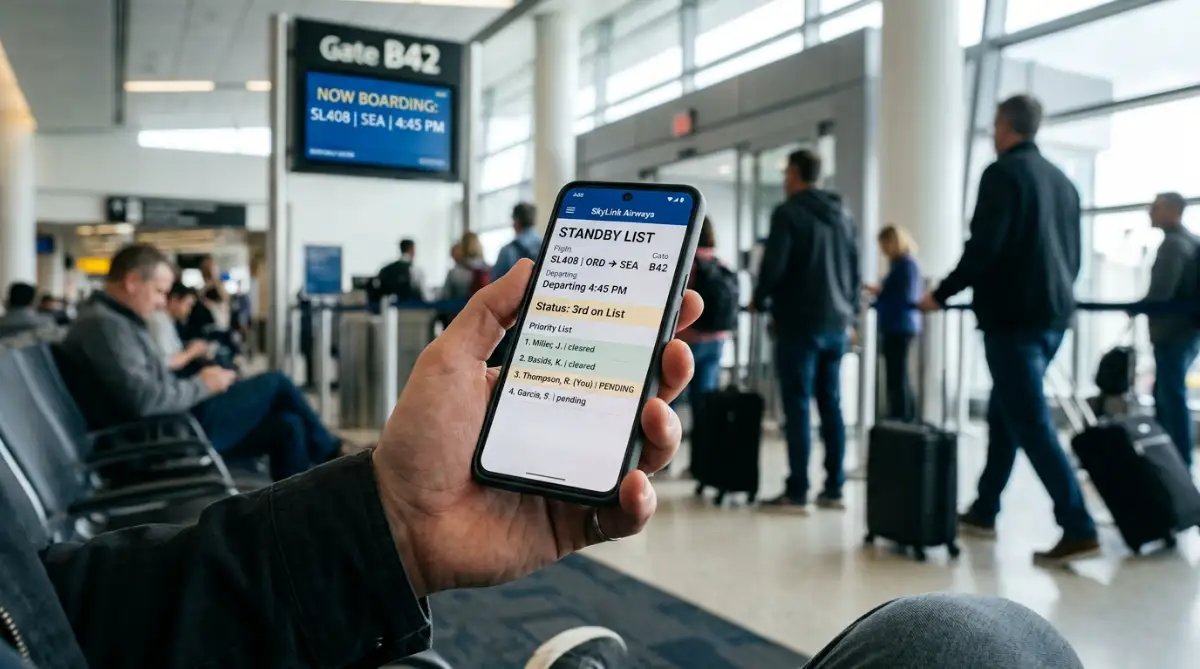
Of course, this requires a bit of bravery because an empty seat is never guaranteed. But if you are flexible and have a good book to read at the terminal, this method saves an incredible amount of money.

The Hidden Traps That Will Drain Your Vacation Budget
Trying to fix a broken travel itinerary is stressful, and stress causes smart people to make terrible decisions. I want to highlight the most dangerous pitfalls you will face during this process. Avoiding these specific traps is just as important as knowing the right things to say.
The single biggest mistake you can make is hitting the "Cancel Flight" button online the moment your plans change. I know the feeling of panic when a family emergency pops up out of nowhere. Your brain tells you to cancel everything immediately to stop the bleeding, but this is a massive error.
Once you proactively cancel that ticket yourself, you surrender all of your leverage back to the airline. You are now entirely at the mercy of their standard, restrictive voucher policies.
The Waiting Game Strategy
Instead of canceling immediately, you should wait until the absolute last minute to make a move. Why? Because the airline might actually cancel the flight for you. If a sudden thunderstorm rolls in or a mechanical issue grounds the plane, the airline is at fault.
When the airline cancels the flight, the non-refundable rule disappears instantly. You are legally entitled to a complete cash refund instead of a restrictive digital credit. You can use tools like FlightAware to track weather patterns and incoming plane delays before you make your final decision.
Understanding when to hold your ground and when to act is a delicate balance. It is remarkably similar to unmasking common auto policy myths that secretly ruin accident claims. If you rush the process without knowing the hidden rules, you leave a ton of money on the table.
Accepting the First Rejection Too Quickly
Airline customer service is a massive lottery system. You might call on a Tuesday morning and speak to an agent who is having a terrible day. They might completely refuse to help you, read a strict script, and demand a massive penalty fee.
Most normal people accept this rejection as the final truth and pay the fee. Please do not fall into this trap. If you get a grumpy agent who refuses to look for flexible options, simply say thank you and hang up the phone.
Wait thirty minutes, call back, and you will get a completely different human being on the line. This new agent might be highly experienced, incredibly friendly, and willing to apply a special waiver to your account. This strategy is known as "Hang Up and Call Again," and it is the most reliable tool in any traveler's toolkit.
Letting Travel Credits Expire in Silence
When you successfully turn a locked-in ticket into a future travel credit, you might feel a huge sense of relief. You closed your laptop, went about your life, and completely forgot about the airline. This is exactly what the giant travel corporations want you to do.
Millions of dollars in travel credits expire unused every single year because people simply forget they exist. These digital vouchers usually have a strict expiration date attached to them. The airline will not send you a friendly text message to remind you to book a new trip.
Treat these travel credits exactly like physical cash sitting on your kitchen counter. Just like navigating the complex paperwork of how to qualify for government-backed educational funding, managing your digital travel wallet requires strict organization. Put multiple reminders in your digital calendar so you do not lose your hard-earned money.
Ignoring Consumer Advocacy Groups
Sometimes, despite doing everything perfectly, an airline acts in bad faith and refuses to honor their own stated policies. Many travelers simply give up when this happens because fighting a corporation feels impossible. However, you do not have to fight these massive battles completely alone.
There are dedicated non-profit organizations that exist purely to help travelers resolve disputes with airlines. Groups like Elliott Advocacy specialize in mediating these exact types of stressful situations. They have direct contacts at the executive level of major airlines and can often cut through the red tape for you.
Before you walk away from a large sum of money, consider reaching out to a consumer protection group. They can review your paper trail and advise you on whether you have a legitimate case for a full refund.
Quick Answers to Your Biggest Flight Change Worries
Can an airline legally refuse to refund my non-refundable ticket?
Yes, if you simply decide not to travel for personal reasons, they are not legally required to hand you cash. However, they almost always offer the value as a digital flight credit for future use. The rules change heavily if the airline is the one who initiates the cancellation.
What exactly happens if I just do not show up for my scheduled flight?
This is known in the travel industry as a "no-show," and it is the worst possible outcome. If you do not cancel or change your flight before it departs, your entire ticket value becomes worthless instantly. Always notify the airline before departure, even if you are only doing it one hour before takeoff.
Are unexpected medical emergencies covered under strict ticket rules?
Many major carriers do have unwritten compassionate policies for severe, documented medical emergencies. You will need to provide official letters from your doctor stating that you are medically unfit to fly on those specific dates. Approval is handled on a case-by-case basis, so you must call and speak to a human representative.
Can I transfer my unused flight credit to a family member?
Standard flight credits are usually locked to the exact name of the person who was originally supposed to fly. You cannot simply hand them to a friend to use for their own vacation. However, some special travel vouchers issued for extreme delays might offer more flexibility, so always read the fine print.
Does third-party travel insurance actually help with non-refundable flights?
Yes, but only if you purchase the right type of policy before your trip begins. Standard insurance covers major events like sudden illness, but a "Cancel for Any Reason" upgrade offers the ultimate protection. Learning how these specific coverage limits work is much like understanding can you get life coverage with a pre-existing condition what to know.
Your Ultimate Action Plan for Stress-Free Booking
Navigating the messy world of airline policies does not have to be a nightmare scenario. You now possess the exact knowledge needed to protect your wallet the next time your plans suddenly change. You know how to spot schedule changes, leverage the 24-hour rule, and speak to customer service agents like a true professional.
Instead of panicking when life gets chaotic, you can approach the situation calmly and methodically. Always check your specific fare rules first, and never rush to hit that cancellation button online. Keep your travel documents organized, and do not be afraid to call the airline multiple times until you find a helpful agent.
By applying these exact strategies, you transform from a frustrated passenger into an empowered consumer. You can easily find more helpful consumer guides and everyday problem-solving tips directly on our homepage. Taking control of your travel plans simply requires a bit of patience and a clear strategy.
I know exactly how overwhelming it feels to watch your hard-earned vacation money hang in the balance. My biggest hope is that these practical tips help you save your budget and bring a little peace of mind back to your daily life. You have the power to handle this challenge beautifully, so take a deep breath and start your next step today.
Disclaimer: The information provided in this blog post is for educational and informational purposes only and does not constitute official legal or financial advice. Airline policies, fee structures, and federal travel regulations change frequently and vary significantly depending on your specific carrier and region. Always review the exact terms and conditions of your specific airline ticket and consult with the airline directly before making any final travel decisions.