My Week of Grey Skies: The Reality of Solar Anxiety
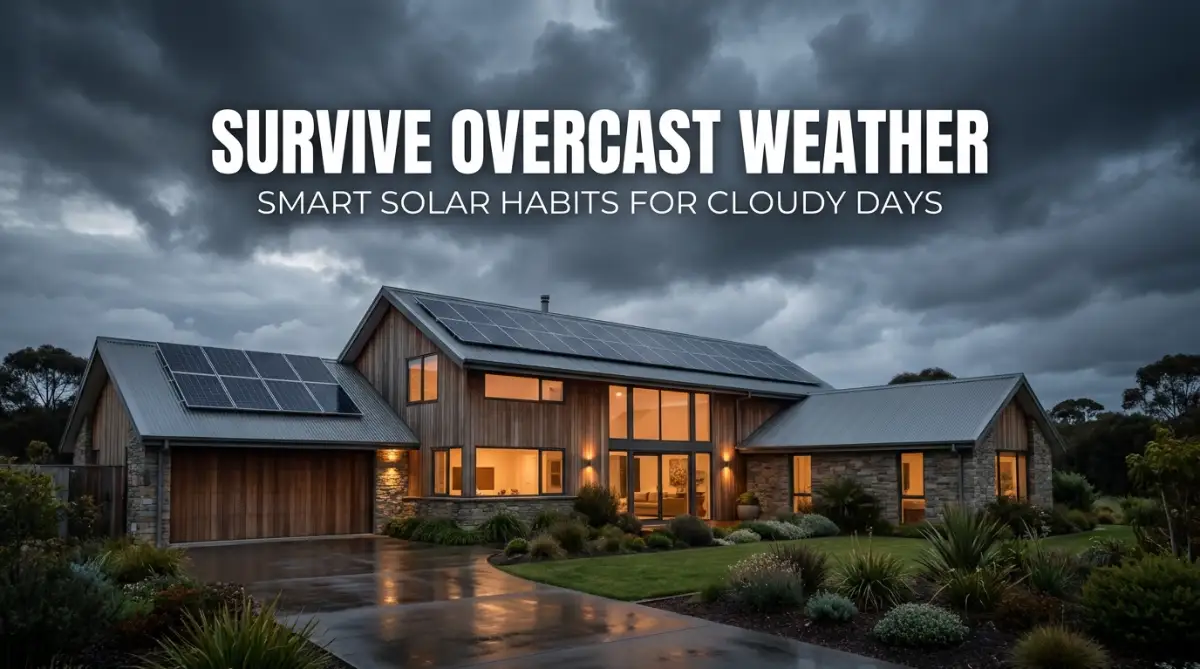
Got a weather alert for a week of gloomy skies and instantly panicked about your home solar setup? You are definitely not the only one. When you drop serious cash on rooftop panels, watching thick grey clouds roll in can make you feel like your money is just sitting there doing zero work. But before you start stressing over next month's utility bill, let's look at what is actually happening up on your roof when the sun decides to hide.
My heart completely sank as I looked up at the sky. I constantly checked my energy app, terrified that my expensive new system was just sitting up there doing absolutely nothing.
The fear of getting a massive utility bill at the end of the month started to keep me awake at night. I genuinely thought I had made a terrible financial mistake.
This is exactly what thousands of homeowners feel when the weather turns bad. You invest your hard-earned money into a solar setup, expecting brilliant sunshine every single day.
When those extended periods of gloomy weather hit, the anxiety is incredibly real. You start watching every light switch in the house, yelling at your kids to turn off the television.
The peace of mind you thought you were buying completely vanishes under a blanket of dark clouds. People naturally assume that without direct, blinding sunlight, their homes are going to pull expensive grid power all day long.
In a Rush? Here Are the Key Takeaways:
- Clouds don't stop solar power; panels use scattered "diffuse light" to keep your home running.
- Microinverters and black monocrystalline panels are your best friends during heavy storms.
- Rain is a free cleaning service that boosts your system's efficiency for the next sunny day.
- Shift your heavy electrical chores (like laundry) to bright days to easily survive cloudy weeks without a huge bill.
Breaking Down the Cloud Cover Illusion
We need to clear up exactly how light interacts with your system when the sky turns grey. Most people believe that solar technology works like a light switch.
This is simply not how modern technology operates. To understand what is really happening on your roof, we have to look at the science of daylight itself.
The Sunburn Effect: How Light Sneaks Through
Have you ever gone to the beach on a completely overcast day and decided not to wear sunscreen? You probably came home with a terrible sunburn later that evening.
This happens because the clouds do not block all the ultraviolet rays from reaching the surface of the earth. In a very similar way, clouds do not stop all visible light from hitting your roof.
Solar cells do not need perfectly clear skies and direct heat to do their job. They rely on the visible light spectrum to generate electricity for your home.
Even when the sky looks incredibly dark to human eyes, a massive amount of solar radiation is still pushing through the atmosphere. Your panels are highly sensitive and actively capture this hidden light.
Diffuse Light: The Unsung Hero of Clean Energy
When sunlight hits a thick layer of clouds, the light particles scatter in every single direction. This scattered energy is called diffuse light.
Instead of hitting your roof in one straight beam, the light acts like a glowing blanket that covers the entire sky. Modern photovoltaic cells are specifically designed to absorb this scattered energy.
They pull in light from different angles, not just straight above. This means your system is quietly generating a steady flow of electricity even when there are no shadows on the ground.
While the total output drops compared to a perfect summer afternoon, it never drops to zero. You are still producing meaningful power to run your refrigerator, lights, and internet router.
Quick Look: Myth vs. Fact on Cloudy Days
- The Myth: Solar panels go completely to sleep when it gets cloudy.
- The Fact: Panels capture "diffuse light" (scattered sunlight). You can still expect them to operate at about 10% to 25% of their normal capacity depending on how thick the clouds are.
Why Temperature Actually Matters More
Here is a strange fact that most salespeople never bother to explain. Solar systems actually hate extremely hot weather.
When the temperature on your roof gets too high, the electronic components inside the cells become less efficient. The energy production naturally drops on those boiling hot summer days.
Cloudy weather usually brings cooler temperatures along with it. Because the panels are sitting in a cooler environment, they operate at a much higher level of efficiency.
They might be getting less direct light, but they are processing the light they do get much better. This temperature drop helps balance out the loss of direct sunshine.
Tech Talk: What Actually Happens Inside the Gear?
Not all solar equipment reacts to bad weather in the same way. The specific hardware you have on your roof plays a massive role in how much energy you save during a storm.
Older technology used to struggle terribly when the clouds rolled in. However, the systems installed on modern homes are incredibly smart and adaptable.
Monocrystalline Champions in the Gloom
If you look at your roof, your panels likely have a very dark, almost solid black appearance. These are called monocrystalline panels, and they are the absolute best at handling low-light situations.
They are made from a single, pure silicon crystal. This high purity allows the electrons inside the cell to move much more freely.
When diffuse light from a cloudy sky hits these premium cells, they catch and convert that weak light incredibly well. Polycrystalline panels, which look a bit blue and shattered, do not perform quite as strongly in the gloom.
Investing in the black monocrystalline option is the safest way to protect your home against long periods of bad weather. They act like a sponge, soaking up whatever faint light is available.
Panel Match-Up: Which works best in the gloom?
The Brains of the Operation: Microinverters
Your panels only collect the raw energy, but they cannot send it directly to your television. That raw direct current must be changed into alternating current by an inverter.
Watch This Expert Breakdown on Inverter Technology
Understanding how your inverter handles cloudy weather will instantly cure your bad weather anxiety. This quick video explains exactly how power flows from your roof to your living room when the sun hides.
In older setups, a single string inverter controlled the entire roof. If a heavy cloud shaded one corner of your house, the whole system dropped its power output completely.
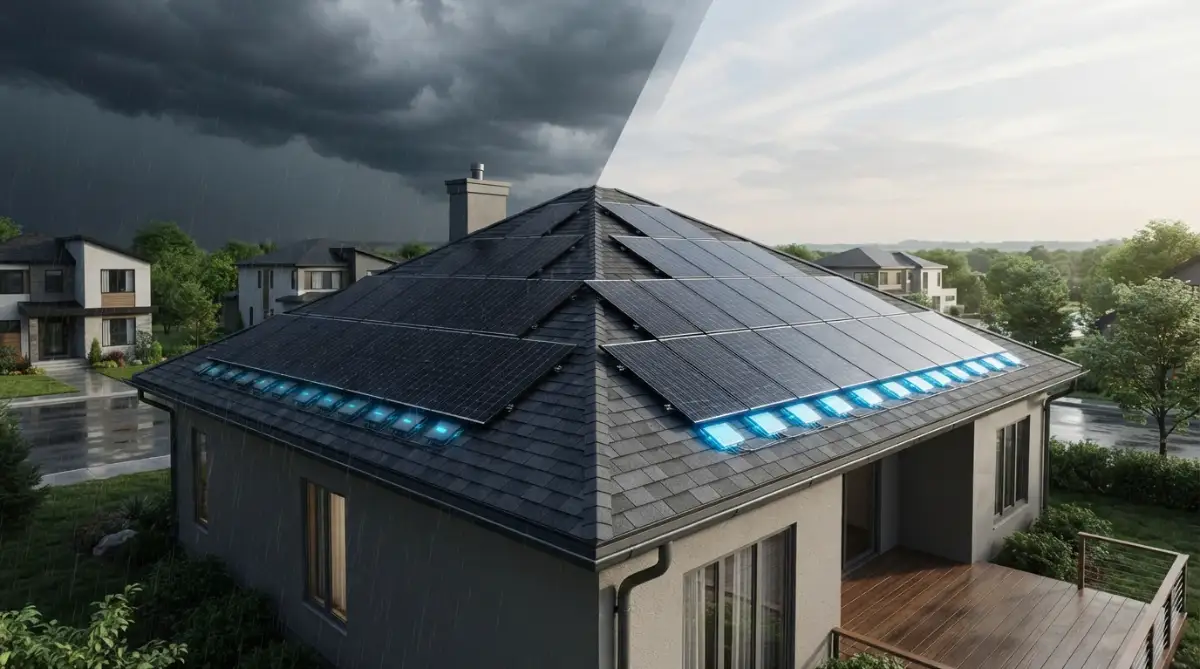
Today, most quality installations use microinverters attached to the back of every single panel. This completely changes the game during variable weather conditions.
If a dark storm cloud passes over the left side of your roof, the right side keeps pumping out maximum power. The system works independently, squeezing every possible drop of energy out of a gloomy afternoon.
Rethinking Extended Bad Weather Scenarios
However, you have to look at your energy production from a monthly perspective, not an hourly one. Utility companies calculate your bill based on long-term averages.
The Edge-of-Cloud Phenomenon
There is a very cool weather event that actually gives you free bonus energy. When a thick cloud begins to move away from the sun, the bright light reflects off the bright white edges of the cloud.
This reflection creates an intense magnifying glass effect directly onto your roof. For a brief period, your system will actually produce significantly more power than it would on a perfectly clear day.
These massive spikes in energy generation happen frequently during days with broken cloud cover. These spikes help cover the losses you experience when the darker clouds pass over.
Rain is Actually Your Best Friend
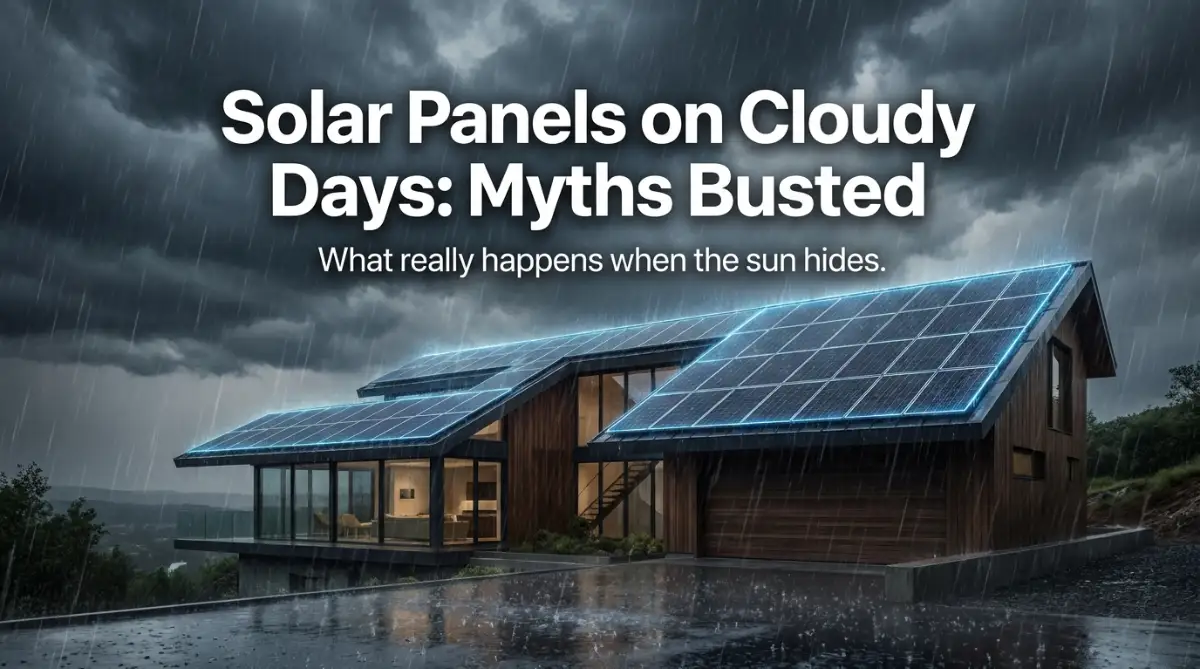
We always assume rain is the ultimate enemy of solar power. In reality, a good heavy rainstorm is one of the best things that can happen to your investment.
Over time, thick layers of dust, pollen, and bird droppings build up on the glass surface of your roof. This layer of dirt physically blocks sunlight from reaching the cells.
If you live near a busy road, exhaust soot can easily cut your energy production by a significant amount. A heavy downpour acts as a free, natural cleaning service for your entire system.
When the clouds finally break and the sun comes back out, your freshly washed glass will operate at absolute peak performance. The small dip in energy during the rainstorm is totally worth the massive boost in efficiency you get afterward.
I used to climb up on a ladder with a squeegee to clean my panels before I realized I was just wasting my weekend. My Pro Tip for you: completely ignore the dust buildup during dry months, because the next big rainstorm will do a much better job cleaning them than you ever could, entirely for free.
Protecting Your Home from Energy Drops
Even with advanced technology, you will naturally pull less power on a very dark day. The secret to keeping your utility bill at zero is learning how to manage your home during these dips.
You do not have to sit in the dark or turn off the heating. You just need to be slightly more strategic about how you consume electricity.
Smart Consumption During Overcast Days
Think about the heavy appliances in your house that drain massive amounts of power. Your electric dryer, your dishwasher, and your pool pump are the biggest culprits.
If you see a week of heavy storms on the weather forecast, simply adjust your chores. Run your heavy laundry loads on Sunday when the sun is bright and power is overflowing.
Hold off on running the dishwasher until the clouds begin to break. By shifting your heavy energy loads to the sunny days, you easily survive the cloudy days using very minimal grid power.
You let the diffuse light cover your basic needs like the refrigerator, internet, and indoor lighting. This simple habit completely eliminates the financial stress of bad weather.
Creating Your Own Sunshine with Batteries
If you truly want to beat the weather, you have to store your sunny days in a box. Adding a solar battery to your garage completely changes how you interact with the climate.
During a bright afternoon, your roof easily produces way more electricity than your home can actually use. Instead of sending that precious energy back to the electric company, a battery captures it for you.
When the three-day rainstorm hits, your house simply ignores the sky. You start pulling that stored sunshine directly from the battery pack on your wall.
Even on heavily overcast days, the small amount of diffuse light you collect trickles down to slowly refill the battery. It creates a beautiful, self-sustaining loop that protects you from weather fluctuations.
Separating Shading from Cloud Cover
Many people confuse the impact of clouds with the impact of physical shading. These are two completely different problems that require completely different expectations.
A cloud is a massive, high-altitude water vapor formation that diffuses light evenly across your entire neighborhood. Physical shade comes from a giant oak tree in your front yard or your neighbor's chimney.
A Tree is Not a Cloud
When a tree branch blocks the sun, it creates a hard, dense shadow over a specific section of your roof. Hard shadows completely block all forms of light, including diffuse light.
If your panels are covered by a thick layer of autumn leaves, they will stop producing power entirely. Clouds, no matter how dark they look, never block one hundred percent of the light.
If you are noticing a massive, unacceptable drop in your energy production, do not automatically blame the weather forecast. Go outside and look for physical obstructions sitting directly on the glass.
Keeping your roof clear of branches and heavy debris ensures that your system is ready to soak up the diffuse light when the gloomy weather inevitably arrives.
Understanding the real science behind weather and energy completely changes your perspective. You stop worrying about every grey cloud and start trusting the incredibly resilient technology attached to your home.
Pushing Your System Beyond the Grey Skies
Once you realize that your roof is still collecting power during a rainstorm, you need to change your daily strategy. You can actually optimize how your house behaves to maximize that lower energy input.
Most homeowners just cross their fingers and hope for the darkest clouds to pass quickly. We want to be much more proactive and intelligent than that.
Managing your home energy budget efficiently is surprisingly similar to the effort it takes to bootstrap your first business from scratch. You have limited resources on a gloomy day, so you have to decide exactly where every single watt of power goes.
There are several advanced habits you can start practicing right now to keep your utility bills near zero. These small daily adjustments will make a massive difference in your long-term savings.
Stop Staring at the Live Data
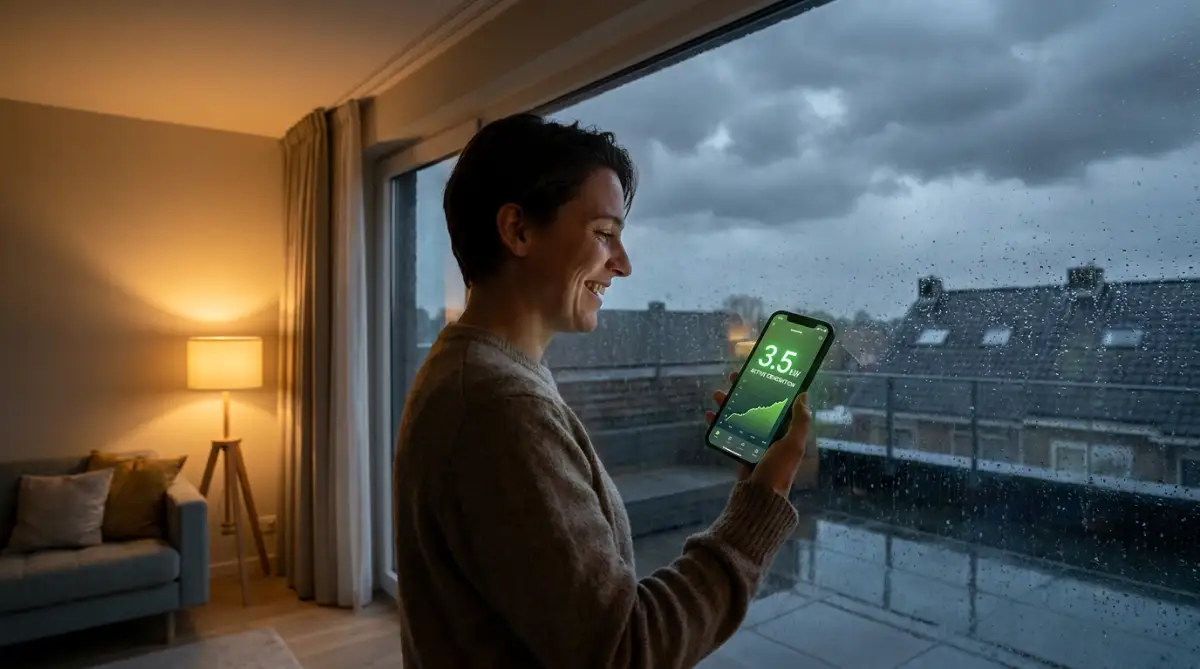
When you get your new monitoring app installed on your phone, checking the live energy production becomes highly addictive. I used to open my phone twenty times a day just to watch the numbers bounce up and down.
This is a terrible habit that will only destroy your peace of mind. Live production numbers look incredibly scary during a dark afternoon thunderstorm.
The numbers drop aggressively, making you feel like your entire investment is failing right in front of you. Instead of looking at live data, you must train yourself to only look at your weekly and monthly averages.
Your monthly total will always average out beautifully because the intensely sunny days easily cover the rainy days. Relying on understanding residential solar energy systems fully means accepting that weather works in cycles, not straight lines.
Master the Art of Load Shifting
Load shifting is a fancy term for a very simple concept that saves you hundreds of dollars. It basically means forcing your heavy electrical chores into the time windows where you have the most free power available.
If you see a full week of grey skies on the local weather forecast, you need to act immediately. Do not wait until the dark weather arrives to wash your heavy blankets and run the electric oven for three hours.
Push all those heavy household tasks to the clearest, brightest day of the week. By the time the gloomy weather settles in, your house should be quietly resting and pulling very low baseline power.
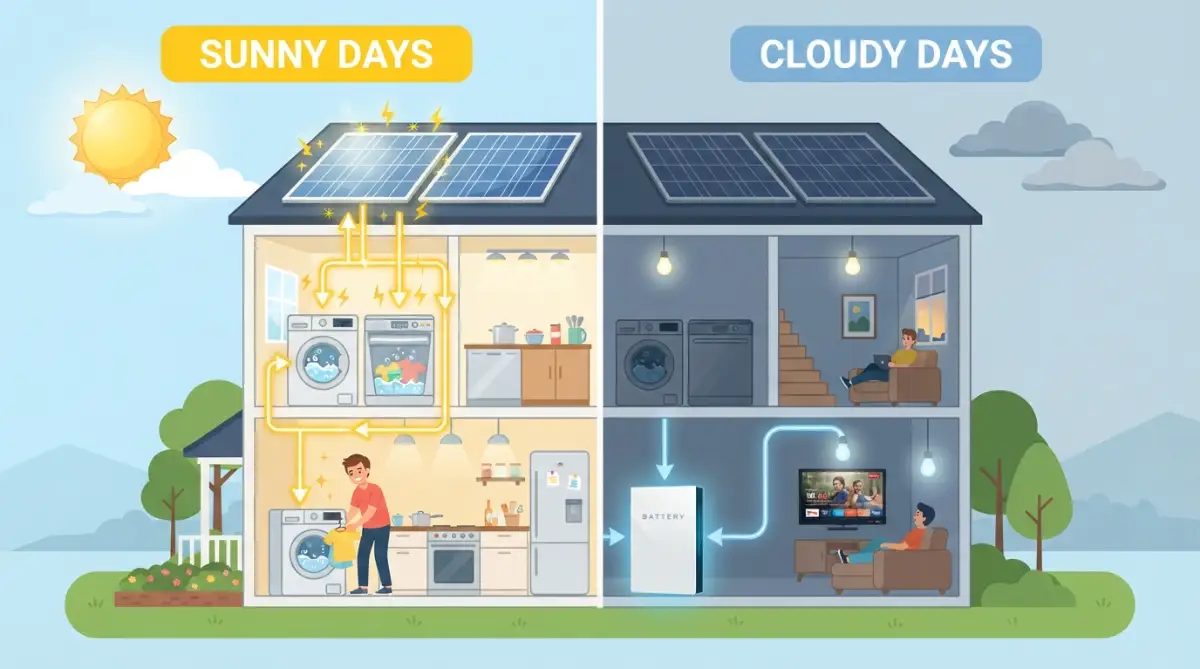
According to advanced research from the National Renewable Energy Laboratory, intelligently shifting your electrical load is the absolute best way to maximize renewable technology. It completely removes the stress of living under a dark, overcast sky.
Program Your Smart Thermostat Correctly
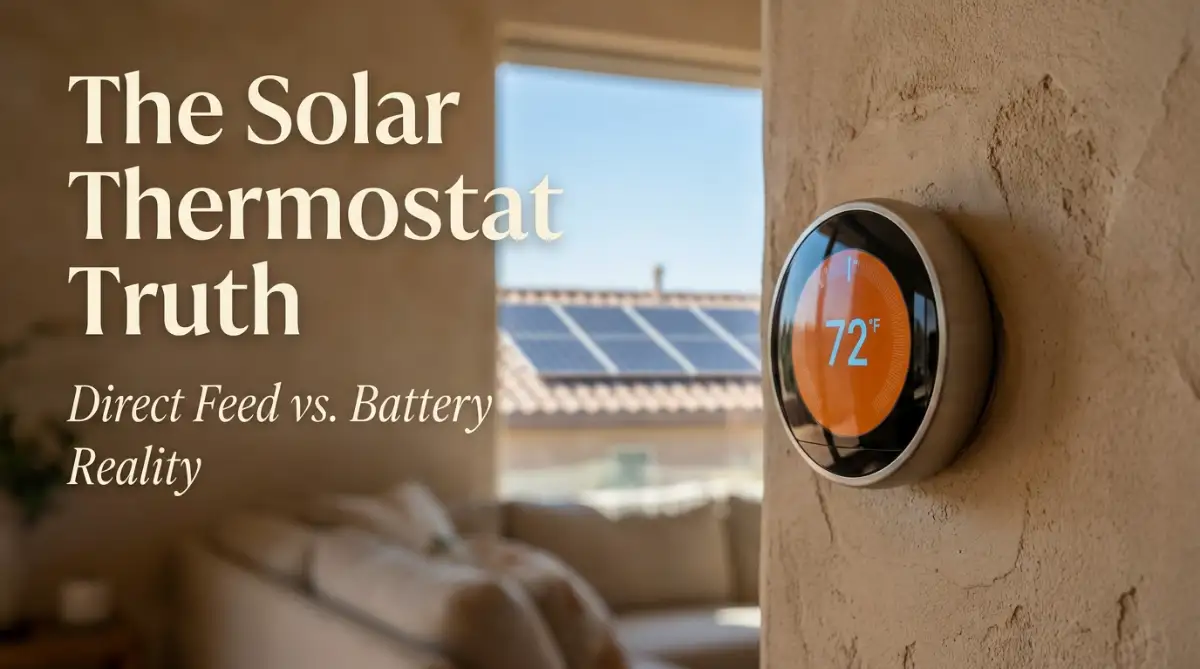
Heating and cooling usually consume more electricity than anything else in your entire house. If your smart thermostat is fighting the weather blindly, it will drain your battery reserve in a matter of hours.
Many people set up their home automation apps incorrectly and forget about them completely. This creates huge energy waste, much like why your prompt engineering fails when you try to get good results from complicated computer software.
You need to tell your thermostat exactly what to do when the power production drops. On heavily overcast days, try bumping your indoor temperature up or down by just two degrees to save a massive amount of electricity.
You can also pre-cool or pre-heat your house heavily during the sunny afternoon before the storm clouds actually roll in. Your house will act like a giant thermal battery, staying comfortable for hours without pulling any heavy power during the storm.
Let the Grid Work as Your Backup Bank
Many people completely misunderstand how their relationship with the utility company works. They think pulling power from the grid on a rainy day is a massive failure on their part.
In reality, most modern setups use a policy called net metering to balance your account automatically. The Solar Energy Industries Association explains that net metering essentially turns the public electrical grid into a massive, free storage battery for your home.
During brilliant summer days, your roof produces way more electricity than you can ever use. You send that extra power back into the neighborhood grid, and the utility company gives you financial credits for it.
When the winter storms arrive and your roof struggles to keep up, you simply spend those saved credits. You are not losing money during the bad weather; you are just spending the free sunshine you banked three months ago.
Beware of Dynamic Grid Pricing Traps
Some utility companies charge you completely different rates depending on what time of day you use the power. This is called time-of-use pricing, and it can catch you completely off guard if you are not careful.
They often spike the price of electricity right around dinnertime when everyone in the neighborhood comes home and turns on their lights. The sudden jump in costs feels exactly like the frustration of why flight prices jump when you look twice on a travel booking website.
If a dark storm rolls in exactly during these expensive peak hours, your house will start buying very costly electricity from the grid. To beat this unfair system, you must program your battery backup system to deploy its stored energy specifically during these peak price windows.
By pushing your battery to cover the dinner hour, you completely block the utility company from charging you their premium surge rates. You let the system charge back up the next morning when the grid electricity is extremely cheap and the sun peeks through the clouds.
The Trap of Panic: Behaviors That Cost You Money
We all make silly mistakes when we feel anxious about our hard-earned investments. Falling for bad advice about your roof is exactly like believing common auto policy myths that secretly ruin accident claims right when you need protection the most.
Instead of letting the technology do its job, homeowners try to interfere and end up causing major problems. I want to walk you through the most dangerous emotional traps that happen when the sky turns dark.
If you can avoid these stressful mistakes, your journey into clean energy will be incredibly smooth and highly profitable.
Constantly Resetting the Inverter System
For some strange reason, people think their equipment is broken when the energy production drops on a gloomy afternoon. They run outside in the rain and start flipping the breaker switches off and on to reset the system.
They treat their highly advanced inverter exactly like a frozen internet router that needs a quick reboot. This is a remarkably bad idea that can actually scramble your data collection software.
Your inverter is a highly intelligent computer that perfectly understands the weather outside is terrible. It intentionally lowers its activity to match the low light safely and efficiently.
Every time you manually kill the power, you force the system to completely restart its grid synchronization process. Just leave the heavy switches alone and let the internal computer manage the low-light environment naturally.
Falling for the Complete Off-Grid Fantasy
We all love the romantic idea of entirely disconnecting our homes from the local utility grid. You want to cut the wires, never pay a monthly fee again, and live completely independently.
While this sounds amazing in theory, it is a massive financial mistake for an average suburban home. Staying loosely connected to the grid is your absolute best safety net during extended bad weather.
If you completely disconnect, you have to buy an absolutely massive, highly expensive battery bank just to survive a bad week of rain. You end up spending triple the money on batteries just to prepare for a few bad weather events.
The smartest financial move is to let your moderate battery system handle the overnight hours while using the public grid as your emergency backup. Visit Global24Info for more insights into managing your everyday financial safety nets effectively.
Ignoring the Hidden Phantom Drains
When you are trying to survive a three-day thunderstorm on battery power, every single watt matters. The biggest threat inside your house is not the television or the refrigerator.
The real enemy is the silent phantom power draining out of all your plugged-in devices. Your coffee maker, your microwave clock, and your sleeping gaming console are constantly pulling electricity twenty-four hours a day.
We rarely think about this hidden drain because it seems so small and harmless. However, when you add up thirty different electronic devices pulling standby power, it creates a massive leak in your energy bucket.
Walk around your house and physically unplug the guest room television, the extra chargers, and the kitchen gadgets you rarely use. Plugging these hidden leaks will give your battery system a huge advantage during long stretches of bad weather.
Treating Shade the Same as Cloud Cover
I see this massive mistake in my neighborhood all the time. People assume that because their system handles a cloudy sky so well, it can also easily handle the shadow from a giant oak tree.
These two types of shade act completely differently on the microscopic level of the glass cells. The Department of Energy clearly shows that diffuse sunlight from overcast skies still excites the entire panel surface evenly.
A physical tree branch or a neighbor's chimney creates a hard, dense shadow over just a few specific cells. This hard block completely chokes the electrical flow in that specific area of the roof.
You must proactively trim back the heavy branches around your property before the wet season begins. If you let physical shadows cover your roof, your system will completely fail when the gloomy weather finally arrives to diffuse the remaining light.
Your Master Plan for Weatherproof Peace of Mind
Getting frustrated about bad weather is completely normal, but it is ultimately a waste of your valuable time. The technology sitting on your roof right now is infinitely smarter and more resilient than the setups built just a decade ago.
You do not need perfect, blinding sunshine to keep your house running smoothly and your bills extremely low. You just need a solid understanding of how scattered light naturally pushes through the atmosphere.
Stop checking your daily energy application with a sense of dread when the sky turns dark. Start looking at your home as an entire interactive ecosystem that balances itself perfectly over an entire month.
When you shift your heavy laundry loads to sunny days and let the grid act as your backup battery, the weather stops controlling your life. You take all the power back into your own hands.
I used to lose sleep worrying about massive utility bills every single time a storm rolled into town. My absolute best advice for you is to simply trust your high-quality equipment, let the rain wash your panels clean, and enjoy the cozy afternoon indoors without financial fear.
The Cloud Cover Truth: Things Homeowners Still Ask
Will my setup ever actively drain electricity from my house?
No, the equipment is designed specifically to prevent any reverse power flow from happening. When it gets incredibly dark outside at night, the panels completely shut down and sleep. They simply stop producing energy, but they will never steal electricity backward from your home or your batteries.
Should I buy a noisy gas generator for bad weather weeks?
If you already stay connected to the public utility grid, a gas generator is usually a complete waste of your money. Your home will just seamlessly pull whatever extra power it needs from the public lines during a dark week. You only really need a gas backup if you live totally off-grid in the deep woods.
Does cold and cloudy winter weather damage my battery pack?
Your home battery bank is almost always installed inside a temperature-controlled garage or basement to keep it safe. Even if it is freezing and dark outside, the internal battery chemistry stays warm and highly active. The equipment naturally protects itself from extreme winter cold without you doing anything.
How do I accurately read my inverter screen during a thunderstorm?
You should completely ignore the live, up-to-the-second wattage numbers flashing on the screen. Look directly for the data point labeled "Daily Yield" or "Total Generated Today". This number will prove to you that your system has been quietly harvesting power all day, even if the current live output looks tiny.
Can moonlight actually generate any usable power at night?
While the glass cells are highly sensitive to weak light, moonlight is simply a reflection and is far too weak. It will not push enough energy to even turn on the internal electronics of the inverter. You will not see any measurable power generation until the sun physically begins to rise the next morning.
Disclaimer: The information provided in this article is for general educational and informational purposes only and does not constitute professional electrical or financial advice. Always consult with a certified local solar installer or licensed electrician before making any physical modifications or financial decisions regarding your home energy setup.