The Sudden Shock of a High Electricity Bill
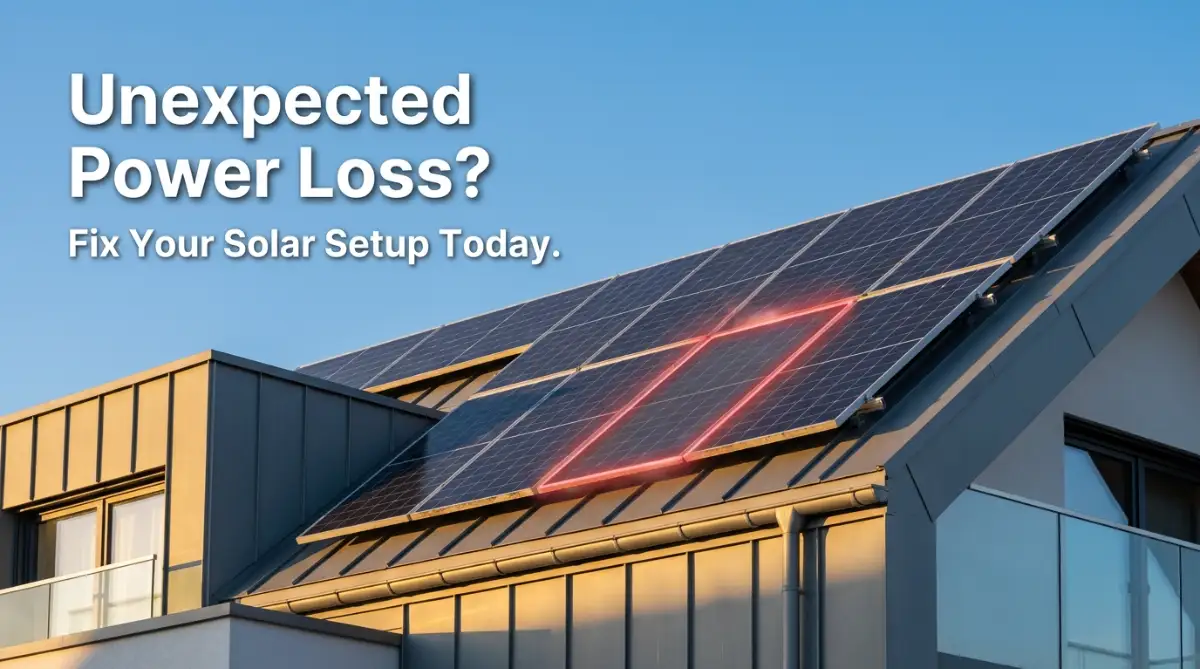
Staring at a massive power bill when you have expensive solar panels on your roof feels like a bad joke. You spent good money to go off the grid, but suddenly you are paying just as much as before. Instead of panicking and thinking your whole system is broken, let's look at why your solar setup stopped pulling its weight. Most of the time, the fix is much easier than you think, and you can get your free electricity flowing again today.
But suddenly, the bill in my hands showed a massive spike in electricity usage from the main grid. I honestly thought it was a billing mistake at first. How could my solar system just stop producing enough power without giving me any warning?
My mind started racing with all sorts of terrible thoughts. Did the panels break? Did I spend all my savings on a system that only worked for a short time? I felt a deep sense of frustration and anxiety creeping in.
I started constantly checking the digital meter on the side of my house, hoping to see the numbers go backward like they used to. Every time the air conditioner kicked on, I found myself holding my breath, worried about how much money it was costing me. The mental peace I had gained from going solar completely vanished overnight.
Instead of enjoying the comfort of my home, I became obsessed with tracking watts and voltage. I spent hours reading complicated manuals that felt like they were written in a different language.
Quick Takeaways to Fix Your Solar Drop:
- Check your panels for dust, sticky pollen, or bird droppings that block sunlight.
- Make sure extreme summer heat isn't trapped under your panels—they need airflow to stay cool.
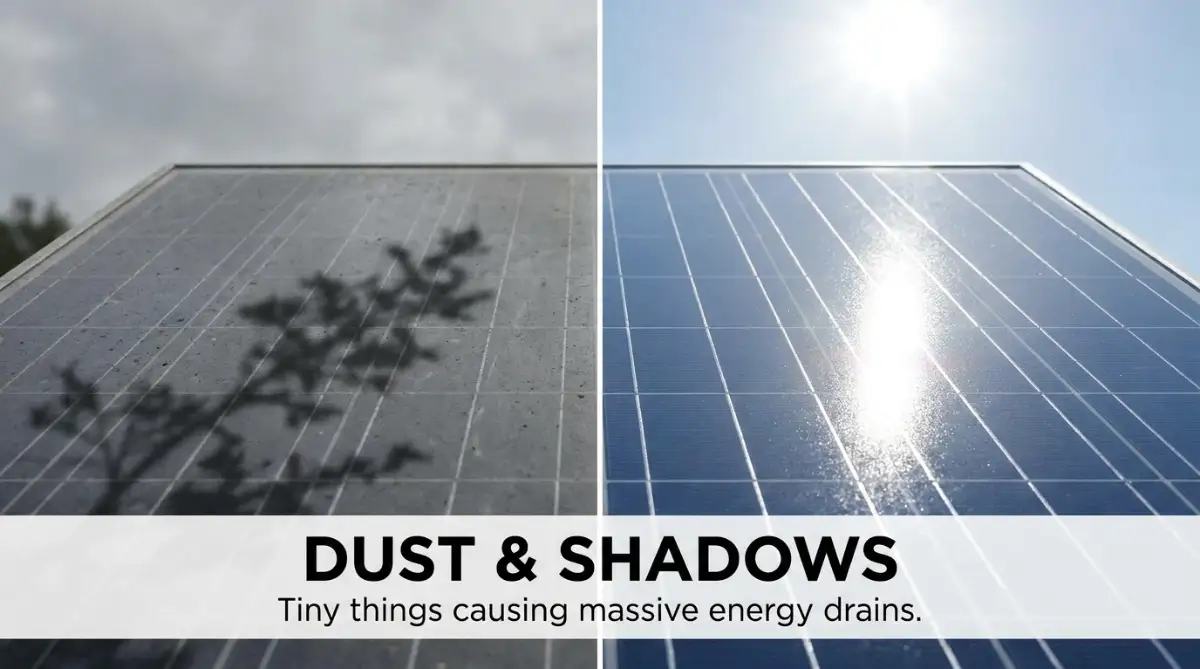
- Watch out for tiny shadows (micro-shading) from growing tree branches or chimneys.
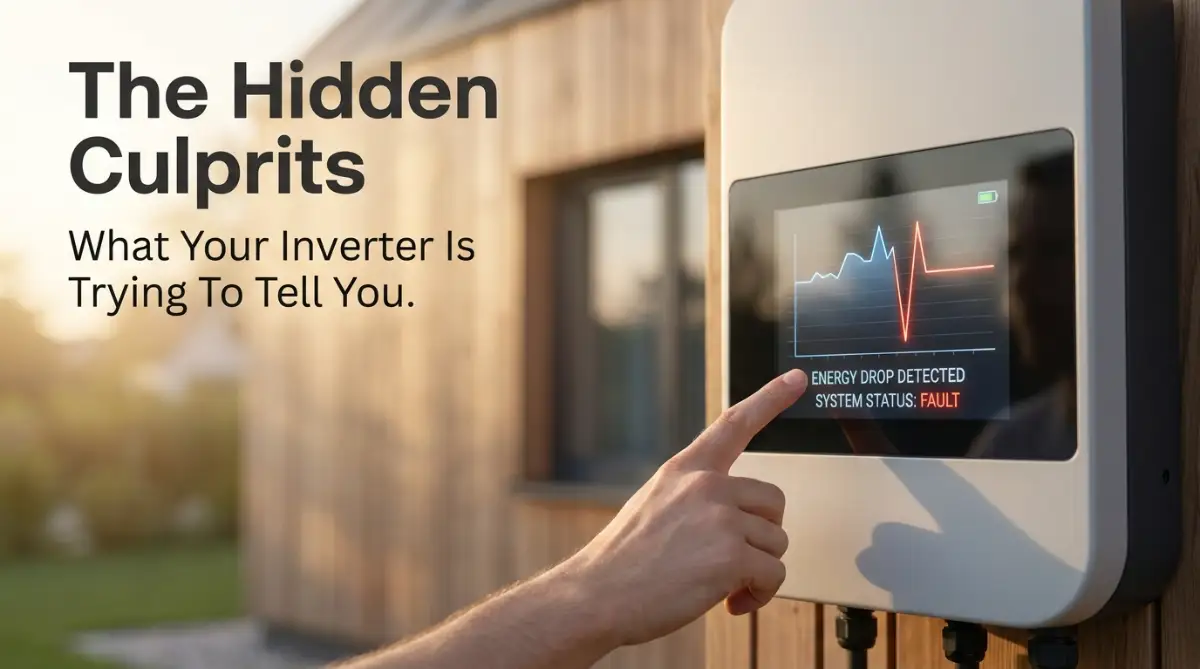
- Look at your inverter screen weekly to catch red warning lights or error codes fast.
What Causes Your Solar Setup to Drain Energy?
It is incredibly stressful when things do not work the way they should. You might be looking up at your roof right now, wondering what exactly is going wrong up there. The good news is that most of these power drop problems are very common and entirely fixable.
Let us explore the everyday things that slowly steal your energy production. I want to share the practical, science-backed reasons behind this power loss so you can take control of your system again. You will not need an engineering degree to understand this.
The Invisible Dirt Barrier Stopping the Sun
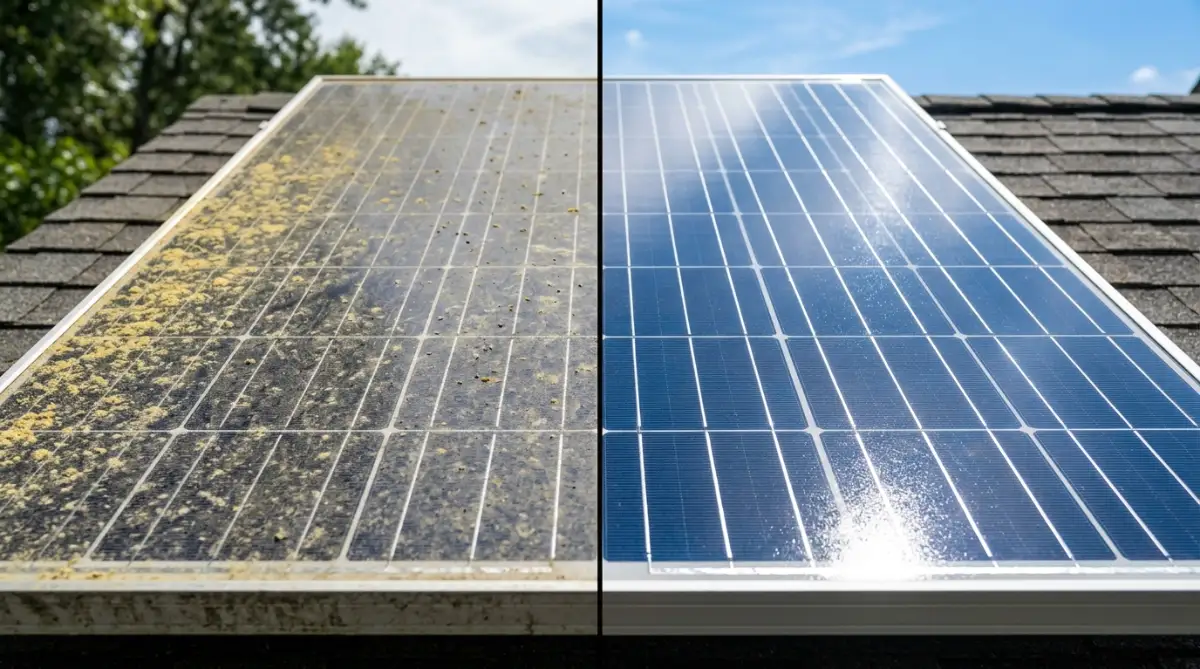
Think of your solar panels like the windshield of your car. If you drive for a month without washing your car, a thick layer of dust, bugs, and grime builds up on the glass. When the sun shines on that dirty windshield, the light scatters, and it becomes very hard to see clearly.
Your solar panels work exactly the same way. The dark blue or black photovoltaic cells need direct, clear sunlight to excite the electrons and create a flow of electricity. If there is a barrier between the sun and the cells, your power production takes a massive hit.
You might think a little dust is not a big deal. However, studies show that heavy dust accumulation can reduce your solar energy output by up to 20 percent. If you live near a busy road, fine black soot from car exhaust acts like a dark blanket over your panels.
If you live in a rural area, pollen from nearby trees can create a sticky yellow film that rain simply cannot wash away. And then, there is the most stubborn problem of all: bird droppings.
Bird droppings are highly acidic and completely block the sun from reaching the specific cells they cover. Because solar cells are wired together in a series, a heavy stain on just one cell can drag down the performance of the entire panel.
The fix is straightforward but requires some care. Do not use harsh chemicals or rough brushes to clean your panels, because scratching the glass will permanently ruin their efficiency. Use a soft sponge, mild soap, and a hose with normal water pressure to gently wash away the grime.
My 3-Step Safe Cleaning Checklist:
- Time it right: Only wash your panels early in the morning or late evening. Hitting hot glass with cold hose water can crack it instantly.
- Skip the soap: Regular dish soap leaves a sticky film that actually attracts more dust. Stick to plain water.
- Soft touch only: If you use a tool, use a squeegee with a soft microfiber cloth. Never use a hard bristle brush.
The Strange Science of Extreme Heat
Here is one of the most surprising things you will ever learn about your rooftop solar setup. Solar panels actually hate hot weather. I know this sounds completely backward because we associate solar power with bright, hot summer days.
While solar panels definitely need the bright light from the sun, they do not like the physical heat. Like all electronic devices, solar panels operate best at a moderate temperature. Think about your smartphone. If you leave your phone sitting in direct sunlight on a hot day, it overheats, becomes sluggish, and eventually shuts down to protect itself.
Solar panels suffer from a similar condition known as the temperature coefficient. For every degree the temperature rises above a certain point (usually around 25 degrees Celsius), the panel's ability to generate electricity drops by a specific percentage.
On a blistering hot afternoon, the dark surface of your rooftop solar setup can reach temperatures that are extremely high. The heat causes the electrons inside the solar cells to bounce around too much, making it harder for the internal circuit to capture them efficiently.
This means that a bright, freezing cold winter day can actually be more efficient for power generation than a blazing hot summer afternoon. You cannot control the weather, but you can control how your system is installed.
A good solar setup should have a few inches of open space between the roof shingles and the bottom of the panels. This gap allows cool air to flow underneath the system, acting like a natural air conditioner. If your panels are mounted completely flush against the roof, they might be trapping heat and losing power.
Micro-Shading: The Tiny Enemy
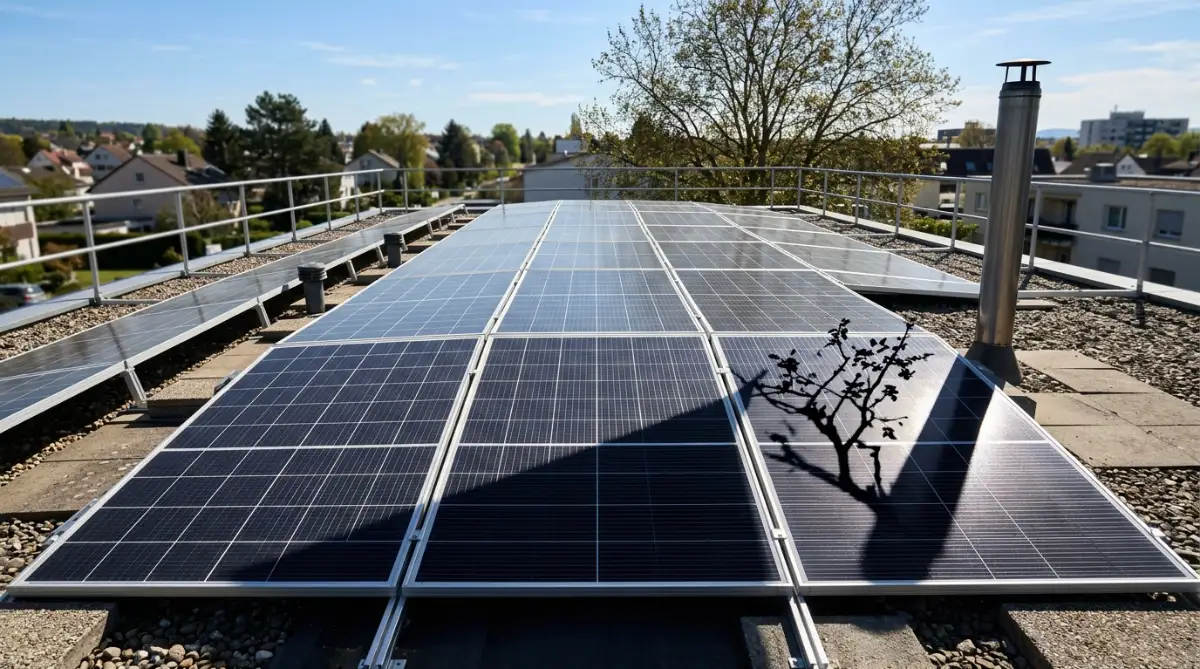
We all know that big shadows from a tall building will stop solar panels from working. But most people completely ignore the concept of micro-shading. Micro-shading happens when a very small, seemingly harmless object casts a dark line across your panels.
It could be a single branch from a growing tree, a neighbor's chimney, or even a television antenna installed too close to the array. Why does a tiny shadow matter so much? To understand this, you need to picture your solar panels as a garden hose.
If you have water flowing through a garden hose and you step firmly on one small section of the pipe, the water stops flowing completely. You did not block the whole hose, just one tiny part of it, but the end result is zero water pressure.
Many older or standard solar panels are wired in a traditional series circuit. If a tiny shadow from a vent pipe falls across just one cell in the bottom corner of a panel, it creates a massive traffic jam for the electricity. The power output of the entire string of panels will drop to match the lowest performing shaded cell.
Here is a Pro Tip from my own experience: I spent weeks trying to figure out why my system lost power every day at exactly 3:00 PM. It turned out that a small branch on a nearby oak tree had grown just enough over the summer to cast a thin shadow right across the middle of my setup. Trimming that one single branch instantly brought my power generation back to normal.
If you are dealing with shading issues that you cannot physically remove, you might need to upgrade the technology behind the panels. Micro-inverters or power optimizers can be attached to each individual panel. These clever devices allow every single panel to work independently, so one shaded panel does not drag the rest of the system down.
Quick Look: How Shading Affects Different Solar Setups
| Setup Type | What Happens When 1 Panel is Shaded? | The Best Fix |
| :--- | :--- | :--- |
| String Inverter (Older setup) | The power of every single panel drops down to match the shaded one. | Trim trees or clean the blocked area immediately. |
| Micro-inverter (Modern setup) | Only the shaded panel loses power. The rest work perfectly at 100%. | Mostly fine, but check your monitoring app weekly. |
Understanding Inverter Glitches
Is your inverter trying to tell you something important? Watch this quick video to learn how to read the hidden warning signs on your solar monitor.
Your solar panels collect the raw energy from the sun, but they produce Direct Current (DC) power. Your home appliances run on Alternating Current (AC) power. The brain of your entire rooftop solar setup is the inverter, which converts that raw DC power into usable AC power.
If your panels are the heart pumping the blood, the inverter is the brain controlling the flow. Because the inverter is constantly working and handling massive amounts of electricity, it is usually the first piece of equipment to experience trouble.
Sometimes, the inverter simply gets confused and needs a hard reset, just like a frozen computer router. Other times, the inverter might display a flashing red fault light or an error code on the digital screen.
Many homeowners never look at their inverter box once it is installed. It usually sits in a dark garage or on the side of the house. Make it a habit to check the screen on your inverter at least once a week during bright daylight hours.
If the screen is completely blank on a sunny day, or if you see an error code that looks like a random string of numbers, your system is not sending any power to your house. You will need to check the manual to decode the error, or call a professional to run a diagnostic test.
The Hidden Dangers of Loose Wiring
Your rooftop solar setup is exposed to high winds, heavy rain, and constant temperature changes. During the day, the metal and plastic components heat up and expand. At night, they cool down and shrink.
This daily cycle of expanding and shrinking can actually loosen the electrical connections and wiring over time. If a wire connecting two panels becomes slightly loose, it creates a point of high electrical resistance.
This resistance acts like a bottleneck, restricting the flow of the power you are generating. Even worse, loose connections can create small electrical arcs, which are serious fire hazards.
If you live in an area with a lot of squirrels, mice, or birds, you might have another unique wiring problem. Animals love to build nests under the warm solar panels to hide from predators. While they are under there, they often chew on the protective coating of the electrical wires.
Exposed wires will quickly short out the system and cause an unexpected loss of power. You can prevent this by installing a special wire mesh guard around the outer edges of your solar array. This barrier keeps the animals out while still allowing the cooling air to flow underneath.
Myth vs Reality: Solar Maintenance
There is a lot of bad advice floating around the internet about how to maintain your solar energy system. Let us clear up some of the most common misunderstandings so you do not make a costly mistake.
As you can see, taking care of a rooftop solar setup requires a little bit of ongoing attention. You do not need to be on your roof every weekend, but simply ignoring the system for years will definitely lead to a loss of power and money.
Aging Equipment and Degradation
We also have to talk about the natural aging process of your equipment. Nothing lasts forever, and solar panels are no exception.
The microscopic silicon cells inside your panels slowly degrade over time due to constant exposure to ultraviolet rays and harsh weather. This process is called natural degradation. Most high-quality panels lose about half a percent of their efficiency every single year.
This means that a system that is ten years old will naturally produce slightly less power than a system that was installed yesterday. This slow drop is completely normal and expected.
However, if your system is fairly new and you see a massive 30 percent drop in power over a single month, that is not natural degradation. That is a clear sign of a physical problem, like a broken bypass diode or a failing inverter.
You can easily track these changes by using the smart app that came with your inverter. Look at your energy production graph from exactly one year ago today. If the weather conditions are similar, but your current power output is much lower, it is time to start investigating the issues we discussed.
When to Call in the Professionals
While cleaning the glass and trimming a tree branch are easy DIY tasks, you must be extremely careful with the electrical side of things. Your solar system generates high voltage DC electricity, which is highly dangerous.
If you notice warning lights on your inverter, or if you suspect that animals have chewed the wiring on your roof, do not try to fix these issues yourself. Poking around live wires without the proper safety gear and training can lead to severe injury.
A certified solar technician has special tools to test the voltage of every single panel independently. They can easily pinpoint exactly which wire is loose or which panel has a burnt-out cell.
Investing a little bit of money in a professional inspection once every few years is the smartest way to protect your massive initial investment. They will give you the peace of mind knowing that your system is operating at absolute peak performance.
Understanding why your system might be losing power is the first major step to taking your energy independence back. By keeping the panels clean, watching out for new shadows, and monitoring your inverter, you can stop the energy drain today.
Master-Level Strategies to Keep Your Solar Power Flowing
Getting your power levels back to normal is a great feeling. But keeping those numbers high for the rest of your life requires a few smart, daily habits. You do not need to become an obsessed energy nerd to manage this.
You just need to understand a few insider secrets that professional installers rarely tell you. The key is to treat your system like a living part of your home, not just a box on the roof. Once you master the basics of understanding residential solar energy systems, these advanced tricks will save you thousands of dollars.
Let us look at the smart ways you can protect your energy independence without losing your mind.
The Five-Minute Sunday Audit Habit
The biggest mistake I see homeowners make is ignoring their solar monitoring app until the electric bill arrives. By the time you see a high bill, you have already lost a full month of free energy. You need to catch power drops the exact moment they happen.
I highly recommend setting a weekly alarm on your phone for a "Sunday Solar Audit." Open your inverter app and look at the energy production graph from the past seven days. You are looking for a smooth, bell-shaped curve on sunny days.
If that beautiful curve suddenly looks like a jagged saw blade, or if it flattens out entirely in the middle of the afternoon, you instantly know something is wrong. Catching a tripped breaker or a software glitch on a Sunday means you can fix it by Monday. You stop the financial leak before it drains your wallet.
Updating Your Inverter's Brain
Many people do not realize that a modern solar inverter is basically a high-powered computer attached to the side of your house. Just like your smartphone or your laptop, this computer runs on internal software called firmware.
Manufacturers constantly release new software updates to help the inverter process electricity better and fix known bugs. If you skip these updates for too long, your inverter might start shutting down randomly or misreading the power coming from the roof.
Check your monitoring app settings to see if "Automatic Updates" is turned on. If your system is older, you might need to connect the inverter to a USB drive or log into a specific web portal to download the newest patch. Keeping the digital brain of your system updated prevents a massive amount of invisible power loss.
Mastering the Seasonal Shade Shift
The sun does not stay in the exact same spot all year round. In the summer, the sun travels very high in the sky, meaning shadows are generally shorter. But during the winter months, the sun sits much lower on the horizon.
This seasonal shift changes everything about how shadows fall on your property. A neighbor's roof that was totally harmless in June might cast a massive, dark shadow directly across your panels in December. You need to walk around your yard twice a year to do a seasonal visual check.
Stand on the south side of your house and look closely at the tree line. Are those branches getting a little too thick? Trimming your trees just before winter sets in is one of the smartest ways to guarantee maximum power when the sun is at its lowest point.
Protecting the Wind Tunnel Effect
Earlier, we talked about how solar panels absolutely hate physical heat. The space between your roof shingles and the bottom of your panels is specifically designed to act as a cooling wind tunnel.
Over time, this narrow gap can become completely blocked by dry leaves, pine needles, or blown trash. When this wind tunnel is blocked, the hot air gets trapped under the glass, cooking your sensitive electrical cells. Experts at the National Renewable Energy Laboratory frequently note that excessive heat buildup is a primary cause of premature panel degradation.
You should carefully inspect the edges of your solar array from the ground using a pair of binoculars. If you see huge piles of leaves stuffed under the metal rails, it is time to gently remove them. A clear airway keeps the system cool and keeps your power production exactly where it should be.
Treat It Like a Real Business Asset
When you spend thousands of dollars on a home improvement project, you have to protect that investment. Imagine if you decided to bootstrap your first business from scratch. You would track every single penny, right?
Your rooftop solar setup is essentially a tiny power plant business operating on your house. It pays you every single day in the form of lower utility bills. Treat those daily energy reports just like a business ledger, and you will never be caught off guard by a sudden drop in power again.
The Most Expensive Solar Mistakes You Can Make
When people see their solar production dropping, panic often sets in. In a desperate rush to fix the problem and get their free electricity back, they make terrible, costly decisions.
I have heard some truly heartbreaking stories from homeowners who accidentally destroyed their entire system while trying to save a few bucks on maintenance. These mistakes do not just cause a temporary drop in power. They can permanently ruin your expensive equipment.
Let us walk through the most dangerous pitfalls you must avoid at all costs.
The Pressure Washer Catastrophe
When you notice a thick layer of dirt dropping your solar output, your first instinct might be to grab the heavy-duty pressure washer from the garage. It seems like a fast and satisfying way to blast the grime away. This is the absolute worst thing you can do to a solar panel.
Solar panels are sealed with special weather-stripping and thin layers of protective glass. A high-powered blast of water will easily rip off those protective silicone seals. Once those seals are broken, regular rain and morning dew will seep straight into the internal wiring.
This moisture causes permanent internal corrosion and shorts out the entire panel. I have seen homeowners ruin five or six panels in a single afternoon just because they wanted them to look extra shiny. Always stick to a simple garden hose and a soft sponge.
Playing the DIY Electrician
We all love a good weekend DIY project around the house. Fixing a leaky faucet or painting a room is great, but opening up a solar inverter box is a completely different story.
Your rooftop solar setup generates a massive amount of Direct Current (DC) high-voltage electricity. Unlike the normal wiring in your walls, DC power does not just shock you—it can grab you and cause severe electrical burns. The Electrical Safety Foundation International strongly warns against unlicensed individuals handling any live DC wiring components.
If you see a melted wire or a flashing red fault light, do not try to splice cables together with electrical tape. Touching the wrong metal component inside that box can be fatal. Always let a licensed professional handle the raw electrical side of the system.
Voiding Your Golden Warranty
Most high-quality solar panels come with an incredible 20 to 25-year performance warranty. This warranty is your ultimate safety net if something naturally breaks down. However, manufacturers are extremely strict about how that warranty is maintained.
If you hire a cheap, uncertified handyman to move a panel or fix a bracket, the manufacturer will instantly cancel your warranty. Just like bad advice can secretly ruin accident claims with your car insurance, unauthorized repairs will secretly ruin your solar coverage.
Always read the fine print of your installation contract. If you need paperwork or service records to prove you maintained the system correctly, keep them in a safe folder. If you ever look into government-backed educational funding, you know how demanding the paperwork can be. Government solar incentives and manufacturer warranties work the exact same way—keep your records clean.
Ignoring the Inverter Cooling Fans
Have you ever noticed a soft humming or buzzing sound coming from your inverter on a really hot day? Those are the internal cooling fans working extremely hard to keep the computer chips from melting.
Many people ignore this noise, or worse, they stack boxes and storage bins right up against the inverter in the garage. If you block those air vents, the fans will suck in thick dust and eventually burn out.
Once the fans die, the inverter will quickly overheat and shut itself down completely to prevent a fire. Keep the area around your electrical boxes completely clear. Treat that space with respect, and the equipment will last for decades.
Real-Life Mistakes: What You Think vs. What Happens
As you can see, good intentions can easily lead to massive repair bills. When in doubt, leave the heavy lifting to the professionals and focus your energy on gentle cleaning and smart app monitoring.
Your Next Steps Toward Total Energy Independence
Owning a rooftop solar setup should be a deeply rewarding experience, not a source of daily stress. You took a brilliant step toward clean energy and lower bills, and you absolutely deserve to enjoy those benefits.
Now that you know exactly why power drops happen, you hold all the cards. You know how to spot the sneaky micro-shadows, you understand the danger of summer heat, and you know exactly why that thin layer of dust is your biggest enemy.
Do not let a temporary glitch ruin your confidence in renewable energy. By checking your app once a week and keeping the system naturally cool and clean, you will easily protect your home from grid price hikes. The sun is always up there doing its job, and now your system is ready to catch every single drop of that power.
Here is my personal advice to you: I actually started keeping a tiny "solar journal" right next to my coffee maker in the kitchen. Taking just two minutes every Sunday morning to sip my coffee and check the energy app has completely cured my electricity bill anxiety. You should try it this weekend—it is incredibly peaceful knowing exactly how much free power you are making!
Common Questions About Solar Power Drops
Why does my solar output drop exactly at noon on hot days?
This is a classic sign of the temperature coefficient in action. When the sun is directly overhead, the physical glass gets dangerously hot, causing the internal electrical efficiency to drop. The panels are getting maximum light, but the extreme physical heat restricts the flow of electrons.
Is my inverter supposed to make a clicking noise in the morning?
Yes, a gentle clicking sound at sunrise and sunset is completely normal. This is the sound of the internal relays mechanically switching on as the system wakes up to catch the first morning light. If the clicking turns into a loud, constant buzzing, you should call a technician.
Can heavy rain permanently damage my solar panels?
Standard residential solar panels are rigorously tested to withstand heavy rain, hail, and extreme weather. According to the Department of Energy, heavy rain is actually helpful because it washes away loose top-layer dust. However, if the waterproof seals are cracked from old age, moisture can get inside and cause a power failure.
How do I know if a single panel is actually broken?
If you have a modern system with micro-inverters, your smartphone app will show you the exact power output of every individual panel. If one square on your digital roof map shows zero watts while the others are performing perfectly, that specific panel or its wire is broken.
Should I turn my solar system off when I go on vacation?
Absolutely not. You want your system running constantly so it can feed excess power back into the grid while you are away. Turning the system off manually stops your energy production and can sometimes confuse the smart inverter's internal calendar.
Disclaimer: The information provided in this blog post is for educational and informational purposes only and does not constitute professional electrical or engineering advice. High-voltage solar equipment can be extremely dangerous. Always consult with a certified, licensed solar technician before attempting any maintenance, repairs, or electrical troubleshooting on your rooftop solar setup. We are not responsible for any damage or injury resulting from DIY repairs.