When the Green Energy Dream Starts Keeping You Awake
Got a new solar setup? It feels great until you catch a weird burning smell near your inverter and realize you have zero clue how to turn the whole system off. Most of us just assume solar panels are completely "set it and forget it," but having a mini power plant on your roof means you need to know where the emergency brakes are. Let me show you exactly what to do if things go wrong, without drowning you in confusing technical jargon.
But as I looked up and saw a tiny wisp of smoke curling away from my solar inverter box, pure panic set in. My mind immediately went blank. I had absolutely no idea what to do, who to call first, or how to shut the massive electrical system down safely.
That sudden feeling of absolute helplessness while staring at a potential hazard on my own property is something I never want you to experience. Most of us buy into solar energy for the amazing benefits, the lower electric bills, and the positive environmental impact.
We rarely think about the massive amount of raw electricity flowing right above our bedrooms while we sleep. When the installation crew packs up their tools and drives away, we are left entirely on our own to manage this powerhouse on our roof.
This lack of clear, actionable knowledge creates a heavy burden of daily anxiety for so many well-meaning homeowners. Every time a massive summer heatwave rolls through, you might find yourself nervously glancing up at your roof, wondering if the equipment is overheating.
During heavy rainstorms or high winds, the fear of water getting into the electrical housing can completely destroy your mental peace. You start to realize that while you own a highly advanced energy system, you never received the actual owner's manual for emergencies.
Before We Start: 3 Quick Things You Need to Know Today
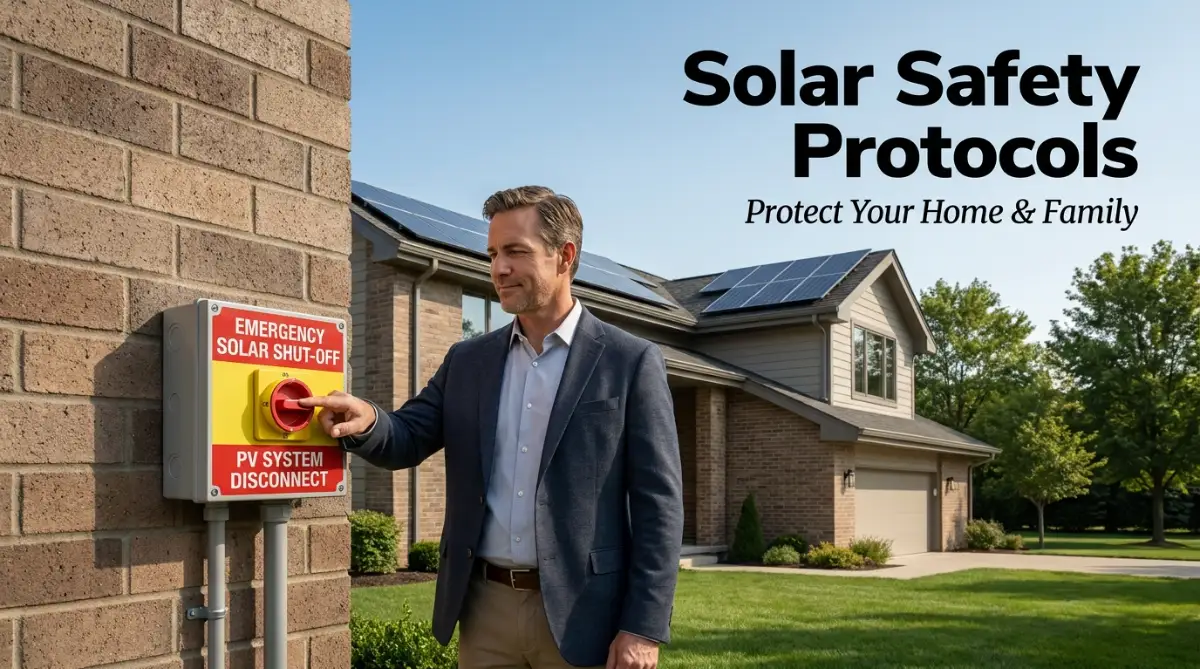
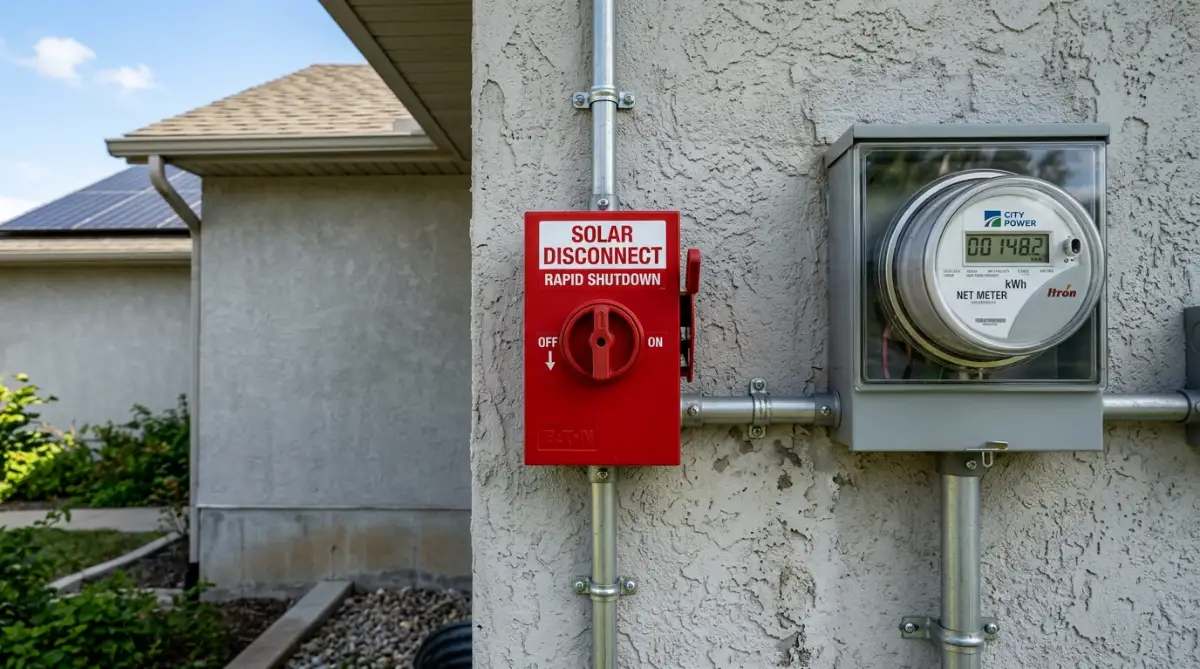
- Find Your Brake Pedal: Locate your bright red "Rapid Shutdown Switch" outside to kill power instantly during emergencies.
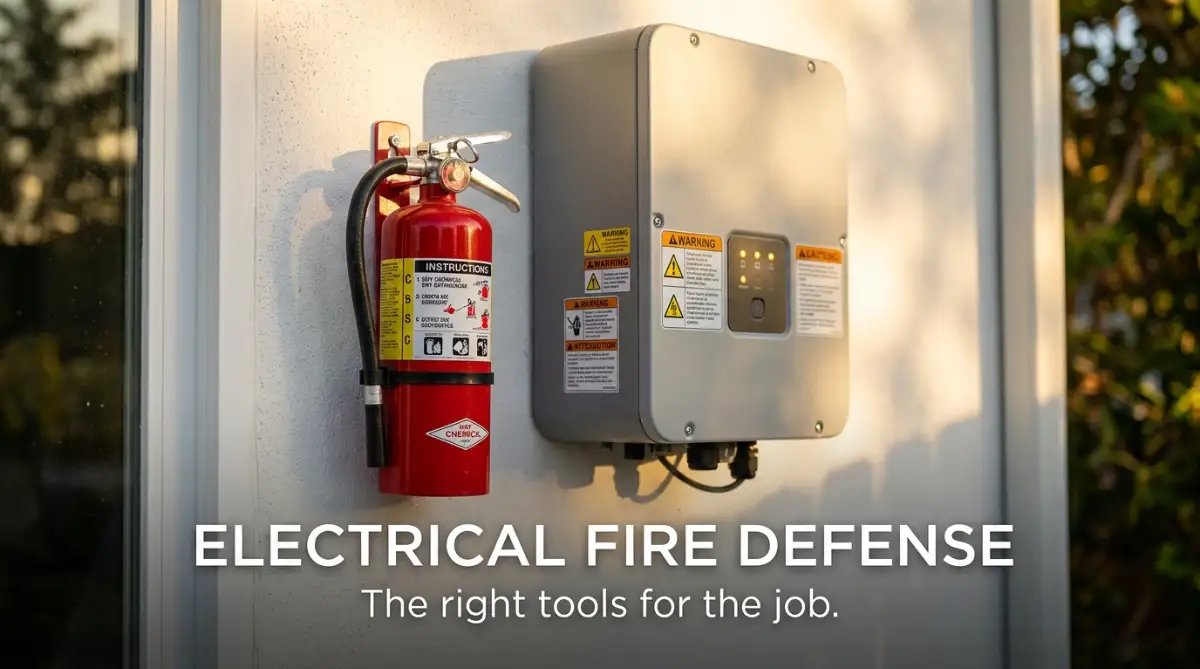
- Ditch the Water: Keep a fully charged Class C fire extinguisher nearby—water makes electrical hazards worse.
- Lock Out Pests: Invest in steel critter guards to stop squirrels from chewing your roof wires and causing sparks.
Taking Total Control: Your Actionable Solar Defense Strategy
Taking charge of your home's safety does not require an engineering degree or hours of boring studying. You simply need to understand how your system behaves and the logical steps to control it during an unexpected event.
Let us break down the exact actions you need to take to ensure your solar setup remains a safe, powerful asset for your family. By the end of this guide, you will know exactly how to handle any situation like a seasoned professional.
Decoding the Rapid Shutdown System
One of the most important safety features installed in modern solar energy systems is called the rapid shutdown switch. Think of this switch as the main emergency brake for the entire solar array sitting on top of your house.
When you flip this switch, it instantly cuts off the electrical current flowing from the panels down to your inverter. This is completely essential because solar panels will continuously generate live electricity as long as the sun is shining on them.
Without a rapid shutdown feature, even if you turn off your home's main breaker box, the wires coming from the roof would still be heavily charged. That creates a massive electrocution hazard for anyone trying to put out a fire, especially local firefighters using water.
You need to walk outside today, locate this specific switch, and ensure every single capable person in your family knows exactly where it is. It is usually a bright red switch or clearly labeled box located right next to your main electrical meter or inverter.
I actually learned a tough lesson about this during a minor scare a few months after my installation.
My Pro Tip: I realized the hard way that labeling my emergency shut-off switch with a regular black marker completely faded away in the harsh summer sun. My practical advice is to always use a weatherproof, engraved metal or plastic sign for your rapid shutdown switch so you never have to guess during a panic.
Becoming a Master of Visual Inspections
You do not need to climb onto your roof with a toolbelt to keep your solar panels completely safe from hazards. In fact, most of the best preventative safety measures can be done with both feet firmly planted on the ground.
You should make it a habit to do a simple visual sweep of your solar equipment at least once a month. Look closely at the cables running along the side of your house to see if the protective casing looks cracked, melted, or chewed on.
Local wildlife, especially aggressive squirrels and roof rats, absolutely love chewing through warm electrical wires during the colder months. Exposed wiring is one of the leading causes of electrical arcing, which acts like a tiny, continuous spark plug that can easily ignite dry materials.
You also want to pay close attention to the physical space directly underneath your solar panels. If you have tall trees near your house, dry leaves, pine needles, and small twigs can easily blow underneath the panels and get trapped.
When the panels get hot during a bright summer day, that trapped pile of dry debris turns into the perfect recipe for a rooftop hazard. If you notice a heavy buildup of debris, it is time to call a professional solar cleaning service to clear it out safely.
The Sounds and Smells of Trouble
Your solar system will usually try to warn you before a major safety issue actually occurs, as long as you know what to look for. Normal solar inverters might emit a very low, steady humming noise while they are actively converting power during the day.
However, if you ever start hearing a loud buzzing, crackling, or aggressive popping sound coming from the equipment, you need to act immediately. These unnatural sounds often indicate an electrical arc fault, meaning electricity is jumping through the air where it shouldn't be.
Never ignore a strange odor coming from your solar equipment, even if everything seems perfectly fine on the outside. The smell of ozone, melting plastic, or burning rubber is a massive red flag that internal components are actively overheating.
If you detect any of these sounds or smells, your very first action must be to hit the rapid shutdown switch we talked about earlier. Do not try to open the inverter box or touch any of the exposed wires to investigate the problem yourself.
Shut the system down completely and immediately call your solar installer or a licensed electrician who specializes in renewable energy systems.
Equipping Your Home for Electrical Hazards
Standard household fire prevention tools are great, but they are not always suitable for a solar energy system. When dealing with highly charged electrical equipment, you have to use completely different methods to stop a hazard from spreading.
Video Intro: Wondering what an electrical arc fault actually looks and sounds like in real life? Watch this short, informative breakdown below to easily train your eyes and ears on exactly what warning signs to spot around your home's inverter.
If a small fire ever breaks out near your inverter or battery storage system, throwing a bucket of water on it is the worst possible choice. Water conducts electricity perfectly, and you could easily suffer a severe electrical shock just by trying to help.
Every home with a solar panel setup must have a certified Class C fire extinguisher readily available near the main equipment. Class C extinguishers are specifically designed using non-conductive chemicals to safely smother electrical fires without putting you at risk.
Make sure the extinguisher is mounted on the wall in an easily accessible location, not buried in the back of a messy garage closet. Check the pressure gauge on the extinguisher every six months to guarantee it is fully charged and ready for action.
Pro Tip: The 10-Second Extinguisher Audit
Don't just stare at the fire extinguisher; check these three things today:
- Is the needle sitting directly in the middle of the green zone? (If it's in the red, it's useless).
- Is the safety pin still tightly sealed with a plastic zip-tie?
- Turn it upside down and shake it once a month to keep the dry chemicals from clumping at the bottom.
Common Safety Myths Busted
Sometimes, the things we think we know about home safety can actually put us in more danger. Let us clear up a few common misunderstandings right now.
Understanding these basic facts instantly makes you a smarter, safer homeowner. You are no longer guessing; you are making decisions based on actual safety facts.
Making Your Home Friendly for First Responders
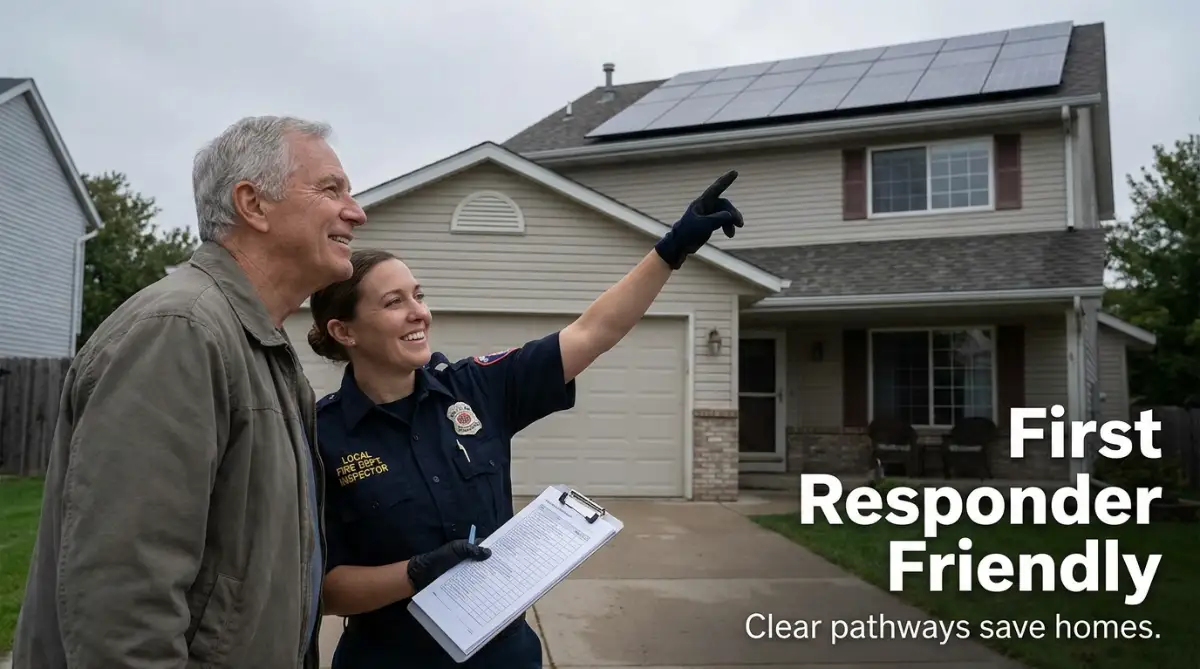
If the unthinkable happens and you need to call the fire department, you want them to be able to work as fast as possible. Firefighters operate under extreme pressure, and any confusion about your home's electrical setup slows down their response time.
You need to proactively create a safe and clear environment for them before an emergency ever happens. The very first step is ensuring all your solar warning labels and safety placards are clearly visible, clean, and entirely readable.
If the original stickers provided by your installer are peeling off or covered in mud, replace them immediately. First responders are trained to look for these specific labels to understand exactly where the power is flowing on your property.
Secondly, you must maintain clear, walkable pathways around your main electrical panels and solar inverters. If firefighters have to move heavy bicycles, stacks of firewood, or old furniture just to reach the shut-off switch, critical minutes are completely wasted.
Keep a solid three-foot clearance area entirely empty around all of your major solar and electrical equipment. This simple organizational habit guarantees that anyone responding to an emergency can do their job quickly and safely.
Preparing for Extreme Weather Events
Your solar panels are built to withstand incredibly tough weather conditions, but they are not entirely invincible. Knowing how to manage your system before, during, and after extreme weather is a massive part of a solid defense strategy.
If a severe hurricane or massive windstorm is predicted to hit your local area, you should proactively prepare your system. In most cases, it is highly recommended to leave your solar system running normally, as it might provide backup power if the neighborhood grid fails.
However, if you have a massive battery backup system, you want to make sure it is fully charged before the storm arrives. After the storm passes, this is when your visual inspection skills become absolutely essential.
Do not go near the panels if you see downed power lines or heavy structural damage to your roof. Look from a safe distance for shattered solar glass, entirely dislodged panels, or heavy branches resting directly on the wiring.
If the panels look severely damaged by hail or falling debris, engage your rapid shutdown switch immediately to prevent any stray electrical currents. Damaged panels can easily create hidden hotspots that slowly build up heat over several days, eventually leading to a serious hazard.
The Importance of Professional Routine Maintenance
While there is a lot you can do on your own, nothing replaces the trained eye of a certified solar technician. Just like you take your car in for a regular oil change and mechanical checkup, your rooftop system requires professional attention.
You should schedule a comprehensive system inspection with a qualified professional every single year. These experts possess specialized tools, like thermal imaging cameras, that can literally see heat building up inside the wires before a fire ever starts.
They will get up on the roof, carefully lift the panels, and check the integrity of every single mounting bracket and hidden connection. They also test the rapid shutdown system to ensure the safety switches respond with the correct speed and precision.
Paying for an annual inspection might feel like an annoying extra expense, but it is the ultimate investment in your family's safety. Knowing that an expert has thoroughly tested and approved your system allows you to finally sleep soundly at night without any lingering anxiety.
By actively following these logical, practical steps, you completely remove the fear and uncertainty of owning a solar energy system. You transform yourself from a worried homeowner into a highly capable, educated energy manager who knows exactly how to protect what matters most.
Upgrading Your Defense: Next-Level Solar Safety Habits
Once you have mastered the basic safety protocols, you are already way ahead of the average homeowner. However, to truly lock in that long-term peace of mind, we need to look at some advanced habits that keep your system running safely for decades.
These are the exact same strategies that professional solar inspectors use when they evaluate high-end residential setups. You do not need expensive tools to apply these secrets, just a bit of consistent attention and a proactive mindset.
Let us explore how you can easily monitor and protect your investment like an absolute expert.
The Hidden Power of App-Based Temperature Tracking
Almost every modern solar energy system comes with a dedicated smartphone app that shows you how much power you are generating. Most people only open this app to brag about their energy savings to friends, but it is actually a highly powerful safety tool.
These applications constantly monitor the internal health of your equipment, including the operating temperature of your inverters. You should make it a weekly habit to check the temperature metrics during the absolute hottest part of the afternoon.
Quick Guide: Inverter Temperature Check
Not sure what is normal and what is a red flag? Here is a cheat sheet I keep on my phone for summer days:
- Normal Running Temp: 115°F - 140°F (Warm to the touch, totally fine)
- Warning Zone: 150°F - 165°F (Cooling fans are working overtime; check for dust blockages)
- Danger Zone: 170°F or higher (Shut the system down immediately and call your tech)
If you suddenly notice the system running significantly hotter than it normally does on a sunny day, that is an early warning sign. Heat buildup usually means a cooling fan has failed or dust is blocking the internal vents of your equipment.
Catching this invisible temperature spike early allows you to schedule a simple service call before the heat actually melts any internal wiring. It is just like checking your bank account for unauthorized charges; you want to spot the weird activity before it becomes a massive problem.
To understand more about the underlying technology, you can easily review residential solar technology standards to see exactly how these safety limits are designed. Knowing the standard operating limits gives you a perfect baseline for what is normal and what is dangerous.
Mastering the Art of Wire Management Audits
One of the biggest secrets in the renewable energy industry is that the panels rarely cause problems; it is almost always the wiring. As your home settles and weather changes, the plastic clips and zip ties holding your cables together will eventually start to degrade.
When these cheap plastic ties snap, heavy electrical cables can drop down and lay directly against your hot asphalt roof shingles. The continuous rubbing from heavy wind combined with the intense heat of the roof will slowly strip away the protective rubber coating.
Once that bare copper wire touches a metal gutter or a wet patch of leaves, you have an immediate fire hazard on your hands. You should grab a pair of binoculars every few months and stand in your yard to perform a basic wire management audit.
Look closely under the edges of your solar array to make sure no cables are sagging down or touching the roof surface. If you spot a dropping wire, do not try to climb up and tape it yourself.
Call your installer and ask them to secure the lines using stainless steel wire clips, which never rot in the sun. This one simple upgrade completely eliminates one of the most common causes of rooftop electrical arcing.
Building an Impenetrable Fortress Against Pests
We talked briefly about wildlife earlier, but this issue deserves a much deeper look because it causes thousands of hidden hazards. Squirrels, pigeons, and roof rats look at the warm, sheltered gap beneath your solar panels as the ultimate luxury apartment.
When these animals move in, they bring highly flammable nesting materials like dry grass, paper wrappers, and dead leaves right next to your electrical connections. Even worse, rodents have a natural instinct to chew on things to file down their teeth, and your solar cables are their favorite target.
The absolute best defense mechanism is installing a heavy-duty, galvanized steel critter guard all the way around the perimeter of your solar array. This special metal mesh completely blocks animals from getting underneath the panels while still allowing plenty of fresh air to cool the equipment.
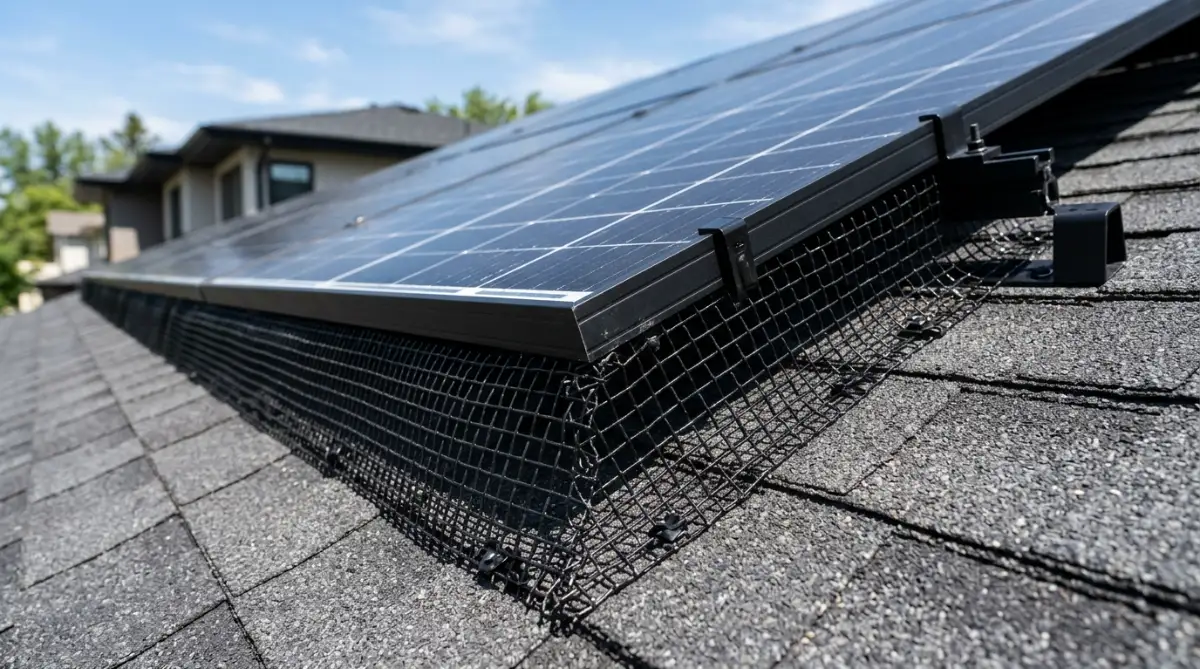
If your original installer did not offer this, you need to hire a professional to add it as soon as possible. It is a very small one-time expense that acts as a permanent shield against the most unpredictable fire hazard nature can throw at you.
Creating a Home Energy Map for Emergencies
When chaos strikes, human memory becomes incredibly unreliable. If a small fire breaks out in your kitchen or garage, you might completely forget where the solar shut-off switches are located in your panic.
You should take ten minutes this weekend to draw a very simple, clear map of your property's electrical layout. Mark the exact location of your main breaker box, the solar inverter, the rapid shutdown switch, and your battery storage units if you have them.
Print this map out, laminate it, and stick it directly on your refrigerator right next to your emergency contact numbers. You should also tape a second copy inside the main electrical panel box where first responders will immediately look.
Having clear visual instructions completely removes the guesswork for your babysitter, your teenagers, or the local fire department. By following certified fire prevention guidelines, you ensure that anyone stepping onto your property knows exactly how to neutralize the power safely.
If you want to dive deeper into how everything connects, understanding exactly how sunlight converts into household electricity will help you label your map with complete confidence.
The Dangerous Traps Homeowners Fall Into
Knowing exactly what to do is only half the battle when it comes to protecting your property. You also have to know exactly what dangerous behaviors to avoid at all costs.
Many well-meaning homeowners accidentally put their families in massive danger simply because they listen to bad advice or try to cut corners. These mistakes might seem completely harmless at first, but they can quickly snowball into terrifying situations.
Let us walk through the most dangerous pitfalls you must actively avoid to keep your green energy dream from turning into a nightmare.
The Terrifying "Set It and Forget It" Mentality
When you first buy a new car, you probably wash it every weekend, check the oil, and listen closely to the engine. But after a few years, you might start ignoring strange rattles and skipping routine maintenance because the car still drives fine.
People do the exact same thing with their residential solar systems, and it is a massive mistake. Because solar panels sit silently on the roof and do their job without any moving parts, it is incredibly easy to just forget they exist.
This dangerous complacency means that tiny, easily fixable issues are allowed to grow into massive electrical hazards over several months. A loose connection that could have been tightened in five minutes eventually gets so hot that it completely melts the protective junction box.
You absolutely must treat your solar system like a living, breathing part of your home that requires regular check-ins. Set a repeating reminder on your phone for the first Saturday of every month to walk outside and physically inspect your equipment.
You can always explore general home improvement resources to find easy ways to integrate these quick visual inspections into your normal weekend yard work routine.
Playing the DIY Electrician with High Voltage DC
We live in an amazing era where you can learn how to fix almost anything around your house just by watching a quick online video. If you want to fix a leaky faucet, paint a room, or build a bookshelf, taking the DIY route is fantastic and highly encouraged.
However, applying this exact same DIY mindset to your rooftop solar energy system is a recipe for an absolute disaster. The electricity generated by your solar panels before it reaches the inverter is called Direct Current (DC), and it is incredibly powerful.
Unlike the standard electricity inside your home's wall outlets, high-voltage DC power can literally jump through the air to shock you if you disconnect a live wire. If you see a damaged cable on your roof, the temptation to wrap it in electrical tape yourself might be huge.
You might think you are saving a few hundred dollars on a service call, but you are actually risking a fatal shock or accidentally causing a massive short circuit. Never, under any circumstances, try to open sealed electrical boxes, splice broken wires, or modify the safety switches yourself.
Always hire a certified professional who strictly follows proper electrical safety testing protocols when diagnosing system damage.
Ignoring the Warning Chimes and Blinking Lights
Modern energy equipment is designed to actively communicate with you when something is going wrong behind the scenes. If your inverter detects a ground fault, a sudden voltage drop, or an overheating component, it will usually start flashing red warning lights or emitting a sharp beep.
Far too many homeowners hear this noise, get slightly annoyed, and just assume it is a harmless software glitch that will fix itself. They might even flip the power switch off and on again, hoping the annoying noise goes away so they can get back to watching television.
Ignoring these built-in distress signals is just like putting black tape over the check engine light on your dashboard. When your equipment asks for help, it usually means safety breakers have tripped to prevent an active fire from starting inside the box.
If you ever find yourself wondering why your solar inverter is beeping, you need to investigate the error code immediately, not next week. Grab your original owner's manual, match the blinking light pattern to the troubleshooting guide, and call your installation company with that exact information.
Sometimes, software systems can glitch, much like how you might suddenly need to recover corrupted configuration files on a home computer, but you can never assume a solar warning is just a false alarm. Always treat every single warning beep as a valid safety threat until a professional proves otherwise.
The Pressure Washing Catastrophe
Everyone loves the satisfying feeling of cleaning up their home's exterior with a heavy-duty pressure washer in the spring. You might look up at your dusty solar panels and think a quick blast of high-pressure water will make them shine and produce more power.
This is arguably one of the fastest ways to completely destroy your expensive investment and create an immediate electrical fire hazard. Solar panels are built with extremely tight waterproof seals around the edges to protect the delicate wiring inside the glass.
A heavy pressure washer shoots water with such intense force that it easily slices right through those protective silicone seals. Once water is forced inside the panel housing, it mixes directly with the live electrical currents, causing immediate short circuits and aggressive internal arcing.
The heat from this trapped arcing can easily shatter the tempered glass and ignite the plastic backing of the panel. If you need to clean heavy dirt off your panels, only use a soft-bristle brush on a long pole and a regular garden hose with gentle water pressure.
You want to simulate a heavy rainstorm, not a targeted water laser. By treating the glass gently, you protect the internal wiring and keep your home entirely safe from water-induced electrical faults.
Your New Reality as a Confident Energy Manager
Taking the leap into renewable energy is one of the smartest decisions you can make for your family and your financial future. You should absolutely be proud of having a modern, efficient power plant sitting right on top of your home.
By taking the time to learn these advanced protection strategies, you have completely removed the fear of the unknown. You now know exactly how to listen to your equipment, how to spot dangerous wire damage, and how to keep uninvited pests far away from your power lines.
More importantly, you know exactly what disastrous mistakes to avoid, keeping you far away from the dangerous DIY traps that catch so many others off guard. You are no longer just a passive consumer hoping for the best; you are an active, highly educated manager of your own home's safety.
Whenever heavy winds blow or the summer heat peaks, you can sit comfortably inside knowing you have already done everything right. Your rapid shutdown switch is clearly labeled, your fire extinguisher is mounted, and your emergency map is ready for any situation.
That incredible feeling of deep, unshakeable peace of mind is the true reward for taking your home maintenance seriously. You have built a safe environment where your family can thrive while enjoying all the amazing benefits of clean, unlimited sunshine.
My Final Thought: I honestly wish someone had handed me a guide like this on the very first day my panels were turned on. Taking just a few minutes this weekend to walk outside and check your safety switches will make you feel incredibly empowered and completely in control of your home's destiny.
The Most Asked Questions About Solar Roof Hazards
Can solar panels catch fire spontaneously on a normal day?
No, solar panels do not spontaneously combust out of nowhere on a perfectly normal afternoon. Fires are almost always the direct result of severe physical damage, chewed wires, or poor installation practices that went completely ignored. If you perform routine visual checks and keep pests away, the risk of a spontaneous hazard is virtually zero.
Do I need to manually turn off my solar panels every night?
You absolutely do not need to turn your system off at night. When the sun goes down, your panels naturally stop producing raw electricity and go into a completely safe, dormant state. Constantly flipping your main safety switches on and off every day will actually wear out the mechanical parts much faster.
What happens to my rooftop solar panels during a heavy lightning storm?
Modern solar arrays are heavily grounded directly into the earth by your installation team to handle severe weather events. If lightning strikes near your home, the grounding wire safely channels that massive electrical surge away from your house and safely into the dirt. However, checking your system for warning lights after a massive storm passes is always a very smart habit.
How often should my solar equipment be checked for hidden fire risks?
You should personally do a quick visual scan from your yard about once a month just to check for hanging wires or trapped leaves. For the deep, technical safety checks, you should hire a certified professional to inspect the internal wiring and test the safety switches once a year. This regular professional checkup is highly recommended by renewable energy safety research facilities to ensure long-term stability.
Will standard homeowner's insurance cover solar fire damage?
Most standard residential insurance policies do cover damage related to rooftop solar panels, as they are considered a permanent attachment to your house. However, you must explicitly notify your insurance agent the moment your system is installed to ensure your coverage limits are properly adjusted. Failing to update your policy could leave you paying out of pocket if a severe hazard completely damages your roof structure.
Disclaimer: The information provided in this article is for educational and informational purposes only and does not constitute professional electrical or fire safety advice. Every home solar setup is entirely unique. Always consult with a licensed electrician, a certified solar installer, or your local fire department before attempting to interact with high-voltage equipment or modifying your home’s electrical layout.