The Shocking Power Bill That Changed Everything
You open your mailbox, pull out the electric bill, and immediately feel a tight knot in your stomach. Trust me, I have been right there with you. I got so tired of dreading that envelope every single month that I finally looked up at my roof and thought, "Can I actually make my own power and stop paying these crazy rates?" Let me show you exactly how I figured it out, keeping things super simple and leaving all the confusing engineer talk at the door.
I felt completely helpless against the rising utility rates. It seemed like no matter how much my family sacrificed our daily comfort, the utility company always found a way to charge us more. Every time the mail arrived, a wave of anxiety washed over me because I knew exactly what was waiting inside that envelope.
This financial stress is something so many of us deal with every single day. You try to budget for your family, but an unexpected spike in energy costs can easily ruin your plans for the month. It forces you to choose between running the heater on a cold winter night or saving that money for groceries.
That intense frustration is exactly what pushed me to look up at my roof and wonder about harnessing the sun. I realized that millions of homeowners were taking control of their energy needs, and I wanted to be one of them. I decided I was going to figure out exactly how this mysterious rooftop technology actually worked.
The idea of making my own power felt like a massive relief, but the science behind it felt incredibly confusing at first. I spent weeks trying to understand the exact process of how sunlight converts into household electricity without getting lost in complicated engineering terms. I wanted simple, clear answers about what happens between the sun shining and my television turning on.
⚡ My Quick Takeaways Before We Begin:
- Your Roof is a Power Plant: Those glass panels simply catch sunlight and turn it into direct energy.
- The Inverter is the Boss: This little box flips the raw solar energy into the safe power your fridge and TV actually use.
- You Can "Store" Power on the Grid: Even without expensive batteries, you can send extra power to your neighbors and get credits for the nighttime.
- Heat is Not Your Friend: Surprisingly, cold and bright winter days often generate better power than boiling hot summer afternoons!
Breaking Down the Magic: From Roof to Refrigerator
Taking the mystery out of home energy production is incredibly empowering. When you finally understand the exact process of how sunlight converts into household electricity, you stop seeing dark glass on a roof and start seeing a personal power plant. Let us walk through this amazing journey step by step, using simple concepts that make total sense.
Catching the Sunbeams: The Photovoltaic Reaction
The entire process begins the second the morning sun clears the horizon and hits your roof. Your panels are primarily made of a very special material called silicon, which is naturally excellent at reacting to light. Think of this silicon as a massive, perfectly organized dance floor just waiting for the music to start.
When sunlight travels through space and strikes the surface of your roof, it arrives in tiny little packets of energy called photons. You can imagine these photons as tiny, energetic billiard balls dropping directly from the sky. As these photons crash into the silicon layer on your roof, they smash into the atoms waiting inside.
This collision is incredibly powerful on a microscopic level. The impact of the photon knocks electrons right out of their normal resting places. Because of the special way the silicon is manufactured with positive and negative layers, these loose electrons cannot just wander around freely.
They are forced to travel along a specific path, moving through thin metal wires printed on the surface of the glass. This organized flow of moving electrons is exactly what we call an electrical current. Science calls this the photovoltaic effect, but you can just think of it as turning sunshine into a steady stream of moving energy.
Pro Tip from My Experience:
When I first got my system, I constantly obsessed over checking my power production app on cloudy days, getting frustrated when the numbers dropped. I finally realized that panels still generate power even through thick clouds, just at a lower rate. Stop stressing over perfectly clear skies and trust that the overall system is designed to balance out your monthly needs!
The Great Conversion: Making the Power Usable
Now, here is a very interesting fact that most people do not know about their panels. The electricity created up on your roof is known as Direct Current, or DC power. In a DC system, the electrons flow completely in one single direction, much like a river flowing straight down a mountain.
The problem is that your house does not run on Direct Current. Almost every single appliance in your home, from your refrigerator to your phone charger, requires Alternating Current, or AC power. Alternating Current is a type of electricity where the electrons constantly switch directions back and forth very rapidly.
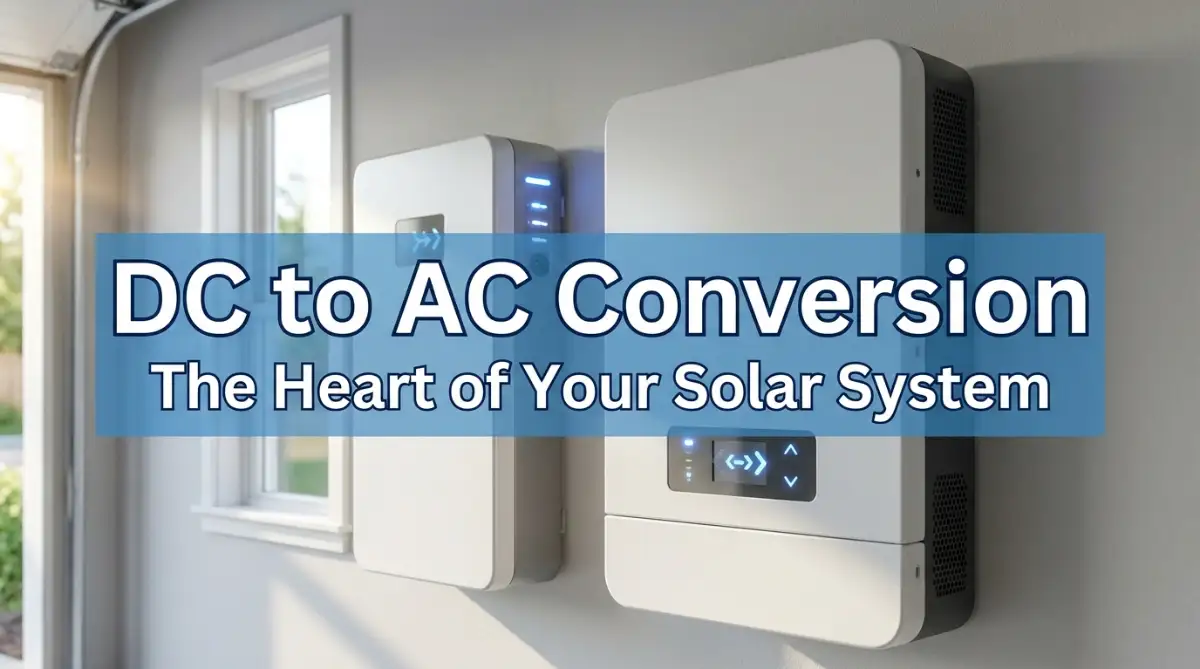
If you tried to plug your television directly into the panels on your roof, it simply would not work at all. This is exactly why every single setup requires a piece of equipment called an inverter. The inverter is basically the brain of the entire operation, sitting quietly on the side of your house or right under the panels.
The inverter takes that one-way river of DC electricity and forces it to rapidly switch directions, transforming it into safe, usable AC electricity. Once the power passes through this magic box, it perfectly matches the exact type of electricity that your utility company provides.
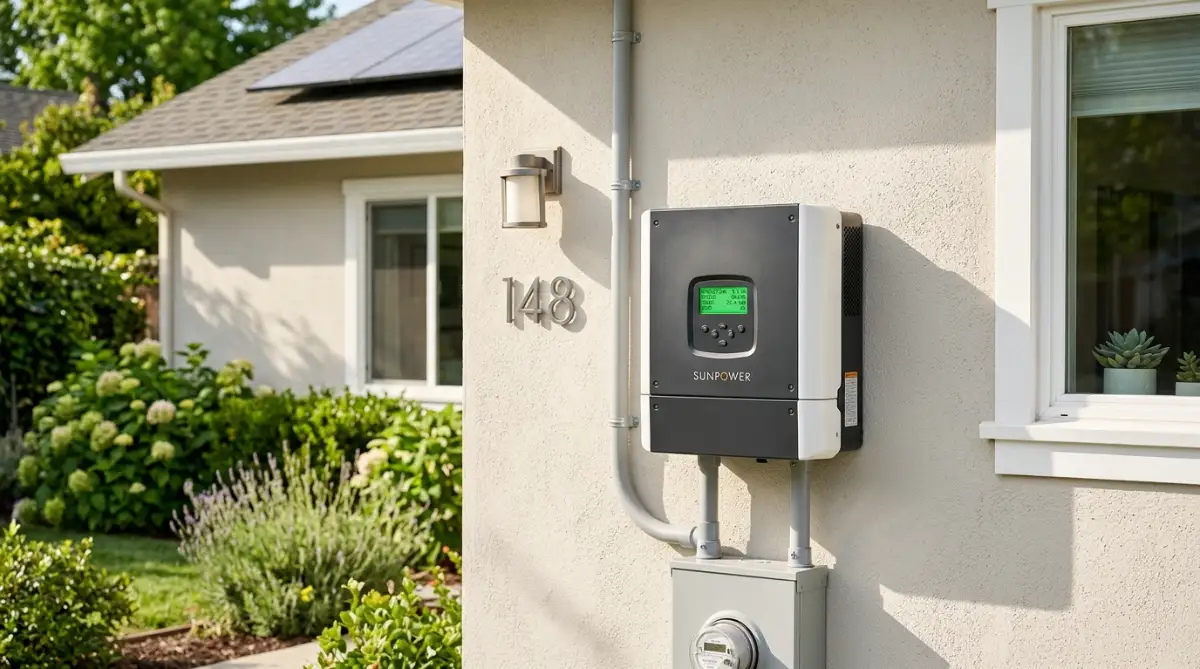
Watch this amazing visual breakdown of the conversion process before we move on to the next step:
The Distribution Center: Your Home Electrical Panel
Once the power has been successfully converted into usable AC electricity, it needs a place to go. The inverter pushes this freshly converted power straight into your main electrical panel, which is the big grey breaker box usually hidden in your garage or basement.
You can think of your breaker box as an incredibly efficient traffic cop standing in the middle of a busy intersection. It takes the big rush of electricity coming from the side of your house and directs it down all the different wires hiding inside your walls.
The beauty of this setup is that your house is completely smart enough to prioritize the free electricity you just made. If your air conditioner is running, the breaker box will instantly send the sunshine power straight to your cooling system. Your appliances have absolutely no idea where the electricity is coming from.
They do not care if the power came from the sun or from a dirty coal plant fifty miles away. The transition is completely seamless, meaning your lights will never flicker and your electronics will never skip a beat. You are simply living your normal life while your roof does all the heavy lifting.
What Happens When You Produce Too Much Power?
One of the most common questions people ask is what happens during a bright, sunny afternoon when you are not using much energy. Imagine you are at work, the kids are at school, and the house is mostly empty and quiet. Your roof is generating massive amounts of electricity, but your house only needs a tiny fraction of it to keep the fridge running.
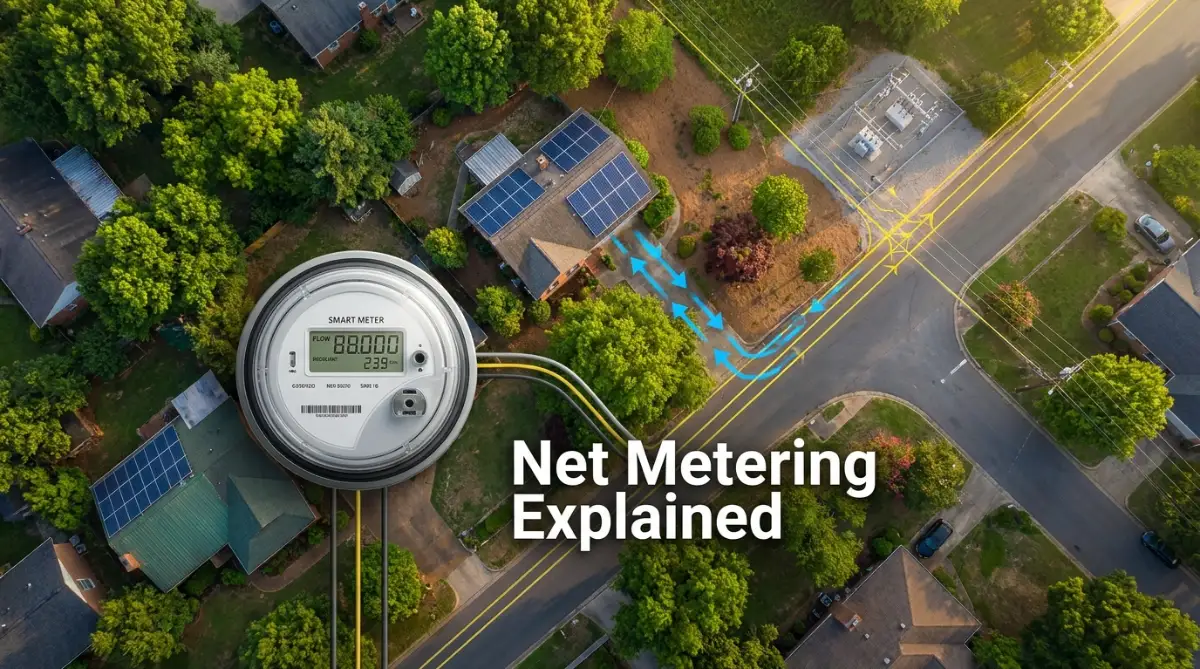
This is where a brilliant system called Net Metering comes into play. Because your house is still physically connected to the main utility grid, you have an automatic escape route for all that extra energy. Your breaker box sends that surplus electricity backward, pushing it directly out of your house and onto the neighborhood power lines.
When this backward flow happens, your electric meter actually starts spinning backward, earning you credits with your utility company. You are essentially acting like a mini power plant for your neighbors. The electricity you do not use flows next door to power your neighbor's television or oven.
The Nighttime Shift: Buying Power Back
When the sun finally goes down in the evening, the panels completely stop producing electricity. At this exact moment, your house seamlessly transitions back to pulling normal electricity from the utility lines on the street.
Because you sent so much extra power out to the grid during the sunny afternoon, you now get to use those earned credits to pay for your nighttime usage. The grid basically acts as a massive, invisible battery for your home. You deposit power during the day, and you withdraw it at night.
Quick Setup Comparison: Which Route is Right for You?
To make things super easy, I put together a quick cheat sheet based on my own research. Here is how your two main options stack up:
| Feature | Grid-Tied System (No Battery) | Off-Grid / Battery System |
| :--- | :--- | :--- |
| Upfront Cost | Way cheaper. Very budget-friendly. | Much higher (batteries are expensive). |
| Nighttime Power | Uses credits to pull power from the street. | Pulls stored power straight from your garage. |
| During a Blackout | System shuts down. You lose power. | Lights stay on! Total independence. |
If you want to be completely independent from the grid, you would need to install heavy-duty home batteries. These batteries sit in your garage and physically store your extra daytime energy instead of sending it to your neighbors. When the sun goes down, your house simply pulls power from the battery box on the wall until the morning comes again.
Myth vs Reality: Breaking Down Common Misconceptions
There are so many confusing rumors out there about how this technology actually performs in the real world. Let us clear up some of the biggest misunderstandings right now.
Myth: The hotter the weather, the more electricity your roof will generate.
Reality: Heat actually reduces the efficiency of the silicon cells slightly. Bright, cold winter days often result in much better electricity production than boiling hot summer afternoons!
Myth: You will have total power during a neighborhood blackout.
Reality: For strict safety reasons, standard setups will automatically shut down if the neighborhood grid loses power. This prevents your system from sending live electricity onto the wires while repair crews are actively trying to fix them. You only get blackout protection if you have a special battery system installed.
A Simple Comparison: DC vs AC Power Flow
To help you remember exactly how the energy changes forms, here is a very simple breakdown of the two types of power handling your home needs.
The Beauty of Silent Efficiency
What continues to amaze me is how completely silent and invisible this entire operation really is. There are absolutely no moving parts grinding together, no noisy engines running, and no exhaust fumes polluting your backyard. The panels just sit there quietly doing their job for decades.
Every single day, as soon as the sun rises, the exact process of how sunlight converts into household electricity repeats itself flawlessly. Millions of little photons hit the roof, electrons start dancing, the inverter does its magic, and your house comes alive with free energy.
Understanding this sequence removes the fear of the unknown. You are no longer just paying a frustrating utility bill every month without understanding your options. You are now educated on exactly how to capture nature's energy and force it to work perfectly for your own family.
Maximizing Your Mini Power Plant: Insider Habits for Long-Term Success
Now that you understand the basic science happening on your roof, you hold a massive advantage over most homeowners. Simply installing the equipment is only half the battle when it comes to true energy independence. To keep this impressive system generating maximum electricity for decades, you need to treat it like a high-performance machine.
One of the smartest things you can do right away is become best friends with your system's digital monitoring app. Every modern inverter sends live performance data directly to your smartphone, showing you exactly how much AC power is flowing into your breaker box. Think of this app as your personal energy bank statement, updating second by second.
I highly recommend checking this dashboard at least once a week during your first few months. You will quickly learn what a normal, healthy production day looks like for your specific roof. If your daily production suddenly drops by thirty percent on a clear, sunny Tuesday, that dashboard just gave you an early warning that something needs attention.
Another incredibly powerful habit is conducting a seasonal shade audit around your property. The sun naturally changes its path across the sky depending on the season, sitting much lower during the winter months. A tree in your neighbor's yard that causes absolutely no problems in July might cast a massive, dark shadow directly across your silicon cells in December.
This unexpected shade acts exactly like a roadblock on a highway, physically stopping the photons from hitting the panel surface. By taking notes on where shadows fall during different seasons, you can proactively trim tree branches before they start stealing your expensive electricity.
You also need to understand the reality of dust, pollen, and bird droppings on your roof. When a thick layer of spring pollen covers the glass, it acts exactly like a pair of dirty sunglasses. The sunlight simply cannot penetrate the glass, meaning fewer electrons get knocked loose and less power flows to your inverter.
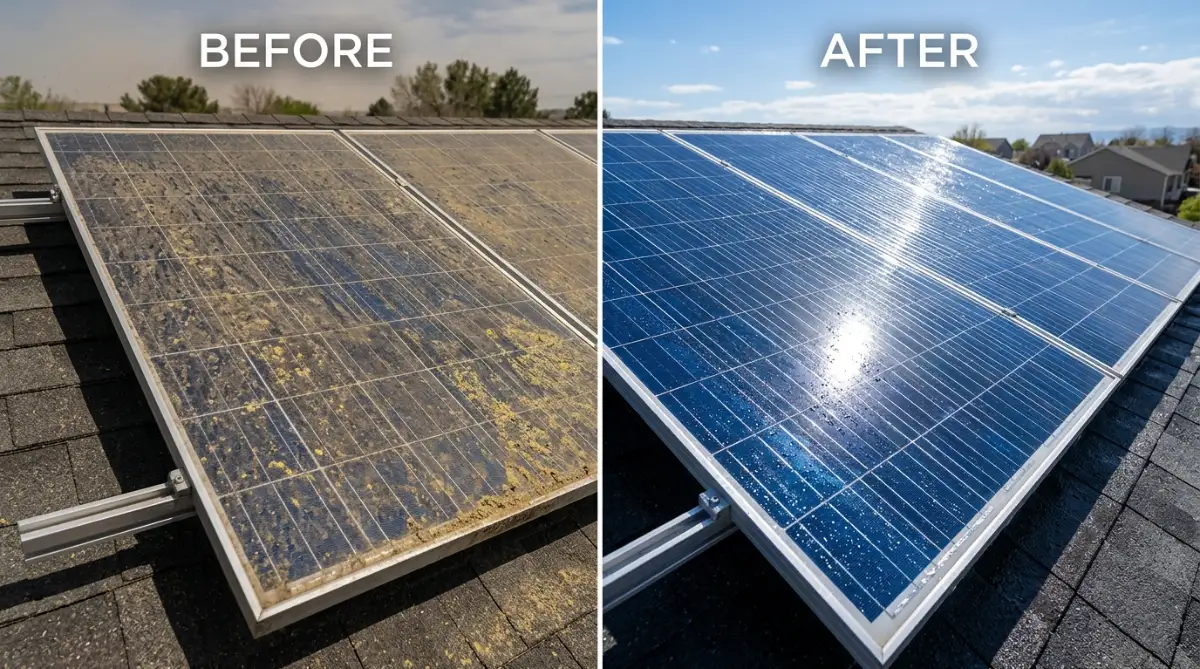
According to various National Renewable Energy Laboratory studies, heavy soiling can actually reduce your total power output by up to twenty percent in dry climates. If you live in an area that does not get regular, heavy rain showers, you will need a manual cleaning strategy. A gentle rinse with a standard garden hose early in the morning is usually all it takes to wash away that heavy dust layer.
Finally, do not panic when the temperature outside hits extreme, blistering heat during the middle of July. Many homeowners assume that hotter weather automatically equals more electricity, but the exact opposite is actually true. Extreme heat makes the electronic components inside the silicon work much less efficiently.
This minor drop in production during heatwaves is completely normal and mathematically factored into your system's original design. Just relax, enjoy the air conditioning that your roof is powering, and trust the engineering behind the glass.
💡 Real-Life Fact Check: The "Maintenance-Free" Myth
Sales reps love telling you that these systems require zero work. While they are mostly right, you cannot just forget about them. I always tell my friends to set a reminder on their phone for the first week of Spring and Autumn. Just walk around your yard and check if any new tree branches are casting shadows on your roof. A five-minute walk can save you hundreds of dollars in lost power over the year!
The Expensive Traps Unprepared Homeowners Fall Into
Even with the best intentions, I see homeowners making completely avoidable mistakes that end up costing them thousands of dollars. The most common trap happens before the equipment is even purchased. People get so excited about lowering their electric bills that they completely ignore the current health of their roof.
If your asphalt shingles are already fifteen years old and starting to curl, installing heavy equipment on top of them is a terrible idea. Within a few short years, you will inevitably have to replace the roof underneath. The labor costs to physically remove all the glass, store it safely, and reinstall it after the roof is fixed will easily wipe out any savings you earned.
Always get a professional roof inspection first, and handle any necessary repairs before the installation crew arrives. Another heartbreaking mistake involves how people choose to clean their arrays during the dry summer months. You might be tempted to climb up a ladder with a heavy-duty pressure washer and a rough scrubbing brush.
Doing this will completely destroy the delicate anti-reflective coating baked onto the top layer of the glass. Once that special coating is scratched off, the sunlight will just bounce away into the sky instead of absorbing into the silicon. Always stick to plain water and soft, non-abrasive materials when removing heavy dirt.
Following official Solar Energy Industries Association maintenance protocols ensures you never accidentally void your expensive equipment warranties. Another massive trap lies in not fully understanding how your specific inverter handles partial shade. If you buy a traditional "string inverter" setup, all the panels are wired together in one single chain, exactly like old-fashioned holiday lights.
If a single chimney shadow falls across just one corner of one panel, the production of the entire roof drops to match that weakest link. People are often shocked when their expensive setup barely produces anything just because of one small shadow. If you have trees around your property, you must demand "microinverters" from your installer.
Microinverters are tiny individual conversion boxes placed under every single panel. This means if one section gets shaded, the rest of the roof continues pumping out maximum AC power without missing a single beat. It costs a little more upfront, but the long-term energy gains are absolutely massive.
Homeowners also frequently misunderstand exactly how their net metering agreement actually works with their local utility. They assume the power company is going to mail them a massive cash check every single month for their extra electricity. In reality, most utility companies strictly issue digital credits that simply roll over to the next month to offset winter usage.
Make sure you read the fine print of your local agreements, perhaps by checking out U.S. Department of Energy guidelines regarding state-level energy policies. Finally, the biggest shock comes when a severe thunderstorm rolls through and knocks out the neighborhood power lines.
Because your home is directly tied to the public grid, your inverter is programmed to instantly shut down for safety reasons. People get furious when they realize their expensive roof is totally useless during a neighborhood blackout. If you want to understand this specific mechanism deeply, you should definitely read about what actually happens to your home solar system when the grid fails.
To keep your lights on during a storm, you must invest in a physical battery backup system mounted in your garage. Without that battery acting as a middleman, you will be sitting in the dark right alongside your neighbors.
Your Next Steps Toward Total Energy Independence
Looking at your home through the lens of renewable energy completely changes how you view your daily life. You are no longer just a passive renter, endlessly sending money to a massive utility corporation every single month. You have transformed your property into an active, intelligent power plant that quietly pays you back every time the sun rises.
The journey from a confusing electric bill to generating your own clean power is incredibly rewarding. We have walked through the entire process together, from the moment a photon hits the silicon all the way to the AC power running your refrigerator. You now understand the hidden magic happening inside that inverter box on the side of your house.
You also know exactly how to avoid the dangerous pitfalls that trap uneducated buyers. By managing your shade, keeping the glass clean gently, and understanding how your local grid handles your excess power, you are set up for total success. You can confidently read your monitoring app and know exactly what those numbers mean for your family's budget.
If you are hungry for more insights on improving your daily digital life and staying updated on modern technology trends, be sure to explore our main hub for general technology and security updates. Education is truly the strongest tool you have when making big financial decisions for your property.
The technology behind capturing sunlight has never been more efficient, reliable, and accessible to everyday people. It does not require a degree in electrical engineering to appreciate the financial freedom this system provides. Every single day, the sun is literally throwing free money onto your roof, just waiting for you to capture it.
Do not let another month go by feeling stressed and overwhelmed when that utility envelope arrives in the mail. Take a walk outside tomorrow morning, look up at your roof, and imagine the incredible potential sitting right above your head. The power to control your own comfort and financial future is quite literally shining down on you right now.
I honestly wish I had taken the time to understand this simple process years before I finally did. Making the switch gave my family a sense of financial peace that I cannot even begin to properly describe. Start small, do your local research today, and take back control of your own home!
Common Questions About Home Solar Conversion
Do the panels still generate electricity on completely cloudy or rainy days?
Yes, your system absolutely continues to work even when thick clouds cover the sky. The silicon cells react to daylight, not just direct, blinding sunshine. While your overall power output will be lower on a rainy afternoon, you are still actively producing usable electricity for your household.
How long does the entire conversion process take from sunlight to my TV?
The physical conversion process happens almost instantaneously at the speed of light. The moment a photon strikes the glass, electrons begin moving directly through the wires to the inverter. Within a tiny fraction of a second, that energy is actively powering the television in your living room.
Will the extra weight of the equipment eventually damage my roof structure?
Standard residential roofs are engineered to hold significantly more weight than a typical array requires. The aluminum racking systems are designed to evenly distribute the load across your main structural beams. As long as your roof is in good physical condition beforehand, the added weight is perfectly safe.
Can I run my entire house if I am completely disconnected from the neighborhood grid?
Going completely "off-grid" is possible, but it requires a very specific and expensive setup. You would need to purchase multiple heavy-duty battery banks and perhaps a backup gas generator. Most homeowners prefer staying connected to the grid so they can easily pull backup power during long stretches of bad weather.
Does the system require a lot of expensive professional maintenance?
One of the best things about this technology is that it has absolutely zero moving parts to break down. Besides an occasional gentle rinse with a water hose to remove heavy dust, the system takes care of itself. The electronics inside the inverter are heavily sealed against the weather and require very little physical attention.
Disclaimer: The information provided in this article is for educational and informational purposes only. Local energy regulations, net metering laws, and installation requirements vary greatly by region and utility company. Always consult with a licensed, certified electrical contractor and your local utility provider before making any financial decisions regarding home energy modifications.