The Chilling Reality of High Heating Bills and Cold Rooms
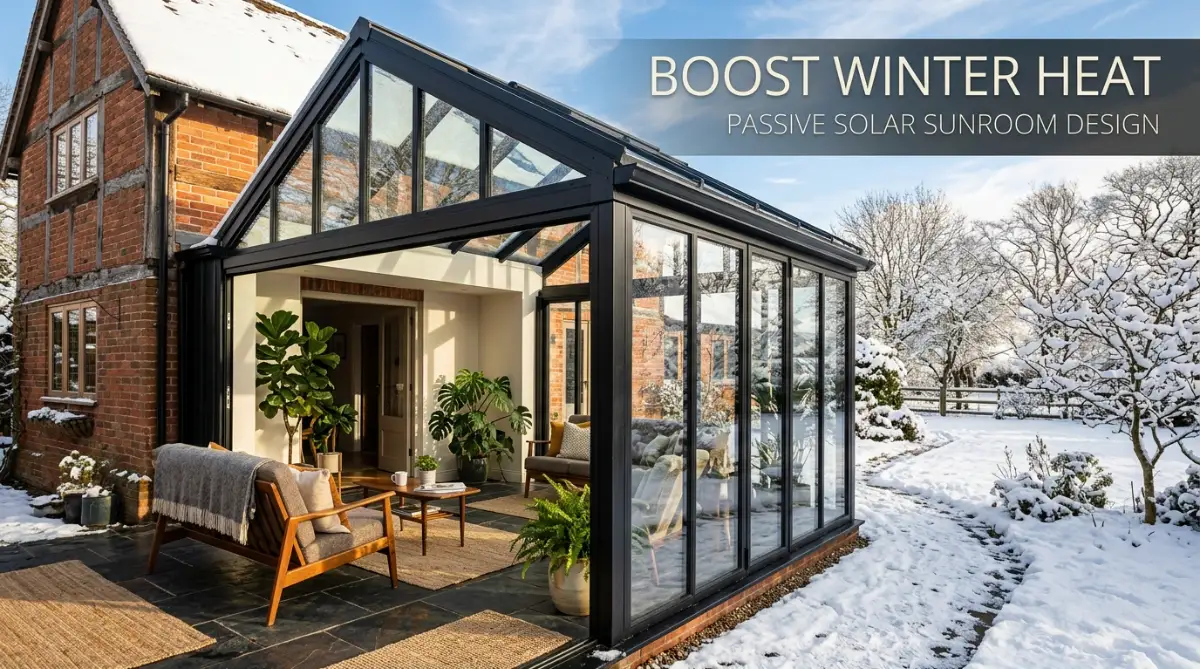
Have you ever walked past a big sunny window in January and felt completely warm, only to step away and freeze again? That exact feeling made me completely rethink how I was heating my house. Instead of throwing hundreds of dollars at the gas company every winter, I decided to turn my unused patio space into a giant, sun-catching heat trap. Let me show you how a simple sunroom can actually heat your main living space for free, without using a single drop of expensive fuel.
This daily struggle started affecting my mood and my ability to just relax in my own space. Instead of enjoying a hot cup of coffee by the window, I was constantly checking for cold drafts and worrying about my energy costs. The constant stress of keeping the house warm completely ruined the cozy feeling that winter is supposed to bring. I realized that my home was fighting against nature instead of working with it.

By building a smartly designed sunroom extension, you can easily trap the sun's natural energy. This turns a simple glass room into a powerful heating engine for your entire house. Let me show you exactly how to make this work for your own home.
Quick Action Plan for Free Winter Heat:
- Point your sunroom directly south to catch the lowest, strongest winter sun rays.
- Install dark, heavy stone or concrete floors to soak up the heat all afternoon.
- Ask your builder for double-glazed windows with a very high solar heat gain rating.
- Trap the heat inside at night using heavy, insulated thermal curtains.
Understanding the Magic of Passive Solar Design
You might be wondering how a simple room with glass walls can actually heat your main house. The concept is called passive solar heating, and it works exactly like a parked car on a sunny day. Have you ever noticed how hot the inside of a car gets when it sits in the sun, even if the weather outside is freezing?
That happens because the glass allows sunlight to enter the space freely. Once that light hits the solid surfaces inside, it turns into heat energy. The glass then acts like a trap, preventing that newly created heat from easily escaping back out into the cold air.
When you design a sunroom with this specific goal in mind, you are basically building a giant heat trap attached right to your living room. The best part is that it requires absolutely no electricity, no moving parts, and zero monthly maintenance costs. You just set it up correctly once, and it quietly works for you every single day the sun shines.
Positioning Your Sunroom to Catch the Best Rays
The absolute most important step in this process is deciding exactly where to build your sunroom. If you point it in the wrong direction, it will not gather enough sunlight to make any real difference in your home's temperature.
To get maximum heat during the coldest months, your sunroom needs to face true south. In the wintertime, the sun sits much lower in the sky and travels across the southern horizon. By facing your large glass windows directly south, you give your room the longest possible exposure to direct sunlight throughout the day.
If pointing it perfectly south is not possible because of your property layout, facing it slightly southeast or southwest can still work very well. Just avoid pointing your new sunroom straight north. A north-facing glass room will actually lose more heat than it gains, making your freezing problem even worse.
You also need to walk outside and look closely at the trees around your house. Evergreen trees with thick leaves will block the precious winter sun. However, trees that drop their leaves in the winter are actually perfect. They will provide nice cooling shade in the hot summer while letting the warming sun shine right through their bare branches during the freezing months.
My Quick Smartphone Trick:
You do not need expensive surveying tools to find the perfect south-facing angle. Just open the default compass app on your phone, stand in your backyard, and turn until you hit exactly 180 degrees. That is the exact spot your biggest sunroom windows need to face!
The Power of Heavy Materials: Introducing Thermal Mass
Capturing the sun's heat is only the very first part of the puzzle. If you do not have a way to store that heat, your sunroom will get extremely hot during the afternoon and then freeze the moment the sun goes down.
This is where you need to use something called thermal mass. Think of thermal mass as a giant sponge, but instead of soaking up water, it soaks up heat. Heavy, dense materials like concrete, stone, brick, and ceramic tile are incredible at absorbing heat energy slowly.
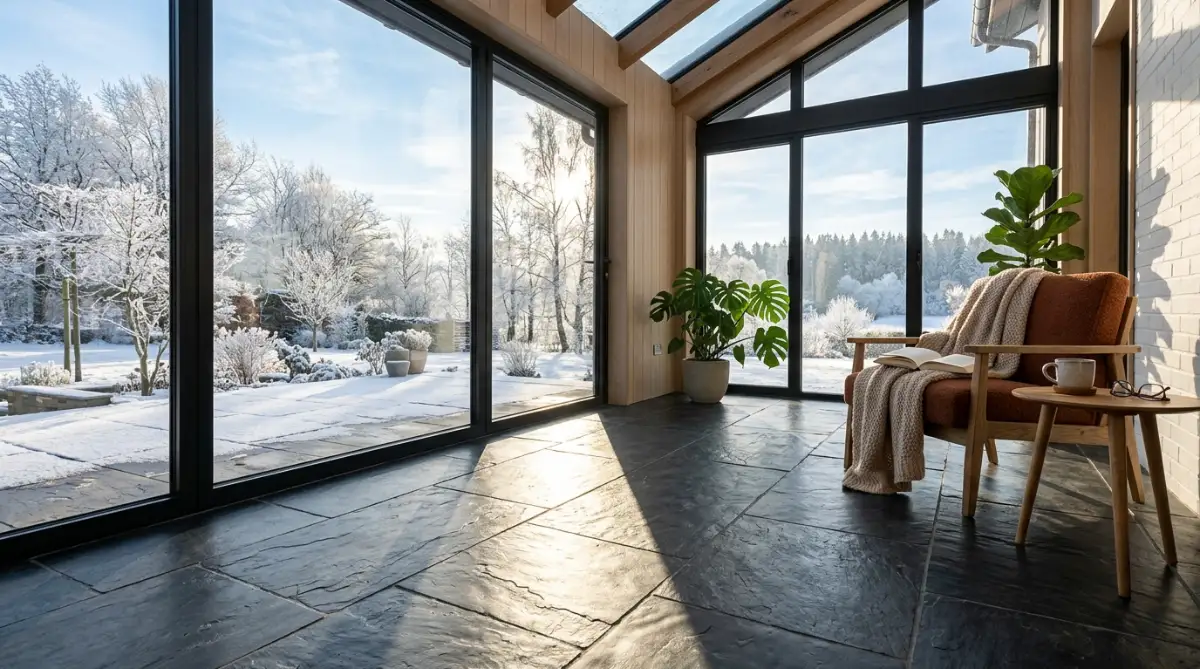
If you put a regular carpet on your sunroom floor, the carpet will heat up quickly but lose that heat instantly. Instead, you should install dark-colored stone tiles or a polished concrete floor right where the sun hits the ground.
Pro Tip: I completely ruined my first indoor garden project by installing beautiful light-colored wood floors, which did absolutely nothing to store the afternoon heat. I quickly learned that switching to dark slate tiles naturally kept the space comfortably warm for hours after the sun actually went down.
When the sun beats down on that heavy stone floor all afternoon, the stone safely stores the warmth deep inside. Then, as the evening air gets colder, the stone floor slowly releases that trapped heat back into the room. This completely natural process can keep your home warm well into the late night without turning on a heater.
Comparing Common Sunroom Flooring Materials
Choosing the Right Glass for Heat Trapping
Not all glass is created equal when you want to build a heating room. If you buy the cheapest single-pane glass available, all the heat you just worked so hard to collect will leak right back outside.
You need to use double-glazed windows at the absolute minimum. Double-glazing means there are two sheets of glass with a tiny layer of air or clear gas trapped between them. That small gap of air acts as an invisible blanket, slowing down the heat from escaping outside.
You should also ask your local builder about glass with a high Solar Heat Gain Coefficient (SHGC). This is just a fancy rating that tells you how well the glass lets heat energy pass through it.
For your south-facing walls, you want glass with a very high SHGC rating so maximum warmth gets inside. However, for the roof or side windows, you might want slightly different glass to prevent the room from turning into an actual oven during the hot summer months.
Moving the Warm Air Into Your Main House
Having a super warm sunroom is great, but the main goal is to push that free heat into your living room and bedrooms. Heat naturally wants to rise and spread out, but sometimes it needs a little helpful push to travel through your house.
The easiest method is simply opening the doors and windows that connect your sunroom to your main living space. As the sunroom heats up, the warm air will naturally expand and flow into the cooler areas of your home.
To speed this process up, you can install a small, quiet circulation fan near the top of the shared wall. Because hot air always rises to the ceiling, a fan placed high up will grab the hottest air in the sunroom and blow it directly into your main house.
This Simple Fan Trick Moves Heat Instantly
Check out how this homeowner easily installed a basic wall fan to push hundreds of degrees of trapped solar heat right into their freezing living room.
At the same time, you want to leave a lower door or vent open at the bottom of the wall. This allows the heavy, cold air from your house to flow back into the sunroom, where the sun will heat it up again. This creates a continuous, natural loop of comfortable warm air flowing through your home.
Managing the Summer Heat Problem
One of the most common worries people have is that a solar heating room will make their house entirely too hot during the summer. This is a very valid concern, but it is incredibly easy to prevent with smart design choices.
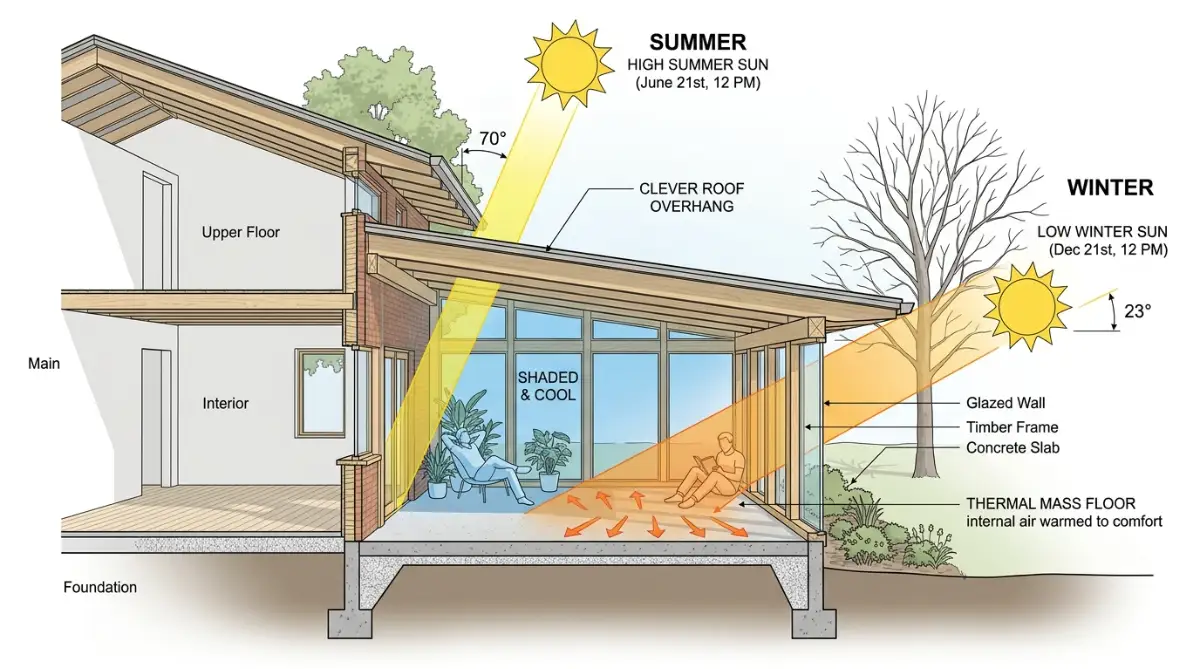
The angle of the sun changes entirely depending on the season. In the winter, the sun hangs very low near the horizon, shining straight through your windows. In the summer, the sun sits straight up high in the sky.
You can block that summer heat by building a roof overhang. By extending the roof out just a few extra feet above the glass, you create a permanent sun shield.
The overhang will perfectly block the high summer sun from hitting the glass, keeping the room shaded and cool. But because the winter sun is so much lower, those warming rays will still easily reach underneath the overhang and heat up your floors.
Myth vs Reality: Sunroom Heating
Myth: You need expensive, high-tech solar panels on your roof to get solar heat.
Reality: Passive solar heating uses basic building materials like glass and stone to catch heat directly. No confusing technology or expensive batteries are required at all.
Myth: A sunroom is totally useless on a cloudy winter day.
Reality: Even on cloudy days, diffused sunlight still enters the glass and generates trapped heat. Your thermal mass floors will also hold onto the heat from the previous sunny day.
Keeping the Heat Locked Inside at Night
When the sun finally sets, the outside temperature drops incredibly fast. Even with the best double-glazed windows, glass is simply not as good at holding heat as a solid, insulated wall.
If you leave the glass completely uncovered at night, the cold outside air will eventually steal the warmth back through the windows. To stop this from happening, you need to add movable insulation to your space.
Heavy, insulated thermal curtains or specialized window blinds are an absolute game changer. As soon as the sun goes down, you simply close these thick curtains over the glass walls.
This adds a massive layer of thick protection between your warm floors and the freezing outdoor air. The heat stays securely trapped inside your home, keeping you incredibly comfortable while you sleep. When you wake up the next morning, you just open the curtains again and let the sun start the whole heating cycle over.
Do's and Don'ts for Nighttime Insulation:
- Do: Buy heavy thermal curtains that have magnetic strips on the sides to create a tight air seal against the window frame.
- Don't: Rely on thin plastic window films. They might stop a tiny draft, but they do absolutely nothing to keep your stored floor heat from escaping.
- Do: Close your blinds the exact moment the sun drops below the horizon to lock the maximum amount of warmth inside.
Designing for Maximum Daily Comfort
When you build an extension like this, you are not just adding a heater to your house. You are adding a bright, beautiful living space that improves your daily life.
Imagine waking up on a freezing January morning and walking into a room that feels like a warm spring day. You can drink your morning tea surrounded by natural light, completely protected from the harsh winds outside.
Because this room requires careful planning, you should always double-check your local building rules before starting construction. You want to make sure your new extension is fully sealed and properly attached to your existing house structure to prevent any cold air leaks.
By carefully choosing the right direction, using heavy stone for your floors, and trapping the heat with good glass, you can drastically lower your monthly bills. You finally take control of your own comfort. Your home becomes a natural, warm sanctuary that easily protects your family from the bitter cold.
Expert Level Strategies to Maximize Your Sunroom’s Heat
Once you understand the basic concept of trapping the sun's energy, you can start looking into some truly amazing advanced techniques. These professional secrets will help you squeeze every single drop of free heat out of your glass room. I learned a few of these tricks the hard way after experimenting with my own heating setup.
One of the absolute smartest things you can do is add water-based thermal mass to your space. While heavy stone floors are fantastic, actual liquid water can hold significantly more heat than solid rock. Some clever homeowners place large, decorative water barrels against the back wall of their sunroom.
If you paint these water barrels a dark, flat black, they will soak up massive amounts of solar energy all afternoon. When the freezing night arrives, that warm water acts like a giant, invisible radiator for your house. This single trick can keep your living room comfortable for hours without spending a single penny on electricity.
You also need to think about how to automatically move this warm air without constantly checking the temperature yourself. You can easily install smart temperature sensors that automatically open your connecting doors or turn on your transfer fans. Setting up this kind of smart routine is surprisingly similar to how digital marketers automate cross-platform social media posts using API keys to save time. You are simply letting basic technology handle the heavy lifting while you relax on the couch.
Mastering Indoor Airflow and Humidity Control
Another secret that most beginners completely ignore is controlling the humidity inside the sunroom. When you combine warm trapped air with indoor plants, your glass room can quickly become very humid. If that heavy moisture travels directly into your cold house, it can cause annoying condensation on your main windows.
To prevent this, you should include tiny, adjustable air vents near the very top of your sunroom roof. These upper vents allow you to slowly release excess moisture outside while still pushing the dry, warm air into your living room. Getting the airflow direction right requires a clear, organized plan. It is much like setting up sustainable naming conventions for automated webhooks where every little detail needs to match up perfectly to work.
Smart Shading for Changing Seasons
You also want to control exactly how much sun enters the room as the seasons slowly shift from winter to spring. While you want maximum heat in January, you might only want a little bit of warmth by late April. This is where adjustable outdoor shading becomes your best friend.
Installing movable wooden louvers or adjustable awnings directly above the outside of the glass gives you total control. You can manually tilt these shades to block the sun completely on a surprisingly warm spring day. If you currently rent a house and cannot build permanent awnings, you might want to look into clever alternatives like how to use portable solar canopies when renting a home to manage your outdoor heat.
The Department of Energy guidelines on passive solar design strongly recommend creating a flexible shading system. You do not want a heating system that only works perfectly for two months out of the year. By making your glass room adaptable, you turn it into a comfortable living space for all four seasons.
Costly Design Blunders That Will Freeze Your Sunroom
Even with the absolute best intentions, people often make massive mistakes when building these spaces. I have seen homeowners spend thousands of dollars on a beautiful glass room, only to realize it feels like a freezing icebox. Let me walk you through the most dangerous pitfalls so you can protect your hard-earned money.
The most common, heartbreaking mistake I see is what I call the "Cozy Rug Trap." People will spend a fortune installing beautiful, dark slate floors to capture the sun's heat perfectly. Then, because they want the room to feel soft, they cover that exact same floor with a giant, thick carpet.
That soft rug completely blocks the sunlight from ever touching the heavy stone underneath. The rug itself gets warm for about ten minutes, but it has zero ability to store that heat for the night. If you want free winter heat, you must keep your dark thermal mass floors completely bare where the sun hits them.
Choosing the Wrong Type of Window Glass
Another terrible mistake happens when people blindly trust a window salesperson without checking the actual glass ratings. Many modern windows come heavily coated with low-emissivity (Low-E) layers specifically designed to block the sun's heat. This is absolutely wonderful if you live in a hot desert, but it completely destroys a passive solar heating plan.
If you install heat-blocking glass on your south-facing walls, you are actively rejecting the free warmth you are trying to catch. You must demand windows with a high Solar Heat Gain Coefficient (SHGC) for the sunny side of your room. According to the Building Science Corporation's insights on window glazing, putting the wrong glass on the wrong wall is the number one reason these rooms fail to perform.
Ignoring the Threat of Nighttime Heat Loss
I also see people constantly forget about what happens when the sun goes down. They design a massive, gorgeous wall of glass and then leave it completely uncovered all night long. No matter how expensive your windows are, glass is still a terrible insulator compared to a solid brick wall.
If you leave those windows bare at night, the freezing outdoor air will slowly suck every bit of warmth right back out. You must install heavy, insulated thermal curtains or specialized magnetic window quilts. Closing these thick covers at sunset is the only way to lock your newly collected heat securely inside your house.
Failing to Seal the Connecting Walls
Finally, please do not forget about the actual doorway that connects your sunroom to your main living space. Some people just leave the original exterior door wide open all day and night without thinking about drafts. If your sunroom drops to freezing temperatures during a nasty midnight blizzard, that cold air will pour directly into your bedroom.
You need high-quality weather stripping around any doors or windows that connect the two spaces. You should treat the wall between your house and the glass room just like a normal outside wall. This ensures you only let the air in when it is warm and helpful, keeping your family perfectly protected when the weather turns angry.
Your Next Steps Toward a Warmer, Happier Home
You do not have to accept the daily misery of freezing toes and massive energy bills anymore. The sun is already pouring free, usable energy onto your property every single day. You simply need to build the right type of catcher's mitt to grab it.
By facing your new room south, using heavy stone floors, and choosing the right glass, you completely flip the script on winter. Instead of fighting the cold, you are inviting the natural warmth inside to do the hard work for you. You are creating a beautiful, peaceful sanctuary where you can actually enjoy watching the snow fall while wearing a t-shirt.
If you want to keep exploring smart ways to improve your living space, check out our home and lifestyle guides for more inspiration. Making small, calculated changes to your house can drastically improve how you feel every single day. Taking control of your home's temperature is one of the most empowering things you can ever do.
The National Renewable Energy Laboratory's research on thermal mass proves that these natural systems are highly effective when built correctly. You do not need a degree in engineering to make this work. You just need a solid plan, a basic understanding of how heat moves, and the willingness to take action.
I know how overwhelming it can feel to plan a home upgrade, but taking that first step changes everything. When I finally sat in my own sunroom in the middle of January without needing a blanket, I knew every bit of effort was totally worth it. You absolutely deserve that exact same feeling of warmth, comfort, and financial peace in your own home.
Common Questions About Solar Sunrooms
Will a sunroom actually save me money on heating bills?
Yes, it absolutely will save you money if it is designed correctly with thermal mass. By trapping the sun's natural energy, you rely significantly less on your expensive home furnace. Many people see a massive drop in their monthly energy costs during the coldest sunny months.
Can I convert my existing porch into a heating room?
You can certainly convert an existing porch, but you have to check which direction it faces first. If your porch faces south and receives strong, direct sunlight, it is a perfect candidate. You will just need to upgrade the walls with high-quality, double-glazed windows and add heavy flooring.
Do I need a building permit for this kind of extension?
Almost every local city requires a formal building permit when adding a permanent extension to your house. You are changing the structural footprint and altering how air flows through your home. Always contact your local zoning office early so you do not run into expensive legal headaches later.
How do I keep my plants alive if the room gets too hot?
Indoor plants actually love the bright light, but extreme heat can definitely shock them. You can protect your plants by opening the upper roof vents to release the trapped hot air. Adding small shade cloths over your delicate plants during the hottest afternoon hours also works wonderfully.
Are these rooms safe during severe winter storms?
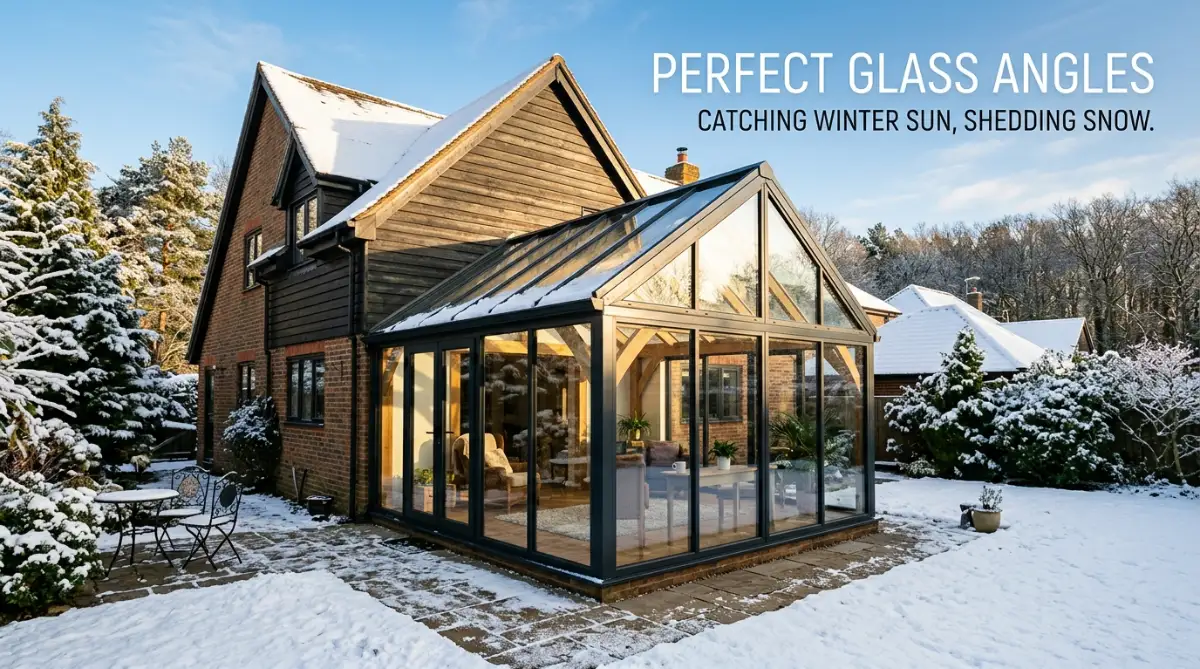
Yes, as long as you use modern, tempered safety glass designed for exterior building codes. Tempered glass is incredibly strong and can easily handle heavy snow loads and strong winter winds. Just make sure your roof angle is steep enough to let heavy snow slide right off.
Disclaimer: The information provided in this article is for educational and informational purposes only. Building codes, energy requirements, and structural safety rules vary significantly by location. Always consult with a licensed contractor, architect, or local building authority before starting any home renovation or extension project.