The Heavy Cost of Traditional Hot Water
You probably do not think twice about turning on the hot water tap. But right now, that big metal tank sitting quietly in your utility room is eating up a huge chunk of your energy budget and pumping out hidden emissions. I finally got completely fed up with paying high utility bills just to take a warm shower. So, I decided to bypass the power company altogether and let the sun do the heavy lifting.
I knew that the electricity keeping my water hot was largely coming from burning dirty fossil fuels. I wanted to live a greener life, but my daily habits were secretly adding massive amounts of carbon to the atmosphere. It felt like a trap I could not escape.
For a long time, I thought making a real difference meant buying an expensive electric car or installing massive solar grids. I completely ignored the large metal tank sitting quietly in my utility room. That single appliance was silently running up my footprint day and night.
Millions of ordinary people face this exact same hidden burden right now. You try to recycle, use less plastic, and turn off the lights to do your part for nature. Yet, your home heating systems are quietly working against all those good intentions.
I finally realized I had to make a change that actually mattered. That is when I started looking into the true environmental benefits of capturing the sun's heat directly from my roof.

Quick Action Guide: What You Will Learn
- Why switching to a sun-powered setup cuts your home carbon footprint almost instantly.
- How a simple digital timer on your backup heater stops you from secretly using dirty grid power.
- The surprising truth about how traditional hot water tanks waste massive amounts of fresh water at local power plants.
- Easy, everyday habits that force your system to run on 100% free sunlight.
How Solar Thermal Energy Changes the Game
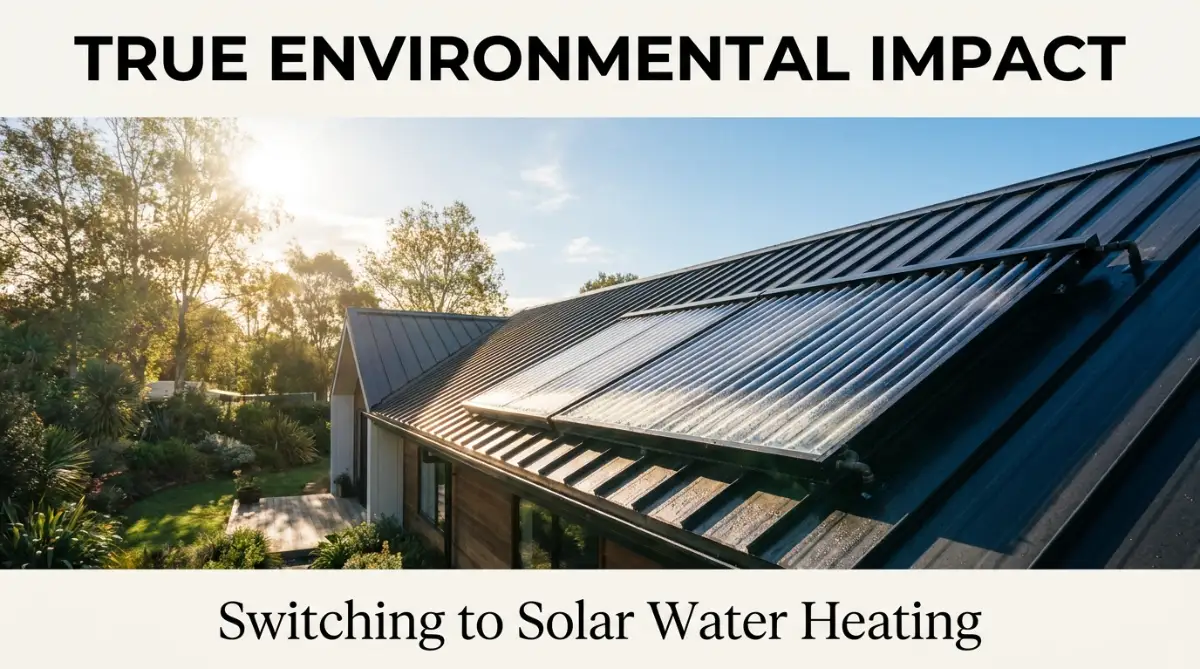
Switching your primary heating source is easily one of the most powerful moves you can make for nature. We often hear vague promises about going green, but the actual numbers behind solar thermal energy are mind-blowing. Let us look at exactly what happens to the environment when you install this system on your roof.
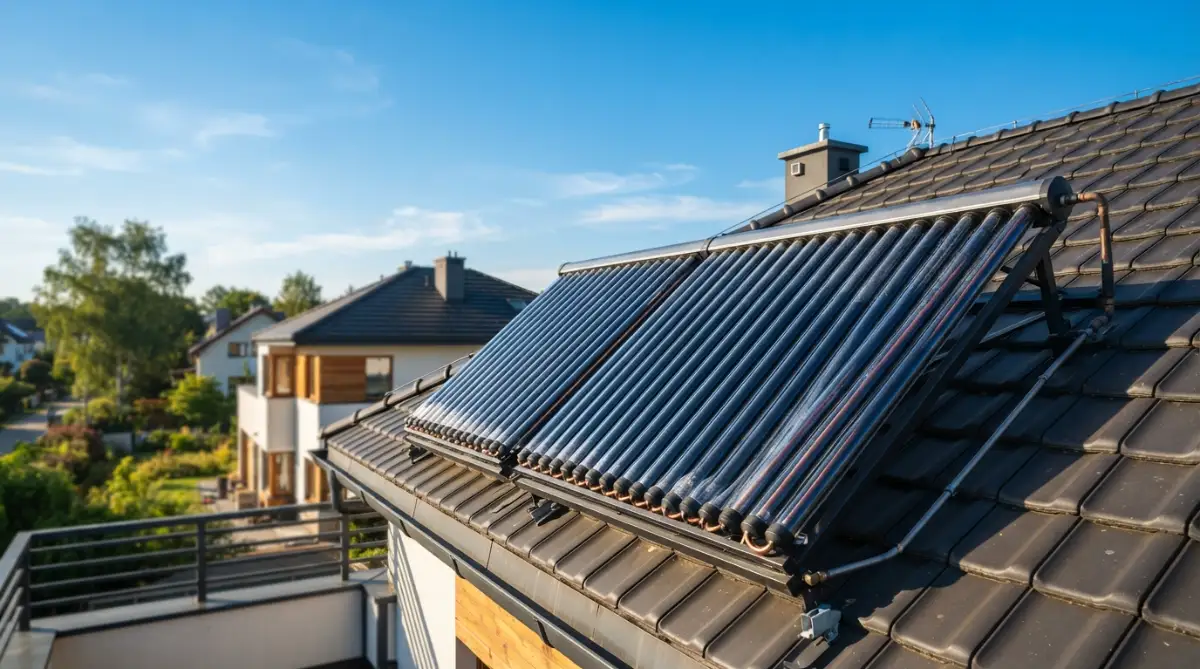
Most traditional tanks rely heavily on grid power, which means burning coal or natural gas miles away just to warm up your morning shower. When you switch to a sun-powered setup, you cut that heavy dirty cord immediately. You become your own tiny, completely clean utility company.
This shift creates a massive drop in your household greenhouse gas production almost overnight. Instead of relying on a distant power plant, you capture raw, natural heat that costs the earth absolutely nothing.
Slashing Your Personal Carbon Footprint
Every time a regular heater turns on, unseen carbon dioxide pumps into the air. An average family uses a huge amount of hot water for dishes, laundry, and bathing every single day. Over a decade, that adds up to literal tons of dangerous emissions from just one single household.
A sun-powered system practically wipes out this specific source of pollution. The moment the installer connects those roof panels, you stop pulling heavily from the dirty energy grid. You are instantly preventing harmful gases from entering our delicate atmosphere.
Imagine taking a standard gas-powered car off the highway permanently. That is the kind of massive carbon reduction we are talking about with this single home upgrade. You are directly fighting global warming from your own bathroom.
10-Year Home Impact: Grid Power vs. Solar Thermal
| Feature | Standard Electric Heater | Solar Thermal Setup |
| :--- | :--- | :--- |
| Grid Power Used | 100% | 10% to 15% (Backup only) |
| Water Wasted at Plant | Thousands of gallons | Zero |
| Carbon Output | Roughly 20 tons | Almost none |
| Monthly Bill Stress | Very high | Extremely low |
Note: Seeing these numbers side-by-side finally convinced me to stop renting my energy and start capturing it from my own roof.
The Hidden Water Savings You Never Notice
Here is a shocking fact most people never realize about regular grid electricity. Power plants require millions of gallons of fresh water to cool their massive turbines and reactors. When you use less grid power, you indirectly save massive amounts of fresh water at the source.
Pro Tip: When I first planned my upgrade, I made the mistake of looking only at money savings. I soon realized that sizing my backup tank properly meant I hardly ever touched grid electricity, maximizing my green impact far beyond my expectations.
Your new thermal setup uses zero extra water to generate its heat. The closed-loop fluid inside the panels simply cycles through, quietly warming your supply without wasting a single drop of nature's most precious resource.
Why the Local Power Grid Needs Your Help
Our local electrical grids are under constant, massive strain during the morning and evening hours. This happens because entire neighborhoods wake up and turn on their showers at the exact same time. Power companies are forced to fire up extra, highly polluting "peaker plants" just to handle this sudden demand.
By generating your own heat, you pull your home out of that dangerous morning energy rush. You actively help stabilize the community network by demanding far less power during peak times.
"Check out this amazing breakdown of how solar panels actually capture heat right on your roof, step by step!"
When enough neighbors make this upgrade, utility companies can actually shut down those dirty backup plants completely. Your personal choice creates a powerful ripple effect that cleans up the air for your entire city.
Breaking Down Common Solar Myths
Many homeowners hesitate because they hear confusing rumors about renewable systems. Let us clear up the confusion so you can see the clear environmental reality.
Myth: The manufacturing process creates more pollution than the panels save.
Reality: The energy payback period for these systems is surprisingly short. A well-built unit offsets its own manufacturing carbon footprint within the very first few months of use. After that, it provides decades of pure, zero-emission energy.
Myth: They only work in boiling hot climates.
Reality: Modern evacuated tubes absorb UV rays even on freezing, cloudy days. They are highly efficient all year round, ensuring you keep your green promise regardless of the weather.
The Life Cycle and Recyclability
A huge part of being eco-friendly is making sure our products do not end up rotting in landfills. Thankfully, these heating systems are incredibly durable and built to last a very long time. With basic maintenance, a good setup will keep your home green for many years without needing replacement.
When the time finally comes to retire the unit, the environmental news stays positive. Most components, like the copper pipes, aluminum frames, and glass tubes, are highly recyclable. This means the raw materials can easily be melted down and used again.
Contrast this with traditional cheap tanks that rust out and end up in the dump every few years. The long lifespan of sun-powered equipment drastically reduces the heavy burden on local waste management facilities.
Protecting Local Air Quality
We often talk about global warming, but what about the air your children breathe right outside your door? Homes that burn natural gas for heat directly release nitrogen oxides into the local neighborhood air. These hidden fumes contribute heavily to local smog and childhood respiratory issues.
By upgrading your equipment, you completely eliminate these dangerous backyard emissions. Your home becomes a clean zone that does not dump toxic fumes into the nearby environment.
You are quite literally making the air fresher and safer for your own community. This local impact is something you can feel incredibly proud of every time you step outside.
Measuring the Difference: A Clear Comparison
Understanding the sheer scale of this change helps put things into a real perspective. Let us look at a simple comparison of how these two vastly different methods treat our planet.
This breakdown shows exactly why switching is not just a personal benefit. It is a massive win for the surrounding ecosystem and the future of our local habitats.
How Nature Bounces Back
As less fossil fuels are burned, our forests and oceans get a much-needed break from absorbing heavy carbon loads. The natural balance of our ecosystem begins to slowly heal when human beings step back from constant consumption.
You might think your single house cannot possibly make a dent in global pollution levels. But real change always starts with one roof, one family, and one smart decision at a time.
The Psychological Shift Toward Sustainable Living
Something amazing happens to your mindset when you start generating your own clean resources. You become much more aware of how you interact with nature on a daily basis. The simple act of washing your hands feels completely different when you know the sun did the heavy lifting.
This upgrade often acts as a gateway to even more positive lifestyle changes. Families who install these systems naturally start conserving water, recycling more, and reducing their overall waste. It builds a beautiful culture of respect for the environment right inside your living room.
You are no longer just a passive consumer draining the earth's reserves. You become an active partner with nature, working together to create a comfortable home without causing any harm.
Less Mining, Less Drilling, Less Destruction
Think about the long, destructive journey of the natural gas or coal used to power normal appliances. Massive machines must rip open the earth, destroying animal habitats and polluting nearby rivers just to extract the fuel. Then, heavy trucks must transport that fuel across the country, spilling toxins along the way.
When you heat your home naturally, you simply bypass this entire violent chain of events. You are telling the market that you do not support unnecessary drilling and mining operations.
Your hot water no longer comes with a hidden price tag of destroyed forests and contaminated streams. It arrives silently from the sky, completely pure and free of any environmental trauma.
Setting a Powerful Example for the Next Generation
Children learn by watching how we interact with the world around us. When kids grow up in a house powered by nature, they view renewable resources as totally normal. They will not have to "unlearn" bad habits like we did, because living sustainably is all they will ever know.
You are teaching them that we do not have to destroy the earth just to live comfortably. This hands-on education is far more valuable than anything they will read in a textbook.
They get to see real science and environmental care working together flawlessly on their own roof. You are raising a generation of mindful citizens who will naturally continue protecting the planet.
The Long-Term Vision for Eco-Friendly Neighborhoods
Imagine if every single house on your street made this exact same upgrade tomorrow. The massive drop in local power demand would instantly make the community grid more stable and resilient. We would see a visible reduction in neighborhood smog and hear less noise from heavy utility infrastructure.
This is not just a pipe dream; it is already happening in forward-thinking communities around the globe. By taking the first step, you often inspire your friends and neighbors to ask questions and follow your lead.
One single shiny panel on your roof acts as a quiet conversation starter. Before you know it, you are helping to build a localized green movement right in your own zip code. Your personal upgrade transforms into a powerful community effort for a cleaner, healthier future.
Expert Strategies to Maximize Your Green Impact
Getting the equipment on your roof is only the first step in your eco-friendly journey. If you truly want to help the environment, you have to learn how to work side-by-side with your new setup. A lot of homeowners install these panels and simply forget about them.
However, making a few smart adjustments to your daily routine can double your energy savings. It is all about shifting your habits to match the natural rhythm of the sun. When you sync your life with nature, the environmental benefits become massive.
Let us explore some advanced, everyday actions that will keep your carbon footprint incredibly low. These are simple tricks anyone can do without needing a technical background.
Master Your Daily Water Routine
Most of us are used to taking hot showers whenever we want, usually early in the morning. But think about how a sun-powered tank actually operates. It spends the entire day absorbing natural heat, reaching its maximum temperature in the late afternoon.
If you drain all the hot water early in the morning, the tank fills up with cold water. Since the sun is barely up, your system might automatically turn on the electric backup heater. This totally defeats the purpose of having a green energy setup.
By simply shifting your heavy water usage to the evening, you use the pure, sun-heated water right at its peak. You are essentially taking a shower powered 100% by nature, leaving the grid completely untouched.
My Personal 3-Step Evening Water Routine:
- Run the dishwasher at 6 PM: The tank is full of boiling hot water from the afternoon sun. I use it before the tank cools down overnight.
- Shower before bed: Taking evening showers means I use 100% pure sun-heated water, completely avoiding the morning grid rush.
- Turn off the backup element: I keep my electric backup heater switched off entirely during sunny summer months.
Tame the Backup Heating Element
Almost every sun-powered tank comes with a standard electric heating element built inside. This acts as a safety net for those heavy rainy days when the sun refuses to shine. But if you leave this backup switch turned on all the time, it will secretly steal power from the dirty local grid.
You might think you are saving the planet, but your tank is quietly running on fossil fuels in the background. The smartest thing I ever did was install a simple digital timer on my backup switch.
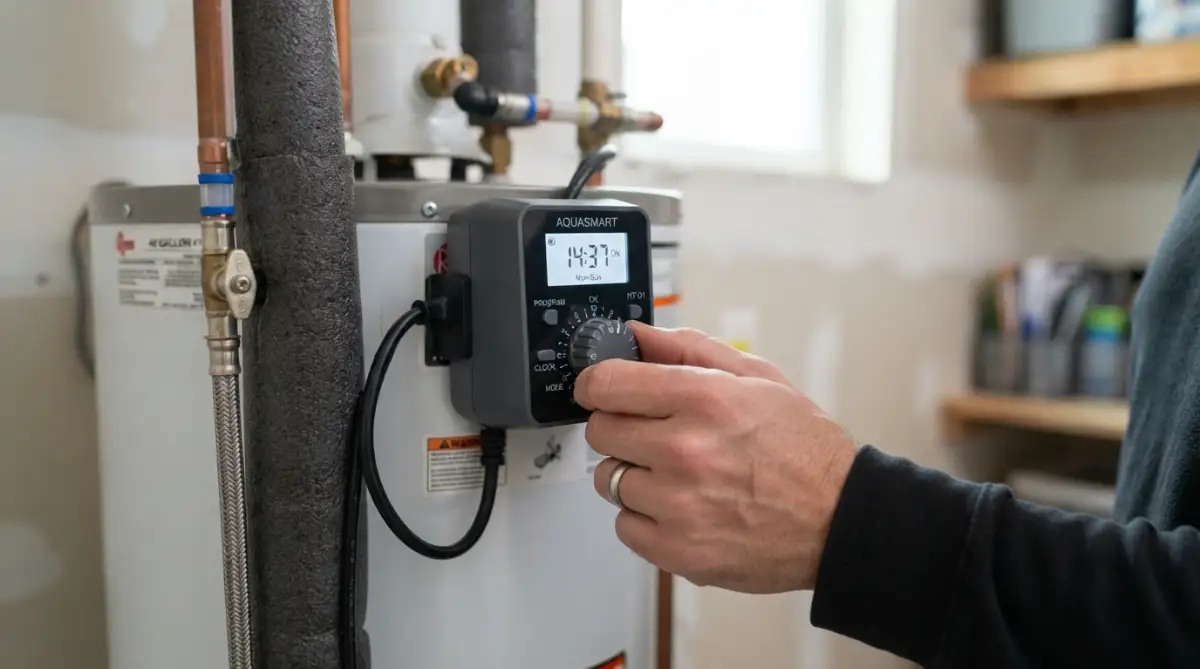
I programmed it so the electric element can only turn on for one hour right before sunrise. This guarantees I never wake up to a freezing shower, but it forces the tank to rely on natural sunlight for the rest of the day.
Keep the Sun Pathway Clear
Your roof panels need direct, uninterrupted access to UV rays to work efficiently. Even a small amount of shade can severely drop the temperature in your tank. When the temperature drops, you end up relying on community power stations again.
Make it a habit to check the trees around your house every single season. A tiny branch in the spring can grow into a massive leafy shadow by mid-summer. Trimming these branches ensures your panels can soak up maximum natural heat all day long.
If you are unsure where to place new equipment, figuring out how to find the best sun spots on your property for maximum power is an absolute must. Proper placement drastically reduces your reliance on harmful backup energy.
Insulate Everything Like a Pro
Generating clean heat is wonderful, but losing that heat through bare pipes is a terrible waste of resources. As hot water travels from your roof down into your bathrooms, it loses a lot of energy to the cold air.
You can easily stop this by wrapping all your exposed plumbing in thick foam insulation tubes. This simple hardware store purchase keeps the heat trapped tightly inside the copper lines.
When your pipes hold onto their warmth, your system does not have to work as hard to maintain the tank temperature. According to experts studying residential energy efficiency standards, simple pipe insulation directly cuts down on unnecessary greenhouse gas emissions.
Guard Against Unwanted Roof Guests
We often forget that our roofs are basically wild habitats for local wildlife. Birds, squirrels, and insects love the warm, sheltered spaces underneath outdoor equipment. While they are cute, they can cause serious environmental problems for your green setup.
Pigeon droppings are highly acidic and can permanently cloud the protective glass on your thermal tubes. Cloudy glass blocks the sun, forcing your home back onto the dirty power grid.
Learning how pigeons and roof pests are ruining your solar panels will save you a lot of headaches. Installing simple wire mesh guards keeps the animals safe while protecting your eco-friendly investment.
Hidden Pitfalls That Hurt the Planet
Upgrading your home is a fantastic choice, but it is surprisingly easy to accidentally mess up the environmental benefits. I see so many well-meaning homeowners make innocent mistakes that end up harming the ecosystem they are trying to protect.
Understanding these traps will keep you on the right path. Let us look at the most common blunders people make with their renewable setups.
The "Free Energy" Illusion
When you finally realize that the sun is paying your heating bills, a dangerous psychological shift can happen. You might start taking forty-minute showers simply because the heat feels totally free.
While the sunlight does not cost money, the fresh water pumping into your house certainly does. Processing and pumping clean water to residential neighborhoods requires massive amounts of industrial electricity.
If you waste endless amounts of hot water, you are still creating a huge carbon footprint somewhere else in the city. Always remember that true eco-friendly living requires mindful conservation of all natural resources.
Ignoring Regular Maintenance Checks
A healthy system runs cleanly, but a neglected system becomes a massive drain on the environment. Hard water is one of the biggest enemies of plumbing equipment everywhere. Over time, heavy minerals like calcium build up inside the storage tank and coat the heating elements.
This thick, rocky scale acts like a blanket, stopping the heat from transferring into your water. Your tank becomes incredibly inefficient and starts heavily draining power from local coal plants just to keep up.
Flushing your tank once a year removes this harmful scale and restores perfect efficiency. Ignoring this simple chore often leads to premature equipment failure, which sends huge chunks of metal straight to the local landfill.
Buying the Wrong Size Tank
Sometimes, in an effort to save money upfront, people buy a storage tank that is way too small for their family. This is one of the worst things you can do for the planet.
If four people try to take back-to-back showers with a tiny tank, the naturally heated water runs out instantly. The system completely panics and fires up the electric element at maximum blast.
You end up using just as much dirty fossil fuel energy as you did with your old standard heater. Sizing your system properly ensures you always have enough green energy stored up for your actual daily needs.
Overcomplicating the Smart Controls
Modern panels often come with highly advanced smart monitoring apps and digital controllers. Sometimes, figuring out these digital dashboards feels as stressful as trying to figure out how to navigate software licensing without a legal degree.
Because the apps can be confusing, many people just leave their system on the factory default settings. Factory settings prioritize extreme comfort over environmental efficiency, meaning the backup grid power kicks on way too often.
Take a Sunday afternoon to actually read the manual and learn how your controller works. Adjusting the target temperature down just a few degrees can result in massive environmental savings over a decade. Researchers tracking household carbon footprints and climate impacts constantly note that minor temperature adjustments create incredible reductions in home emissions.
Failing to Check the Antifreeze Fluid
If you live in a place that gets cold in the winter, your roof panels likely use a special heat-transfer fluid. This liquid absorbs the sun's rays and carries the heat down into your main water supply.
Over many years, the intense summer heat can cause this fluid to slowly break down and turn acidic. When it breaks down, it cannot transfer heat effectively, and your system loses its green edge.
Even worse, highly degraded fluid can actually eat through your copper pipes and cause a toxic leak on your roof. Having a professional test this fluid every few years ensures your home stays safe and perfectly eco-friendly.
Your Next Steps Toward a Zero-Emission Home
Taking control of your own energy production is an incredibly rewarding experience. You are no longer just a helpless consumer paying high bills to distant power companies. You are now an active protector of the local environment.
Every single day your panels soak up the sun, you are keeping toxic gases out of the sky. You are reducing the strain on aging city grids and keeping rivers clean from power plant runoff.
This one home improvement project has a beautiful, compounding effect on the world around you. When you combine this technology with mindful water habits, your house becomes a true model of sustainability.
Pro Tip: I highly recommend keeping your old utility bills in a folder. Looking at the drastic drop in your power usage after six months is the greatest motivation to keep finding new ways to go green.
If you want to dive deeper into making your entire property more sustainable, exploring the resources on our main home improvement portal is a great next step. There are always new, exciting ways to harmonize your daily life with nature.
Remember, making a real impact does not require you to sacrifice your modern comforts. It just requires a little bit of smart planning and a willingness to try better technology. The National Renewable Energy Laboratory continually shows that residential renewable upgrades are the fastest path to a cleaner, healthier society.
I remember taking my first evening shower, knowing the warm water hitting my shoulders was heated entirely by the afternoon sun. It was an amazing feeling of independence and deep peace of mind. You have the power to create that exact same feeling in your home, starting right now.
Real Questions People Have About Sun-Powered Heating
Does a solar water heater actually help the environment during winter?
Yes, they are incredibly effective even when the weather gets completely freezing. The glass tubes are specifically designed to capture natural UV light, not just outside heat. As long as the sun is shining through the clouds, you are actively reducing your carbon footprint.
Will this upgrade completely eliminate my monthly electricity bill?
While it will not wipe out your entire bill, it dramatically cuts down the portion used for heating water. For most families, water heating makes up a massive chunk of their monthly energy waste. You will see a very noticeable drop in your reliance on local power plants.
What happens to the panels when they finally stop working?
The best part about this technology is how easily the materials can be recycled. The heavy glass, copper pipes, and aluminum mounting frames are highly valuable to recycling centers. Unlike cheap plastic appliances, very little of this system ends up rotting in a landfill.
Is the manufacturing process worse for the planet than the savings?
Not at all. The energy required to build these panels is usually offset within the first few months of use. After that short payback period, your system provides decades of totally pure, zero-emission heat.
Can I install this system myself to save some money?
While it is technically possible for highly skilled individuals, I strongly advise hiring a certified professional. Proper plumbing, roof sealing, and handling pressurized hot fluids require real expertise. A poor installation usually leads to leaks, inefficiency, and wasted materials that hurt the environment.
Disclaimer: The information provided in this article is for educational and informational purposes only and does not constitute professional financial, legal, or licensed contractor advice. Always consult with a certified local professional before making major structural or electrical upgrades to your home.