The Hidden Nightmare Living Above Your Ceiling
Looking at your shiny new rooftop solar setup, you probably see a smart way to slash your monthly electric bill. But local birds, squirrels, and raccoons? They see a luxury five-star heated resort. Before you even realize what's happening, those annoying pigeons aren't just waking you up early with their cooing—they are actively chewing up your wires, creating serious fire hazards, and completely tanking your energy production. Let's fix this mess before it costs you thousands.
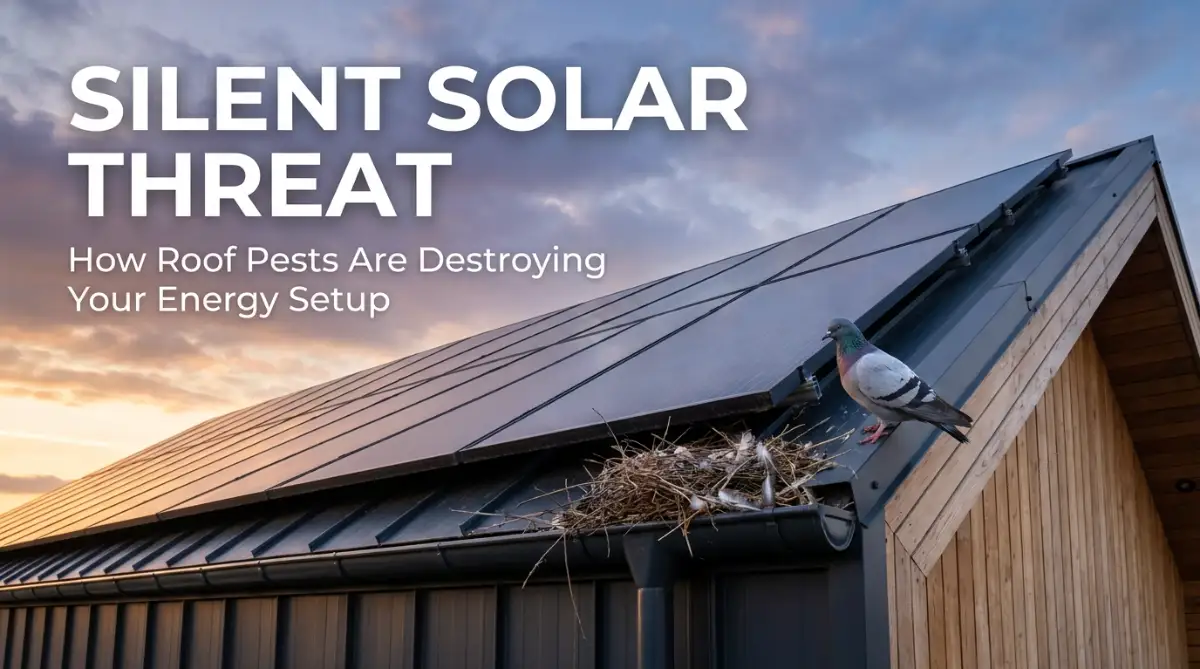
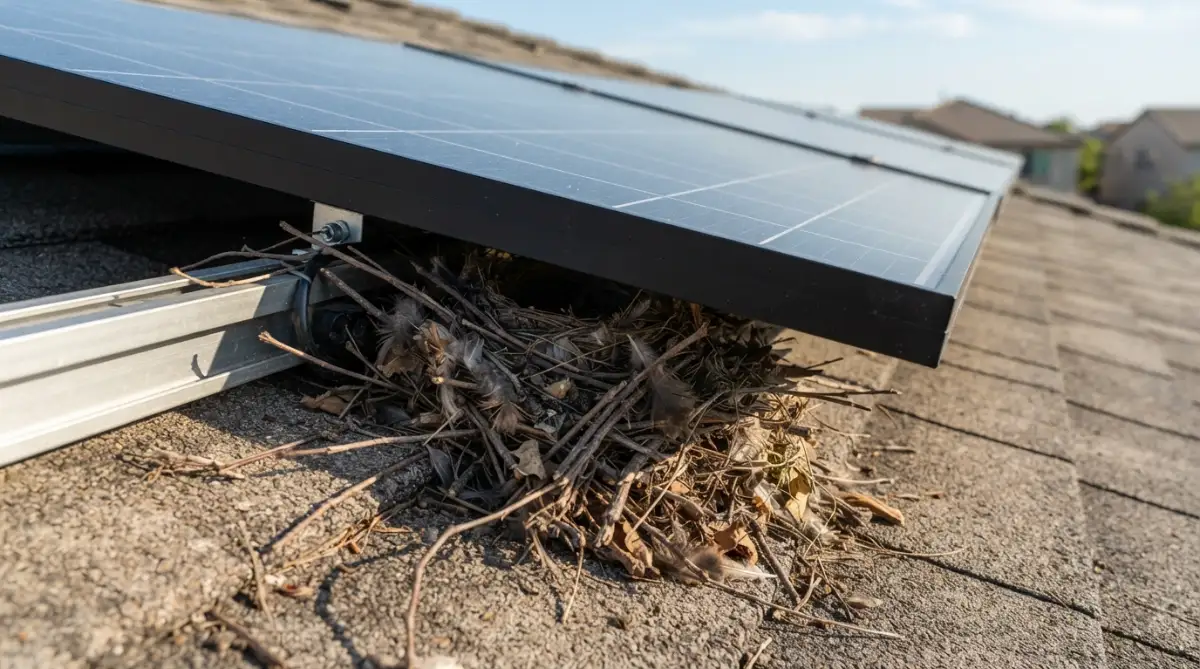
A thick, awful stench of ammonia filled the air around my roof tiles. I peeked under the glossy black panels and saw a chaotic mess of twigs, feathers, and dry droppings. These birds had completely turned my expensive investment into a luxury pigeon hotel.
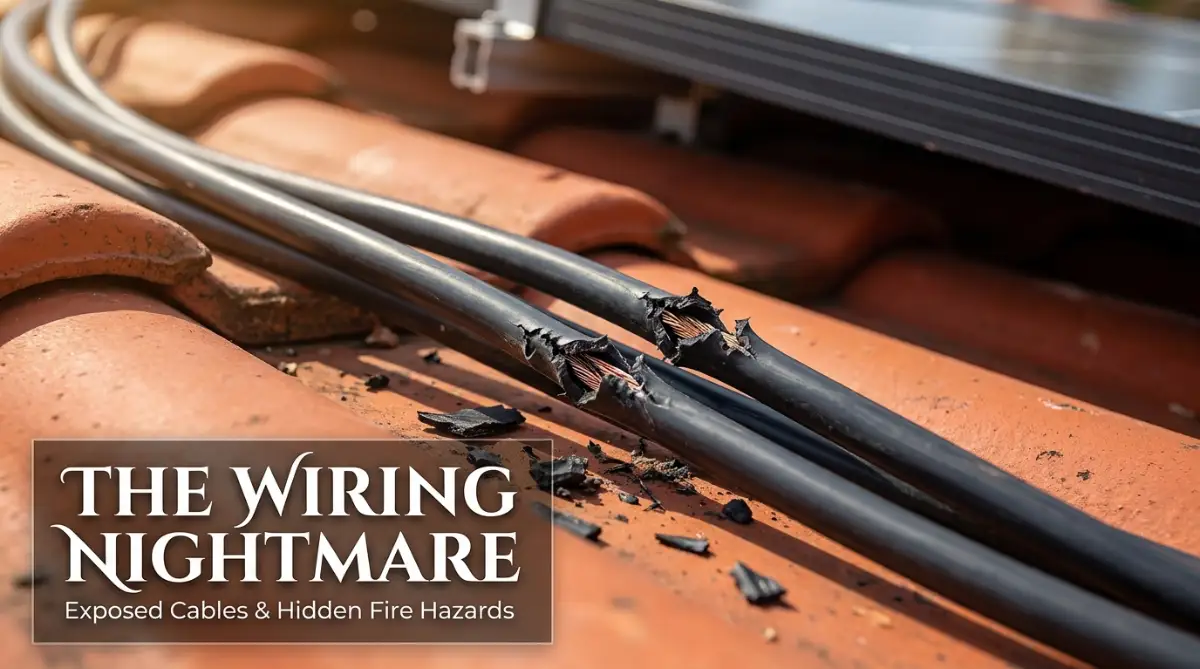
My heart sank as I noticed exposed copper wires peeking out from heavily chewed-up cables. This was supposed to be a smart financial move for my family, not a pest control nightmare.
Dealing with roof pests is not just an annoying little home maintenance task. It actually destroys your peace of mind and leaves you feeling completely helpless. You invest thousands of dollars to make your home energy-efficient, only to lose sleep over tiny birds.
Instead of enjoying lower utility bills, you wake up early to the frustrating sound of cooing and scratching above your ceiling. The constant worry starts to take a serious toll on your daily life and mental health. Every time the power flickers, a sudden wave of panic washes over you.
You constantly wonder if a simple rainstorm will cause a dangerous short circuit. Family dinners get ruined by the hidden anxiety of potential fire hazards lurking right above your heads. It creates a heavy, unseen mental burden that drains your energy every single day.
Quick Takeaways for Protecting Your Roof
- The Threat: Pigeons and rodents are drawn to the shade and warmth under your solar setup, bringing highly acidic droppings and a habit of chewing wires.
- The Risk: Chewed cables expose live electrical currents, creating massive fire hazards when mixed with dry nesting materials.
- The Fake Fixes: Plastic owls, peppermint oil, and ultrasonic noise makers will not stop determined pests.
- The Real Solution: You must install a physical barrier using PVC-coated galvanized steel mesh and stainless steel J-clips—without ever drilling into your panel frames.
Why Your Modern Roof Tech is the Ultimate Pest Sanctuary
You might wonder why birds and rodents are so heavily attracted to your expensive energy equipment in the first place. The answer comes down to basic survival instincts and the unique environment these panels create. When you install these shiny modules on your roof, you accidentally build a five-star resort for local wildlife.
The gap between the roofing material and the bottom of the panel provides the perfect amount of shade. During the scorching hot summer months, this shaded area stays much cooler than the exposed roof tiles. It gives pests a highly comfortable place to rest and escape the intense afternoon sun.
In the colder winter months, the situation completely reverses but remains equally attractive to animals. The dark glass absorbs sunlight all day, trapping warmth underneath the modules even after the sun goes down. Pigeons specifically seek out these warm pockets of air to survive freezing nights.
Furthermore, this tight space offers incredible protection from natural predators like hawks or stray cats. A pigeon can comfortably lay her eggs under the glass, knowing larger animals simply cannot reach them. They feel entirely safe, which encourages them to build massive, permanent homes right on top of your delicate electrical setup.
The constant cycle of birds moving in, breeding, and expanding their territory happens completely out of your sight. By the time you actually notice the noisy cooing sounds, multiple generations of pests might already be living up there. This hidden microclimate is exactly why this problem grows so quickly without homeowners realizing it.
The Chemistry of Destruction: How Bird Droppings Eat Your Investment
Most people think bird droppings are just a gross visual nuisance that you can easily wash away with a garden hose. However, the reality of pigeon waste is far more destructive and chemically dangerous to your home. Pigeon poop is incredibly acidic, acting almost like a slow-moving corrosive chemical on your expensive equipment.
When these birds live under your system for months, their waste builds up into thick, hardened layers. This highly acidic substance slowly begins to eat away at the protective outer layer of your solar cables. It breaks down the tough plastic insulation that is supposed to keep the electrical current safely contained inside.
Over time, this constant chemical attack causes the wire casings to become brittle, cracked, and completely useless. Once the plastic jacket cracks open, the internal copper wiring is suddenly exposed to rain, wind, and morning dew. This exact situation easily leads to massive system failures and completely ruins your energy production.
Beyond the wires, the acid also attacks the aluminum mounting brackets holding everything together on your roof. You will start noticing deep rust spots and weakened structural joints that could fail during a heavy windstorm. What starts as a simple bird problem quickly transforms into a major structural and electrical disaster.
The Terrifying Reality of Chewed Wires and Hidden Fire Risks
While acidic droppings are bad, the physical damage caused by active pests chewing on your system is genuinely terrifying. Squirrels, rats, and even some stubborn birds love to sharpen their beaks and teeth on anything they can find. Unfortunately, the thick, rubbery cables connecting your energy array provide the perfect chewing material for these animals.
They will gnaw right through the weather-proof jackets, completely exposing the live electrical current flowing inside. This creates a massive fire hazard right on top of the highly flammable materials making up your home structure. All it takes is one small spark from a damaged wire to ignite the dry debris nearby.
This combination of exposed power and dry nests is a perfect recipe for a sudden rooftop fire. Many homeowners completely ignore this risk because they assume their smart inverter will automatically shut down if something goes wrong. While modern systems have safety features, they cannot always detect a tiny, slow-burning spark catching a dry leaf on fire.
The financial loss tied to chewed wires is also absolutely heartbreaking for ordinary families. Replacing a heavily damaged solar string or a fried micro-inverter can easily cost hundreds or even thousands of dollars. Your standard home warranty usually completely refuses to cover damages caused by animal neglect, leaving you to pay the entire bill.
The Real Cost of Pest Damage (A Quick Breakdown)
To give you an idea of why ignoring this is a bad idea, here is what standard repair costs look like if animals ruin your setup:
- Replacing a Chewed Wire Harness: $150 - $300
- Replacing a Fried Micro-Inverter: $200 - $400 per unit
- Removing Dead Animals & Deep Cleaning: $300 - $600
- Total System Rewiring (Worst Case): $1,500+
I learned the hard way that simply hoping the problem goes away is the worst thing you can do.
My own mistake taught me a very expensive lesson about waiting too long to fix pest issues. I noticed a few birds on my roof but thought the upcoming rainy season would naturally wash their nests away. Instead, the rain soaked the acidic droppings directly into the wire connectors, completely shorting out half of my panels in one afternoon!
Exposing the Truth: Common Myths About Roof Pest Control
When people first discover they have a pigeon problem, they usually turn to the internet for quick, cheap solutions. Sadly, the web is heavily flooded with bad advice and useless old wives' tales that simply do not work. Relying on these fake solutions only gives the birds more time to destroy your expensive electrical setup.
One of the most popular myths is that placing plastic fake owls on your roof will scare the pigeons away forever. While this might actually work for exactly two days, pigeons are incredibly smart and observant creatures. They will quickly realize the plastic owl never moves, and they will soon start sitting right on top of its head.
Another highly common piece of bad advice is spraying peppermint oil or hot sauce around your panels. While strong smells can briefly annoy rodents, they do absolutely nothing to stop a determined mother bird from returning to her nest. Plus, the hot sun completely evaporates these homemade sprays within just a few hours.
Some homeowners also believe that playing high-frequency ultrasonic sounds will keep all pests away from their property. The truth is, these sound devices rarely reach the exact hidden corners under your energy modules. Even if they do, most birds quickly adapt to the annoying noise because the warmth of the solar panels is too valuable to leave behind.
The reality is much simpler: you cannot trick a wild animal into abandoning a perfect, warm home. You have to physically block them from entering the space under the modules to truly solve this headache. Wasting time on plastic owls and useless sprays only allows the acidic damage to spread further into your wiring.
Before you grab a ladder to check your own roof, you really need to understand what this hidden damage actually looks like up close. Watch this highly educational breakdown showing exactly how fast pests can destroy a brand-new energy setup.
Spotting the Early Warning Signs Before Disaster Strikes
Catching a pest infestation early is the absolute best way to save your energy equipment from permanent destruction. You do not need to be a certified electrician to spot the subtle clues these animals leave behind. You just need to pay very close attention to your daily surroundings and your system's performance data.
The very first sign usually comes directly from your daily energy monitoring app on your smartphone. If you suddenly notice a sharp, unexplained drop in your power production, do not just blame a cloudy day. A sudden dip often means a chewed wire has completely disconnected one of your panels from the main grid.
Listen carefully to the noises coming from your ceiling during the early morning hours and right before sunset. If you hear muffled scratching, loud cooing, or the pitter-patter of little feet, you definitely have unwanted guests. These sounds are a guaranteed sign that a family of animals has set up a permanent camp right above your head.
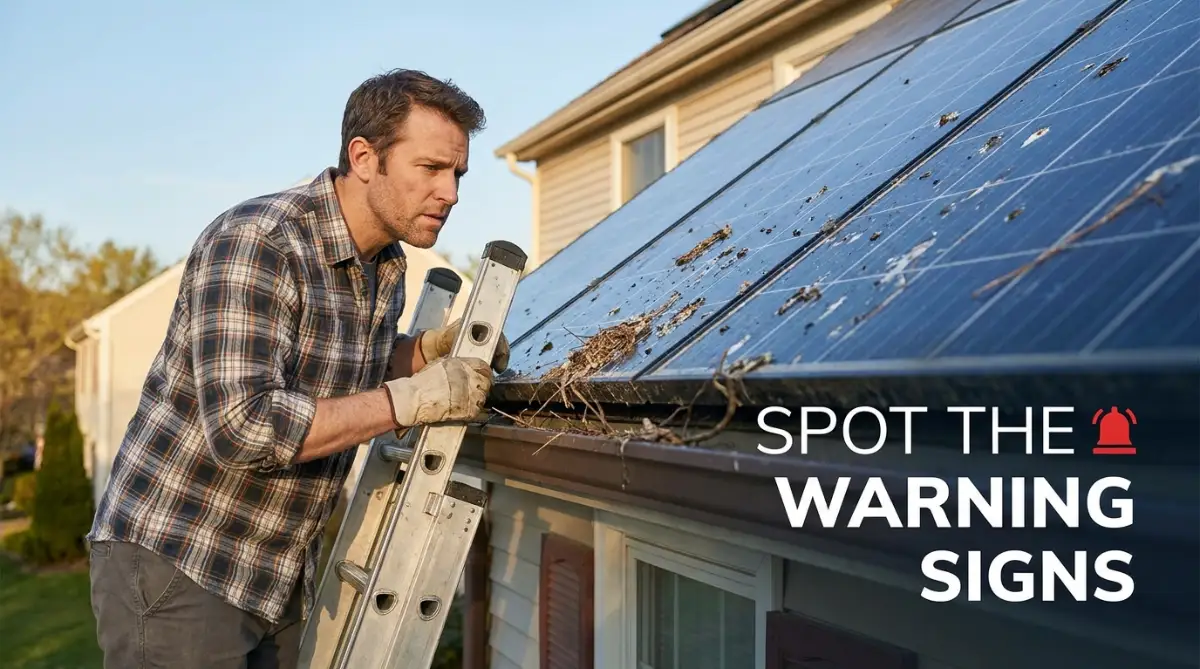
You should also make a habit of walking around the perimeter of your house once a week to inspect the ground. Look closely for unusual amounts of dry grass, twigs, or small white droppings scattered on your patio or driveway. If you see nesting materials constantly falling from the edge of your gutters, the birds are actively building a home up top.
Another excellent visual clue involves checking your gutters for sudden, unexplainable blockages during dry weather. Pigeons are incredibly messy builders, and they drop half of their nesting twigs directly into your roof drainage system. If water starts overflowing from your gutters on a clear day, a massive bird nest is likely sitting right above it.
Pay close attention to an unusual number of flies or bad smells blowing near your open windows. The intense heat from the solar modules essentially bakes the animal waste, creating a highly noticeable, awful odor. If you smell ammonia on a hot summer afternoon, your expensive panels are currently being eaten alive by acidic bird poop.
Taking these early warning signs seriously is the only way to protect your heavy financial investment. Ignoring a small pile of twigs today will absolutely lead to exposed copper wires and a major fire hazard tomorrow. Being proactive means you get to keep enjoying your free sunshine without constantly worrying about expensive repair bills.
The mechanics of how these animals bypass typical roof defenses is actually quite fascinating. Most standard roof edges have small gaps that look entirely harmless from the ground level. However, a small pigeon can easily squeeze its body through a gap barely wider than a golf ball.
Once they get their head through the tiny opening, they forcefully push the rest of their body inside. They are incredibly persistent creatures that will spend hours fighting to get into that warm, protected space. This is exactly why basic roof maintenance is never enough to keep a determined flock of birds away.
You have to think like an engineer trying to seal a submarine when dealing with these smart pests. Every single tiny entry point along the edge of your array needs to be properly evaluated and blocked. Leaving even one small corner exposed guarantees that a new family of birds will move in next spring.
Think of your energy system as the highly sensitive engine of an expensive sports car. You would never let wild animals build nests inside the engine bay of a brand-new Ferrari, right? Your home energy setup requires that exact same level of respect and intense physical protection.
When you finally realize how much damage is happening silently above your head, it completely changes your perspective on home maintenance. You stop viewing birds as cute little yard visitors and start seeing them as active threats to your electrical safety. Taking action today is the greatest gift you can give to your future bank account.
Pro-Level Tactics to Permanently Evict Roof Pests
If you want to protect your expensive energy setup, you have to think exactly like a determined squirrel or pigeon. These animals are incredibly stubborn and will happily ignore fake owls or funny-smelling chemical sprays. The absolute best way to stop them is by building a solid, unbreakable physical barrier around your modules.
Myth vs. Fact: Choosing Your Protective Gear
People often buy the wrong supplies and end up doing the job twice. Here is a quick guide to getting it right the first time:
- Myth: Cheap garden chicken wire works fine.
- Fact: Raccoons can easily rip thin chicken wire apart. You always need heavy-duty, 1/2-inch thick galvanized steel mesh.
- Myth: Plastic zip ties are strong enough to hold the mesh.
- Fact: The sun will melt and snap plastic ties in weeks. Only use stainless steel J-clips.
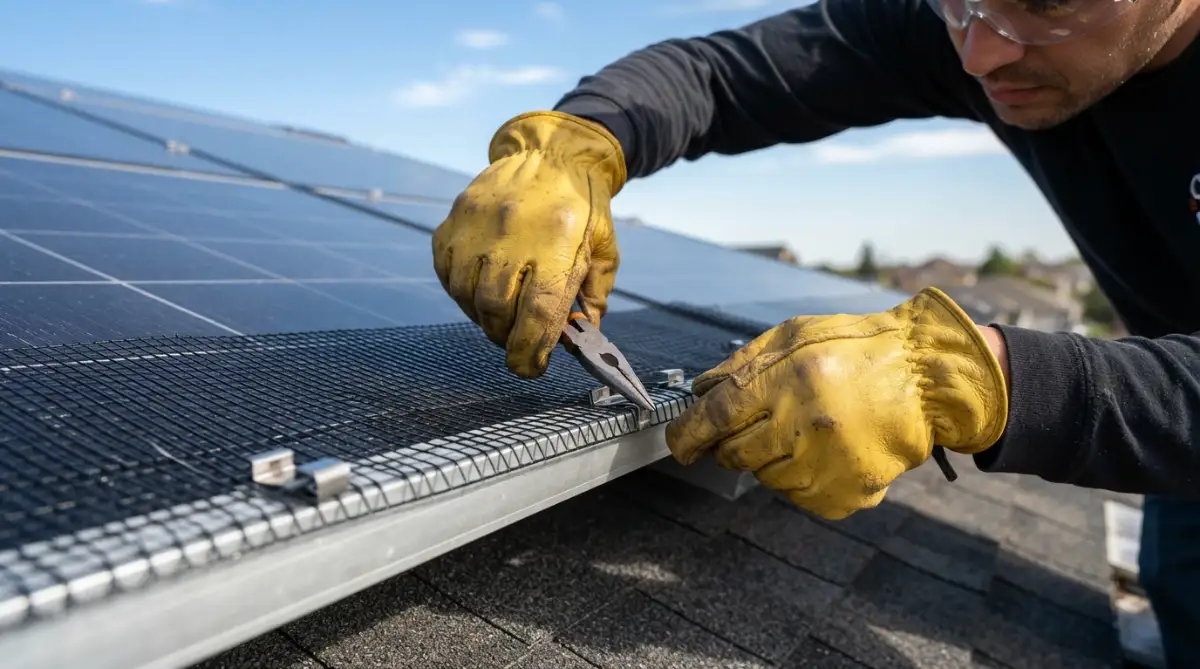
The gold standard for this job is using PVC-coated galvanized steel mesh. This specific type of metal is incredibly tough, meaning a rat or raccoon cannot chew through it. The black PVC coating also makes the wire completely invisible from your driveway, keeping your house looking beautiful.
You might be tempted to run down to the hardware store and buy a cheap roll of garden chicken wire. Please do not make this common rookie mistake, as chicken wire is far too thin and weak. Large animals will easily bend it, and the unprotected metal will start rusting after just one heavy rainstorm.
How you attach this heavy-duty mesh to your panels is just as important as the material itself. You should only use specialized aluminum or stainless steel J-clips designed specifically for this exact purpose. These smart little clips hook directly onto the lip of the panel frame without requiring any heavy tools.
They tightly pull the metal mesh against the roof tiles, creating an impenetrable wall that no bird can push past. The best part is that these clips can easily be removed later if you ever need to upgrade or repair your system.
Cutting Off the Wildlife Highway
Sometimes, we accidentally make it far too easy for nature to access our rooftops. Take a quick walk into your yard and look closely at the large trees surrounding your property. If heavy oak or pine branches are touching your roof, you have essentially built a private highway for squirrels.
You need to trim back all large tree branches so they are at least ten feet away from your roofline. Squirrels are amazing jumpers, but they will not risk a ten-foot leap if they cannot see a safe landing spot. By cutting off their main travel route, you instantly reduce the chances of a massive pest invasion.
You also need to apply this exact same strict security mindset to your digital monitoring tools. Many homeowners completely ignore their solar monitoring apps until they receive a terrifyingly high utility bill in the mail. You should check your daily power production graphs just as securely as you protect your online accounts.
Just like you would never dream of reusing passwords on cloud platforms out of fear of getting hacked, you should not ignore your energy data. A sudden, unexplained drop in your daily power generation is often the very first sign of chewed wires. Catching this digital clue early can literally save your entire roof from a catastrophic electrical failure.
The Hidden Danger of Dirty Gutters
Most people never connect their dirty rain gutters to their sudden pigeon problem, but they are directly linked. When your gutters are constantly packed with dead leaves and sitting water, they attract huge swarms of insects. These tiny bugs provide an endless, all-you-can-eat buffet for local birds right next to their new nesting spot.
You must keep your gutters completely clean and dry to remove this highly attractive food and water source. If the birds have to fly far away just to find a quick drink, they are much less likely to build a nest under your energy modules.
If you want to learn more about how physical environmental factors impact energy reliability, I highly suggest reading up on government research. The National Renewable Energy Laboratory's system performance guides provide excellent, science-backed information on protecting your outdoor investments.
Massive Blunders Homeowners Make When Fighting Birds
When you are feeling frustrated and desperate to get rid of noisy birds, it is incredibly easy to make bad choices. I have seen so many smart homeowners accidentally destroy their own expensive equipment while trying to save a few bucks. The most terrifying mistake involves exactly how people try to attach homemade metal barriers.
Some homeowners actually take an electric power drill and screw holes straight through the delicate aluminum frames of their modules. This is an absolute disaster waiting to happen for several different reasons. First, drilling into the frame immediately voids your highly valuable twenty-five-year manufacturing warranty.
Second, putting random holes in the protective frame allows rainwater to easily seep into the sensitive internal glass components. This trapped moisture will quickly cause an electrical short, permanently killing the module's ability to produce power. Never, under any circumstances, use screws, nails, or power drills near your expensive rooftop equipment.
Another huge trap is buying plastic zip ties to hold your physical metal mesh together. Plastic seems like a cheap and easy fix when you are standing in the aisles of a hardware store. However, basic plastic zip ties will completely melt, crack, and snap after just a few weeks of baking in the hot afternoon sun.
Once those plastic ties break, your metal mesh will start sagging, leaving huge open doors for pests to walk right back inside.
Misreading the Danger Signs
Sometimes, we misdiagnose the problem entirely because we do not understand how these modern energy systems communicate. When a rat chews through a critical data cable, your smart inverter might start flashing weird error messages on its digital screen. I have seen tech-savvy people waste hours trying to recover corrupted configuration files on their home network, thinking it is just a software glitch.
They sit inside resetting their internet router over and over again, totally blind to the fact that an animal is actively eating their hardware up on the roof. Always inspect the physical wiring visually before assuming you just have a simple software or internet connection problem.
Ignoring the physical fire hazards created by these nests is easily the most dangerous mistake of all. If you want a deep understanding of why exposed copper is so incredibly risky, you really need to educate yourself. I strongly suggest reviewing the ultimate fire safety guide to understand how quickly a tiny spark can turn into a tragedy.
Leaving dry twigs sitting next to raw, damaged cables is a massive gamble with your family's safety. Organizations like the National Fire Protection Association constantly warn homeowners about the hidden dangers of electrical faults mixed with dry animal debris. Do not ignore the smell of smoke or the sound of loud popping noises coming from your ceiling.
The Poison Trap
Many desperate homeowners resort to throwing toxic chemical rat poisons under their glass modules to quickly kill the problem. This is a genuinely terrible idea that usually creates an even bigger, much more expensive nightmare. When a rodent eats poison, it almost always crawls deep underneath the tightest, hottest part of the module to die.
A few days later, you will have the most horrible, decaying smell floating directly into your home's air vents. To remove the dead animal, a professional crew will literally have to unbolt and lift the heavy glass off your roof.
Using highly toxic chemicals outside also puts your own outdoor pets and neighborhood owls at severe risk. If a neighborhood cat eats a poisoned mouse that fell off your roof, that cat will also get incredibly sick. It is always better, safer, and cheaper to simply block the animals out physically rather than trying to poison them.
Secure Your Free Power for Good: Your Weekend Action Plan
Taking back control of your roof does not have to be an overwhelming or scary process. By understanding exactly how these pests operate, you already have a massive advantage over the average homeowner. You are now fully equipped to make incredibly smart, long-lasting decisions about your property.
I want you to treat this weekend as your official roof defense planning day. Start by taking ten minutes to walk around your house and carefully look for any early warning signs like twigs or fresh droppings. If you see anything suspicious, do not panic, because you now know exactly how to handle it properly.
Your next step is deciding whether you feel completely comfortable climbing a tall ladder to install the heavy metal mesh yourself. If you are afraid of heights or have an incredibly steep roof, please do not risk a dangerous fall. Hiring a certified local professional to install the J-clips and mesh is a brilliant investment in your safety and peace of mind.
Just make sure you strictly tell the installers that they are not allowed to drill any holes into your equipment. Ask them directly if they plan to use PVC-coated mesh and safe stainless steel clips. A true professional will completely respect your knowledge and happily follow these safe installation rules.
If you are looking for more excellent, reliable ways to improve your property, you should definitely explore our home improvement hub. Staying educated is honestly the very best way to protect everything you have worked so hard to build. Your home is your safest sanctuary, and you deserve to enjoy it without the constant stress of uninvited animals.
Imagine how incredibly good it will feel to finally look at your energy bill and see zero dollars owed. You will sit in your living room, knowing your equipment is completely shielded by a tough metal fortress. That amazing feeling of total security and financial freedom is exactly what you get when you proactively solve this problem today.
Common Questions About Guarding Your Energy Setup
Will heavy bird poop actually lower my daily power output?
Yes, it absolutely will ruin your daily energy production very quickly. When thick white droppings cover the dark glass, they completely block the sun's rays from reaching the sensitive solar cells underneath. Even a small splatter can surprisingly reduce that specific module's efficiency by up to thirty percent until you wash it off.
How much does professional pest mesh installation normally cost?
Prices always vary based on where you live and the overall size of your house. However, most average-sized homes usually cost between five hundred and one thousand dollars for a high-quality professional installation. Considering replacing heavily chewed electrical wires can easily cost three times that amount, installing the physical barrier is a very smart bargain.
Is it safe for me to pressure wash the pigeon nests away?
No, you should never use a high-powered pressure washer anywhere near your delicate energy equipment. The extreme water pressure can easily break the waterproof seals around the glass and forcefully blast water straight into the electrical junction boxes. You should always use a gentle, low-pressure garden hose and a soft brush to carefully clean away any mess.
Do common homeowner insurance policies cover animal damage?
Most standard insurance policies completely refuse to pay for damage caused by rodents, birds, or slow-moving pest infestations. They view pest control as a standard part of regular home maintenance that you are personally responsible for managing. You will likely have to pay the entire replacement bill straight out of your own pocket if wires get chewed.
What exactly should I do if I find baby birds under the glass?
If you safely discover a nest full of unhatched eggs or baby birds, you need to be very careful. Many wild bird species are heavily protected by strict federal wildlife laws, meaning you cannot legally move or destroy their active nests. You should immediately contact your local wildlife department or visit the USDA Wildlife Damage guidelines for safe, legal removal advice.
Can squirrels chew through the heavy PVC-coated metal wire?
No, thick galvanized steel is way too hard and tough for a squirrel or rat to chew through. They might bite the outer black plastic coating a few times, but they will quickly give up when their teeth hit the solid steel core. This is exactly why using the right heavy-duty metal is so incredibly important for long-term protection.
I highly recommend checking your digital monitoring app tonight just to make sure all your panels are reporting perfectly. My biggest regret was waiting too long to install a simple metal barrier, so please do not repeat my expensive mistake!
Disclaimer: This article is for informational and educational purposes only and does not constitute professional electrical, roofing, or legal advice. Working on rooftops and dealing with high-voltage solar equipment involves significant physical danger and severe fire risks. Always consult with certified solar technicians and professional pest control experts before attempting to clean, repair, or modify your home energy system. We are not responsible for any personal injury, equipment damage, or voided warranties resulting from DIY maintenance attempts.