The Silent Energy Thief Hiding in Plain Sight
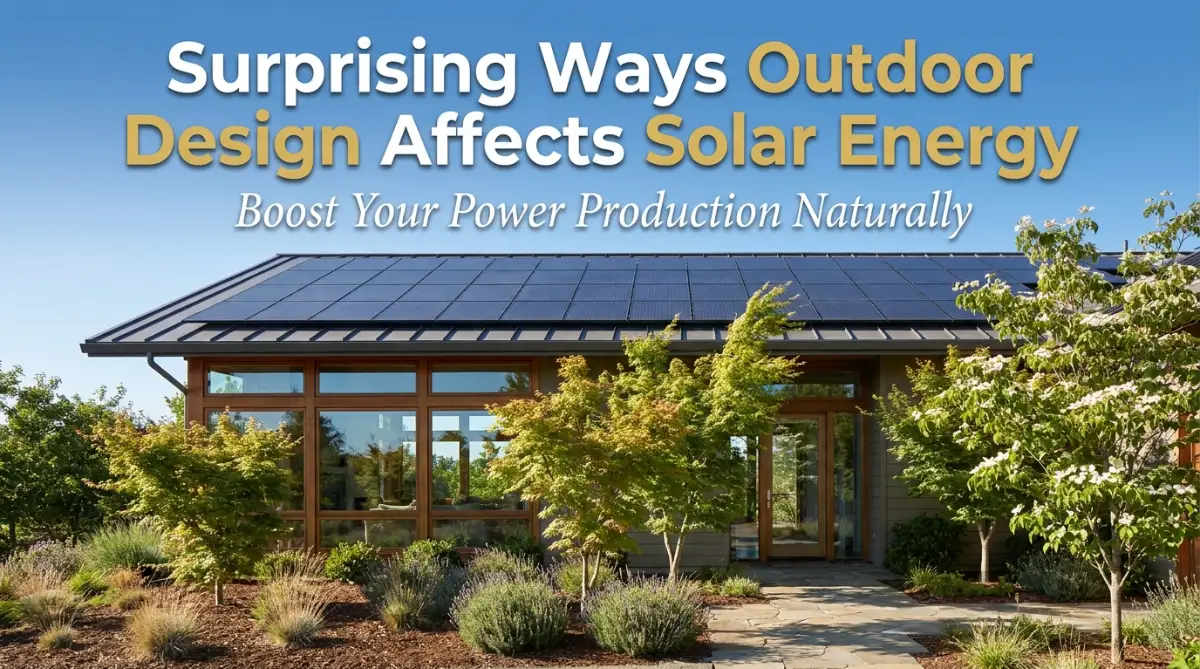
Look at your backyard right now. If your solar panels aren't saving you as much money as you hoped, the problem probably isn't a broken wire on your roof. You might not realize it, but the trees you plant, the dirt in your garden, and even the color of your mulch can secretly choke your energy output. I found this out the hard way, and today I want to show you how a few simple yard tweaks finally dropped my power bill.
I called the installation company, thinking my panels were broken. They sent a technician who checked every single wire, inverter, and connection. Everything was in perfect working order. The technician then pointed toward my beautifully arranged backyard and said something that completely blew my mind. My yard setup and the way I placed my trees were silently killing my energy production.
Many homeowners go through this exact same stressful situation without ever knowing the real cause. You pay for premium equipment, but the environment around your home holds it back. Your beautiful garden might be trapping heat, or your tall bushes might be changing the local wind patterns. This creates a hidden problem that quietly steals your power day after day.
If your solar system is underperforming, the problem might not be on your roof at all. The real issue often hides right in your backyard. The good news is that you can fix this without buying expensive new equipment.
Quick Power-Saving Takeaways:
- Clear the Airflow: Stop the heat trap by spacing out your tall trees so the wind can cool your panels.
- Lock Down the Dust: Plant low-growing ground cover over bare dirt so the wind doesn't blow soil onto your glass.
- Use the Albedo Trick: Swap out dark, heat-absorbing mulch for light-colored stones to bounce extra sunlight to your system.
- Check the Mature Height: Never plant a small sapling without checking how tall it will get in ten years.
- Watch the Pine Trees: Keep sap-producing trees far away to stop sticky messes from baking onto your equipment.
How Your Outdoor Setup Secretly Controls Your Power Output
When we talk about solar energy, most people only think about shadows blocking the sun. While direct shade is an obvious problem, there are hidden factors at play. The way you arrange your outdoor space creates a unique microclimate around your home.
This microclimate directly changes how your solar system behaves. Let's break down the hidden connections between your outdoor environment and your power production. We will look at practical, science-backed steps you can take today to get your system running at maximum power.
The Hidden Danger of Heat Traps
You might think that solar panels love hot weather, but that is a huge myth. Solar panels actually hate extreme heat. When the temperature on your roof gets too high, the electronic efficiency of the panels drops significantly.
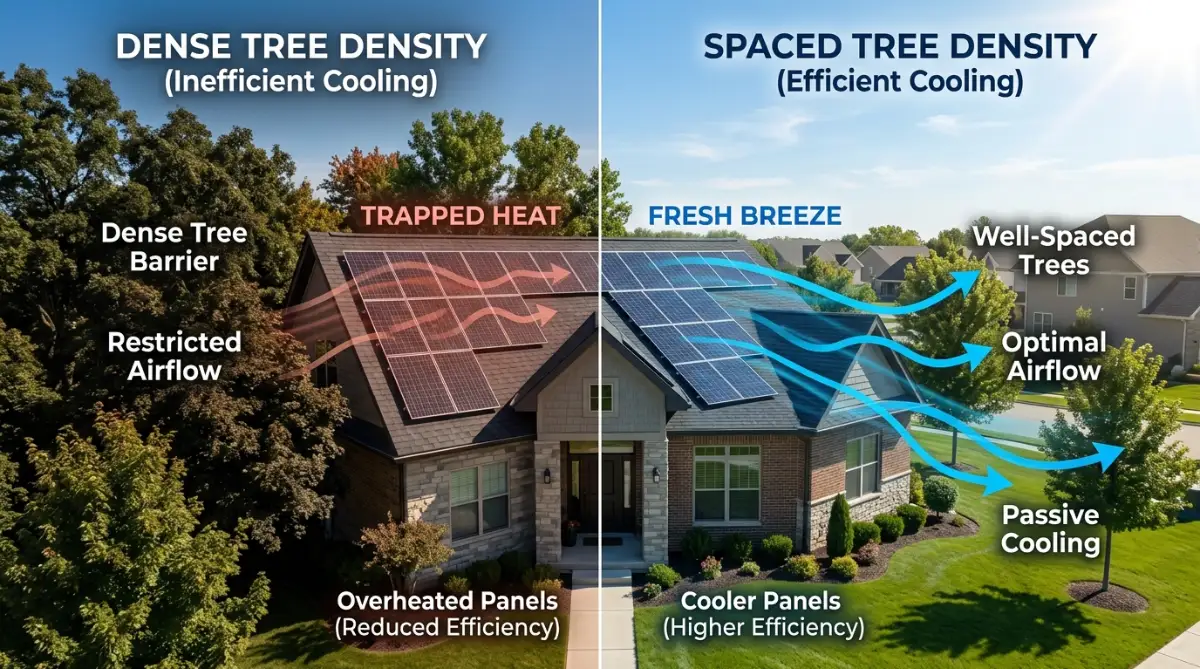
This is where your yard design plays a massive role. Thick, tall trees planted too close together can act like a solid wall. This wall stops natural breezes from passing through your property.
Without moving air, a pocket of dead, hot air sits directly over your roof. Your panels start to bake in the sun, and their power production slows down. By simply rearranging certain outdoor elements, you can fix this easily.
Quick Efficiency Fact Check:
Did you know panels lose power when they get too hot? Here is a simple breakdown of what happens when the temperature creeps up past 77°F (25°C):
- 77°F (25°C): 100% Normal Output
- 87°F (30°C): Roughly 2-3% Power Loss
- 97°F (36°C): Roughly 5-6% Power Loss
- 107°F (41°C): Up to 10% Power Loss (Ouch!)
- This is exactly why you need that cool breeze flowing over your roof!
How to create natural airflow:
- Thin out dense vegetation: Instead of having a thick wall of trees, leave spaces between them. This allows the wind to flow freely through your yard and sweep up over your roof.
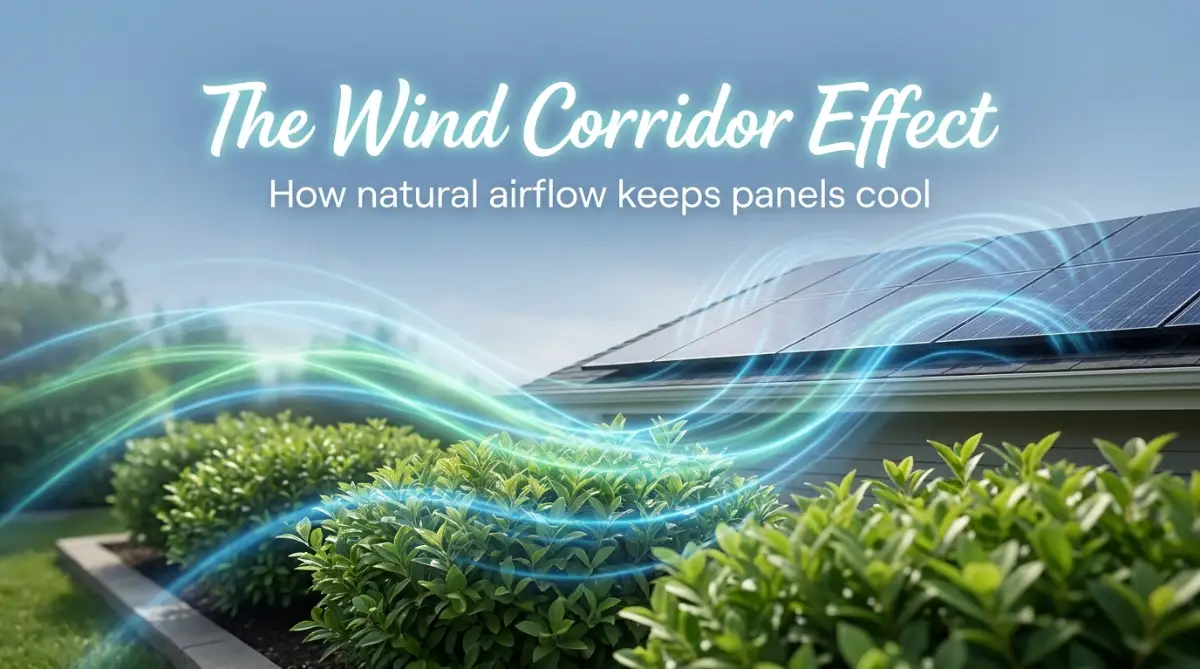
- Create wind corridors: Notice which direction the wind usually blows in your area. Keep that path clear of large obstacles so the breeze can naturally cool your panels.
- Prune lower branches: If you have large trees, trim the lower branches. This lets cool air move near the ground and push hot air up and away from your house.
The Natural Dust Shield Strategy
Dust and dirt are some of the biggest enemies of solar energy. A thin layer of dust on your panels can block sunlight and reduce power output by a large margin. Most of this dust blows up from the ground around your house.
If your yard has a lot of dry, bare dirt, the wind will constantly carry that dirt onto your roof. This means you will have to climb up and clean your panels constantly. However, you can use smart planting to stop this dirt before it ever reaches the roof.
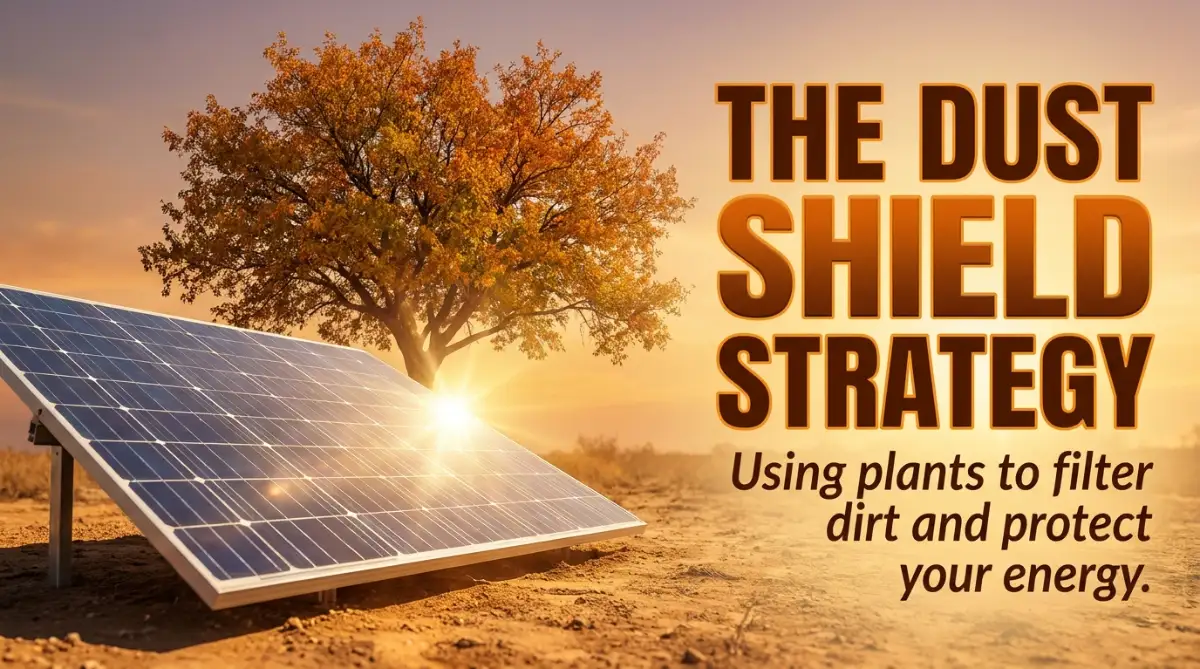
Plants can act as a natural filter for your home. When you cover bare soil with the right greenery, you trap the dust on the ground.
Awesome text to watch this video: Cleaning your panels safely is important, but preventing the dirt is even better. Watch this quick visual guide to see exactly how much power you lose from a tiny layer of dust, and how easy it is to keep them clean!
By adding ground cover plants or short grass, the roots hold the soil tightly in place. Even during strong winds, the dirt stays on the ground instead of flying into the air.
You can also plant a row of medium-sized shrubs around the edges of your property. These shrubs catch dust blowing in from the street or from neighboring yards. Keeping your yard green and covered is a surprisingly easy way to keep your solar panels shining brightly.
The Danger of Micro-Shading and Sap
We all know that a big tree branch covering a solar panel is bad. But many people do not realize how damaging a tiny amount of shade can be. Because of how solar panels are wired together, a shadow on just one small section can shut down the whole system.
This is called micro-shading. It often happens when thin, bare branches wave in the wind and cast tiny, moving shadows on your roof. Even a single large leaf falling onto a panel can cause a massive drop in electricity generation.
There is another hidden threat from trees planted too close to the house: tree sap. Some trees release sticky sap that the wind carries through the air.
When this sap lands on your hot solar panels, it bakes onto the glass like super glue. Dirt then sticks to the sap, creating dark spots that block the sun. These spots are incredibly difficult to wash off.
My advice is to keep sap-producing trees far away from your home. If you want trees near the house, choose species that do not drop messy leaves, sap, or heavy pollen.
Myth vs Reality: Trees and Solar Panels
There is a lot of confusing information out there about mixing nature with solar power. Let's clear up some common misunderstandings with a simple comparison.
As you can see, nature is not the enemy of solar power. You just have to know how to organize things correctly.
The Transpiration Cooling Effect
Plants do something amazing called transpiration. It is basically the plant version of sweating. They release moisture from their leaves into the air.
As this moisture evaporates, it cools the surrounding air significantly. If you have the right plants around your home, they act like a natural air conditioning system for your yard.
When the air around your house is cooler, the air flowing up to your roof is also cooler. This gentle, cool breeze prevents your panels from overheating during the hottest parts of the day.
I honestly used to think that paving my entire backyard with concrete would be the cleanest option. Pro Tip: I quickly learned that large concrete slabs act like a massive frying pan, bouncing intense heat straight up to my roof. Once I removed some concrete and added a beautiful green lawn, my solar system's daily output jumped up noticeably.
By keeping healthy plants and grass, you are actively managing the temperature of your entire property. You are helping your solar system breathe easier.
Using The Albedo Effect to Your Advantage
Have you ever heard of the albedo effect? It is a scientific term that describes how well a surface reflects light. Dark surfaces absorb light and heat, while light surfaces bounce them back.
If you have solar panels mounted on the ground, or on a very low roof, the ground around them matters a lot. If you surround low panels with dark mulch or dark stones, you are creating a heat pocket.
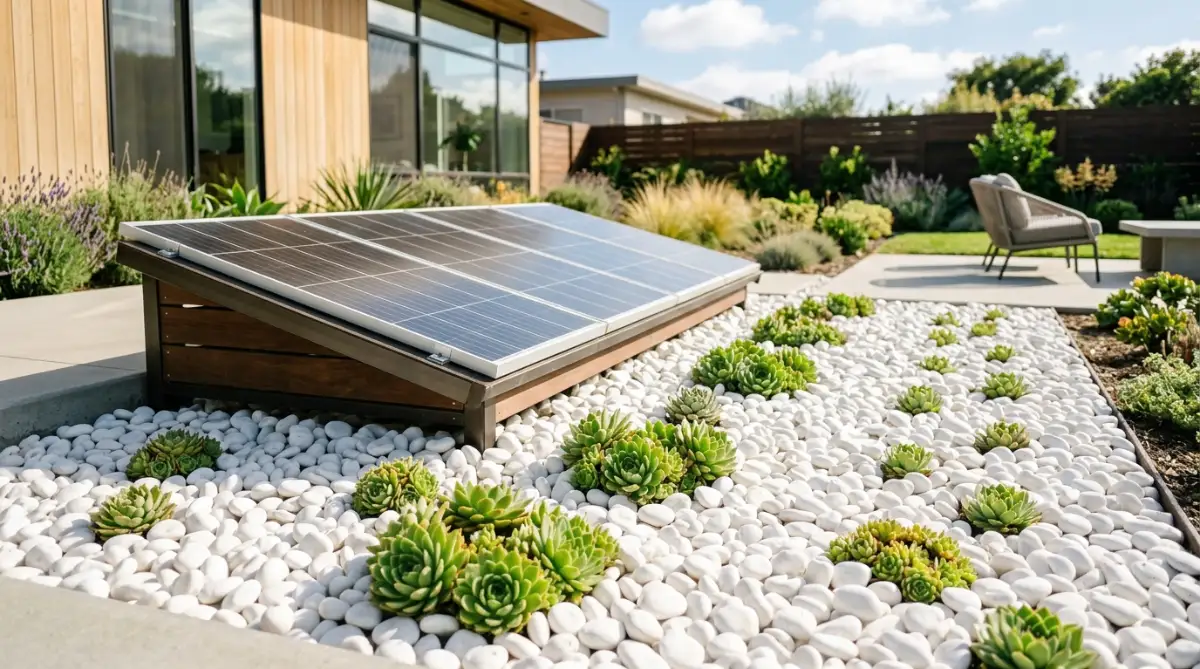
However, if you use light-colored crushed stone or light sand nearby, something amazing happens. The bright ground reflects extra scattered sunlight back up into the air.
Some modern solar panels can actually capture this bounced light from the sides or underneath. Even standard panels benefit from the cooler temperatures created by light-colored ground materials.
Just be careful not to create a blinding glare. You want a soft, light-colored surface that gently bounces light without acting like a direct mirror.
My Personal Test With The Albedo Effect:
I actually tested this in my own side yard. I swapped out my dark brown wood mulch for light grey crushed river rocks right beneath my lower roof panels. The difference wasn't just visual. I noticed my morning energy capture spiked earlier than usual because the white rocks bounced the morning sun directly up into the bottom edges of the panels. It cost me $40 in rocks and gave me an instant daily boost.
Managing the Changing Seasons
Your yard changes throughout the seasons, and your solar strategy needs to adapt. A tree that looks perfectly fine in the spring might become a problem in the fall.
When autumn arrives, trees drop their leaves. A strong wind can lift hundreds of dry leaves directly onto your roof. If they pile up around the edges of your panels, they trap water and dirt.
Worse, wet leaves sitting on the glass will completely block energy production. To prevent this, you need to look at the trees that sit upwind from your house.
If you have a tree that aggressively drops leaves every single year, you might need to keep it trimmed back before autumn starts. Regular maintenance of your outdoor space is just as important as maintaining the solar equipment itself.
It is always better to spend twenty minutes trimming a branch than to lose a whole month of good energy production. Small, smart changes in your yard setup can save you hundreds of dollars on your power bill over time.
Master-Level Strategies for Maximum Power Production
Now that we understand how deeply your outdoor environment affects your energy setup, it is time to take complete control. Many people think they need to hire expensive designers to fix their yard problems. You really do not need to do that.
The Wind Funnel Technique
Have you ever walked between two tall buildings and suddenly felt a massive gust of wind? That happens because the air gets squeezed into a tight space, which forces it to move much faster. You can actually recreate this exact same effect in your own backyard.
By carefully arranging rows of medium-sized shrubs, you can build a natural wind tunnel. You want to plant these shrubs in a 'V' shape that points directly toward your house. When the natural breeze hits these bushes, it gets trapped and speeds up as it pushes toward your roof.
This creates a constant, fast-moving stream of cool air that sweeps directly over your hot panels. According to the National Renewable Energy Laboratory's research on panel temperature, keeping your equipment cool significantly increases its electrical output.
A strong, steady breeze acts like an invisible fan that runs all day for free. It sweeps away the heavy, hot air that normally suffocates your energy production.
Choosing the Right Moisture Buffer
We already talked about covering bare dirt to stop dust. But the type of plants you choose for this job matters immensely. You want to pick plants that hold moisture near the ground without releasing too much humidity into the air.
Thick, low-growing succulents or creeping ground covers are absolutely perfect for this. These plants lock water inside their thick leaves. They keep the soil underneath them cool and damp, which stops dust dead in its tracks.
Because they grow so close to the soil, they never block the wind or cast dangerous shadows. Plus, they require almost zero maintenance once they take root.
Understanding this natural balance makes a huge difference in how sunlight converts into household electricity efficiently. A clean, cool environment is exactly what your system needs to perform at its peak.
The Long-Term Vision Rule
When we buy small plants from the local garden center, they look harmless. We plant them close to the house because they look incredibly cute. However, we often forget that these tiny saplings will eventually turn into massive structures.
Ten years down the road, that cute little sapling becomes a towering monster that completely blocks your roof. To avoid this massive headache, you must practice the "mature height rule." Before you dig a hole, you have to read the plant tag and find out its maximum future height.
Always plant trees far enough away so that their absolute tallest future branches will never touch your roofline. This simple planning step guarantees that you will never have to pay a professional tree service to chop down a massive problem later.
Creating a Safe Fall Zone
If you live in an area with heavy storms, you have to think about flying debris. Dead branches are a massive threat to expensive glass panels. A strong gust of wind can easily snap a weak branch and throw it like a spear onto your roof.
To protect your investment, you need to establish a clear "fall zone" around your home. This means regularly inspecting any large trees on your property. Look for branches that look dry, discolored, or heavily cracked.
Following proper dormant tree pruning techniques during the colder months keeps your trees healthy and strong. By removing the weak wood early, you remove the danger before a bad storm hits.
The Most Expensive Backyard Blunders You Must Avoid
Fixing your outdoor space is incredibly rewarding, but it is also easy to make expensive mistakes. I have seen homeowners accidentally ruin their entire energy setup just by planting the wrong flower in the wrong spot.
These hidden traps can cost you thousands of dollars in repairs if you are not careful. Let's walk through the most dangerous pitfalls so you can keep your property perfectly safe and highly efficient.
The Underground Wire Destroyer
Your energy system is not just on your roof. There are thick cables that run down the side of your house, and often, they run underground to reach your main electrical panel or battery bank.
Many people completely forget about these buried cables when they start digging up their yard. If you plant an aggressive, fast-growing tree near these underground wires, you are asking for a complete disaster.
Tree roots are incredibly strong and they constantly search for moisture. They can easily wrap around electrical conduits, crush them, and snap the wires inside.
When your system suddenly shuts down with a warning light, this might be the exact reason. If you are constantly wondering why is my solar inverter beeping and how to fix it today, hidden root damage is a very real possibility.
Always check your property blueprints before planting anything deep. Keep large root systems far away from any buried utilities.
Creating a Dangerous Humidity Dome
We know that keeping the yard cool is good. However, you can easily go completely overboard and create a new problem. If you pack too many heavy, wet plants right against your house walls, you create a trapped humidity dome.
These dense plants hold massive amounts of water in their leaves and block all air movement near the ground. The air around your house becomes thick, heavy, and extremely damp.
This excessive moisture eventually creeps into your home's exterior electrical boxes and solar connection points. Over time, high humidity causes severe corrosion on sensitive wiring and metal parts.
You always need to leave a clear, dry space of at least three feet between your home's exterior walls and any major plant life. This dry zone allows moisture to evaporate safely away from your sensitive electronic equipment.
The Sticky Pine Needle Trap
There is one specific type of tree that you should never, ever keep near a solar-powered home. Pine trees, and similar evergreen trees, are absolute nightmares for energy production.
First, they drop millions of tiny, sharp needles all year round. These needles blow onto your roof and slide right underneath your panels. They create giant, messy piles that trap rainwater and cause severe roof rotting.
Second, pine trees spray a fine mist of sticky sap directly into the air. This sap lands on the panel glass and hardens like cement under the hot sun.
According to environmental studies on dust pollution, sticky surfaces trap dangerous fine particulate matter much faster than clean surfaces. Once dirt sticks to this baked-on sap, regular rain will never wash it away. You will be forced to hire specialized cleaners, which completely eats into your energy savings.
Forgetting the Winter Freeze Threat
People usually only worry about their yard during the hot summer months. But winter brings a completely different set of dangerous challenges for your outdoor energy setup.
When snow starts melting off your roof panels, the water drips down into your yard. If you have thick bushes directly below the drip line, that water gets trapped.
When the temperature drops at night, that trapped water turns into a massive block of solid ice. This ice can crush smaller plants and even damage lower ground-level electrical fixtures.
You have to manage the space where the roof water falls. Knowing how to protect your outdoor solar lights from freezing winter damage is just as important as protecting the massive system on your roof. Keep the drip line completely clear of dense vegetation so the water can safely drain away.
The Dark Mulch Oven Effect
A fresh layer of dark brown or black mulch looks incredibly beautiful in a garden bed. It gives your yard a clean, modern look. Unfortunately, it acts exactly like a heavy winter coat for your soil.
Dark colors absorb massive amounts of solar radiation. On a sunny afternoon, a bed of black mulch can reach boiling temperatures. That intense heat slowly radiates straight up into the air around your home.
Instead of cooling your property, you are accidentally turning it into a massive outdoor oven. This hot air rises straight up to your panels, dropping their voltage and stealing your power.
If you want to use ground cover, switch to a natural, light-colored wood chip. Better yet, use light grey river stones. The Department of Energy guidelines on home energy efficiency clearly show that lighter outdoor surfaces keep properties significantly cooler during the summer.
Your Personal Blueprint for a Power-Packed Home
You now have a deep understanding of the secret relationship between your outdoor space and your energy production. You are no longer just guessing why your system might be underperforming.
You know exactly how to manage wind, temperature, and dust to keep your equipment running in peak condition. The best part is that you do not need to buy any new gadgets to make these amazing improvements.
You just need to step outside, look at your property with fresh eyes, and make some smart, simple adjustments. Think of your yard as the lungs of your home. If you keep the airways clear and clean, your house will breathe easily and perform wonderfully.
If you want to explore more ways to upgrade your daily life, you can always check out our main hub for home energy tips and guides.
I finally got my power production exactly where I wanted it just by moving a few bushes and trimming one tree. My daily energy reports look amazing now, and I know you can achieve the exact same exciting results with your own setup!
Common Questions About Outdoor Energy Optimization
Can tall grass hurt my ground-mounted panels?
Yes, letting grass grow too tall around ground-mounted panels is a huge mistake. The tall blades block the lower edge of the glass, causing severe micro-shading that shuts down production. Keep the grass trimmed very short, or replace it with light-colored gravel.
Do I need to cut down my big oak tree?
You rarely need to completely cut down a healthy, mature oak tree. Usually, you just need a professional to thin out the top canopy and remove the lowest branches. This simple trimming allows beautiful sunlight and cool wind to pass right through the tree.
Will washing my hot panels with a cold hose hurt them?
Yes, spraying freezing cold water on baking hot glass can cause a massive thermal shock. This sudden temperature change can crack the protective glass instantly. If you need to wash them, always do it very early in the morning before the sun heats them up.
What is the best ground cover to stop blowing dirt?
Low-growing plants like creeping thyme or short white clover are absolutely brilliant for stopping dust. They grow thick root systems that lock the dry dirt in place. They never grow tall enough to cast shadows, making them the perfect friendly neighbors for your panels.
How often should I check my property for shade issues?
You should ideally walk around your property once every three months, right as the seasons change. The sun moves in the sky throughout the year, meaning a shadow that didn't exist in June might cover your roof in December. Staying alert is the best way to protect your power output.
Disclaimer: The information provided in this article is for educational and informational purposes only. Every home and solar energy setup is unique. Always consult with a certified solar technician or professional arborist before making major changes to your property or interacting with electrical equipment. We may earn a small commission from affiliate links included in this content at no extra cost to you.