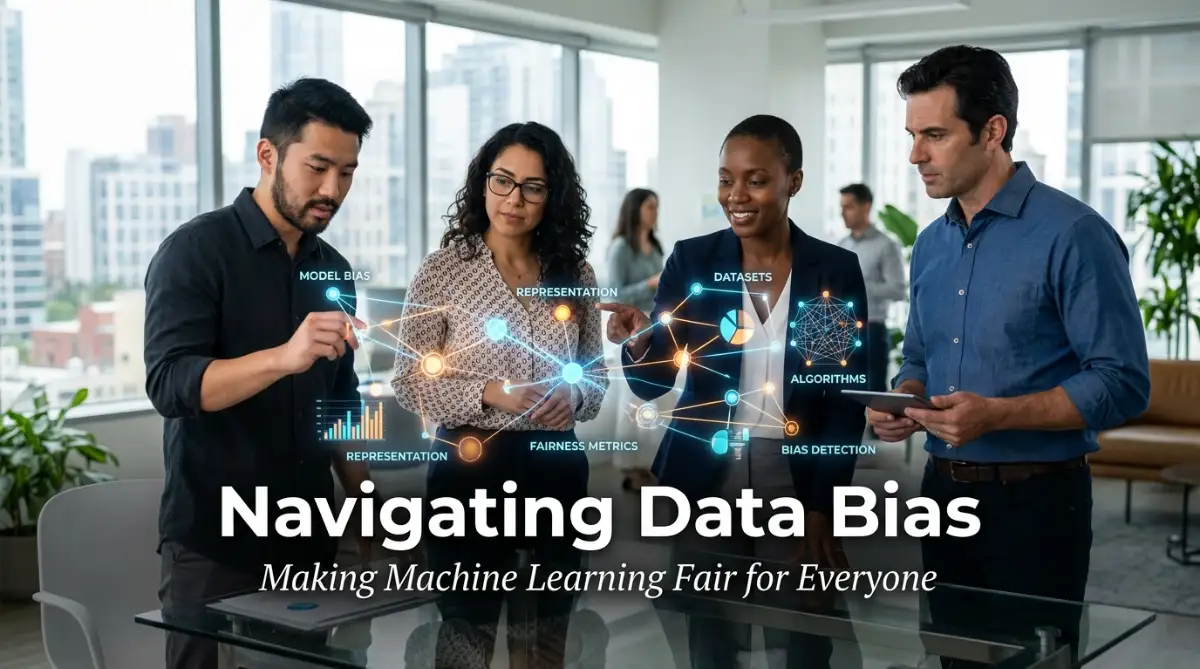
The Invisible Trap Inside Our Smart Technologies
Ever wondered why a computer might reject a completely fair loan application just because of a zip code? We usually think smart machines are 100% fair and logical, but the truth is actually a bit scarier. Let me show you how hidden mistakes in modern technology are quietly affecting our everyday lives—and what you can do to fix it.
My own database had tricked me, and I had accidentally built a system that favored one group over another. It was a harsh wake-up call that machines only learn what we teach them, and our teachings are rarely perfect. I learned the hard way that technology is not always neutral, and blind trust in artificial intelligence can hurt real people.
This hidden problem is quietly affecting millions of regular people every single day. We interact with smart algorithms when we apply for loans, search for jobs, or even scroll through social media. Most people assume that because a computer makes a decision, it must be completely logical and fair.
But the heartbreaking reality is that flawed systems are constantly denying opportunities to innocent people. Imagine a hardworking father getting rejected for a mortgage because an algorithm secretly judged his zip code. Think about the mental stress of a person who gets wrongly flagged by a biased facial recognition camera at a public event.
The mental toll of being judged unfairly by a "black box" computer program is incredibly frustrating. You cannot argue with a machine, and you cannot easily ask it to explain its reasoning. This lack of transparency leaves everyday individuals feeling powerless against the technology that controls their lives.
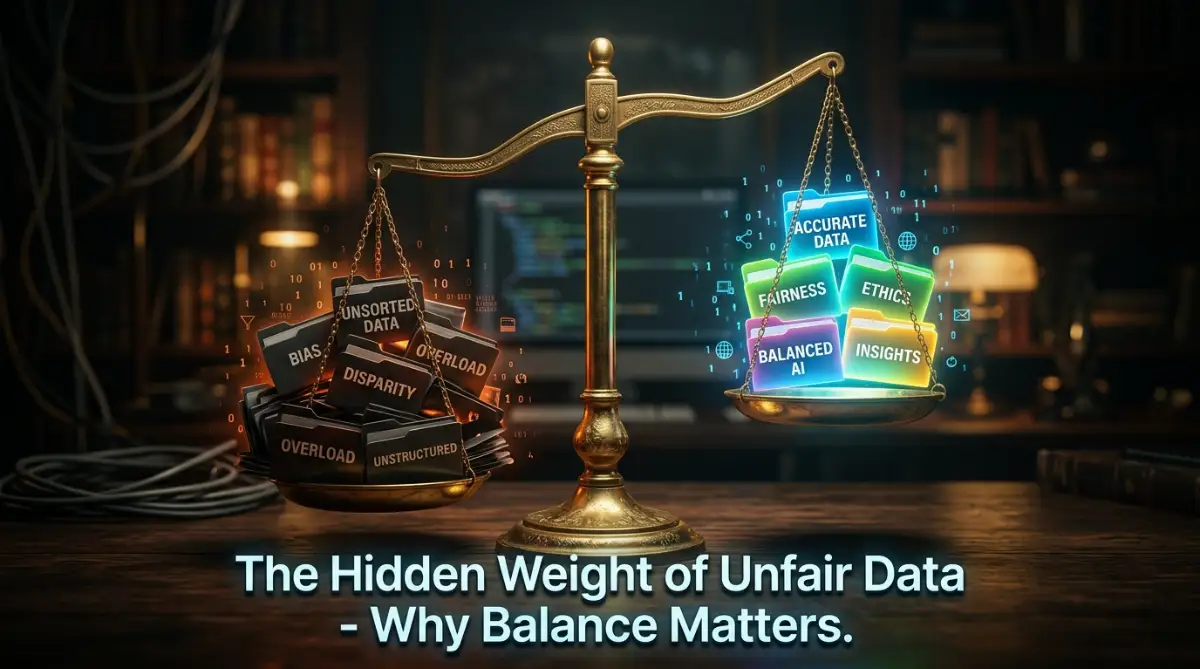
Quick Summary: What You Need to Know
- Smart machines easily copy our past mistakes if we feed them flawed records.
- "Proxy variables" (like your zip code) can secretly reveal your background to a computer.
- You should never trust default software settings; test them against your own diverse users.
- Treat your digital files like food—read the "nutrition label" to see who is missing from the list before using it.
Decoding the Mystery: What Exactly Goes Wrong in AI?
To fix this massive problem, we first need to understand how these intelligent systems actually learn. Artificial intelligence does not have a brain, feelings, or a sense of right and wrong. It only knows patterns, and it finds these patterns in the massive amounts of information we feed it.
If the information we provide is broken, the machine's understanding of the world will also be broken. This is exactly what experts mean when they talk about a skewed or unfair system. The computer simply acts like a giant mirror, reflecting all the flaws, stereotypes, and mistakes hidden deep inside our records.
The "Baking a Cake" Analogy
Think of building a smart algorithm exactly like baking a cake from a recipe. The algorithm is the oven, and the data is your list of ingredients.
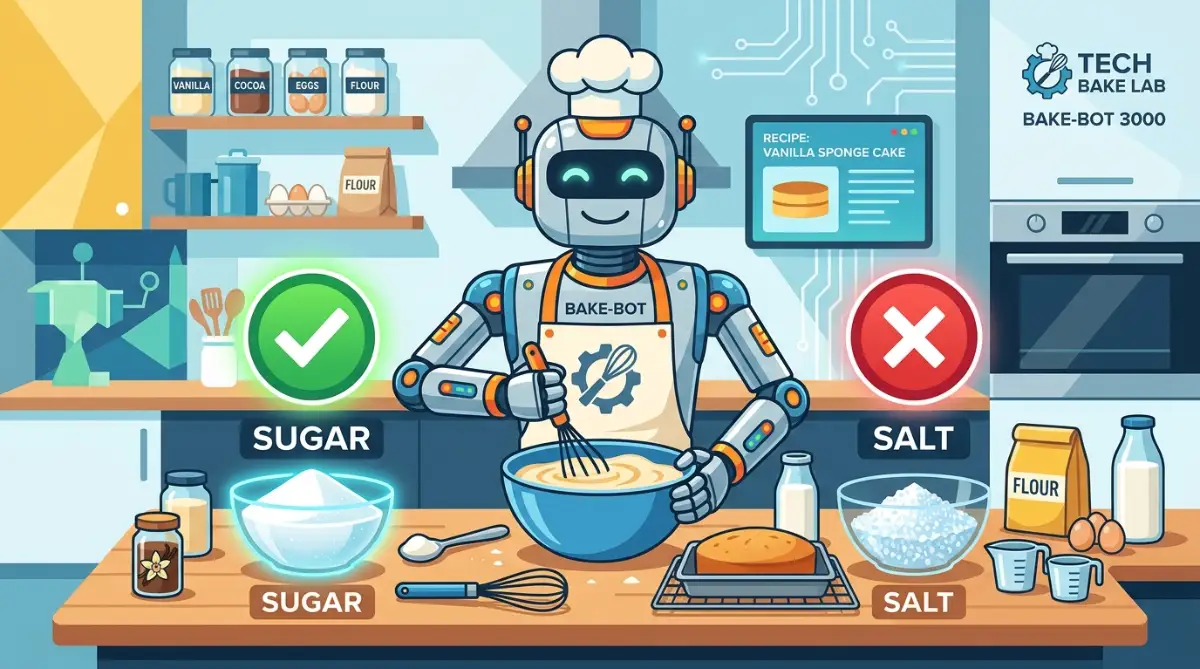
If you accidentally put salt into the mix instead of sugar, the oven will not magically fix your mistake. It will just bake a perfectly structured, terrible-tasting salty cake.
Similarly, if you feed a computer a history of unfair human decisions, it will happily bake those unfair decisions into its future predictions. The machine assumes that the ingredients you gave it are exactly what you want the final product to taste like.
Quick Reality Check: Myth vs. Fact
- The Big Myth: Computers make unbiased choices because they only use math.
- The Actual Fact: Computers use math to copy human choices—including all our bad habits, assumptions, and hidden biases from the past.
How History Haunts Modern Machines
One of the biggest reasons our smart tools fail is because they learn from our past. Human history is unfortunately filled with prejudice, unfair practices, and unequal opportunities.
When we gather historical records to train a computer, we accidentally package all that historical baggage into the system. The machine looks at the past, assumes that is how the world is supposed to work, and enforces those old rules today.
For example, if a company historically hired mostly men for leadership roles, their internal records will reflect that trend. If they ask an algorithm to find the "best" future leaders based on past successes, the system will look for male candidates. It does not hate women; it just thinks being a man is a necessary pattern for success.
Do you want to see exactly how algorithms secretly pick up on our human prejudices? Watch this short, eye-opening breakdown of how machines learn our worst habits without us even realizing it!
Practical Steps to Identify Hidden Prejudices
We cannot just sit back and hope technology fixes itself over time. If we want our smart tools to serve everyone fairly, we have to actively hunt down the mistakes hiding in our information.
This requires a shift in how we think about collecting and processing information. We must become detectives, constantly questioning the quality and fairness of the digital ingredients we use.
Step 1: Question Who is Missing from the Picture
The most common mistake happens when a system is trained on information that does not represent everyone. If you only teach a system about one specific group of people, it will naturally fail when it meets someone different.
Let us look at healthcare technology as a clear example. Many early skin cancer detection apps were trained almost entirely on images of light skin.
When people with darker skin tones tried to use these health apps, the system often failed to recognize dangerous spots. The machine was not intentionally malicious, but it was completely blind to a huge portion of the population because it never saw them during training.

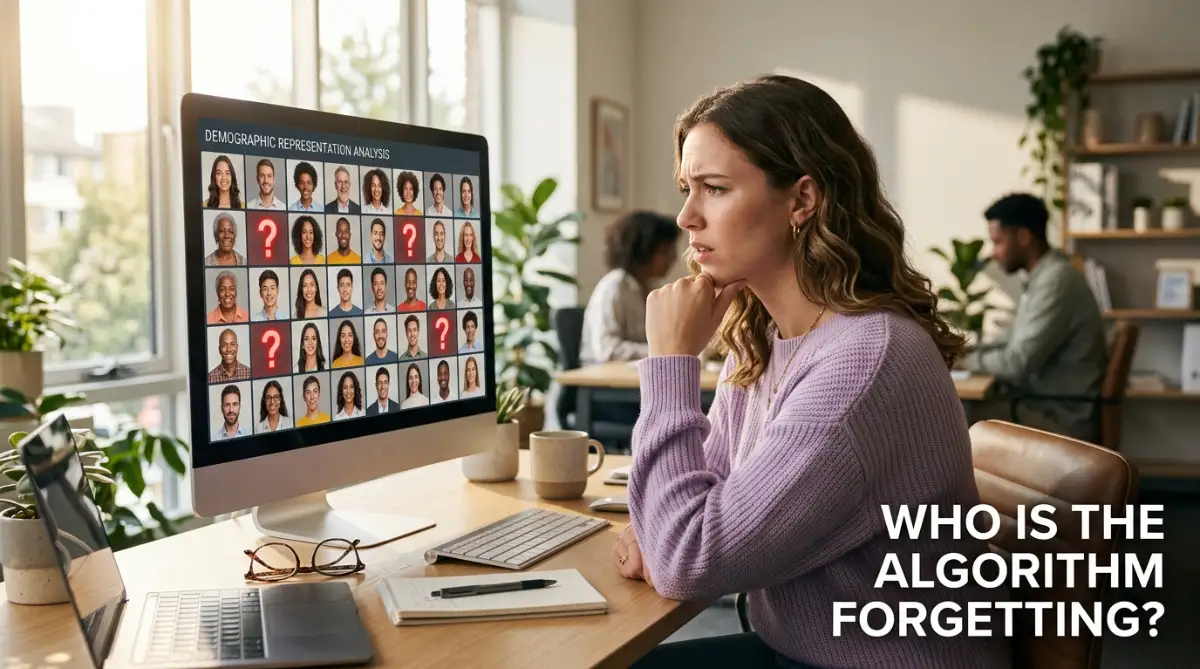
You must always ask: "Who is not represented in this spreadsheet?" If you are building a tool for the general public, your testing group must look like the general public.
Step 2: Look for the Sneaky Proxy Variables
Sometimes, an algorithm acts unfairly even when you specifically tell it to ignore sensitive details like race or gender. This happens through a tricky concept called "proxy variables."
A proxy is a completely innocent-looking piece of information that secretly acts as a stand-in for something sensitive. The machine uses this innocent detail to make unfair judgments without breaking your direct rules.
Real-World Example: Back in 2018, a huge global tech brand had to throw away its brand-new smart hiring tool. Why? The system taught itself to ignore resumes that included the word "women's" (like "women's chess club"). Because the tool learned from 10 years of mostly male resumes, it assumed being male was a rule for success. This proves that skipping the human check is a massive mistake.
For example, a banking algorithm might be programmed to never look at a person's race when deciding on a loan. However, it might look very closely at the person's zip code to determine their financial stability.
In many cities, neighborhoods are deeply segregated based on historical wealth and race. By judging the zip code, the computer is secretly judging the person's background, leading to the exact unfair outcome you tried to avoid.
I used to think that deleting names and addresses from a file was enough to make it completely neutral. I quickly realized that throwing millions of subtly biased records into an algorithm just makes it confidently wrong at a much faster speed. You have to look deeply at how different details connect to each other behind the scenes.
Real-Life Impact vs. Algorithmic Errors
To truly grasp how deep this problem goes, we need to compare the technical mistakes with the actual human consequences. When developers talk about errors, they often use confusing technical terms.
Let us break down these technical terms into plain English so you can see exactly how they impact daily life.
As you can see from the table above, an error in a spreadsheet translates directly into a blocked opportunity for a real person. We cannot treat these as simple math problems; they are human rights issues.
Step 3: Stop Trusting the Default Settings
Many people buy software or use cloud platforms and assume the default settings are perfect. They believe that big tech companies have already solved all the fairness issues before releasing the product.
This is a dangerous myth. Every pre-built system was trained on a specific set of records that might not match your specific needs.
If you use a customer service chatbot trained on casual American internet slang, it might completely misunderstand a polite, formal customer from another country. You cannot just plug and play smart tools and expect them to be globally fair.
You must customize and carefully test these tools against your own diverse audience. Run regular audits where you intentionally try to break the system to see how it responds to unusual inputs.
The Myth of the Perfectly Objective Machine
There is a huge misconception that numbers never lie and machines are completely objective. We tend to think that taking humans out of the decision-making process automatically removes all prejudice.
In reality, humans design the systems, humans collect the records, and humans define what success looks like for the algorithm. Therefore, human error is baked into every single layer of the process.
Believing that a machine is perfectly fair just because it uses math is like believing a book is true just because it is printed on nice paper. The delivery method might look professional, but the story inside can still be completely fictional.
Building a Habit of Continuous Auditing
Fixing unfair algorithms is not a one-time project that you can cross off your to-do list. The world is constantly changing, and human behaviors evolve every single day.
An algorithm that is perfectly fair today might become deeply unfair six months from now if public trends shift. You have to treat smart systems like living gardens that need constant weeding and maintenance.
Set up a regular schedule to review the decisions your system is making. Are certain groups suddenly getting rejected more often? Is the accuracy dropping for specific neighborhoods?
By asking these questions every single month, you can catch unfair patterns before they ruin someone's life. It takes hard work and dedication, but ensuring fairness is the most important responsibility of anyone using smart technology.
Taking Control: Expert Strategies to Keep Algorithms Fair
We cannot simply hope that our technology will fix itself over time. Taking charge of your machine learning projects means stepping up as a leader and actively shaping how the computer thinks. You have to treat the information you feed into a machine with the same care you would use when preparing food for your family.
To create a truly balanced system, you need to go beyond the basics and start thinking like a digital detective. This requires setting up strong, everyday habits that force you to double-check your own assumptions.
Let us break down some powerful, pro-level techniques that industry experts use to keep their smart tools honest and safe for everyone.
Create a "Nutrition Label" for Your Spreadsheets
Have you ever looked at the back of a cereal box to check the ingredients before buying it? We need to start treating our digital files the exact same way. Before you let an algorithm learn from a spreadsheet, you should attach a clear document explaining exactly where that information came from.
This concept is often called a data datasheet. It requires you to write down who collected the records, why they were collected, and what groups of people might be missing from the list. By forcing your team to read this digital nutrition label, you stop them from blindly trusting the numbers.
If you want to dive deeper into this concept, you can explore the [studies on artificial intelligence ethics by Stanford University], which highlight how simple documentation prevents massive digital disasters. Knowing exactly what is inside your system is the best defense against unfair outcomes.
Embrace the Practice of Red Teaming
One of the most effective ways to build a fair system is to intentionally try to break it. In the tech industry, this is called "red teaming." You assign a specific group of people to act as the bad guys or extreme edge cases.
Their only job is to trick the algorithm into making a prejudiced or unfair decision. By actively hunting for these weak spots before the software goes public, you protect real people from getting hurt later.
Running these heavy, complex tests on your local machines can demand a lot of computing power. If you are doing this regularly, you must learn how to optimize local storage for massive open source AI models so your hardware does not crash during these heavy audits.
Build a Diverse Review Board
A computer program will only ever be as fair as the people who design it. If everyone on your engineering team comes from the exact same background, they will all share the exact same blind spots. They will accidentally build a system that only works well for people exactly like them.
To stop this, you need to bring completely different voices into the room before you finalize any project. Invite people from different departments, different age groups, and different cultural backgrounds to test your tools. A fresh set of eyes will almost always spot an unfair pattern that your core team completely missed.
When we bring different perspectives together, we stop building tools for just one specific group. We start creating universally helpful technology that respects everyone.
Audit the Entire Feedback Loop
Many developers think their job is done the moment the software launches. They assume that if the system tested well in the lab, it will behave perfectly in the real world. This is a massive trap.
Smart algorithms create something called a feedback loop. If an automated system decides that a specific neighborhood is high-risk for bad loans, humans might stop giving loans there. Because no one gets a loan, the neighborhood struggles financially, which proves the machine "right."
You have to actively monitor how your algorithm’s choices affect human behavior over long periods. You can read up on the frameworks published by the National Institute of Standards and Technology to understand how government experts suggest breaking these harmful loops.
Tracking these loops means constantly pulling fresh data and processing it in the background of your servers. If you are not careful, this constant monitoring can slow everything down. You might need to figure out how to [stop the lag how silent background processes drain your OS resources] to keep your monitoring systems running smoothly.
The Dangerous Traps We Fall Into When Training Machines
Even the most well-meaning teams can accidentally build harmful technology if they fall into common mental traps. Human beings naturally want to take the easy route, and sometimes we trust machines a little too much.
When we let our guard down, the hidden prejudices in our historical records quietly slip into the final product. Let us walk through the most dangerous mistakes people make when building smart tools, and how these errors directly harm everyday people.
Believing More Information Equals Better Information
There is a huge myth in the software world that throwing millions of extra records into an algorithm will magically fix its mistakes. People assume that if a computer has enough examples to look at, it will naturally figure out the truth. This could not be further from reality.
If you feed an algorithm ten million records of unfair hiring practices, the machine does not learn to be fair. It just becomes extremely confident and highly efficient at being unfair. The quantity of your information never cancels out the bad quality of your information.
Instead of obsessing over getting more records, you need to obsess over getting better, cleaner records. A small, carefully balanced folder of examples will always produce a fairer result than a massive mountain of biased history.
Treating Ethics as a Downloadable Patch
A heartbreaking mistake many companies make is treating fairness like a software update. They rush to build their smart tools as fast as possible to beat the competition. They tell themselves they will worry about the ethical issues and unfair outcomes later.
You cannot bake a cake and then try to take the sugar out after it comes out of the oven. If a system learns from a broken foundation, you cannot simply patch it with a quick update. You usually have to tear the entire project down and start over from scratch, which costs massive amounts of time and money.
Building fairness from day one requires a complete shift in how you plan your projects. It is a fundamental change in structure, much like shifting your home energy source and learning [how to disconnect from the grid]—it takes careful planning from the very beginning, not an afterthought.
Ignoring the Human Cost for the Sake of Efficiency
The biggest trap of all is forgetting that the numbers on your screen represent actual human lives. When you are staring at spreadsheets and accuracy graphs all day, it is easy to view a 2% error rate as an acceptable technical glitch.
But what does that 2% error rate actually mean? It means a hard-working family gets wrongly denied an apartment. It means a qualified applicant gets their resume thrown in the digital trash without a human ever reading it.
You must always remember the faces behind the files. Organizations like the research from the Algorithmic Justice League constantly remind us that algorithmic mistakes lead to real-world discrimination. When we prioritize speed and efficiency over human dignity, we fail our communities.
The "Black Box" Defense
Sometimes, developers will notice their system is acting unfairly, but they refuse to fix it because the code is too complicated. They call it a "black box," meaning even the creators do not fully understand how the computer is making its choices. They use this complexity as an excuse to avoid taking responsibility.
If you cannot explain exactly why your software made a decision to reject a person, you should not be using that software. Everyday people have a basic right to know why they were judged by a machine. We have to demand transparent technology that can explain its own logic in plain English.
For additional resources and guides on staying ahead of technology trends while maintaining transparency, you can always visit our main tech hub at global24info.com.
Moving Forward With Fairer, Smarter Technology
By actively questioning our records, bringing diverse voices to the table, and refusing to blindly trust computers, we can strip away the hidden prejudices in our tools. It takes extra effort, patience, and a willingness to admit when our own historical information is flawed. But the reward is technology that actually works for everyone, regardless of their background.
We must shift our mindset and remember that algorithms are simply mirrors reflecting human society. If we want the machine to show us a fair and equal world, we have to clean up the human data we put in front of it first.
My journey with smart technology has taught me that we cannot simply close our eyes and hope the computer gets it right. I want to encourage you to start asking the hard questions today, taking a closer look at the systems you use, so we can all build a digital world we are proud of.
Common Questions About Machine Learning Fairness
Why is it so hard to completely remove bias from an algorithm?
Artificial intelligence simply learns from human history, and human history is naturally filled with unequal opportunities and prejudices. Because we can never perfectly clean all the historical mistakes out of our records, the machine will always inherit some of our flaws. It requires constant, active monitoring to keep these unfair patterns from taking over.
Can we just use other automated tools to find these hidden prejudices?
Yes, there are software programs designed specifically to audit other programs for unfairness. However, you can never rely entirely on a machine to check another machine. You will always need real human beings with diverse backgrounds to review the final results and catch the subtle social contexts that computers do not understand.
Does making a dataset perfectly balanced lower the overall accuracy?
Sometimes, adjusting the numbers to be perfectly fair might slightly change the overall prediction speed of the software. But high accuracy on a broken system is just making the wrong decision faster. True accuracy means the system works equally well for all groups, not just the majority.
Who is legally responsible when an algorithm makes a discriminatory choice?
This is currently a massive debate among lawmakers worldwide. Generally, the organization that deploys the software is held socially and financially responsible for the damage it causes. Following guidelines like the data privacy guidelines from the European Union helps companies understand their legal and ethical duties before launching automated tools.
What is the very first thing I should do to check my own data?
The absolute first step is to count who is actually represented in your files. Look at the demographic breakdown of your spreadsheet and compare it to the real-world population you serve. If one group is massively overrepresented, you immediately know your foundation is broken and needs fixing.
Disclaimer: The information provided in this article is for educational and informational purposes only. It does not constitute legal, financial, or professional compliance advice. Machine learning fairness and AI ethics are rapidly evolving fields. Always consult with certified data compliance professionals, legal advisors, and industry-specific regulators before implementing algorithmic systems in your business operations. The author and publisher are not liable for any algorithmic decisions made based on the generalized strategies discussed in this guide.