The Breaking Point: Why I Finally Said Goodbye to the Power Grid
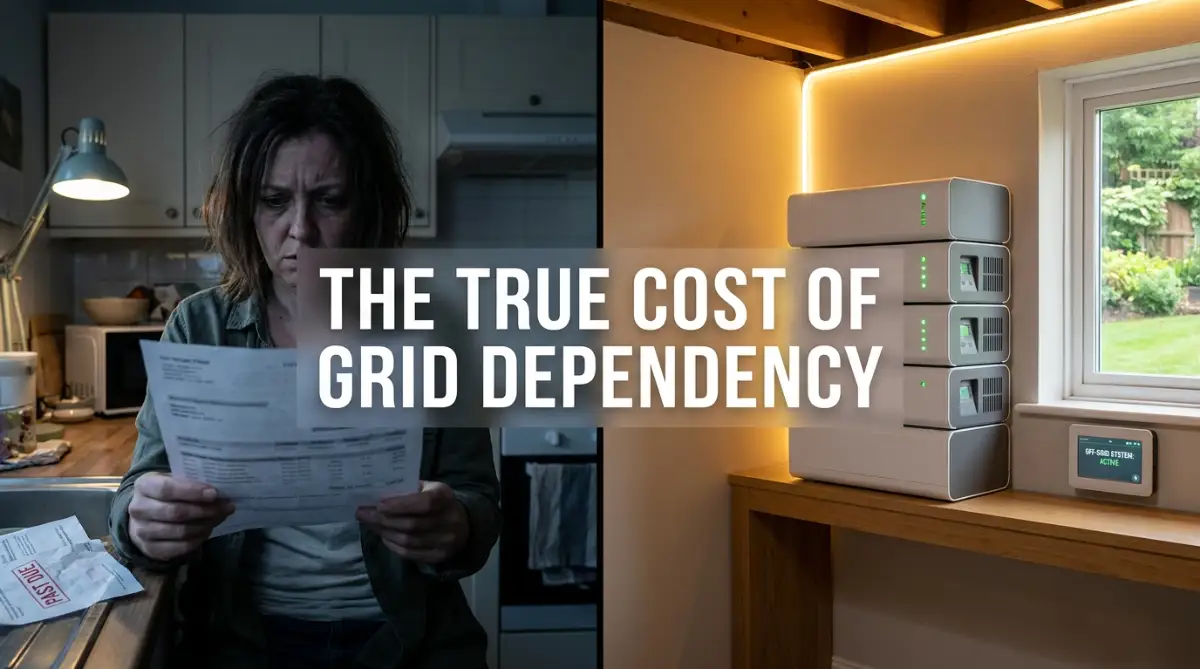
Let's be completely honest—opening your monthly electric bill shouldn't feel like a mini heart attack. You bust your tail to pay for your home, yet you're stuck renting power from massive utility companies that hike up rates whenever they feel like it. I finally had enough of this rigged game, and I want to show you exactly how you can cut the cord without giving up your everyday comforts.
Millions of ordinary homeowners face this exact same nightmare every single month. We work incredibly hard to buy our comfortable suburban homes, yet we remain entirely dependent on aging, fragile power grids that fail when we need them the most.
But escaping this cycle in a typical neighborhood is not as simple as watching a quick online video and slapping a few glass panels on your roof. Taking a standard, energy-hungry suburban house completely off the grid requires a massive shift in how you think about power.
Before We Dive In: What You Need to Know
- Math First, Gear Second: You cannot buy a single solar panel until you calculate your home's exact daily energy drain.
- Batteries Run the Show: Lithium batteries cost more upfront but easily outlast and outperform cheaper lead-acid options.
- Change Your Habits: True off-grid living requires you to do your heavy chores around noon when the sun is brightest.
- Winter Changes Everything: Always size your off-grid system based on your worst, cloudiest winter month, never on a sunny summer afternoon.
Stripping Away the Myths of Total Energy Independence
People often assume that going off-grid just means you never get a power bill again. While that is technically true, the journey to get there is filled with unexpected twists, massive learning curves, and a lot of honest self-reflection. You are no longer just a consumer of electricity. You are the power plant, the maintenance crew, and the grid operator all rolled into one.
If your system fails, you cannot just pick up the phone and yell at customer service. You have to figure out what went wrong. This level of responsibility is incredibly rewarding, but it demands respect and proper education from day one.
Before you even look at buying solar panels, you need to understand the true appetite of your house. We live in an era where everything we own is constantly plugged in and draining power.
Your television uses power even when it is turned off. Your microwave clock is slowly eating electricity 24 hours a day. These are called phantom loads, and in a normal grid-tied home, you do not even notice them. But in an independent solar network, every single watt matters.
Mapping Out Your Household Energy Appetite
The absolute first step to any successful solar project is performing a ruthless energy audit of your home. You cannot build a proper system if you do not know exactly how much energy you need to survive.
Many homeowners skip this part because it feels like boring math. They guess their usage, buy a pre-made solar kit off the internet, and then act shocked when their batteries die at 9 PM.
You need to track every major appliance in your house. Look at the sticker on the back of your refrigerator, your washing machine, and your well pump. Write down the wattage and multiply it by how many hours you use that appliance each day.
For example, if your coffee maker uses 1000 watts and you run it for 15 minutes a day, that is 250 watt-hours. You must do this for your entire house to find your total daily consumption. This single number will dictate the size, cost, and design of your entire future network.
Quick Cheat Sheet: My Real-World Energy Audit
To give you a head start, here is what a typical day looks like for a few heavy hitters in my own home. Notice how fast it adds up:
Pro Tip from My Own Experience: I completely underestimated how much power my central air conditioning actually pulled when starting up. I bought an inverter that could handle the running power, but the initial surge kept shutting my whole system down. Always check the "surge watts" or "starting watts" of your biggest appliances before buying your equipment!
Designing the Heartbeat of Your Network: The Battery Bank
Solar panels are the flashy part of the system that everyone likes to look at. However, the panels are completely useless the second the sun goes down or a heavy cloud rolls over your neighborhood.
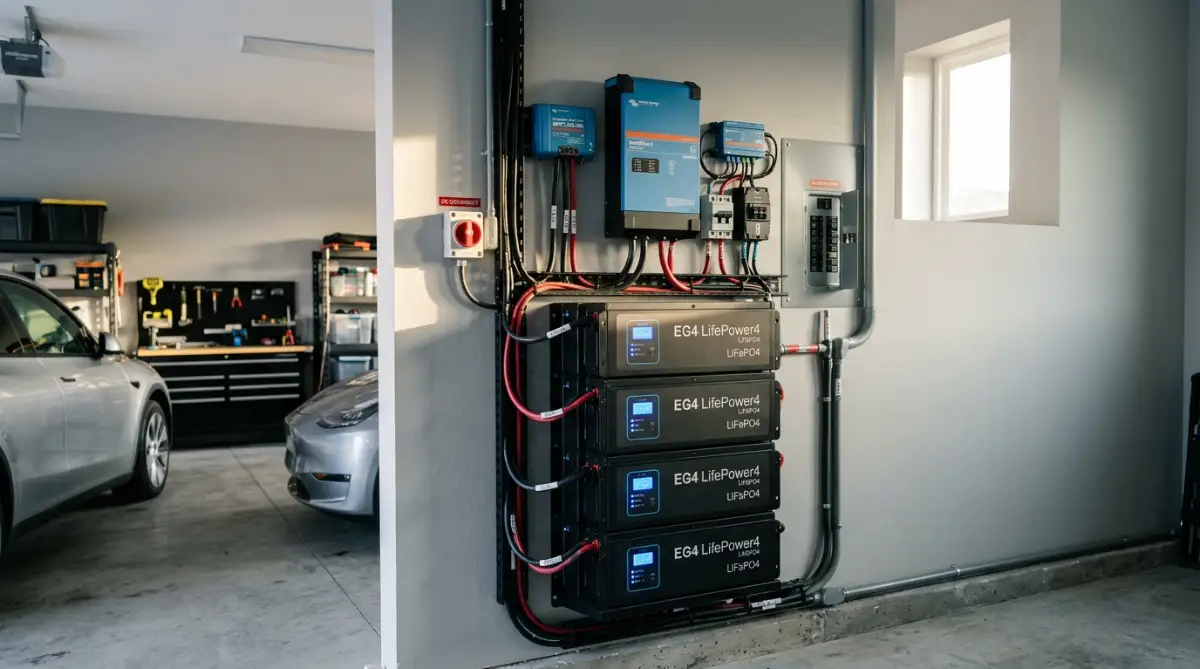
The real magic, and the most expensive part of your transition, happens inside your battery storage bank. Think of your solar panels like a rain-catching funnel, and your battery bank as the water bucket. If your bucket is too small, the water overflows and is wasted. If your bucket has a leak, you have nothing to drink when the rain stops.
Consider this before making your choice:
Are you going to use older lead-acid batteries or modern Lithium Iron Phosphate (LiFePO4) chemistry? Lead-acid is much cheaper upfront, but they are heavy, require constant maintenance, and can only be drained to about 50% capacity without damaging them.
Lithium batteries cost significantly more on day one. However, they last thousands of cycles longer, weigh a fraction of the amount, and you can safely use almost 100% of the stored energy. For a modern suburban home running high-demand appliances, lithium is almost always the smarter long-term investment.
A Quick Introduction to Battery Sizing
If you want to understand how the experts calculate battery storage capacity without getting lost in complicated engineering terms, you need a visual guide. Watching someone sketch out the math makes the concept incredibly simple to grasp. Take a moment to watch this breakdown before you spend a single dollar on storage.
Preparing for the Worst-Case Weather Scenario
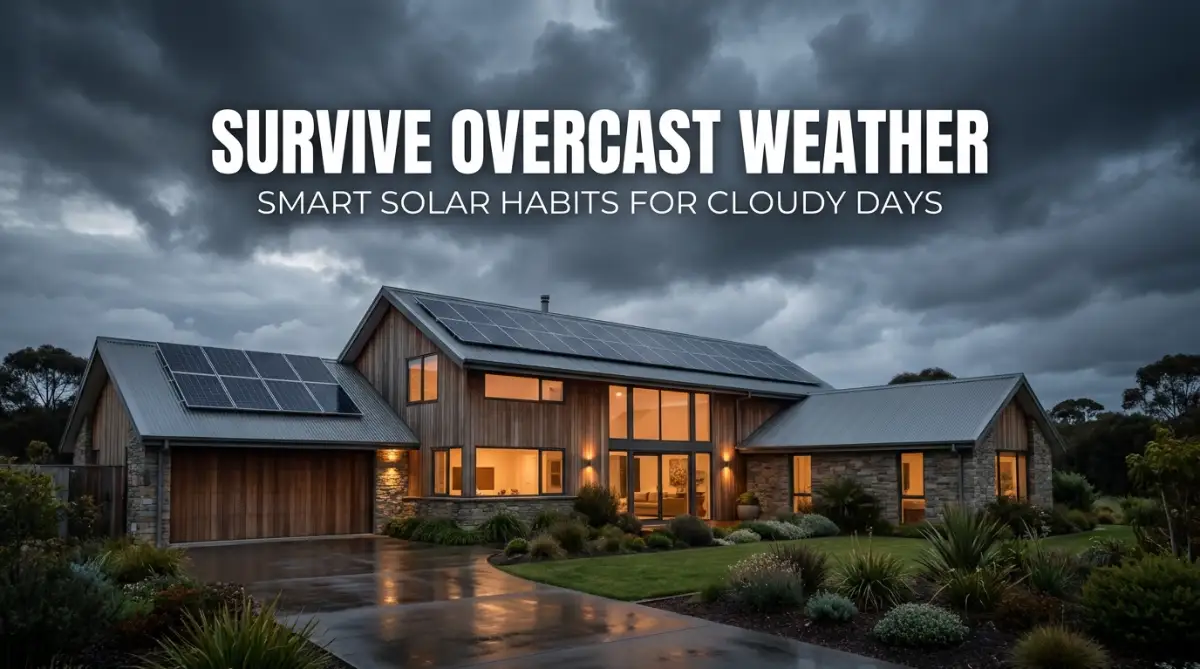
A major mistake many first-time solar buyers make is sizing their system based on beautiful, sunny summer days. They calculate how many hours of direct sun hits their roof in July and build their network around that data.
Then December arrives. The days become incredibly short, the sun sits low in the sky, and heavy snow covers the roof. Suddenly, their "perfect" system is only generating a fraction of what they need.
When you live off the grid, you must design your system for your worst month, not your best month. You have to figure out how many consecutive days of cloudy weather your area normally gets. This is known in the solar community as "days of autonomy."
If you usually get three days of heavy rain in a row, your battery bank must be large enough to power your essential appliances for those three days without any help from the sun. If you cannot afford a battery bank that massive, you need a reliable backup plan. Most off-grid suburban homes keep a dual-fuel generator wired into their system to charge the batteries during long stretches of terrible weather.
The Reality of Transforming Your Suburban Lifestyle
Transitioning away from the power company requires a massive change in your daily habits. You simply cannot treat energy the same way you used to.
In a traditional home, you might turn on the dishwasher, throw a load of towels into the dryer, and blast the air conditioning all at the same time at eight o'clock at night. If you try that on an off-grid system, you will likely drain your batteries incredibly fast or overload your inverter.
You have to learn the art of "load shifting." This means shifting your heavy energy tasks to the middle of the day when the sun is shining directly on your panels.
My Personal "Load Shifting" Daily Routine:
- Morning (7 AM - 10 AM): Batteries are low from the night before. I stick to making coffee and using low-draw items. No heavy chores yet.
- Peak Sun (11 AM - 2 PM): The solar panels are maxed out. This is my window to run the washing machine, turn on the dishwasher, and heat up the water tank. The power is completely free right now.
- Evening (6 PM Onward): Sun goes down. I switch to battery power. We watch TV and use LED lights, but I never run the electric dryer or dishwasher during this time.
When the sun is blazing at noon, your panels are producing excess power that your batteries might not even be able to hold. That is the perfect time to run your high-wattage appliances. Do your laundry, run the dishwasher, and heat up your water while the energy is basically free and abundant.
Once the sun sets, you transition into conservation mode. You learn to turn off unnecessary lights, wait until morning to vacuum the house, and become highly aware of what is running. It might sound restrictive at first, but it quickly becomes a highly rewarding game of efficiency.
Navigating the Maze of Suburban Rules and Regulations
Living in the woods makes going off the grid fairly simple from a legal standpoint. Living in a suburban neighborhood is an entirely different story.
You have to deal with city zoning laws, building permits, and the dreaded Homeowners Association (HOA). Many suburban areas actually have laws that make it illegal to physically disconnect your home from the city power grid.
They claim it is a health and safety issue because a home without guaranteed power might not have running water or heat. You might have to keep the grid connection attached to your house legally, but simply turn off the main breaker and never use it.
You also have to fight against strict visual guidelines. Your neighborhood association might hate the look of solar panels on the front-facing side of your roof. They might demand that your battery bank and backup generator are hidden behind expensive privacy fences.
You must read your local ordinances carefully before you order any equipment. Call your local building inspector and ask very specific questions about off-grid setups. Having an inspector force you to tear down a newly built system because you missed a single paperwork step is a heartbreaking and expensive nightmare.
Upgrading Your Appliances for a Low-Wattage Life
Your current appliances are probably energy hogs. Standard electric water heaters and electric ovens demand a ridiculous amount of electricity.
Trying to power a traditional electric heating system with solar panels alone requires a system so large it would likely not fit on a normal suburban property. To make this transition work, you have to find alternative ways to handle your heavy heating and cooling needs.
Many off-grid homes switch their stoves, ovens, and water heaters over to propane or natural gas. This instantly removes a massive electrical burden from your solar panels and inverters.
If you absolutely want to stay 100% electric, you need to invest in highly efficient heat pump technology. Heat pump water heaters and mini-split air conditioners use a fraction of the energy that traditional units use. They are expensive to buy, but they make an off-grid lifestyle possible without requiring an entire field of solar panels.
Even small changes make a massive difference. Swapping out every single light bulb in your house for high-efficiency LEDs is non-negotiable. Putting your television and entertainment center on a smart power strip that completely cuts the power when you turn off the screen stops those sneaky phantom loads.
Living off the grid in the suburbs is not about giving up comfort. It is about becoming intensely smart with how you generate and consume your resources. Every watt you save is a watt you do not have to buy panels and batteries to support.
Mastering the Hidden Mechanics of Your Home Energy Network
Building an independent power system is only the beginning of your journey. The real challenge, and honestly the most satisfying part, is learning how to manage your daily power flow like an absolute professional.
When my first solar setup went live, I thought the hard work was completely finished. I just flipped the giant switch, sat back on my couch, and waited for the free energy to roll in. Two weeks later, my entire system shut down in the middle of a hot afternoon because I had ignored the deep technical details of battery maintenance.
You have to change your entire perspective on how energy moves through your house. It is no longer an endless, invisible supply coming from a pole down the street. It is a living, breathing resource that you must actively manage and protect.
If you want your expensive equipment to last for decades instead of just a few years, you need to understand the quiet language of your inverters and charge controllers. Let us look at the smart habits that separate successful off-grid homes from the ones that constantly fail.
The Secret Power of Daily Monitoring Apps
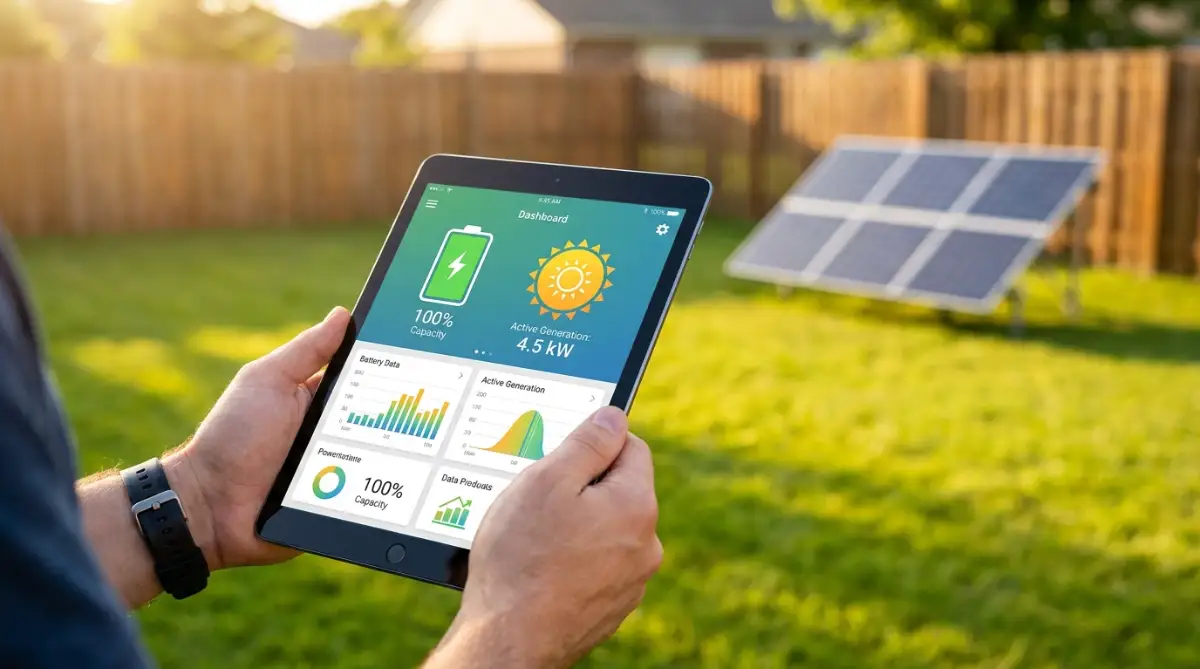
You cannot protect what you do not measure. If you are serious about disconnecting your house, you need an advanced, real-time monitoring system installed alongside your panels.
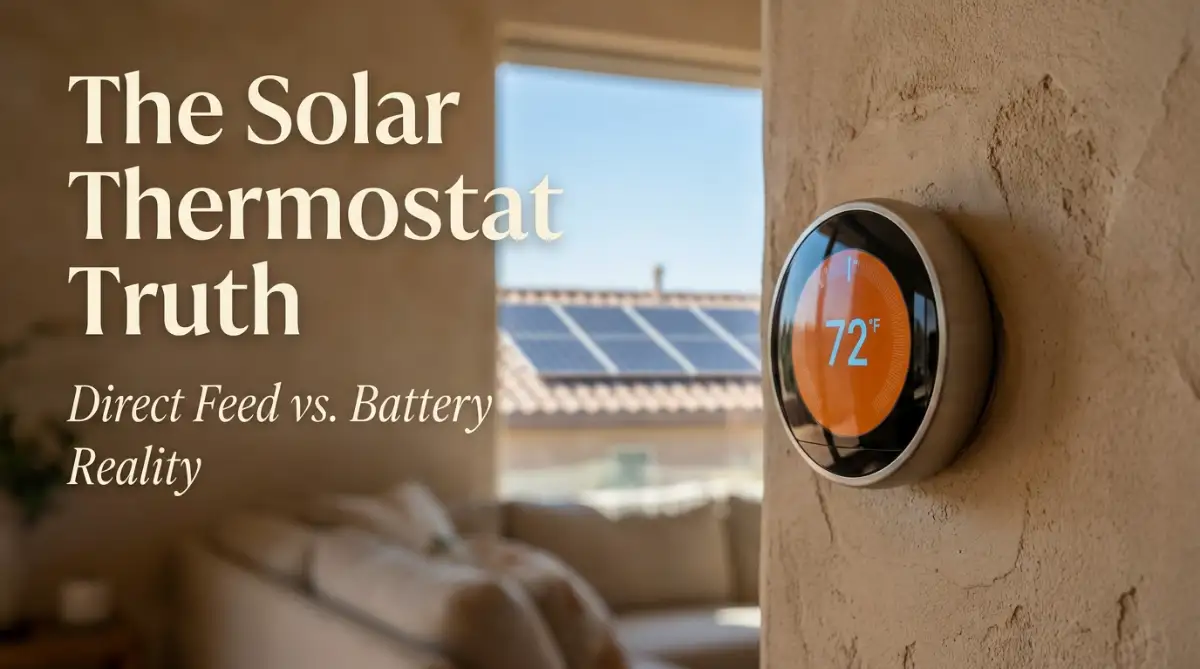
Most modern solar inverters come with a smart app that connects directly to your phone. Check this app the way you check your bank account balance. You need to know exactly how much power you are generating at 10 AM compared to 2 PM.
More importantly, you need to watch your home's baseline power drain when you think everything is turned off. I used my monitoring app to discover that an old, empty freezer in my garage was quietly pulling massive amounts of power in the middle of the night. By simply unplugging that forgotten appliance, I saved my batteries from draining dangerously low.
Weather Prediction is Your New Best Friend
When you rely entirely on the sun, the local weather forecast becomes the most important news of your day. You have to start planning your heavy energy chores around what the sky is going to do tomorrow.
If your phone shows a massive, dark rainstorm moving in for the next three days, today is the day you run the washing machine, bake bread, and fully charge every single device in your house. You want to enter a stormy period with your home battery storage at absolutely maximum capacity.
Conversely, if the weather is going to be perfectly clear all week, you can relax and use your heavy appliances whenever you want during daylight hours. Learning to read the weather and adjusting your habits accordingly is the absolute biggest secret to never losing power.
Managing the Hidden Heat Inside Your Equipment
People obsess over keeping their solar panels clean, but they completely ignore the expensive electronics running the entire show. Inverters and charge controllers generate a surprising amount of heat while they are converting raw solar energy into usable house power.
If you install this equipment in a tight, unventilated garage or a tiny utility closet, you are slowly killing your system. Heat is the ultimate enemy of solar electronics and battery cells.
Make sure your equipment room has excellent airflow. Install simple exhaust fans to pull the hot air out during the summer. I learned this the hard way when my expensive inverter automatically shut itself off because the utility room hit dangerous temperatures. A simple $20 box fan aimed at the wall would have saved me a massive headache.
If you are thinking about setting up your panels yourself to save money, be very careful where you mount them. Why installing DIY solar on an old roof can cost you thousands is a lesson many homeowners learn much too late. Always inspect your roof structure before bolting heavy metal racks to it.
The Quiet Dangers That Destroy Independent Systems
Making the jump to totally free power is an incredible feeling, but the road is heavily paved with expensive lessons. I see new solar owners making the exact same painful mistakes over and over again.
Usually, these errors happen because people try to rush the process or cut corners on the most important parts of their network. Fixing a broken off-grid system is always more expensive than building it correctly the first time. Let us walk through the absolute worst traps you need to avoid at all costs.
Buying Cheap Cables for High-Power Runs
This is probably the most dangerous mistake you can make. When you are moving large amounts of raw direct current (DC) power from your panels to your batteries, you cannot use thin, cheap wiring.
Thin cables create massive resistance. This resistance does two terrible things: it wastes a huge percentage of your hard-earned solar power, and it creates extreme heat. I have seen cheap, undersized cables physically melt their plastic coating and start small fires behind walls. Always buy pure copper, thick-gauge cables that are officially rated for high solar voltage.
Mixing Different Ages and Brands of Batteries
It is incredibly tempting to build your system piece by piece as you find extra money. You might buy two batteries today, and then try to add two more from a different brand a year later.
This is a terrible idea for your storage bank. Batteries have different internal resistances based on their age, brand, and exact chemistry. If you wire an old battery directly to a brand new one, the older battery will constantly drag down the performance of the new one.
The system will never charge properly, and you will end up replacing the entire bank much sooner than expected. If you need to expand your storage, you usually have to buy a completely new matching set or use advanced separate charge controllers. It is much smarter to properly size your system and buy all your batteries at the exact same time.
Ignoring the Dirty Reality of Your Roof
Solar panels are incredibly tough, but they are completely useless if they are covered in dirt, pollen, and bird droppings. Many homeowners install their panels high up on a steep roof and then completely forget about them.
Over a few months, a thick layer of grime builds up on the glass. This thin layer of dirt can easily block 15% to 20% of your total power production. You might think your system is broken, but it just needs a good bath.
You need to establish a safe, regular cleaning schedule. Use a soft brush on a long extension pole with plain water early in the morning when the panels are cool. Never spray freezing cold water on hot baking panels in the middle of the afternoon, or you risk shattering the expensive glass.
If you are dealing with a complex setup and need to manage your system data efficiently, you might want to look into how to optimize local storage for massive open source AI models for ideas on managing heavy digital loads.
Overloading Your Inverter with Tiny Starts
Your main inverter has a maximum amount of power it can handle at one time. People usually check the wattage of their big items, like the microwave or the vacuum cleaner.
However, they completely forget about the hidden surge power of heavy motors. When your refrigerator compressor suddenly kicks on, it can pull three or four times its normal running power for just a few seconds. If your well pump and your refrigerator both decide to kick on at the exact same split second, the sudden massive spike will overload your inverter and shut down your whole house.
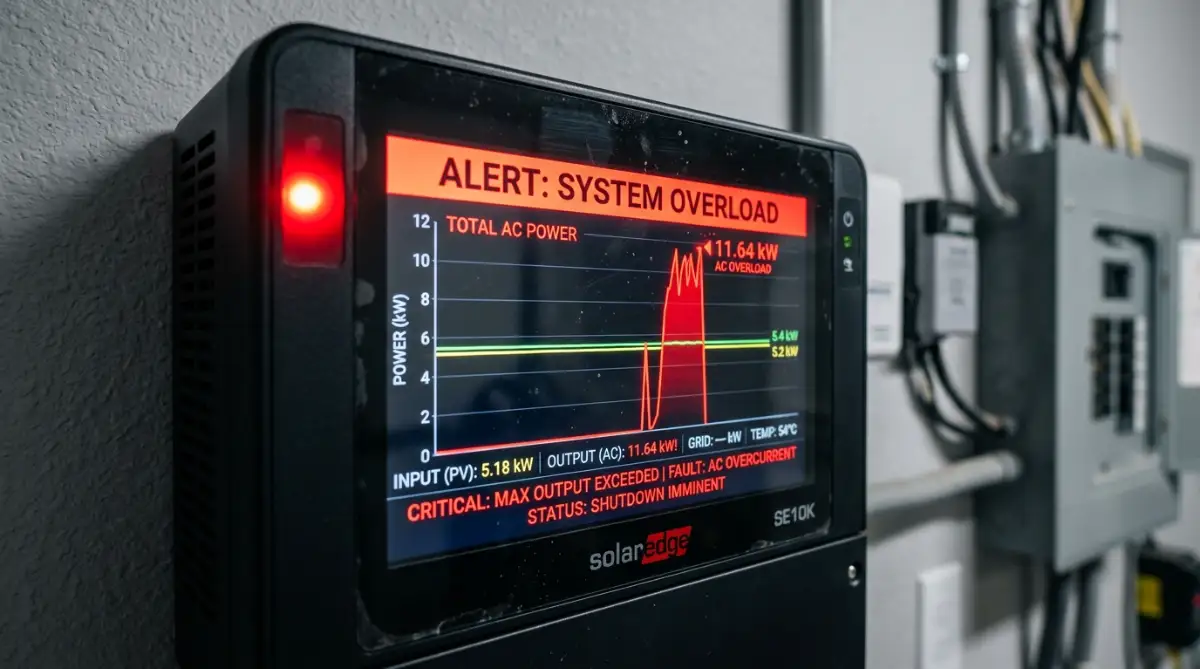
You have to buy an inverter that can easily handle these random, simultaneous power spikes. Do not buy an inverter that just barely covers your running loads, or you will be resetting your system multiple times a week. The National Renewable Energy Laboratory offers great insights into managing these heavy residential power loads safely.
Your Blueprint for True Power Freedom
Stepping away from the power company is not just a weekend home improvement project. It is a complete lifestyle shift that hands you back the control you lost a long time ago.
Yes, there is a massive learning curve, and the initial costs can feel intimidating. But the absolute peace of mind you feel when a severe storm hits and your lights stay on is worth every single penny and every hour of frustration. You stop worrying about unpredictable rate hikes and start taking pride in powering your life with the sun hitting your own roof.
The transition demands respect, careful planning, and a willingness to understand how your house truly works. You have to measure your exact needs, invest in high-quality lithium storage, and learn the daily rhythm of load shifting. If you avoid the trap of cheap wiring and mismatched batteries, you will build a network that quietly supports your family for decades.
I want you to walk outside tomorrow morning, look up at your roof, and imagine the quiet confidence of never opening another electric bill again. Start measuring your heavy appliances tonight, take that very first step toward real independence, and completely change the way your home survives.
Common Questions About Residential Solar Systems
Do I still have to pay a utility bill if I am totally off the grid?
If you physically disconnect your house entirely from the city lines, you will not receive a standard power bill. However, some local city governments still charge a small mandatory connection fee or tax just for living in their zone, so you must check your local town laws.
How long do lithium solar batteries actually last?
High-quality lithium iron phosphate batteries can easily last between 10 and 15 years if you keep them in a cool, dry place. They survive thousands of deep charging cycles before you will even notice a drop in how much power they can hold.
Can regular solar panels run a central air conditioner?
They absolutely can, but it requires an incredibly large and expensive system. Most people who run full air conditioning off the grid use highly efficient mini-split units instead of trying to power massive central A/C compressors.
What happens to my system if lightning strikes my house?
A direct lightning strike will destroy almost any electronic device, which is why your system must be properly grounded with heavy copper rods driven deep into the earth. You also need to install specialized solar surge protectors between your panels and your expensive indoor equipment.
Is my roof strong enough to hold a full solar array?
Standard modern roofs are generally built strong enough to handle the weight of the panels and the mounting rails. However, if your roof shingles are old or dipping, you must replace the actual roof structure before you add hundreds of pounds of metal and glass on top of it.
Disclaimer: The information provided in this article is for educational and informational purposes only. Electrical systems, especially high-voltage solar and battery networks, can be extremely dangerous. Always consult with a certified electrician or a professional solar installer before attempting to design, modify, or install any power generation equipment in your home. Ensure you follow all local building codes and HOA regulations.