The Day My DIY Dream Turned Into a Costly Home Nightmare
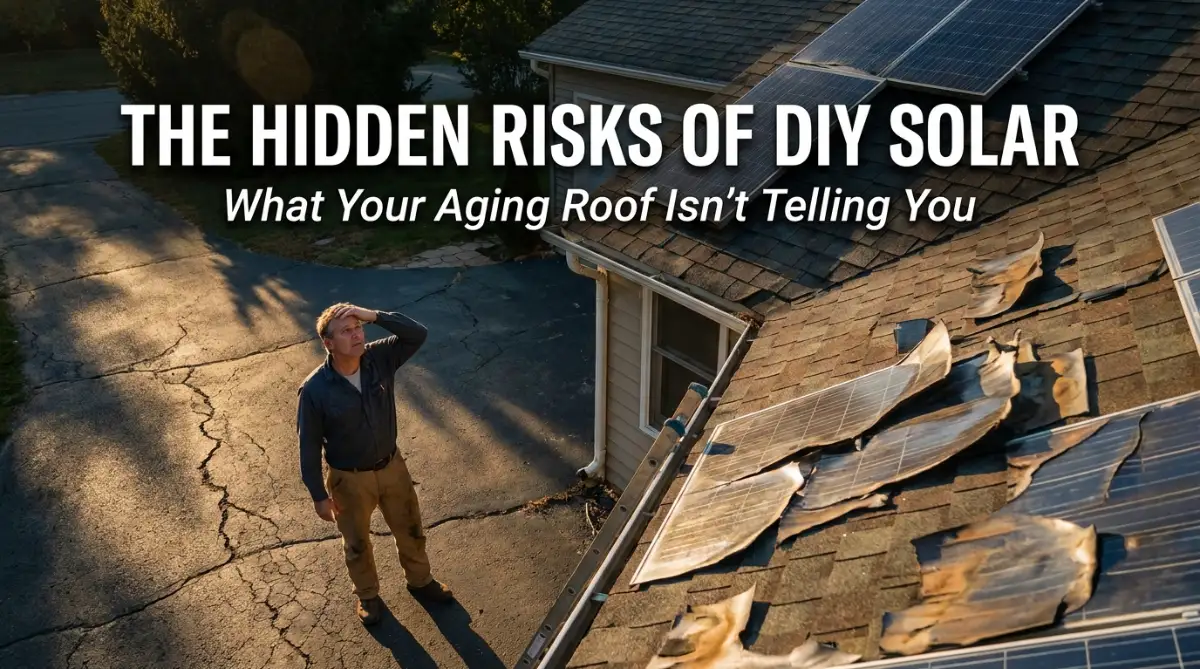
Man, nothing kills the excitement of saving money on your electric bill quite like watching rainwater drip into a bucket on your living room floor. I learned the hard way that slapping a 400-pound solar setup onto a 15-year-old roof isn't a clever weekend hack—it’s a fast track to structural disaster. If you are holding a drill right now and staring at your aging shingles, put it down. Let me show you exactly why your older roof might completely cave under the pressure.
But just two weeks later, I woke up to the absolute worst sound a homeowner can hear. Water was steadily dripping from the ceiling right above my living room couch. I realized entirely too late that slapping heavy, rigid solar panels onto my fifteen-year-old shingle roof was a massive mistake.
The stress of watching rainwater ruin my expensive hardwood floors completely destroyed my excitement for renewable energy. I had to pay a professional roofing crew extra money to carefully remove the panels I had just installed. Then, I had to pay for extensive emergency roof repairs before even thinking about putting the solar system back up.
That exact panic is a reality for so many homeowners right now. We all want to lower our monthly electricity bills and do our part for the environment. The idea of ordering a DIY kit online and setting it up over a long weekend sounds incredibly appealing.
However, everyday people are blindly walking into a structural trap that threatens the safety of their homes. When you attach modern technology to an aging, tired roof, you are asking for serious trouble. The daily mental strain of waiting for a heavy rainstorm to expose your mistakes takes a massive toll on your peace of mind.
You find yourself constantly checking the ceiling for wet spots instead of enjoying your home. Every time the wind picks up, you worry that the entire mounting system might rip away from the fragile wood underneath. The financial burden of fixing water damage and structural sagging far outweighs any electricity savings you might earn.
Nobody wants to live with buckets scattered across their living room floor. You deserve a safe, secure home that actually saves you money, rather than draining your savings account through unexpected repairs.
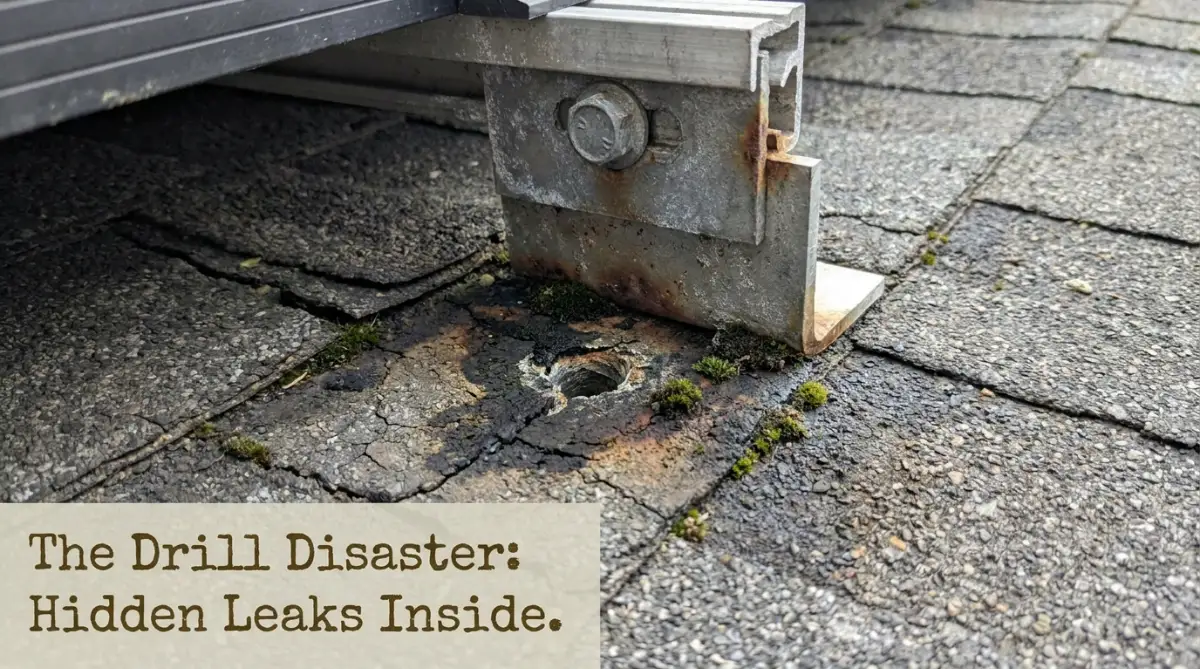
Before You Drill: Key Things You Need to Know
- Old wooden rafters lose their strength over time and often crack under the heavy, focused weight of solar mounting brackets.
- Even one tiny missed drill hole will let rainwater rot your attic from the inside out, leading to expensive toxic mold.
- Installing unpermitted DIY panels almost always voids your current roof warranty and makes your home insurance completely useless if a storm hits.
- Always fix or replace an aging roof before putting anything heavy on top of it. Double labor costs will eat your savings alive.
The Science Behind Why Older Roofs Reject Heavy Additions
To understand why this happens, we need to look at how a house actually supports weight. Think of your roof like a human spine that has been carrying a heavy load for over a decade. Over time, the materials naturally weaken, settle, and lose their original strength.
When your house was first built, the engineers calculated the exact amount of weight the wooden rafters could safely hold. This includes the weight of the wood, the underlayment, and the shingles themselves. This constant, unchanging weight is known as the dead load.
Your roof is also designed to handle temporary stress, like heavy winter snow or extreme wind pushing down on it. This temporary pressure is called the live load. When you add a massive array of glass and metal panels, you dramatically change the permanent dead load of the entire structure.
An aging roof simply does not have the remaining structural flexibility to adapt to this sudden, massive weight increase. The wooden trusses under your shingles have likely absorbed moisture over the years, making them slightly softer. Pushing hundreds of extra pounds onto compromised wood creates dangerous stress points across your entire house.
Understanding Concentrated Point Loads
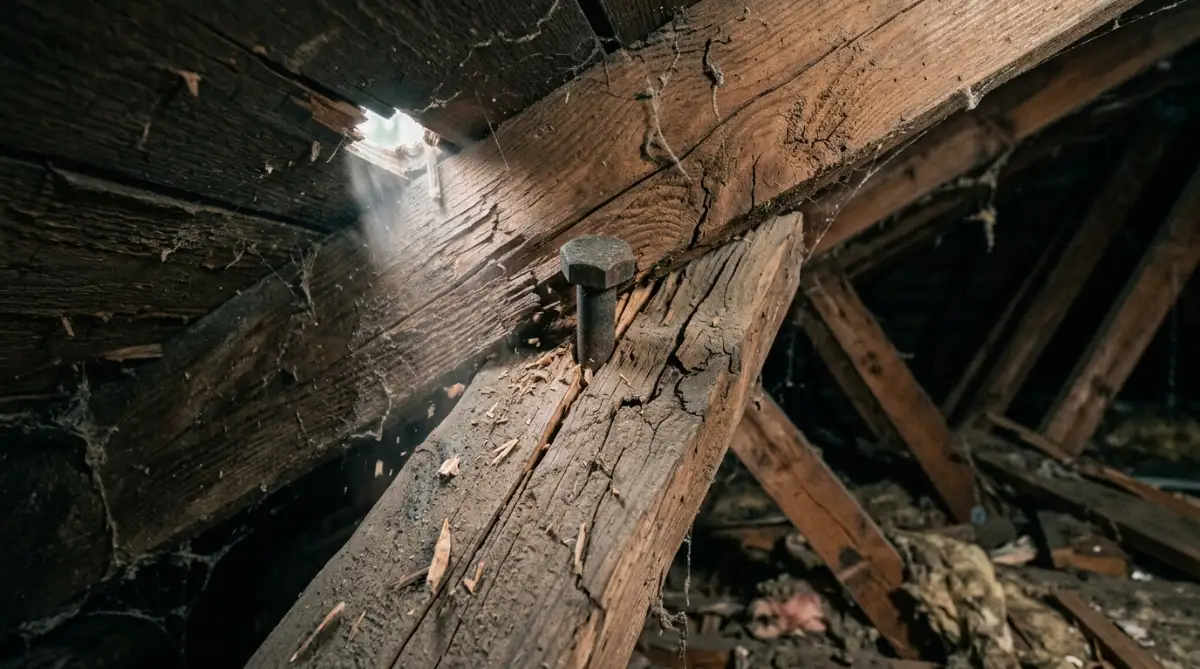
A solar array does not spread its weight evenly across the entire surface of your roof. Instead, all of that heavy glass and metal is supported by just a few tiny mounting feet. All the pressure is forced down into these specific, isolated spots.
We call these concentrated pressure areas point loads. Imagine the difference between someone stepping on your foot with a flat sneaker versus a sharp high heel. The high heel concentrates all the body weight into a tiny area, causing significantly more pain and damage.
Pro Tip: I quickly learned that simply finding a wooden stud with a sensor is never enough. My biggest mistake was assuming the aging rafters in my attic were strong enough to handle extreme point loads without reinforcing them first, and that assumption nearly collapsed a section of my roof.
When you drive a thick metal lag bolt through a bracket and into an older wooden rafter, you are asking that specific aging beam to hold an unnatural amount of stress. If the wood is dry-rotted or slightly split, it will slowly begin to bow downward. This internal bowing is exactly what causes your roof to look wavy or sunken from the outside.
Quick Myth vs. Fact: The Stud Finder Trap
- The Myth: "If my stud finder beeps and I hit the wooden rafter, my solar panel is perfectly secure."
- The Ugly Fact: Hitting the wood is only 10% of the job. You have no idea if that 15-year-old piece of wood is dry-rotted, split, or already bowing under the weight of your heavy shingles. Driving a thick bolt into weak wood acts like a wedge, splitting the rafter right down the middle and instantly ruining your roof's support system.
The Hidden Danger of Wind Uplift
Weight pressing down is only half of the physical equation. We also have to heavily consider what happens when extreme weather rolls through your neighborhood. Solar panels act exactly like giant airplane wings when strong winds blow across your property.
The wind easily rushes under the gap between the panels and your shingles. This creates a powerful upward pulling force known as wind uplift. Your mounting brackets suddenly have to act as heavy-duty anchors fighting against nature.
If your roof decking is old, the nails holding everything together have already started to rust and loosen. The intense pulling force from the wind can actually rip the older wood right off the trusses. You risk losing not just your expensive solar investment, but the actual protective barrier of your home.
Before you even touch a drill, you absolutely need to understand what lies beneath your shingles.
Real-Life Reality Check: DIY Solar Assumptions Exposed
Many weekend warriors fall into dangerous traps because they listen to bad advice on the internet. Let's break down some common assumptions that completely ruin home improvement projects.
Assumption: "My roof hasn't leaked yet, so it is perfectly fine for a solar installation."
Reality: A roof can look completely normal on the outside while hiding severe dry rot underneath the surface. The extreme pressure of a new installation will instantly expose weaknesses that were previously dormant.
Assumption: "I can just cover the drill holes with lots of roofing sealant, and it will be waterproof."
Reality: Standard roofing sealants eventually dry out, crack, and peel away after facing direct sun exposure. Older shingles are already brittle, and adding chemical sealants often causes them to curl and fail faster.
Assumption: "If I mess up, I can just patch the small hole and try drilling again."
Reality: Every single missed drill hole creates a permanent tunnel directly into your attic. Water is incredibly persistent and will find those tiny, hidden tunnels during the very next rainstorm.
Comparing Roof Capacities: New vs Aging Homes
To give you a clearer picture, let's look at how the age of your materials directly affects structural strength. This simple breakdown shows why treating an old house like a brand-new build is a recipe for disaster.
The Real Cost of a DIY Roof Failure (A Quick Breakdown)
To give you a real-world perspective, here is what it usually costs when you guess wrong about your older roof's strength:
- Emergency Tarps & Water Extraction: $500 - $1,500
- Replacing Moldy Drywall & Hardwood: $2,000 - $5,000
- Full Roof Replacement (After Damage): $8,000 - $15,000+
- The Verdict: Trying to save $3,000 on solar labor can easily cost you $20,000 in structural home repairs. It simply isn't worth the gamble.
How to Evaluate Your Home's Readiness Like a Pro
You need to take specific, calculated steps to determine if your house can actually survive a DIY solar project. We are going to walk through the exact physical checks you must perform before buying any equipment.
Do not rush through these physical checks. Taking your time here will save you massive headaches and protect your bank account from complete disaster.
Phase: The Deep Attic Investigation
The very first place you need to inspect is the darkest part of your home. Grab the brightest flashlight you own and carefully climb up into your attic space during the middle of the day. You want the sun shining brightly outside so you can easily spot tiny holes.
Turn off your flashlight for a moment and let your eyes adjust to the darkness. Look closely at the underside of the wooden roof decking. If you see tiny pinholes of daylight shining through, your protective layers are already failing.
Next, turn your light back on and closely examine the wooden rafters. You are specifically looking for dark brown or black water stains running down the sides of the wood. Water stains indicate an active, slow leak that has likely already softened the structural supports.
Phase: Testing Shingle Flexibility and Granule Health
The actual surface of your roof needs a thorough physical examination. Carefully set up a ladder and safely observe the condition of your asphalt shingles. Do not walk on an older roof unless it is absolutely necessary, as foot traffic causes extreme damage.
Look closely at the gutters to see if there is a thick buildup of tiny, sand-like rocks. These are the protective granules that shield the asphalt from harsh ultraviolet sun rays. If your shingles are bald and losing granules rapidly, they are at the end of their functional lifespan.
You also need to check the flexibility of the shingles on the bottom edge. Gently try to lift the corner of a shingle with your fingers. If it feels stiff, makes a cracking sound, or simply snaps off in your hand, you cannot safely install solar mounts underneath them.
Phase: Measuring Thermal Impact and Ventilation
A highly overlooked danger of mounting panels on an older home is extreme heat buildup. Solar panels get incredibly hot during the summer, often reaching temperatures well over 150 degrees Fahrenheit. This intense heat gets trapped in the small gap between the panel and your roof.
Older asphalt shingles are highly sensitive to extreme temperature changes. When they are constantly baked by trapped heat, the asphalt oils dry up much faster than normal. This process causes the edges of the shingles to curl upward, completely destroying their ability to shed rainwater.
You must evaluate how well your attic actually breathes. Check your soffit vents under the eaves and the ridge vent at the very top of the house. If your roof cannot properly push hot air out, the added heat from the solar array will literally cook your older shingles to death.
Proper air flow is your only defense against extreme thermal degradation. If your attic feels like a suffocating sauna, you need to fix your ventilation system before even thinking about adding heavy electronic panels. Taking the time to understand these invisible forces is what separates a smart homeowner from a desperate one.
Advanced Strategies to Protect Your Home Before Going Solar
If you have carefully inspected your attic and found your aging structure is still mostly intact, you are not entirely out of the woods just yet. There are specific, professional-grade techniques you must use to protect your home from sudden disaster. Standard DIY kits often skip these protective measures to keep their prices artificially low.
The biggest secret in the professional installation industry is proper structural reinforcement. You cannot simply bolt heavy metal tracks onto older, tired wooden framing and hope for the best. You have to give your roof a brand new skeleton to handle that extra pressure.
Professionals use a technique called "sistering" the rafters in the attic. This means you take brand new, thick pieces of lumber and securely bolt them directly alongside your existing, older roof beams. This process essentially doubles the weight capacity of your roof structure and prevents the old wood from bowing under pressure.
You can learn more about safe residential weight loads by reading through the structural guidelines provided by the National Renewable Energy Laboratory. They clearly explain how heavy point loads affect different types of residential building materials. I highly recommend researching these engineering basics before buying any heavy equipment.
Another major protective measure involves how you seal the holes you drill into your home. The biggest amateur mistake is relying on cheap tubes of liquid silicone or roofing tar to stop rainwater. Sun exposure will dry out those liquid sealants in just a few short months, leaving your home completely unprotected.
Instead, you must use high-quality metal roof flashing. Flashing is a wide, flat piece of aluminum that physically slides underneath your asphalt shingles. It acts like a waterproof umbrella, directing rainwater safely over the top of your drill holes instead of letting it pool around the bolts.
The Hidden Power of Energy Management
Sometimes, the best way to handle an aging roof is to simply put fewer solar panels on it. You can achieve this by drastically reducing the amount of power your home wastes every single day. The less electricity you naturally use, the smaller and lighter your solar system needs to be.
When your house runs highly efficiently, you might only need a few lightweight panels instead of a massive, heavy array. This drastically lowers the physical stress placed on your old shingles and tired wooden rafters. You get the benefit of lower utility bills without risking a complete structural collapse.
For more broad ideas on making your living space smarter and safer, you can always browse through our main resource portal for ongoing home improvement tips. Taking a well-rounded approach to energy savings is always safer than rushing into a heavy installation.
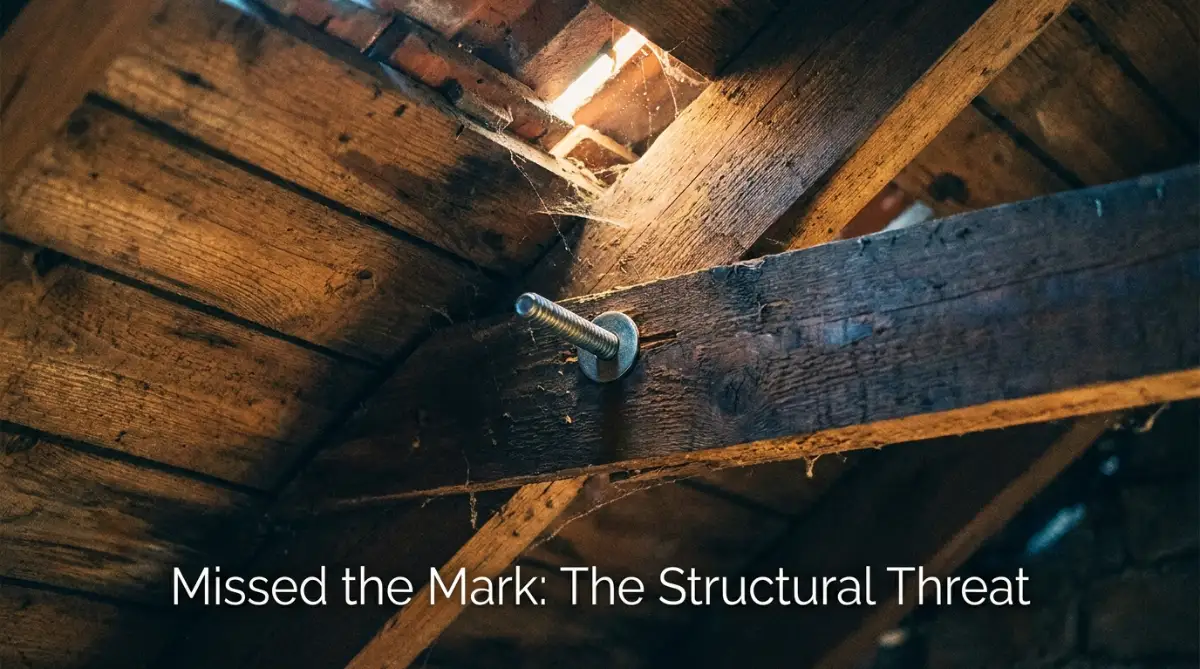
The Pitfalls: Scenarios That Destroy Homeowner Dreams
Even with the best intentions, everyday people fall into terrible traps when they try to bypass professional roofing standards. Let's look at some real-life scenarios where ignoring the condition of an old roof leads to absolute disaster. These are the exact situations that keep insurance agents and emergency repair crews busy all year long.
The Insurance Denial Nightmare
Imagine spending your entire weekend hauling heavy glass panels up a ladder and successfully wiring them together. Two months later, a heavy summer storm rolls through and rips the panels straight out of your brittle, aging shingles. You immediately call your homeowner's insurance company to file a claim for the massive hole left in your roof.
The insurance adjuster arrives, takes one look at your unpermitted handiwork, and instantly denies your entire claim. Most insurance policies strictly state that any damage caused by uncertified DIY modifications is completely your financial responsibility. You are now stuck paying out of pocket for a brand new roof, emergency water removal, and replacing the broken solar equipment.
To understand how insurance companies view these specific home alterations, you can review consumer advice from the National Association of Insurance Commissioners. They frequently warn homeowners about how unauthorized projects completely void standard property protections.
The Slow Mold Trap
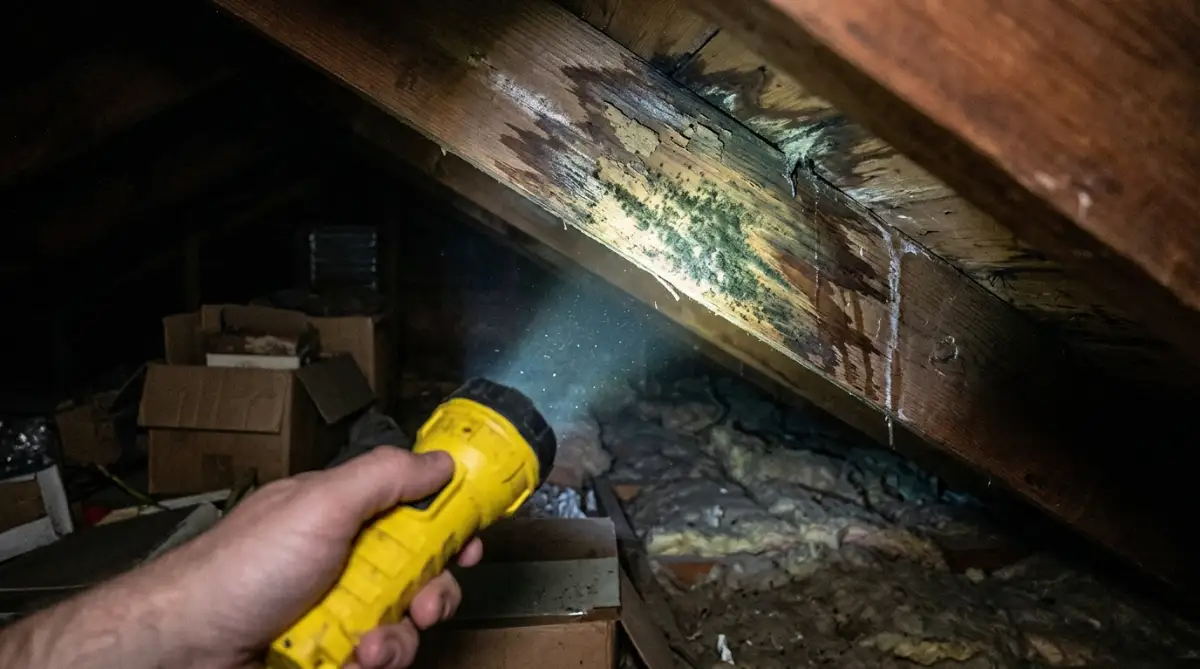
Not all DIY disasters happen quickly. In many cases, the mounting brackets are installed just poorly enough to let a tiny trickle of water pass through the old shingles. This water slowly runs down the wooden rafters inside your dark, warm attic without ever touching the ceiling below.
Over a few months, this constant damp environment creates the perfect breeding ground for toxic black mold. The mold eats away at the structural wood and spreads dangerous spores directly into your home's air conditioning system. You might not even know you have a problem until your family starts experiencing unexplained respiratory issues.
According to guidelines from the Environmental Protection Agency, indoor mold growth caused by slow structural leaks is incredibly expensive to properly remove. You end up spending thousands of dollars on professional mold remediation simply because you missed a single drill hole.
The "Voided Warranty" Reality Check
If your older roof still has a few years left on its original manufacturer warranty, you are playing a dangerous game. Shingle manufacturers are extremely strict about how their products can be altered. The moment you drive a heavy lag bolt through an asphalt shingle, you instantly void any remaining warranty on that section of the house.
If the shingles naturally start to fail later on, the manufacturer will blame your heavy solar mounts for the damage. They will refuse to cover the cost of replacement materials, leaving you entirely on your own. You sacrificed the guaranteed protection of your roof for the hope of a slightly lower electric bill.
Do's and Don'ts for Aging Roofs
- Do hire an independent structural engineer to evaluate your attic framing before buying any equipment.
- Don't assume that thick layers of liquid silicone will stop water from penetrating older, brittle materials.
- Do check with your local city permitting office to ensure your proposed project follows current safety codes.
- Don't attach mounting rails to the overhangs of your roof, as these areas have zero heavy structural support.
- Do carefully calculate the total weight of the panels, racks, and wiring before placing anything on your property.
Your Action Plan for Safe Green Energy
Deciding to wait on a solar project is often the smartest financial choice you can make. It is completely okay to pause your renewable energy goals until your home is structurally ready to support them safely. Your primary focus should always be keeping the physical structure of your house safe, dry, and fully protected from the weather.
If you know your roof is nearing the end of its natural life, start planning a complete replacement first. Many modern roofing contractors now offer integrated solar shingles that eliminate the need for heavy, dangerous mounting racks entirely. This gives you a fresh, solid foundation and green energy all in one secure package.
Take the time to gather quotes from licensed professionals who specifically deal with aging residential structures. Ask them hard questions about how they plan to reinforce your attic framing and waterproof their drill sites. A trustworthy installer will gladly explain their safety measures and provide clear, written warranties for their work.
I know exactly how tempting it is to buy a cheap kit online and try to conquer this project yourself. My biggest realization was that protecting the roof over my family's head is worth infinitely more than a small discount on my electric bill. You have the power to make the smart, safe choice today that your future self will deeply appreciate.
Answers to Your Most Pressing Roofing and Solar Doubts
Can I install solar panels on a roof that needs to be replaced soon?
You should absolutely never install heavy equipment on a roof that is nearing the end of its life. You will just have to pay a crew to remove the panels, replace the roof, and then reinstall everything all over again. Always upgrade your aging materials first to save yourself from double the labor costs.
How do I know if my rafters can hold the extra weight?
The safest way to know is by hiring a licensed structural engineer to inspect your specific attic framing. They will measure the thickness of your wood, check for rot, and calculate exactly how much weight your home can handle. Guessing by simply knocking on the wood is a guaranteed way to cause a structural collapse.
Will my homeowner's insurance cover water damage from my DIY installation?
In almost every single case, your insurance provider will deny claims related to unpermitted DIY roof modifications. If you drill the holes yourself and it leaks, the insurance company considers it negligence on your part. You will be entirely responsible for the costly repairs out of your own pocket.
Do solar panels make an older roof heat up faster?
Panels actually absorb the direct sunlight, which can sometimes provide shade to the shingles directly underneath them. However, if they are mounted incorrectly without proper airflow underneath, they can trap extreme heat against the roof. This trapped heat will quickly bake older asphalt shingles and cause them to crack or curl.
What is the safest way to find out if my home is a good fit?
Start by looking closely at your current attic ventilation, the age of your shingles, and the overall straightness of your roof line. Next, schedule an inspection with a certified local roofing contractor who understands weight loads. They will give you an honest assessment of what your house can physically survive.
Disclaimer: The information provided in this article is for educational and informational purposes only and does not constitute professional roofing, structural engineering, or financial advice. Always consult with a licensed structural engineer and certified roofing contractor before attempting any modifications to your home. We are not responsible for any structural damage, voided warranties, or financial losses resulting from DIY projects.