Surviving the Storm: My Personal Battle with Hail and Solar Roof Anxiety
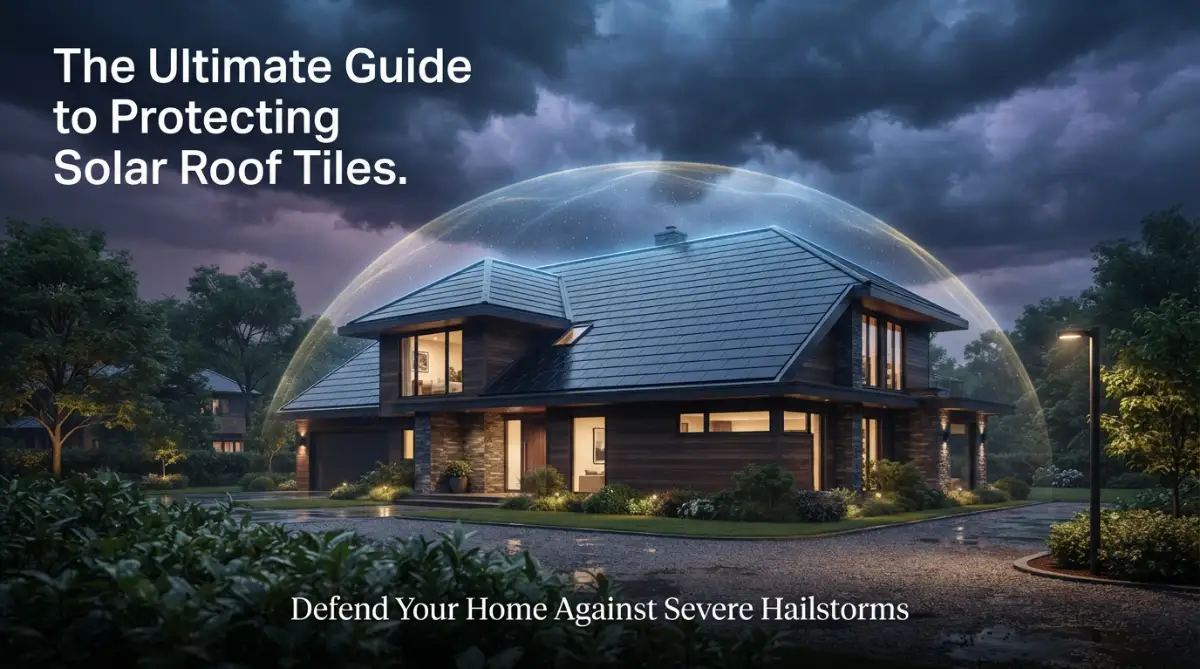
Have you ever watched the sky turn black and immediately felt sick to your stomach? That was me last spring. Watching golf-ball-sized hail pound my brand-new solar roof was a nightmare I was completely unprepared for. But that panic forced me to figure out exactly how to protect my expensive investment, and I want to show you how to do the same without losing sleep.
All I could think about was the brand-new solar roof tiles I had just installed a few months prior. I felt completely helpless, pacing around my living room while waiting for the brutal storm to pass.
The financial investment was massive, and the thought of losing it all to one bad weather event made me absolutely sick to my stomach. I spent that entire night awake, wondering if my clean energy dream was shattered into a million expensive pieces.
For any homeowner, severe weather brings a unique kind of dread that ruins your mental peace. Every time the sky turns a dark, angry gray, you start checking weather apps obsessively.
You worry about the hidden damages that might cause leaks, electrical failures, or massive repair bills down the road. It feels like you are constantly waiting for the other shoe to drop, unable to simply enjoy the comfort of your own home.
Quick Action Plan: How to Save Your Solar Roof
- Check your armor: Find your paperwork and verify you have a UL 2218 Class 4 impact rating.
- Trim the danger zone: Cut back any overhanging tree branches within 10 feet of your house.
- Demand a drone scan: Never climb a ladder after a storm; hire a pro with a thermal camera to spot invisible micro-cracks.
- Fix your insurance: Call your agent today and add a specific "solar endorsement" to cover extreme weather hits.
Escaping the Hailstorm Trap: A Practical Action Plan for Homeowners
We often think of solar technology as fragile glass waiting to be broken. The reality is much more complex, and thankfully, much more in your control.
Protecting your high-tech roof requires a mix of smart preparation, understanding basic physics, and knowing exactly what to do when the weather forecast turns hostile. Let me walk you through the exact steps you can take to shield your investment.
Understanding the Armor on Your Roof
Before you panic about an upcoming storm, you need to know what you are actually dealing with. Not all solar tiles are created equal, and knowing your specific product is your first line of defense.
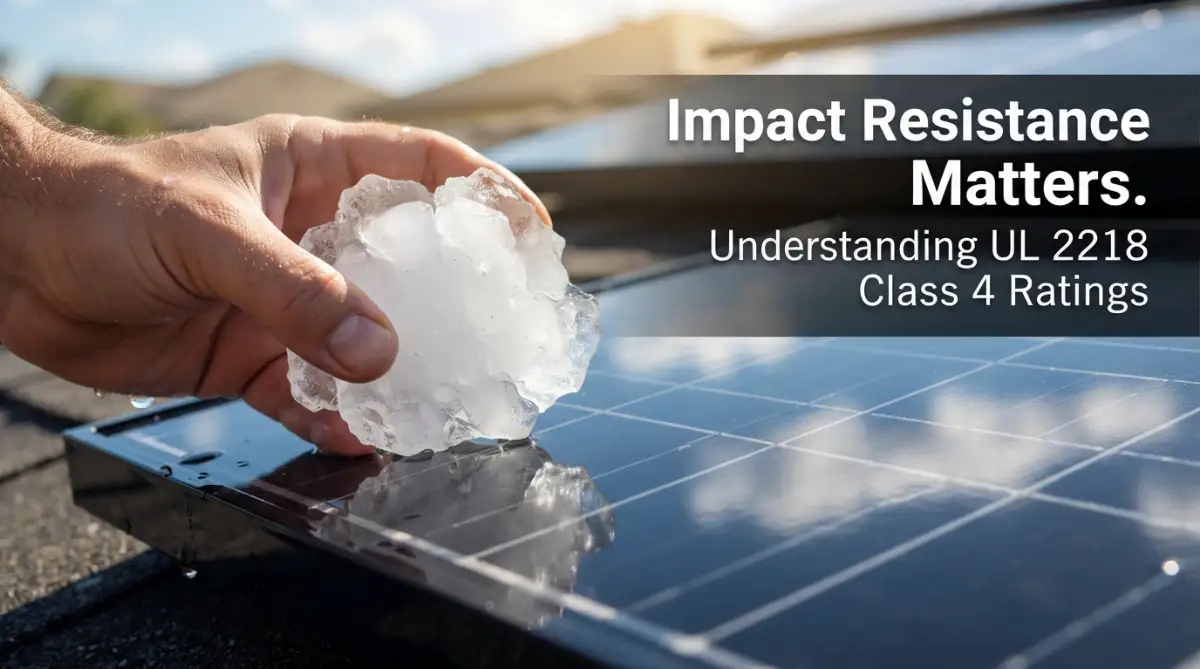
Most modern solar roof installations come with something called a UL 2218 Class 4 impact rating. This sounds highly technical, but it simply means the tiles were tested by dropping steel balls onto them from twenty feet in the air.
Quick Cheat Sheet: Hail Size vs. Solar Risk
- Pea-sized (0.25"): Zero risk. Your panels will easily shrug this off.
- Quarter-sized (1.00"): Low risk for Class 4 panels, but you might see minor dents on the metal frames.
- Golf-ball-sized (1.75"): High risk. This is where micro-cracks usually happen. You need a drone inspection after the storm.
- Baseball-sized (2.75"+): Extreme risk. Expect shattered glass and immediate hardware failure.
If your roof has this rating, it is already built to withstand hail up to two inches in diameter. Knowing this specific data point alone can save you hours of unnecessary stress.
You should dig through your installation paperwork today and find your exact impact rating. If your tiles are rated lower than Class 4, you know you need to take aggressive preventative measures.
Creating a Physical Defense Strategy
When you know a massive storm is days away, you can take physical action to reduce the impact of falling ice. You cannot put a giant umbrella over your house, but you can manage the surrounding environment.
Trimming the Danger Zone
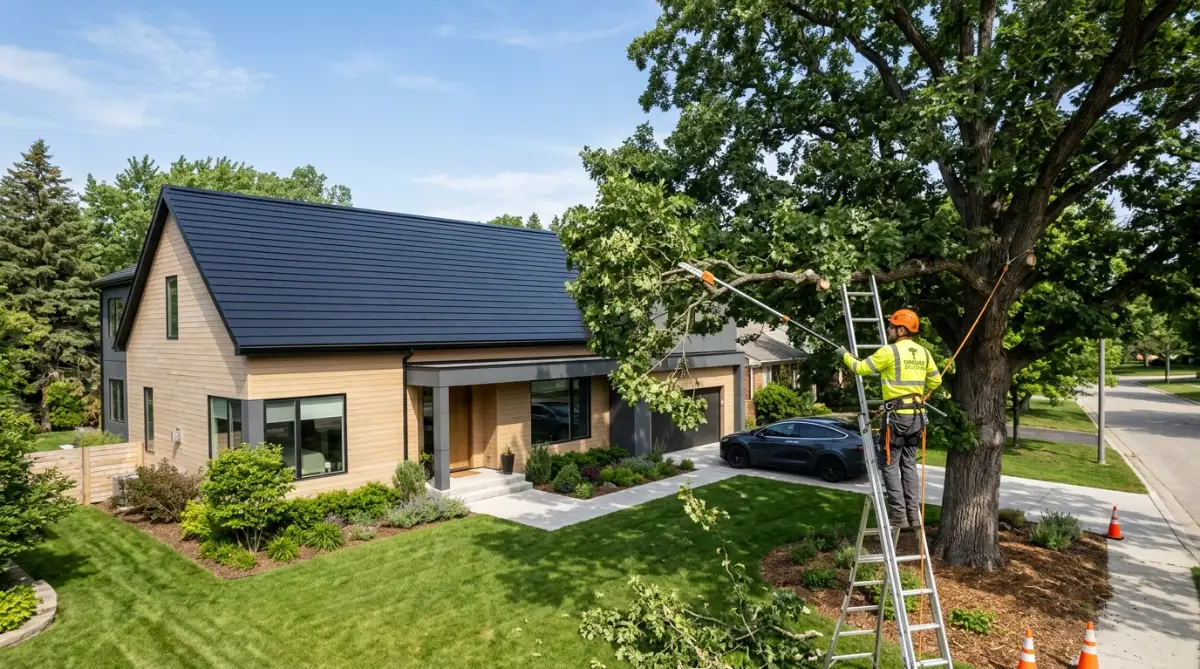
Hail rarely falls perfectly straight down. High winds blow ice at severe angles, and if you have large tree branches hanging over your roof, those branches become a secondary hazard.
Hail hits the branches, snaps them off, and sends heavy, sharp wood crashing directly into your solar tiles. Trimming back any tree limbs within ten feet of your roof line eliminates this ricochet effect entirely.
Temporary Protective Netting
For highly localized, extremely severe storm warnings, some homeowners use heavy-duty protective netting. These are specialized hail guards made of thick wire mesh or dense shade cloth.
You string these nets tightly across the highest risk sections of your roof, leaving a few inches of gap between the net and the tiles. When hail strikes, the net acts like a trampoline, absorbing the kinetic energy and bouncing the ice away safely.
The Hidden Threat: Demystifying Micro-Cracks
Sometimes the hail does not shatter the glass on your roof. You walk outside after a storm, look up, and everything looks perfectly fine.
However, severe impacts can create microscopic fractures inside the internal solar cells. These are called micro-cracks, and they are completely invisible to the naked eye.
Over the next few months, temperature changes will cause these tiny cracks to expand. Slowly, your energy production will drop, and water might begin to seep into the electrical housing.
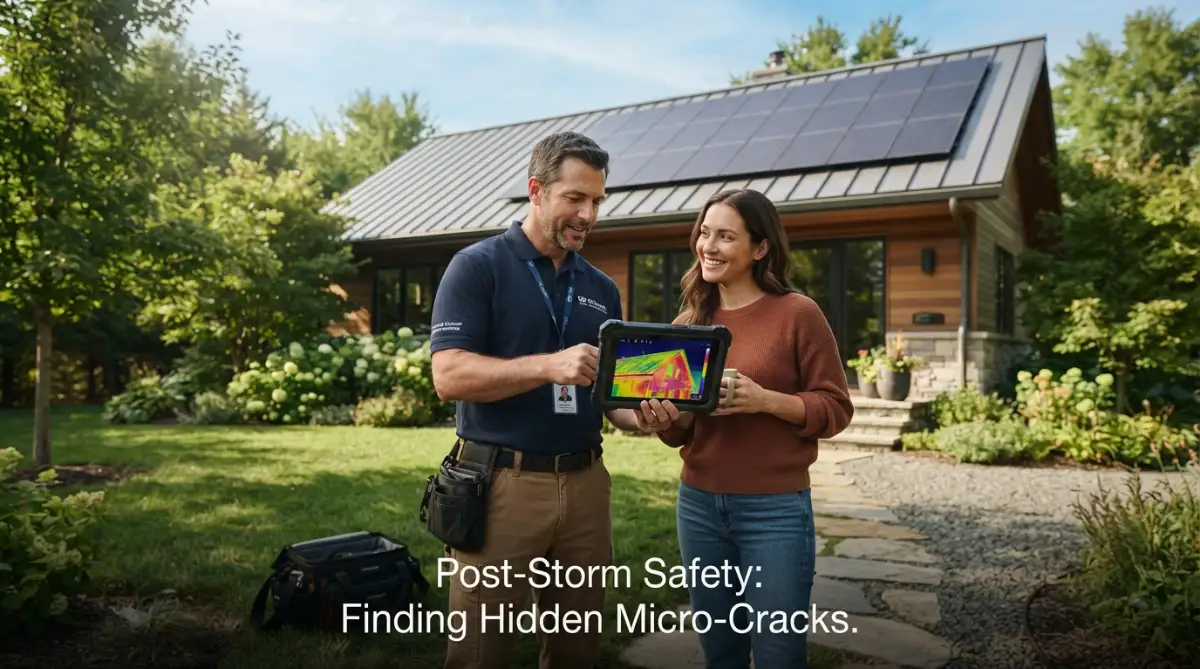
This is why a visual inspection from your driveway is never enough. You have to monitor your daily energy output through your solar app immediately after a major weather event.
If you notice a sudden five or ten percent drop in power generation on a perfectly sunny day, you likely have micro-cracks spreading across your roof.
Why You Must Demand a Professional Drone Assessment
Getting on a ladder after a storm is dangerous, and walking on wet solar tiles is a recipe for disaster. Instead of risking your neck, you should rely on modern inspection technology.
Professional solar inspectors now use drones equipped with thermal imaging cameras. These cameras scan your roof and look for abnormal heat signatures.
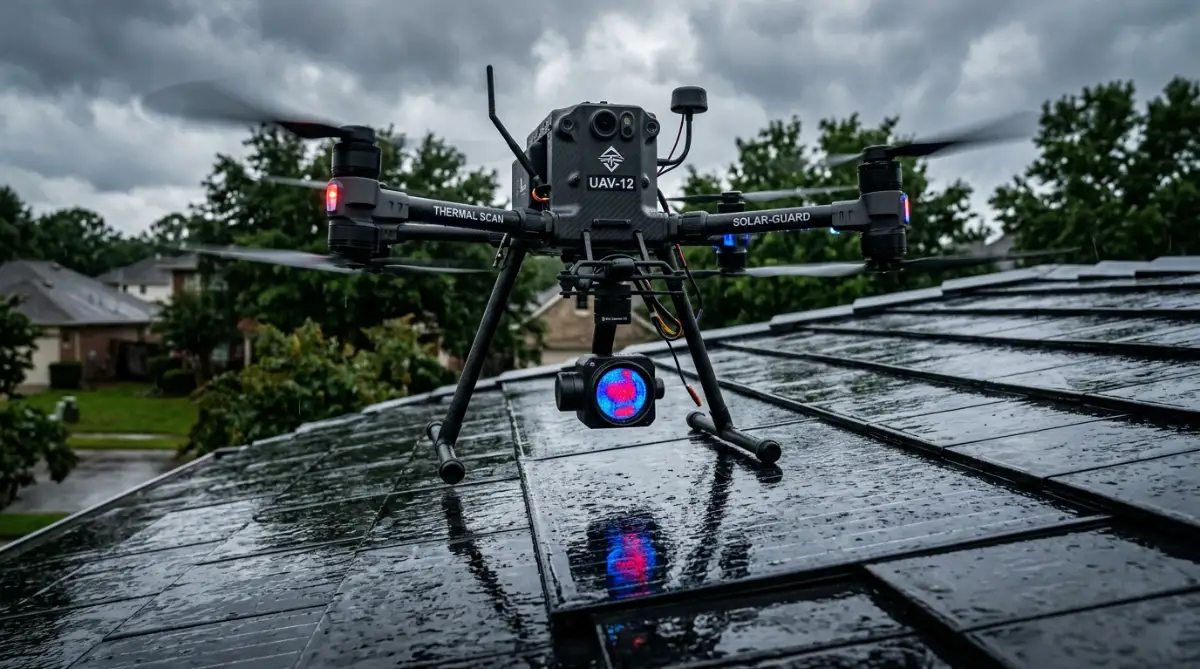
When a solar cell is damaged by a micro-crack, it stops converting sunlight into electricity and starts converting it into raw heat. A thermal drone will show these damaged tiles glowing bright red on the screen.
This gives you undeniable proof of storm damage without anyone ever stepping foot on your slippery roof. It is the safest and most accurate way to assess the health of your system.
A Quick Video Guide to Post-Storm Inspections
If you want to understand exactly what inspectors look for when they scan your property, this short breakdown is incredibly helpful. Watching this will give you the confidence to ask the right questions when the professionals arrive at your home.
Navigating the Maze of Insurance and Warranties
I learned the hard way that assuming your standard homeowner's policy covers solar panels is a massive mistake. I had to pay out of pocket for minor micro-crack repairs because my policy explicitly excluded roof-mounted solar hardware without a special add-on. Call your agent today and demand a written confirmation of your exact coverage limits for hail damage.
You need to actively separate your manufacturer warranty from your home insurance. The company that built your solar tiles will cover factory defects, but they will absolutely not cover "Acts of God" like extreme hailstorms.
Pro Tip from my own experience: When you call your insurance agent, don't just ask, "Am I covered?" Ask them specifically for a "Utility-Scale or Roof-Mounted Solar Endorsement." I found out the hard way that standard policies treat solar panels as detached property, meaning they only pay out a tiny fraction of the repair cost unless you have this specific add-on in writing.
If your roof gets smashed by ice, your home insurance policy is your only financial safety net. You must ensure you have a specific "solar endorsement" written into your contract.
Always keep time-stamped photos of your perfectly intact roof saved on your phone. When you file a claim, insurance adjusters will try to argue that the damage was pre-existing, and having clear "before" pictures will force them to pay out your claim faster.
Myth vs Reality: What Actually Works?
There is a lot of terrible advice floating around neighborhood groups regarding storm preparation. Let us clear up some of the most common misunderstandings right now.
Myth: Tossing thick blankets over your roof will save the tiles.
Reality: Blankets become incredibly heavy when soaked with freezing rain. The added weight, combined with high winds, can tear the electrical wiring right out of the mounts. Never put cloth materials directly on your solar arrays.
Myth: Shutting off the solar system prevents physical damage.
Reality: While turning off your inverter is a great safety measure to prevent electrical fires if a tile cracks, it does absolutely nothing to stop the physical impact of the hail.
Myth: If the glass is not broken, the tile is fine.
Reality: As we discussed earlier, kinetic energy travels through the toughened glass and shatters the delicate silicon wafers underneath. The surface might feel smooth while the engine inside is completely destroyed.
Evaluating Tile Materials: A Quick Comparison
If you are currently shopping for a solar roof or thinking about upgrading your current system, you should understand how different setups handle extreme impacts. Here is a simple breakdown of what to expect from the market.
This comparison highlights why choosing the right base material changes everything. If you live in an area known for frequent, brutal storms, leaning toward heavy-duty tempered tiles or metal integrations will save you from constant headaches.
Building a Long-Term Weather Defense Plan
Protecting your home is not something you do once and forget about. It requires a seasonal mindset and a proactive approach to home maintenance.
Every spring, before the volatile weather patterns begin, you should schedule a routine maintenance check. Have a professional verify that all the mounting hardware is securely fastened and that no debris has built up under the tiles.
Loose tiles vibrate significantly more when struck by hail. This extra vibration increases the chances of the glass shattering upon impact. A tight, secure roof absorbs and disperses energy much more effectively.
Additionally, always pay attention to your local weather alerts. Setting up customized push notifications on your phone for "severe thunderstorm" or "large hail" warnings gives you the exact head start you need.
Those extra thirty minutes can be the difference between safely moving your car into the garage and tying down loose patio furniture that could become airborne projectiles. Every small preventative step adds another layer of safety to your expensive roof.
Elevating Your Defense: Pro Secrets for Long-Term Solar Health
We already covered the basics of physical barriers and impact ratings. Now, we need to talk about the proactive habits that truly separate a stressed homeowner from a prepared one.
The secret to protecting your clean energy investment is not just reacting to bad weather. It is about building a foolproof monitoring system that catches tiny problems before they turn into expensive disasters.
Most people install their roof, download the tracking app once, and never look at it again until their electricity bill skyrockets. This is a massive mistake that leaves you completely blind to hidden damage.
If you want to be smart about your setup, you need to rely on panel-level micro-inverter monitoring. Think of this technology like a daily health checkup for your entire roof.
Older solar systems only showed you the total energy produced by the entire house. If one tile was smashed by hail, the overall drop in power might be so small that you would never even notice it.
Modern micro-inverters send live data from every single individual tile directly to your smartphone. If a heavy storm passes through while you are at work, you can open your app and look at a digital map of your roof.
If ninety-nine tiles are producing maximum power, but one tile in the corner has dropped to zero, you instantly know exactly where the ice hit. You have undeniable proof of a targeted failure without ever climbing a ladder.
Monitoring this data closely helps you understand how extended cloudy weather affects your solar efficiency compared to actual physical damage. When you know exactly what normal cloud cover looks like on your app, a sudden drop from a shattered internal cell becomes glaringly obvious.
Another advanced trick is inspecting the protective weather sealants around the edges of your solar arrays. Hail rarely falls straight down, and high winds often drive sharp ice sideways directly into the seams of your roof.
Over time, extreme sun exposure dries out the rubberized edge seals. When hail strikes these weakened seals, it chips the protective barrier away, leaving a tiny gap for rainwater to enter.
You should have a professional apply a UV-resistant marine-grade sealant along the exposed windward edges of your system every few years. This creates a flexible, rubbery bumper that simply bounces the ice away instead of chipping.
Keeping moisture out of the electrical housing is also the absolute best way of extending the life of your solar battery system. When water sneaks into a cracked tile, it can travel down the wiring and cause tiny electrical shorts that slowly drain your storage units.
To stay ahead of the weather, do not rely on standard television news forecasts. I highly recommend using advanced predictive weather applications that track specific atmospheric pressure changes in your exact neighborhood.
According to data published by the National Severe Storms Laboratory, the size and density of falling ice are heavily influenced by highly localized updrafts. A smart weather app will alert you to these specific updraft conditions hours before the first drop of rain falls.
This gives you a comfortable window to cover up vulnerable skylights, move your vehicles, and secure any loose yard items. Preparing early keeps you perfectly calm, allowing you to sip your coffee inside while the storm rages outside.
The Most Expensive Traps Homeowners Fall Into
Even with the best intentions, people often panic after a storm and make terrible decisions. These mistakes do not just damage the roof further, they often void expensive manufacturer warranties entirely.
I want to share a few real-life scenarios so you can recognize these traps before you accidentally step into them. Avoiding these pitfalls will literally save you thousands of dollars in the long run.
The "Wait and See" Leak Disaster
One of the most dangerous things you can do is ignore a suspected hail strike just because you do not see shattered glass. Many homeowners think, "Well, the power is still on, so I will just wait and see if it gets worse."
Here is the scientific reality of what happens when you ignore a microscopic crack. Water from the next rainstorm gets pulled into that tiny fracture through capillary action.
When the temperature drops at night, that trapped water freezes and expands into solid ice. This internal expansion violently rips the internal solar cells apart from the inside out.
What started as a tiny, highly repairable fracture turns into a completely dead tile within a few short weeks. By the time you notice the problem, the internal corrosion is so bad that the entire unit must be thrown away.
Falling for the Cosmetic Damage Trick
When you finally call your insurance company, they will send an adjuster to look at your property. You must remember that the adjuster's main job is to save their company money, not to give you a massive payout.
If they see small dents on the metal framing or tiny scuffs on the glass, they will often classify it as "cosmetic wear and tear." They will argue that the tile is ugly now, but since it still produces some electricity, they do not have to replace it.
You must fight back against this claim immediately. The Insurance Information Institute highly recommends pushing for a secondary review if you suspect hidden functional damage.
This is exactly why you need that professional thermal drone inspection we talked about earlier. When you hand the adjuster a report showing massive internal heat bleeding from the cells, they can no longer claim the damage is just cosmetic.
Managing a large property insurance claim is incredibly stressful, much like starting a new business venture from scratch. You have to be organized, keep precise records, and constantly advocate for your own financial interests.
The DIY Pressure Washing Nightmare
After a storm passes, your roof is usually covered in wet leaves, dirt, and tiny bits of debris. It is highly tempting to grab a high-pressure water hose and blast the mess away to see the surface clearly.
Never point a pressure washer at a solar roof after a hailstorm. If there are fresh micro-cracks in the glass, forcing highly pressurized water directly into those cracks will instantly short-circuit the entire electrical panel.
Instead, let the roof dry out naturally under the sun. If you absolutely must clean it to inspect the surface, use a soft garden hose on a gentle mist setting and a long-handled soft brush.
Losing the Digital Paper Trail
I have seen homeowners successfully prove hail damage, only to have their claim denied because they could not find their original installation contracts. If you cannot prove the exact model numbers and warranty terms, you have zero leverage.
Just like you take extreme measures for protecting your home network from security threats, you need to securely backup your solar documents. Keep digital copies of your warranty, your initial energy production baseline, and your insurance endorsements in a secure cloud folder.
When you have instant access to your initial power output graphs, you can easily show the insurance company exactly how much performance you lost the day the storm hit. Data is your strongest weapon against denied claims.
Your Ultimate Weather-Ready Action Plan
Living in an area with unpredictable weather does not mean you have to constantly worry about your property. You have the power to take complete control of your home's defense strategy.
By understanding the exact impact rating of your materials, you instantly remove the fear of the unknown. You know exactly what your roof can handle and when you need to start taking extra precautions.
Trimming dangerous tree branches, inspecting your edge sealants, and checking your digital monitoring app will soon become second nature to you. These small, easy habits build a massive wall of protection around your renewable energy system.
Remember, technology is constantly working in your favor. Rely on thermal imaging professionals instead of risking your safety on a wet, slippery ladder.
Never let an insurance adjuster tell you that shattered internal components are just a cosmetic issue. Stand your ground, use your digital data, and demand the protection you faithfully pay for every single month.
If you ever feel overwhelmed by all this information, just take it one small step at a time. Check out our main homeowner resource library whenever you need a quick refresher on protecting your valuable property investments.
Every time you hear the thunder roll in, I want you to feel a sense of calm confidence. You have done the hard work, you have prepared your home, and you are ready to weather any storm that comes your way.
My own journey from being terrified of dark clouds to feeling completely secure in my home took time and a lot of learning. I promise that if you apply just a few of these simple daily habits, your anxiety will fade away, leaving you to simply enjoy the amazing benefits of clean, self-sufficient energy.
Real Questions Homeowners Ask About Storms
Will severe hail automatically void my manufacturer's warranty?
No, the weather itself does not void your warranty. However, factory warranties strictly cover manufacturing defects, not physical damage caused by the weather. This is why you must rely on your specific homeowner's insurance policy to pay for any ice-related destruction.
Can I cover my solar arrays with a heavy tarp before a storm?
I strongly advise against putting any solid cloth or plastic tarp directly on the glass. The heavy winds that always accompany severe storms will catch the tarp like a massive sail. This immense pulling force can easily rip the mounting hardware straight out of your wooden roof trusses.
Does a protective wire mesh reduce the amount of electricity I generate?
Yes, any physical barrier you place over the glass will cast small shadows and slightly reduce your daily energy output. If you choose to use a temporary protective net, you should only install it when a severe warning is active. Always remove it once the sky clears to maximize your sunlight absorption.
How long do I have to report suspected storm damage to my insurance?
Most standard insurance policies require you to report severe weather damage within a specific window, usually between six to twelve months. However, waiting is incredibly risky because subsequent rains will cause further internal rotting. You should ideally file a preliminary notice within forty-eight hours of the event.
Should I manually shut off my system while the ice is falling?
Turning off your main inverter during a violent storm is a very smart electrical safety habit. It does not prevent physical glass breakage, but it completely removes the risk of a dangerous electrical arc fire if a tile gets deeply punctured by flying debris.
Disclaimer: The information provided in this article is for educational and informational purposes only and does not constitute professional roofing, financial, or legal advice. Weather patterns and insurance policies vary heavily by location. Always consult with a certified solar technician and a licensed insurance agent regarding your specific home energy setup and coverage limits.