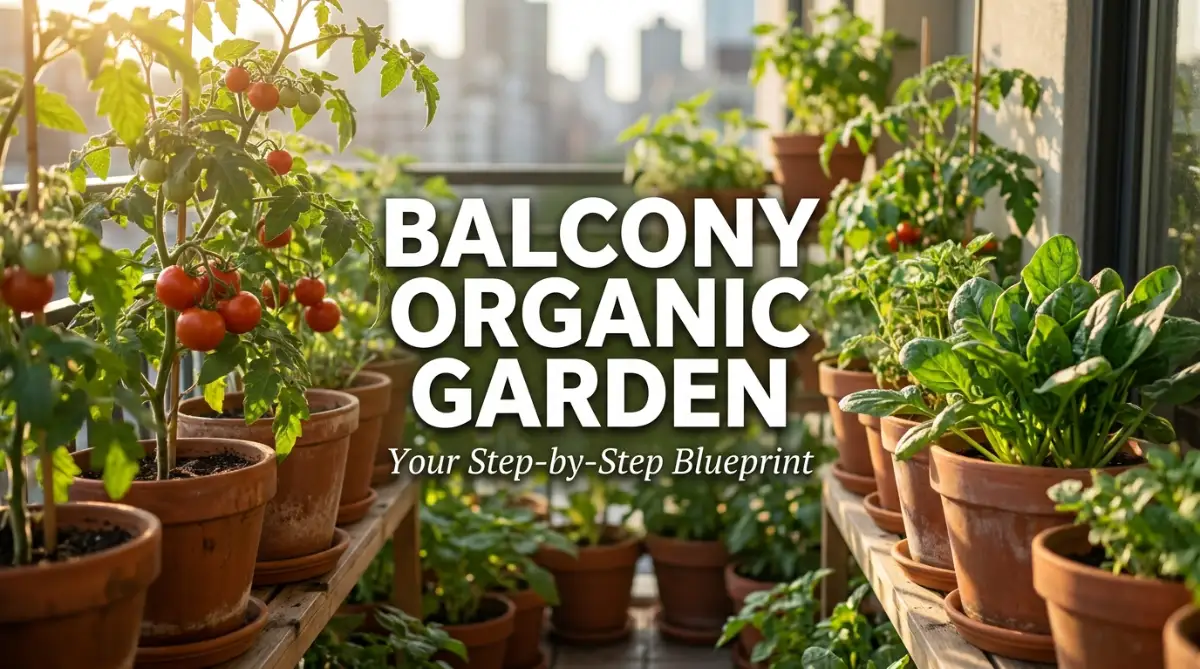
The Frustration of Concrete Living and My Craving for Fresh Greens
Look, I get it. You stare at your empty apartment balcony and think there is zero chance you can grow actual food out there. I thought the exact same thing before I realized balcony gardening is not about having a massive yard—it is just about outsmarting your limited space. Let me show you how to turn that concrete corner into a mini food factory without annoying your landlord or spending a fortune on useless gear.
Many urban dwellers silently carry this exact same frustration every single day. We are surrounded by concrete, traffic, and noise, which naturally creates a strong psychological desire to touch real soil and grow something living. When you live in a high-rise building, finding a way to connect with the earth seems nearly impossible.
This lack of green space does not just affect our diets; it slowly chips away at our mental peace. People spend their weekends browsing beautiful garden photos online, feeling a heavy sense of missing out. You might look at your small balcony and think it is just a place to store old boxes or hang wet laundry.
Fast Track: What You Will Learn Today
- Map Your Sun: Why tracking shadows for one weekend saves you money on dead plants.
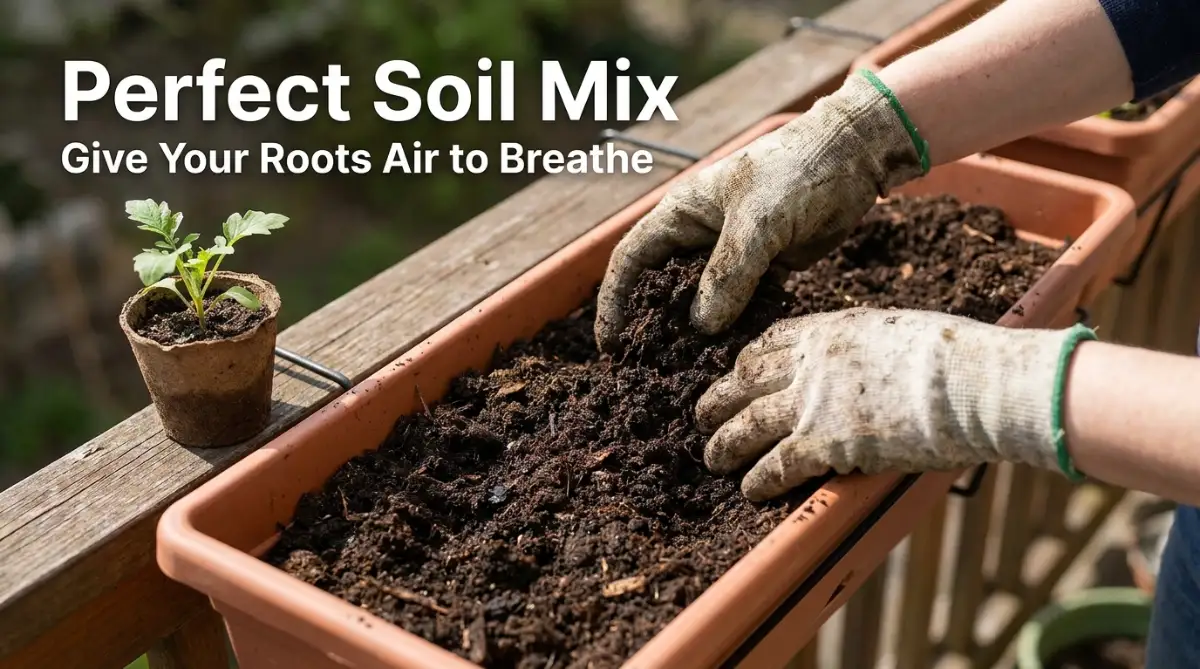
- Soil is Everything: The exact 3-ingredient soil mix you need so your pots do not turn into bricks.
- Wind Proofing: How to stop high-rise breezes from drying out your greens overnight.
- Weight Limits: The hidden danger of heavy wet soil on old apartment balconies.
Building Your Mini Farm: A Scientific Yet Simple Approach to Balcony Growing
Turning a small outdoor apartment space into a productive organic farm requires a slight shift in how you think about nature. You are not just putting dirt in a pot; you are creating a tiny, self-sustaining ecosystem. We need to look closely at the natural elements available to you and use them efficiently.
Decoding Your Unique Sunlight Patterns
The very first step to growing food at home has nothing to do with seeds or soil. You need to become a strict observer of the sun. Balconies are tricky because the building itself blocks light at different times of the day.
Most edible plants require a minimum of six hours of direct sunlight to produce healthy leaves and fruits. If your balcony faces the north, you might struggle to get enough light for sun-loving plants like tomatoes. However, this just means you should focus on leafy greens like spinach and lettuce, which actually prefer cooler, shaded environments.
Spend one entire weekend tracking the light. Walk out to your balcony every two hours and take a photo or write down exactly where the shadows fall. This simple habit prevents you from placing an expensive, light-hungry plant in a dark corner where it will slowly starve.
Quick Balcony Sunlight Cheat Sheet:
- 6+ Hours (Full Sun): Perfect for tomatoes, peppers, and beans.
- 4-5 Hours (Partial Sun): Great for root veggies like radishes and carrots.
- 2-3 Hours (Shade): Stick to leafy greens (spinach, lettuce) and mint.
- Pro Tip: If your balcony only gets morning sun, your soil will stay wet much longer, so water less often!
Watch This Helpful Breakdown on Sunlight Tracking:
Understanding how sunlight moves across small spaces can completely change your gardening success rate. This amazing video explains exactly how to measure light on a covered balcony without any expensive tools.
Choosing the Smartest Containers for Restricted Spaces
When you do not have a backyard, the container you choose becomes the entire world for your plant. Many beginners buy whatever plastic pot looks pretty at the store, which is a massive mistake. The roots of a plant need to breathe oxygen just as much as they need to drink water.
Myth vs Reality in Container Gardening:
- Myth: Bigger pots are always better for every type of plant.
- Reality: If a pot is too large for a small plant, the excess soil holds too much water, causing the roots to rot and die quickly.
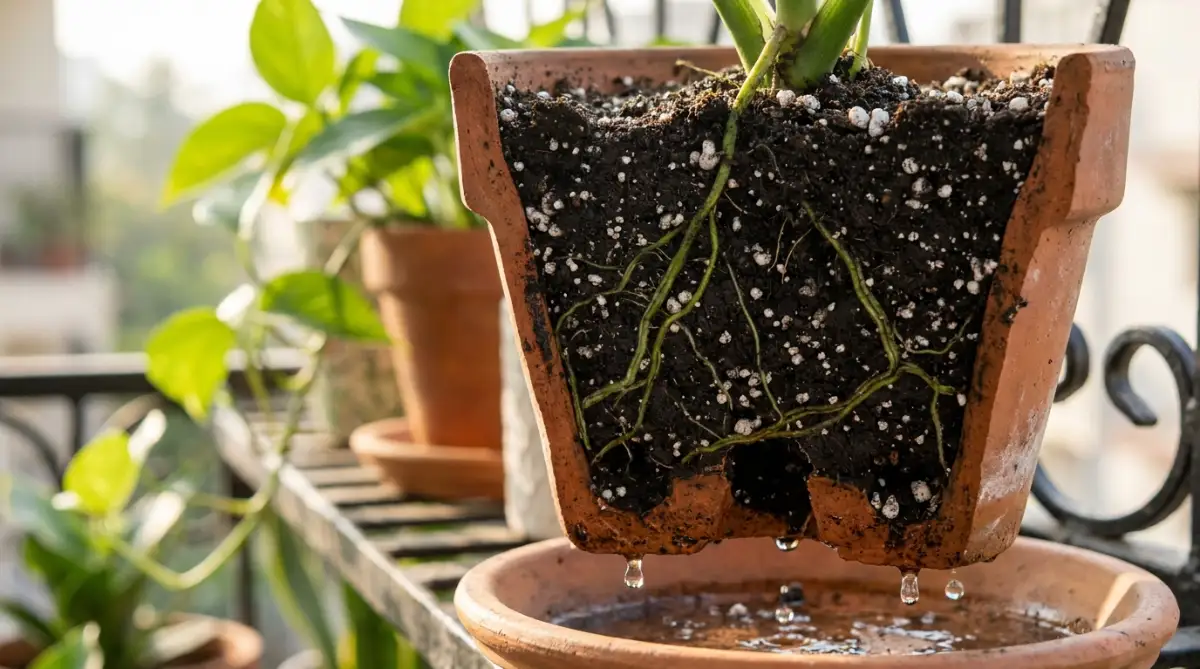
Always look for containers with large drainage holes at the bottom. If water cannot escape, your soil turns into toxic mud. Terracotta clay pots are excellent because the material is porous, allowing air to easily pass through the walls and reach the roots.
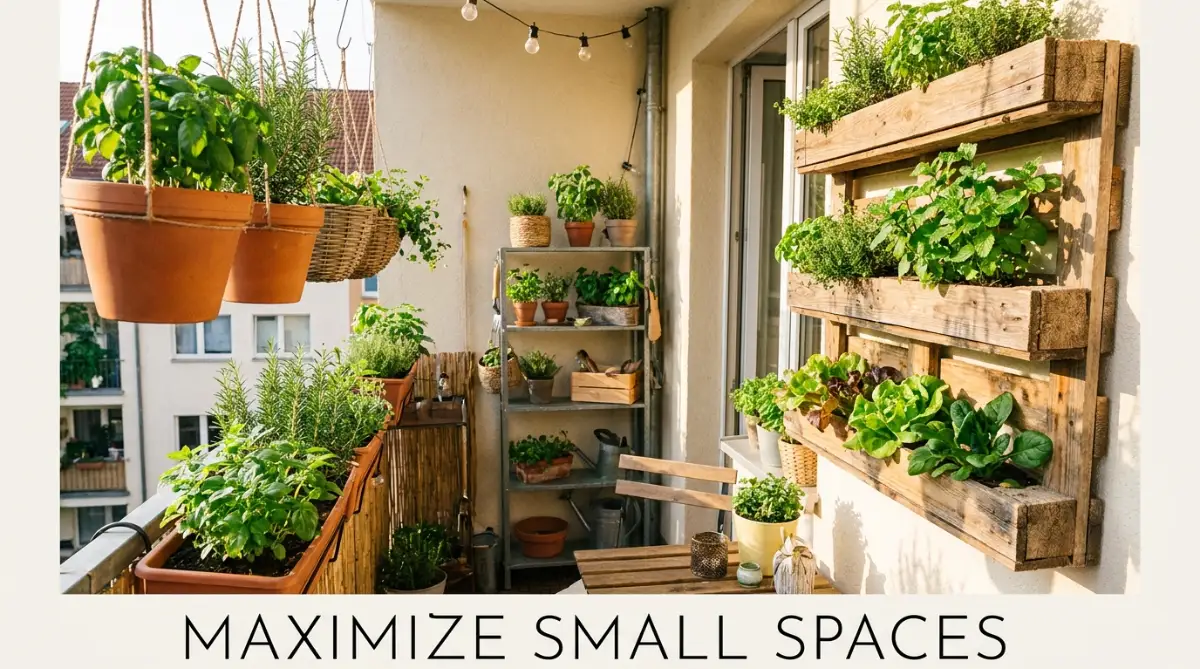
If space is your biggest problem, you should absolutely look into vertical gardening. Hanging baskets or railing planters take up zero floor space while giving you double the growing area.
Crafting a Living, Breathing Soil Mixture
Dirt from the ground outside is entirely different from the soil you need for containers. Normal garden dirt is heavy and will quickly compact into a hard brick when placed inside a pot. You need to create a fluffy, lightweight mixture that holds moisture but drains rapidly.
To achieve this, you should mix equal parts of high-quality organic potting soil, compost, and perlite. The compost provides natural nutrients, so you do not have to rely on synthetic chemical fertilizers. Perlite looks like tiny white rocks and creates small air pockets in the soil, ensuring the roots can stretch out comfortably.
I actually learned this lesson the hard way during my first year of trying to grow cherry tomatoes. My soil was way too dense, and no matter how much I watered them, the leaves kept turning yellow.
Once I started adding perlite and rich compost to make the soil lighter, my plants doubled in size within a month. I realized that treating the soil like a sponge that needs to squeeze out excess water is the secret to happy plants.
The Most Forgiving Vegetables for Absolute Beginners
Do not start your balcony gardening journey by trying to grow pumpkins, corn, or massive watermelons. You want to pick highly forgiving crops that give you a quick harvest and build your confidence. Radishes are incredibly satisfying because they go from a tiny seed to a crunchy vegetable in just thirty days.
Leafy greens like loose-leaf lettuce, kale, and Swiss chard are perfect for apartment life. You can cut the outer leaves for your morning salad, and the center of the plant will simply keep growing more leaves. This method is called "cut and come again," and it provides a continuous supply of food for months.
Herbs are also fantastic space-savers that pack a massive punch of flavor. Basil, mint, and rosemary require very little room and can even survive on a sunny indoor windowsill if your balcony gets too cold.
Developing a Safe and Smart Watering Routine
Overwatering is the number one reason apartment plants die prematurely. Because you care about your new garden, your natural instinct is to give it water every single day. However, constantly wet soil drowns the tiny root hairs and invites fungal diseases to take over your pots.
Before you pour any water, stick your index finger about two inches deep into the soil. If it feels damp or cool to the touch, walk away and check again tomorrow. You only want to water when the top layer of the soil feels completely dry.
When you do decide to water, pour slowly until you see liquid running out of the bottom drainage holes. This ensures that the water has reached the deepest roots, rather than just wetting the surface layer.
Managing Wind and Weather in High-Rise Buildings
One thing people often forget about apartment balconies is the wind factor. The higher up you live, the stronger the wind currents are, which can snap young plant stems in half. Wind also dries out the soil incredibly fast, meaning you might have to water your plants more often than a traditional backyard gardener.
To protect your vegetables, you can create a simple windbreak using a bamboo screen or slightly taller, heavier potted plants placed on the outer edge. This slows down the breeze and creates a gentle micro-climate for your delicate greens.
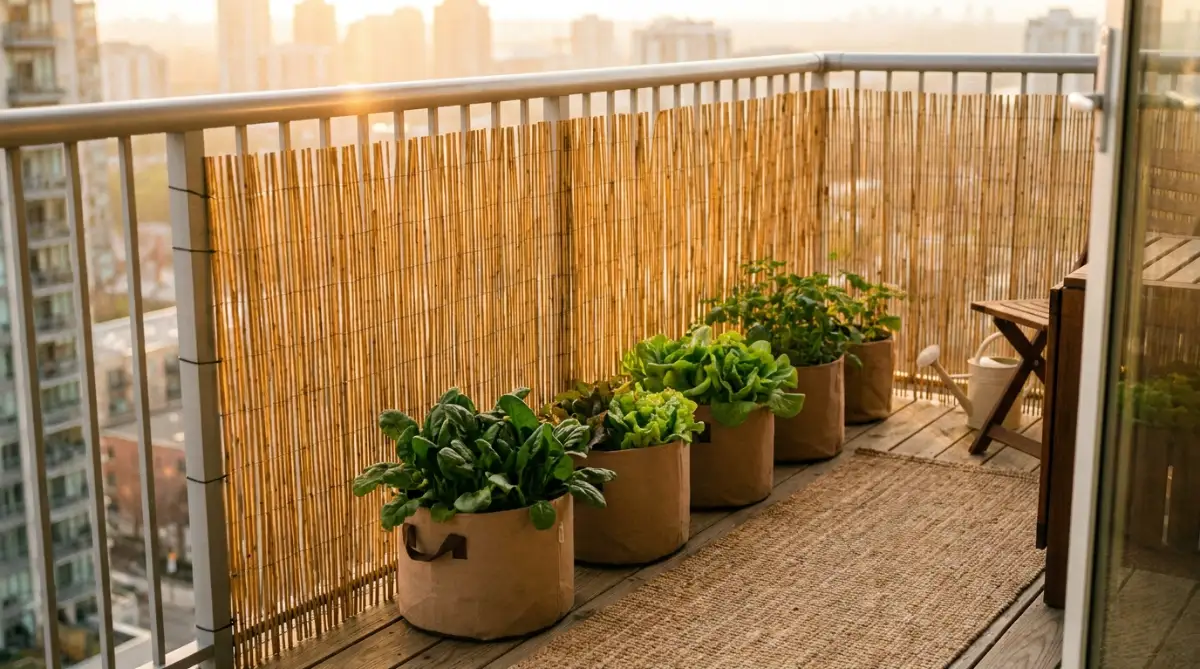
If a heavy storm is approaching, you have the massive advantage of just pulling your smaller pots inside for the night. This level of control is something traditional farmers wish they had.
Natural Pest Control Without Harsh Chemicals
Seeing bugs on your hard work is incredibly frustrating, but reaching for chemical sprays will ruin the organic nature of your food. You are growing these vegetables to eat healthy, safe food, so you must use natural methods to protect them.
Aphids are tiny green or black bugs that love to suck the juice out of soft vegetable leaves. You can easily get rid of them by mixing a few drops of mild dish soap with water in a spray bottle. Spraying this directly onto the bugs washes away their protective coating without harming the plant at all.
My 60-Second Bug Spray Recipe:
Grab a standard spray bottle and mix 2 cups of tap water with exactly 1 teaspoon of mild liquid dish soap. Give it a gentle shake. Spray it directly on the bugs early in the morning before the sun gets too hot. It is cheap, safe, and works better than expensive store-bought chemicals.
Neem oil is another fantastic, natural extract that keeps chewing insects away. If you check the underside of your leaves once a week, you can usually spot pests early and remove them with a damp paper towel before they multiply.
Embracing the Learning Curve of Urban Growing
You are going to make mistakes along this journey, and some plants simply will not survive. That is a perfectly normal part of the learning process for any level of gardener. Every yellow leaf or dropped flower is just giving you feedback on what to change for the next round.
Start extremely small with just two or three pots to avoid feeling overwhelmed. As you get comfortable with the watering schedule and the sunlight patterns, you can slowly add more containers to your collection.
Watching a tiny seed push through the soil on a concrete balcony is a deeply rewarding experience. It proves that with a little patience and attention, you can create life and harvest fresh food no matter where you live. Keep your hands in the dirt, observe your plants daily, and enjoy the beautiful process of urban farming.
Mastering the Micro-Ecosystem: Next-Level Urban Farming Strategies
Once you understand how sunlight and soil work on your balcony, you are ready to upgrade your small space into a highly productive growing zone. You do not need expensive equipment to multiply your harvest. You just need to learn how plants interact with each other in tight spaces.
One of the smartest tricks you can use is called companion planting. Think of plants like roommates sharing a very small apartment. Some plants get along perfectly, while others will constantly fight for resources.
For example, planting basil right next to your tomatoes is a brilliant move. The strong scent of the basil naturally confuses bugs that want to eat your tomato leaves. You can read more about the science of plant partnerships through the Royal Horticultural Society's guide on companion planting, which explains how different root depths share soil nutrients.
Another incredible strategy is recycling your daily kitchen waste to feed your greens. You do not need a massive, smelly compost bin to create natural plant food. You can easily make homemade compost tea using leftover banana peels and crushed eggshells.
Simply soak chopped banana peels in a jar of water for a few days. This creates a potassium-rich liquid that helps your flowering plants produce larger, juicier vegetables. Crushed eggshells add calcium to the soil, which prevents the bottoms of your tomatoes from turning black and rotting.
Tracking your plant growth and feeding schedules requires some basic organization. Keeping a simple physical or digital journal helps you remember which natural fertilizers worked best. Interestingly, creating a repeatable system for your garden is very similar to how designing productivity templates can build consistent income in a daily work routine.
You should also think vertically to double your growing capacity without crowding your floor space. Use simple wooden trellises or even suspended cotton ropes to train climbing plants like beans and cucumbers. These plants naturally want to reach for the sky, and guiding them upward keeps their leaves dry and free from fungal diseases.
Many modern apartment gardeners use automated drip irrigation systems to save time. These small gadgets slowly release water into the pots while you are away at work. However, if you connect these systems to your home network, be aware of the hidden cybersecurity risks of connecting multiple smart home devices so your privacy remains safe.
Sometimes, you might want to watch a gardening tutorial right there on your balcony alongside your plants. Thick building walls often block your internet connection outdoors. You can easily boost your Wi-Fi signal through thick concrete walls using simple placement tricks, allowing you to stream helpful videos without annoying buffering.
I remember when I first discovered organic fertilizers, I got way too excited and fed my spinach plants every single day. I thought I was giving them extra love, but within a week, the leaves turned yellow and crispy. My biggest realization was that natural nutrients take time to break down, and feeding them once a month is more than enough for container plants.
The Silent Garden Killers: Heartbreaking Blunders to Avoid
Even with the best intentions, urban growing comes with a few hidden traps that can easily ruin your hard work. When we pour our energy into a project, making simple mistakes feels incredibly frustrating. One of the most dangerous oversights is completely ignoring the physical weight of your new garden.
The Heavy Pot Hazard and Structural Safety
People often forget how unbelievably heavy wet soil becomes. When you fill multiple large ceramic pots with dense dirt and soak them with water, the weight adds up fast. Most apartment balconies have strict structural load limits designed for human safety, not for holding a heavy farm.
If you overload an older balcony, you risk causing serious structural damage to the building. You can find detailed information on safe weight distributions on the U.S. Department of Housing and Urban Development (HUD) safety guidelines website. Always choose lightweight resin pots or fabric grow bags instead of heavy clay to keep your total weight down.
The Heat Reflection Trap
Another common pitfall is forgetting about the extreme heat radiating from your building's walls and glass doors. Balconies act like giant mirrors, bouncing intense heat directly onto your delicate plants during the afternoon. What feels like a warm breeze to you can actually boil the water inside the roots.
If your plants look perfectly healthy in the morning but wilt completely by 3 PM, they are baking in this reflected heat. You must pull them away from the glass doors or provide a light cloth shade during the hottest part of the day. Understanding how your plants absorb this intense energy is quite similar to understanding residential solar energy systems and how panels capture focused light.
Over-Loving and The Neglect Cycle
Many beginners fall into the trap of constantly touching, moving, and checking their plants. You might pinch off leaves every day or move the pot around hoping to catch better light. This constant shifting stresses the plant, forcing it to use energy to adapt instead of growing vegetables.
On the opposite side, people sometimes give up completely when one plant gets sick. They assume their entire setup is ruined because of a few dead leaves. If you put poor thought into your setup, you will fail, much like why your prompt engineering fails when you do not give a system clear instructions.
Do not let a minor setback destroy your confidence. Making errors is a completely natural part of starting something new. It is exactly like the major errors new freelance writers make when they first start; you learn, you adjust, and you try again the next day.
Misunderstanding the Power of Wind
Wind tunnel effects in high-rise buildings will completely dry out your soil overnight. Many people go to bed thinking their soil is damp, only to wake up to sad, drooping plants. The wind literally pulls moisture right out of the leaves before the roots can drink it.
To fight this, you must apply a thick layer of organic mulch over the top of your soil. Dry leaves, straw, or even shredded newspaper will trap the moisture underneath and protect the soil from the harsh breeze. You can read extensive research on how mulch prevents soil evaporation at the Penn State Extension agriculture database.
Your New Green Reality: Action Steps for Tomorrow
Transforming your empty balcony into a thriving organic vegetable space is an incredibly rewarding journey. You are no longer just an apartment renter; you are an active participant in growing your own healthy food. The simple act of checking your plants every morning brings a deep sense of calm to a busy life.
You now know exactly how to map your sunlight, choose the right breathable pots, and mix the perfect lightweight soil. You also understand the importance of avoiding heavy containers, protecting plants from reflected heat, and using smart watering habits. These simple adjustments guarantee a much higher success rate for your urban garden.
Start by buying just two small fabric pots and a bag of high-quality organic compost tomorrow. Plant some fast-growing radish seeds or a sturdy basil plant to get an easy, early win. Remember that nature is highly forgiving, and your skills will naturally improve with every passing week.
I still remember eating the very first cherry tomato I grew on my windy fifth-floor balcony. That single bite tasted better than anything I had ever bought from a store because I grew it with my own hands. I promise you, once you harvest your first handful of fresh greens, you will never look at your balcony the same way again.
Frequently Asked Questions About Urban Balcony Farms
Can I really grow root vegetables in small containers?
Yes, you absolutely can grow root vegetables if the pot is deep enough. Radishes and baby carrots grow wonderfully in containers that are at least eight to ten inches deep. Just make sure the soil is loose and fluffy so the roots can push downward easily.
What should I do with my balcony garden during the winter?
If you experience freezing temperatures, most summer vegetables will naturally die off. You can easily transition to cold-hardy plants like kale and spinach, which actually taste sweeter after a light frost. Alternatively, you can move small herb pots inside to a sunny windowsill.
How do I stop birds from eating my newly planted seeds?
Birds love to dig through soft, fresh soil looking for a quick snack. You can protect your seeds by placing clear plastic cups over them like tiny greenhouses until they sprout. You can also lay a light physical net over your pots until the plants are strong enough.
Do I need to replace my potting soil every single time I plant?
You do not have to throw away old soil entirely. You can easily refresh it by mixing in a few handfuls of rich, new organic compost before planting new seeds. However, if a plant died from a fungal disease in that pot, it is safer to discard that specific batch of soil.
Are coffee grounds actually good for balcony vegetable plants?
Used coffee grounds are excellent for your plants because they add a gentle dose of nitrogen to the soil. However, you should never dump thick layers of wet grounds directly on top of the pot. Instead, mix a very small amount deeply into the soil so it can break down naturally without molding.
Disclaimer: The gardening information provided in this article is for educational and informational purposes only. Plant growth, structural limits, and weather conditions vary significantly depending on your specific location and building type. Always check your apartment lease agreements and consult local building codes regarding balcony weight restrictions and safety rules before setting up heavy planters.