The Hidden Frustration Behind Your Solar Investment
Nobody tells you that the tiny metal boxes hiding under your solar panels are actually ticking time bombs in the summer heat. You likely dropped thousands on a green energy system, expecting free electricity and peace of mind for decades. But what happens when the very parts meant to power your home quietly bake to death right above your ceiling? If you want to stop wasting money and keep your setup running, let's look at what your installer "conveniently" forgot to mention.
That experience left me feeling entirely overwhelmed and incredibly frustrated with the entire solar industry. When you invest in renewable energy, you expect absolute peace of mind, not a surprise headache. Everyday homeowners are constantly being sold the dream of free electricity. Yet, they are rarely told the honest truth about the hardware living up on their roofs.
This lack of transparency causes serious anxiety for families just trying to do the right thing for their wallets and the environment. We trust the sales brochures, assuming these components are completely invincible against the harsh outdoor elements. But the harsh reality is that extreme heat, freezing cold, and daily wear slowly take a toll on your roof's electronics.
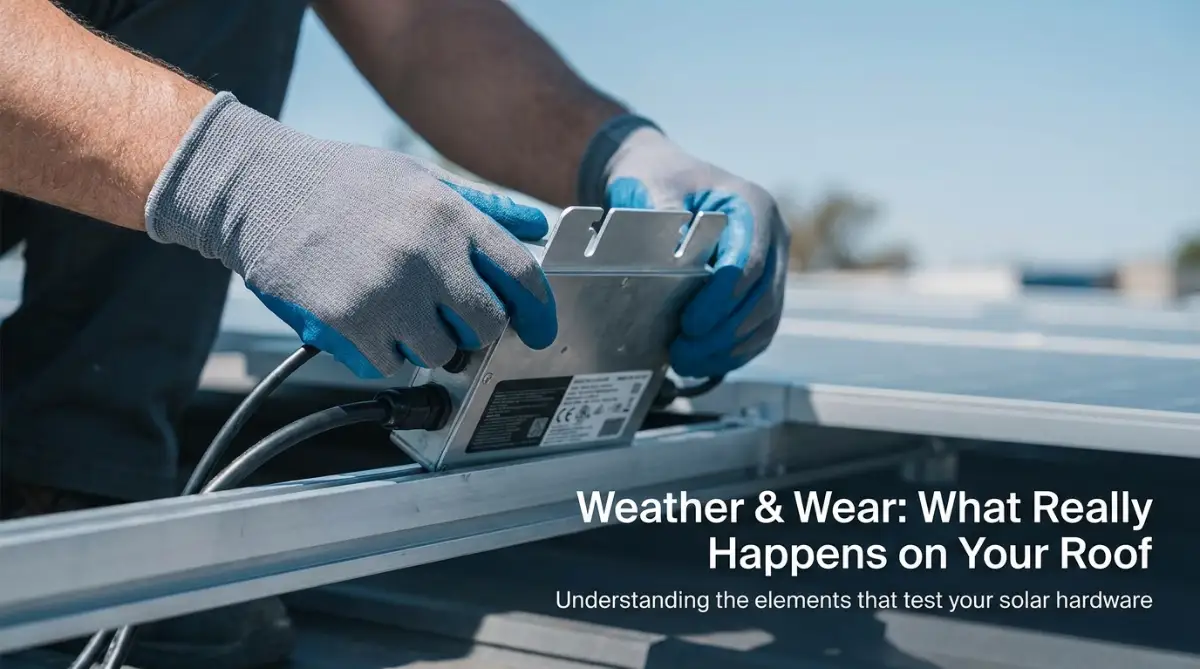
The good news is that you do not have to live in the dark about your system anymore. Once you understand exactly how these devices age, you take all the power back into your own hands. You can easily spot warning signs early and protect your valuable investment for decades to come.
📌 30-Second Quick Summary
- Airflow is everything: Ensure a 4 to 6-inch gap under your panels so your electronics don't bake to death.
- Check your app weekly: Catching a 20% power drop early can save a microinverter before it completely fries.
- Block the surges: Install a whole-home surge protector to stop the city grid from frying your roof setup.
- Evict the wildlife: Use a cheap wire mesh to keep pigeons and squirrels from building heat-trapping nests under your gear.
Demystifying the Heartbeat of Your Home Solar Setup
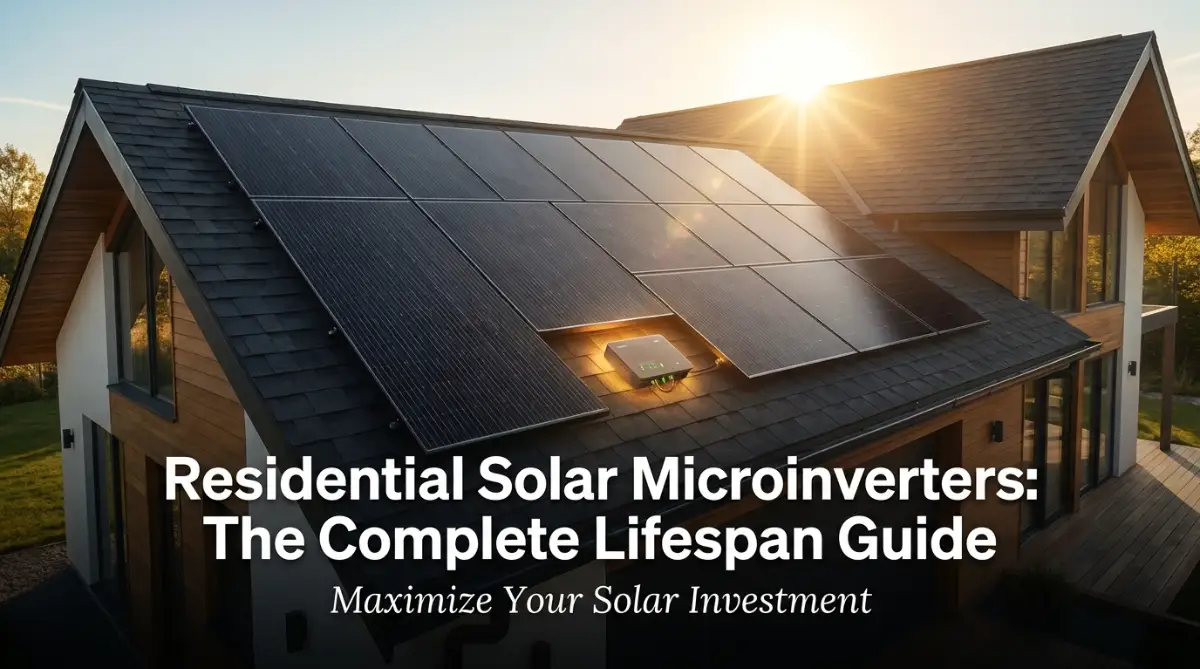
To truly understand how long your equipment will survive, we first need to strip away the complicated engineering terms. Think of your large solar panels as the strong muscles of your system, constantly gathering raw energy from the sun. The microinverter, safely tucked underneath, is the actual brain of the operation.
Its primary job is to take that raw, unusable direct current (DC) power and instantly convert it into alternating current (AC) power. This is the exact type of electricity your television, refrigerator, and lights use every single day. Because each panel has its own dedicated brain, a shadow falling on one part of your roof will not shut down your whole house.
However, being the brain is an incredibly demanding job. These small devices are constantly working at maximum capacity from sunrise to sunset. They never get a break during daylight hours, processing massive amounts of electrical current without rest.
The Real-World Survival Timeline
If you read the glossy marketing materials, you will often see promises of warranties lasting a very long time. Many top-tier manufacturers confidently stand behind their products for a solid two decades or more. But there is a massive difference between a piece of paper and the actual roof over your head.
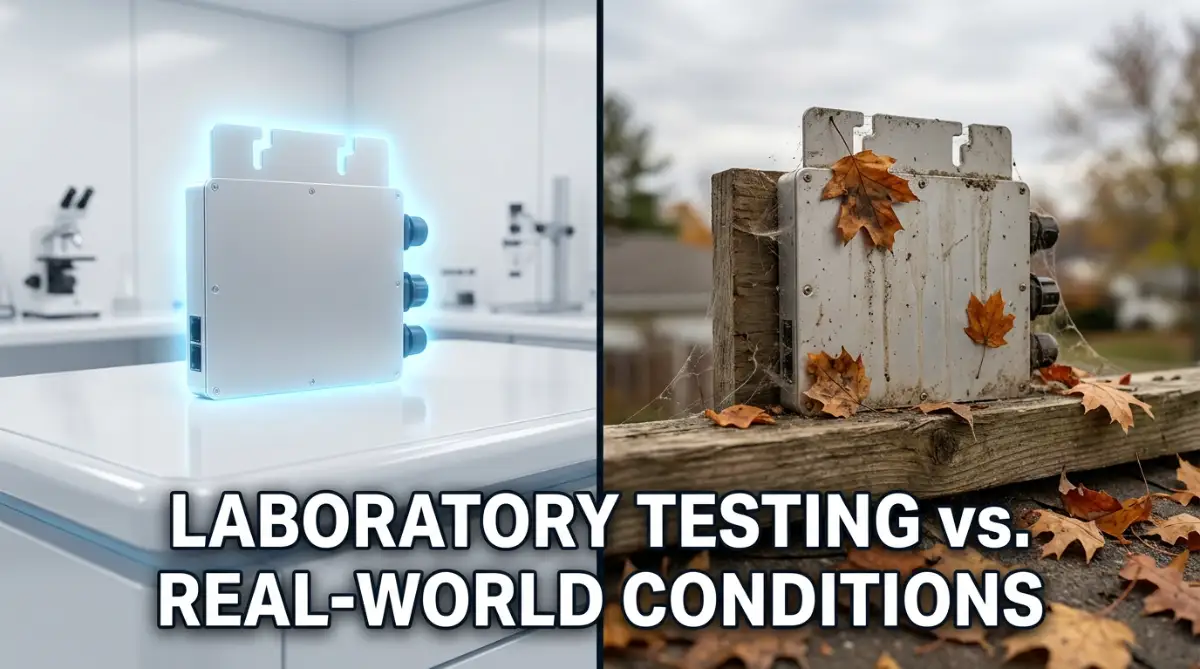
In a perfect, temperature-controlled laboratory setting, these devices could easily outlive the house itself. But your roof is not a gentle laboratory; it is an incredibly harsh environment. Throughout the natural lifespan of residential solar microinverters, they face relentless environmental attacks.
Based on real-world data from thousands of homes, a high-quality unit will easily give you between fifteen and twenty-five years of solid performance. Some premium models are engineered so well that they easily match the full lifespan of the solar panels themselves. However, this impressive longevity depends entirely on a few specific conditions being met during installation and daily operation.
How Invisible Heat Slowly Breaks Down Electronics
Heat is the absolute worst enemy of any electronic device, and your roof is basically an oven during the summer months. When the midday sun beats down, the temperature directly underneath your dark solar panels skyrockets. Your microinverters are trapped right in the middle of this intense, baking heat zone.
Inside these small metal boxes are delicate components like capacitors, tiny wires, and complex circuit boards. When metal gets hot, it naturally expands, and when it cools down at night, it aggressively contracts. This daily cycle of expanding and shrinking is known as thermal cycling.
Over thousands of days, this constant stretching and pulling puts immense physical stress on the internal solder joints. Eventually, a microscopic crack can form, leading to a sudden loss of power production. Manufacturers try to prevent this by filling the boxes with special cooling gels, but extreme climates still take a heavy toll.
Actionable Strategies to Protect Your Solar Electronics
You do not have to sit back and simply hope your system survives the summer heatwaves. There are highly effective, scientifically proven steps you can take to dramatically increase the natural lifespan of your hardware. Best of all, these strategies are simple enough for any homeowner to understand and request from their installer.
Strategy 1: Demand Proper Breathing Room on the Roof
The single biggest mistake installers make happens on the very first day of setting up the system. Because they want the panels to look sleek and invisible from the street, they often mount them incredibly flush against the shingles. While this looks aesthetically pleasing, it completely chokes off the natural airflow beneath the panels.
Your microinverters desperately need cool wind to sweep under the panels and carry the trapped heat away. If the gap between your roof and the panel is too tight, the heat simply builds up until the electronics start baking. You must ensure there is a generous gap of at least a few inches to allow for proper wind circulation.
Quick Rule of Thumb for Roof Gaps:
- 0-2 inches: Danger zone. Electronics will fry fast in the summer.
- 3-4 inches: Minimum acceptable gap for normal climates.
- 5-6 inches: The sweet spot. Perfect for hot states like Arizona, Texas, or Florida to let maximum wind push the heat out.
If you live in an exceptionally hot climate, like a desert environment, this airflow is non-negotiable. Always ask your installation team about the specific mounting brackets they plan to use. Tell them clearly that you prioritize long-term cooling and hardware health over a perfectly flush visual appearance.
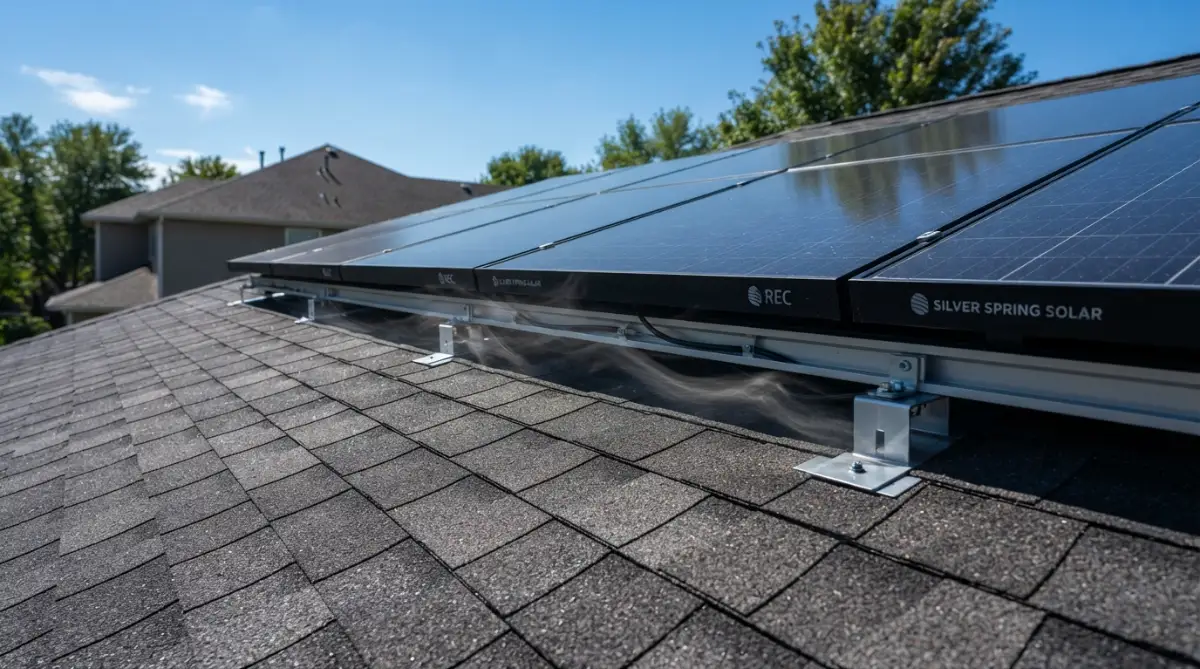
I learned this the hard way after my first system was installed too close to my dark shingles. My installer just wanted the job done fast and looking pretty for photos. I strongly advise you to physically measure the gap they leave or explicitly ask them about their cooling strategy before signing any contract.
Strategy 2: Master Your Digital Monitoring Dashboard
One of the greatest benefits of modern solar technology is the real-time data sent straight to your smartphone. Your microinverters are constantly communicating their health, temperature, and power output to a central hub in your house. Unfortunately, most homeowners only look at this app once a month when the utility bill arrives.
To catch small issues before they become massive, expensive failures, you need to make monitoring a weekly habit. You are looking for anomalies, like one specific panel consistently producing significantly less power than its immediate neighbors. If the sun is hitting your whole roof evenly, but one section is lagging behind, the microinverter might be struggling.
Here is a highly effective intro to help you understand your solar app better. Check out this quick video below to see exactly how to spot failing equipment on your phone!
By catching a drop in performance early, you can often claim a warranty replacement before the device completely fries. Sometimes, a quick remote software update pushed by the manufacturer can fix a temporary glitch. Staying proactive with your digital dashboard is the easiest way to protect your long-term investment.
The Truth About Extreme Weather Events
We have talked extensively about summer heat, but what about the other extreme weather conditions your house faces? Heavy thunderstorms, massive hail, and thick winter blizzards all test the durability of your roof's electronics. Luckily, these devices are encased in heavy-duty, weatherproof housings designed specifically to keep moisture out.
The industry uses a specific rating system to classify how waterproof these metal boxes truly are. Most top-tier residential units boast a high rating, meaning they can handle heavy, driving rain without letting a single drop inside. However, standing water or thick ice buildup over long periods can eventually defeat even the strongest seals.
If you live in an area prone to heavy snowfall, the sheer weight of the snow pressing down can physically bend the mounting rails. This bending puts abnormal pressure on the casing of the microinverter, potentially compromising its waterproof seal. Keeping branches trimmed and ensuring your roof drains water properly will go a long way in keeping the hardware safe.
Comparing Common Myths Versus Real-World Facts
There is a lot of confusing misinformation floating around online homeowner forums regarding solar hardware. Let us clear up some of the most common misunderstandings right now.
Understanding these basic realities helps you set proper expectations for your home energy system. You will no longer be easily tricked by overly aggressive salespeople making impossible promises. Knowledge truly is your best defense against unexpected maintenance bills.
Strategy 3: Guarding Against Hidden Electrical Surges
We often focus entirely on the weather outside, completely ignoring the invisible threats coming from the city's power grid. Your microinverters are directly connected to the main electrical lines running down your street. This means they are highly vulnerable to sudden spikes in voltage caused by grid fluctuations or nearby blown transformers.
A massive surge of electricity can easily rush back into your home and fry the sensitive circuit boards on your roof. While these devices have basic internal protections, they are not designed to handle massive, catastrophic grid failures. This is a silent killer that ruins countless perfectly good systems every single year.
To prevent this, you should strongly consider installing a whole-home surge protector directly at your main breaker box. This relatively inexpensive device acts as a heavy-duty shield for your entire house. It intercepts wild voltage spikes before they can ever reach your expensive solar components on the roof.
Not all surge protectors do the same job. Here is what to check:
- Look for a Type 1 or Type 2 SPD (Surge Protective Device).
- Make sure it has a rating of at least 40kA to 80kA.
- Tip: A good whole-home protector usually costs between $100 and $300—a tiny price compared to replacing a $15,000 fried solar array.
The Impact of Debris and Natural Buildup
Nature has a funny way of slowly reclaiming everything left outside, and your solar system is no exception. Over the years, leaves, pine needles, and dust will naturally accumulate underneath your solar panels. This organic matter tends to get trapped directly against the metal casing of your electronics.
When leaves get wet from the rain, they hold onto that moisture for days, acting like a damp sponge. If this damp sponge is constantly pressing against your microinverter, it significantly increases the risk of outer casing corrosion. Furthermore, a thick wall of pine needles completely blocks the cooling wind we discussed earlier.
You should schedule a gentle roof cleaning at least once a year to sweep away this natural debris. Never use a high-pressure power washer, as the intense blast of water can force moisture past the protective rubber seals. A simple, soft-bristled brush attached to an extension pole is usually all you need to keep the area clear and safe.
Understanding the Degradation of Internal Capacitors
If we look deep inside the metal casing, we find small, battery-like components called capacitors. These tiny parts are absolutely essential for smoothing out the electrical current before it enters your home. Unfortunately, they are also the most common point of failure as the system ages over the decades.
Capacitors contain a special chemical liquid that slowly evaporates over time, especially when exposed to high heat. As this liquid dries up, the capacitor loses its ability to filter the electricity cleanly. You will not notice this happening on a day-to-day basis, but over fifteen years, the efficiency of the device will slowly drop.
This slow degradation is a completely natural part of the hardware's lifecycle. It is exactly why manufacturers rate the efficiency of their devices to slowly taper off over a twenty-year period. By keeping the units as cool as possible with proper airflow, you directly slow down the evaporation of these internal chemicals.
Creating a Proactive Relationship with Your Installer
Most homeowners treat their solar installers like a one-time contractor, never speaking to them again after the panels are turned on. This is a massive mistake that can cost you thousands of dollars down the road. You need to build a long-term, friendly relationship with the company that holds your warranty.
Set a simple reminder on your calendar to call your installer once a year just to check in. Ask them if there are any new software updates available for your specific brand of microinverter. Sometimes, the manufacturer releases a digital patch that improves how the device handles heat or grid voltage.
If you notice anything slightly weird on your monitoring app, do not hesitate to send them a quick screenshot. A good company will happily review your data remotely to ensure everything is running perfectly. Being slightly annoying with questions is always better than being silent and paying out of pocket for a broken system later.
By taking these proactive, thoughtful steps, you are actively protecting the natural lifespan of your residential solar microinverters. You are moving from a passive, worried consumer to an empowered, educated homeowner.
Expert-Level Secrets to Outsmart Mother Nature
Once you understand the basic vulnerabilities of your roof's electronics, you can start applying a few advanced strategies. These are the exact methods professional engineers use to keep commercial energy grids running smoothly. You do not need an advanced engineering degree to apply these concepts to your own home.
The first major secret involves understanding the ratio between your solar panels and your microinverters. Many homeowners are completely shocked to learn that their microinverters are intentionally sized slightly smaller than their panels. This design choice is known as "clipping," and it actually protects your electronics from burning out.
Think of your solar panel as a massive water pump and your microinverter as a garden hose. On a perfectly clear, shockingly bright afternoon, the panel produces a massive surge of raw energy. If the microinverter tried to process all of that extreme energy at once, it would quickly overheat and fail.
By having a slightly lower maximum capacity, the microinverter acts like a safety valve. It simply "clips" off the very top of that extreme energy spike, safely ignoring the excess power. This means the internal components never get pushed past their absolute breaking point.
Mastering the Art of Roof Placement
Where you place your equipment originally has a massive impact on its daily survival. The sun does not hit every single part of your house with the exact same intensity throughout the afternoon. If you force your hardware to sit in the hottest, most punishing part of the roof all day, it will age rapidly.
I always tell my neighbors to spend time understanding how to find the best sun spots on your property for maximum power. You want to capture abundant sunlight, but you also want to avoid areas that reflect intense heat from nearby windows. Sometimes, shifting a panel array just a few feet away from a reflective chimney can drop the temperature beneath it significantly.
According to national studies on electronic thermal degradation, lowering the operating temperature by just a few degrees can add years to a device's life. This happens because the internal chemical capacitors dry out much slower in slightly cooler environments. Always ask your installer to run a digital heat map of your roof before they drill the first hole.
Automating Your Defense System
You are a busy person, and you cannot be expected to stare at a solar monitoring app every single hour of the day. This is why you must force the software to do the heavy lifting for you. Almost every single modern solar application has hidden settings for push notifications and email alerts.
Most installation companies turn these alerts off by default because they do not want to bother you with technical data. You need to open your app's settings menu tonight and turn on all hardware failure notifications. Set the app to immediately text you if a specific panel drops more than twenty percent of its normal production.
If you ignore these digital tools, a single broken unit could sit uselessly on your roof for months before you notice. By the time you finally check your utility bill, you will have lost hundreds of dollars in completely free electricity. Sometimes, reading through the fine print of these apps feels like trying to learn how to navigate software licensing without a legal degree. However, taking thirty minutes to click through those settings will save you incredible amounts of money.
The Magic of Remote Software Updates
Your roof electronics are actually tiny, highly intelligent computers, which means they rely heavily on software to function. As the city's main electrical grid changes and upgrades over time, your hardware needs to adapt. Manufacturers frequently release invisible, over-the-air updates to improve how these devices handle sudden grid changes.
If your home internet connection goes down, your system cannot receive these critical digital patches. The microinverters will continue using outdated instructions, making them highly vulnerable to sudden voltage spikes on the street. Always ensure the central communication hub in your garage has a rock-solid Wi-Fi connection year-round.
For a deeper look into understanding basic inverter functions, you will notice that software directly controls the internal cooling fans and voltage regulators. A simple internet outage is often the hidden root cause of a perfectly healthy device shutting itself down. Treat your solar hub just like your personal laptop; it desperately needs those monthly security updates to survive.
The Heartbreaking Mistakes That Destroy Roof Electronics
Even with the best intentions, everyday people frequently make highly destructive decisions regarding their renewable energy systems. I have seen incredibly expensive hardware completely ruined by simple, easily avoidable errors. Let us walk through the most dangerous pitfalls so you never have to experience this completely unnecessary pain.
The High-Pressure Cleaning Disaster
After a long, dusty dry season, your dark panels will inevitably look incredibly dirty from the street. The natural instinct for any proud homeowner is to grab a heavy-duty power washer and blast the dirt away. This single action is arguably the fastest way to instantly void your warranty and destroy your system.
Your microinverters feature thick rubber gaskets designed to keep natural rain out. However, they are absolutely not designed to withstand concentrated water shooting at thousands of pounds of pressure per square inch. When you blast the side of a panel, that intense water easily forces its way directly through the rubber seals.
Once water gets trapped inside the hot metal box, it creates a highly destructive miniature greenhouse effect. The internal moisture turns into thick steam, instantly short-circuiting the delicate computer chips inside. Extensive research on circuit board moisture failures shows that even a single drop of trapped water will cause rapid, irreversible corrosion. Stick to a normal garden hose with a very gentle, natural spray setting.
Ignoring the Hidden Danger of Animal Nests
Because solar panels sit a few inches above the roof, they create a wonderfully dry, shaded shelter for local wildlife. When winter rolls around, small animals desperately seek out warm places to escape the freezing wind. Pigeons and squirrels absolutely love the cozy gap between your roof shingles and your expensive electronics.
If you do not actively prevent them from moving in, these animals will build massive nests directly against your microinverters. The thick pile of twigs, dry leaves, and mud completely suffocates the hardware, entirely blocking the cooling airflow we discussed earlier. Without wind, the device rapidly overheats, baking itself to death on a sunny afternoon.
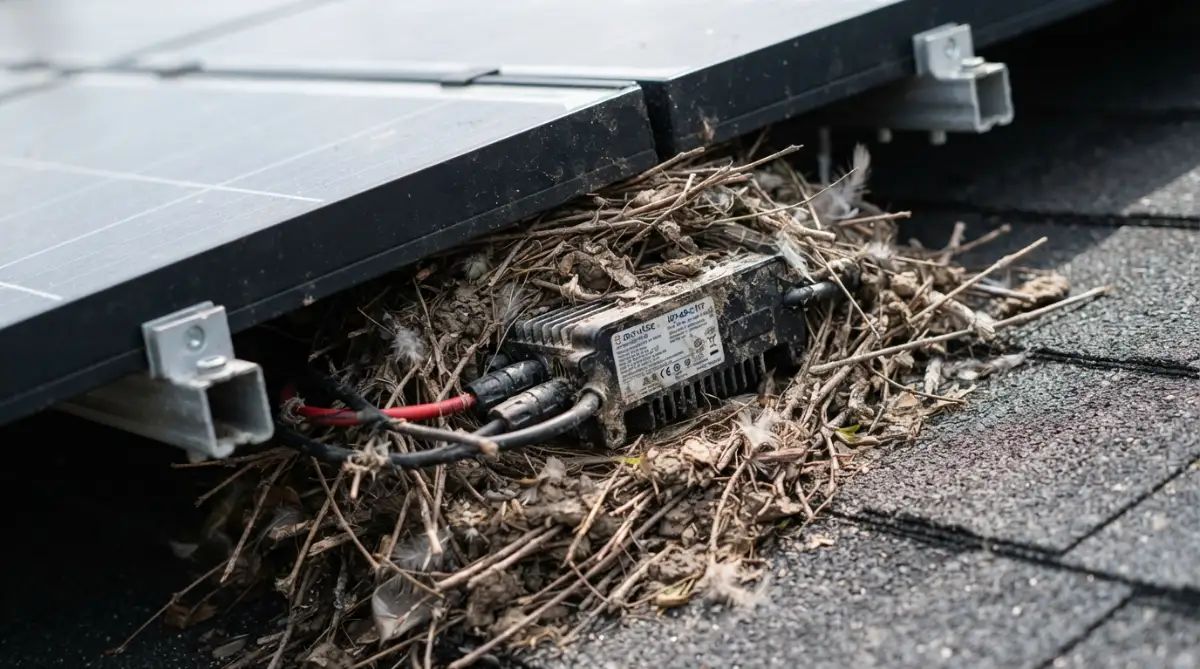
Worse yet, the highly acidic nature of bird droppings will actively eat through the protective metal casing over time. You simply must learn how pigeons and roof pests are ruining your solar panels before spring arrives. Installing a cheap wire mesh barrier around the outer edge of your panels is a tiny investment that prevents a massive hardware tragedy.
Believing the "Set It and Forget It" Lie
The biggest trap in the entire renewable energy industry is the extremely catchy sales pitch that promises zero maintenance. Salespeople love to tell you that once the system is turned on, you never have to think about it again. This highly misleading promise lulls homeowners into a false sense of absolute security.
They stop looking at their phone app, they stop glancing up at the roof, and they completely ignore the blinking warning lights on their garage hub. You cannot treat a high-voltage electrical power plant on your roof like a simple kitchen toaster. Complex technology always demands a small amount of respectful supervision.
When you blindly trust that everything is fine, a small wire chewed by a squirrel turns into a completely fried circuit board. A tiny drop in daily production slowly turns into a massive, terrifying utility bill at the end of the year. The most successful green energy owners are the ones who treat their system like a prized car that needs occasional check-ups.
The Cheap Replacement Parts Trap
Eventually, even the toughest, most well-cared-for microinverter will reach the end of its natural life and fail. When this happens, homeowners often panic about the replacement cost and start searching online for the cheapest possible alternative. They end up buying used or deeply discounted units from unknown overseas brands to save a few dollars.
Mixing a highly unreliable, cheap device with your existing premium system is a recipe for a massive electrical disaster. These knock-off units rarely communicate properly with your main software hub, throwing off all your daily energy readings. Even worse, they often lack proper internal surge protectors, putting your entire house at serious risk of electrical fires.
Always demand a direct replacement from the original manufacturer, even if it takes a few extra weeks to ship. If your original brand is no longer in business, only work with a certified electrician to find a universally compatible, highly rated alternative. Trying to cut corners on high-voltage electronics will always cost you significantly more money in the long run.
Your Blueprint for Decades of Worry-Free Green Energy
Taking control of your home's power production should feel incredibly empowering, not terrifying or confusing. Now that you completely understand what goes on beneath those shiny panels, you hold a massive advantage. You are no longer in the dark about how extreme heat, wild weather, and local wildlife impact your investment.
We have covered a lot of technical ground today, from ensuring proper wind gaps to setting up digital phone alerts. Let us summarize exactly what you need to do starting tomorrow morning. First, open your monitoring application and double-check that your push notifications are actively turned on.
Next, grab a pair of binoculars, step into your front yard, and safely inspect the gaps under your panels for any obvious bird nests. If everything looks clean, take a few minutes to browse our home improvement guides to keep learning about protecting your property. Finally, put a small recurring reminder on your phone calendar to gently wash the natural dust off your panels every spring.
By following these incredibly straightforward steps, you will easily push your equipment past the twenty-year mark. You will capture maximum free energy, completely avoid surprise replacement bills, and finally enjoy true peace of mind. For more highly detailed strategies on home optimization, feel free to check out our recent energy publications.
I personally spent far too long stressing over my own roof setup because I simply did not understand how it worked. Once I finally took the time to learn these basic care routines, my daily anxiety completely disappeared. My greatest hope is that this guide gives you the exact same confidence to truly enjoy your green energy journey.
Answers to Your Biggest Solar Hardware Worries
Do solar microinverters need to be turned off during a thunderstorm?
No, you do not need to manually turn anything off during heavy rain or normal thunderstorms. The devices are completely sealed against heavy water and will safely pause themselves if the neighborhood grid becomes unstable. However, if your area experiences extreme lightning, having a whole-home surge protector in your garage is highly recommended.
Can one broken microinverter ruin the rest of my solar panels?
Absolutely not, and that is the greatest specific advantage of this exact technology. Because each panel has its own dedicated brain, a single hardware failure is completely isolated to that one specific spot. The rest of your roof will continue pumping clean electricity into your home without any major issues.
How do I know if my solar microinverter is definitely failing?
The clearest warning sign will always appear directly on your digital smartphone app or web dashboard. You will clearly see one specific panel showing a massive drop in daily power compared to the panels sitting right next to it. If the panel is perfectly clean and not covered by a tree shadow, the device underneath is likely struggling.
Are older microinverters safe to leave on the roof?
Yes, as long as they are still producing power efficiently and the outer metal casing is not physically broken or heavily rusted. Federal environmental guidelines on electronic waste highly recommend keeping functional equipment in use for as long as safely possible. Just keep a closer eye on your monitoring app once the system passes its fifteenth birthday.
Will my home insurance cover a weather-damaged microinverter?
This heavily depends on your specific insurance policy and what exactly caused the physical damage. If a massive falling tree branch smashes the panel and the device underneath, most standard homeowner policies will cover the replacement. However, if the device simply stops working due to old age or slow heat damage, you must rely on the manufacturer's warranty.
Disclaimer: The information provided in this article is for general educational purposes only and does not constitute professional electrical advice. Always consult with a licensed, certified solar technician before attempting any physical inspections, repairs, or modifications to your home energy system. Working with high-voltage roof electronics carries serious risks of injury or death if handled improperly.