When Green Energy Meets Pet Health: My Unexpected Wake-Up Call
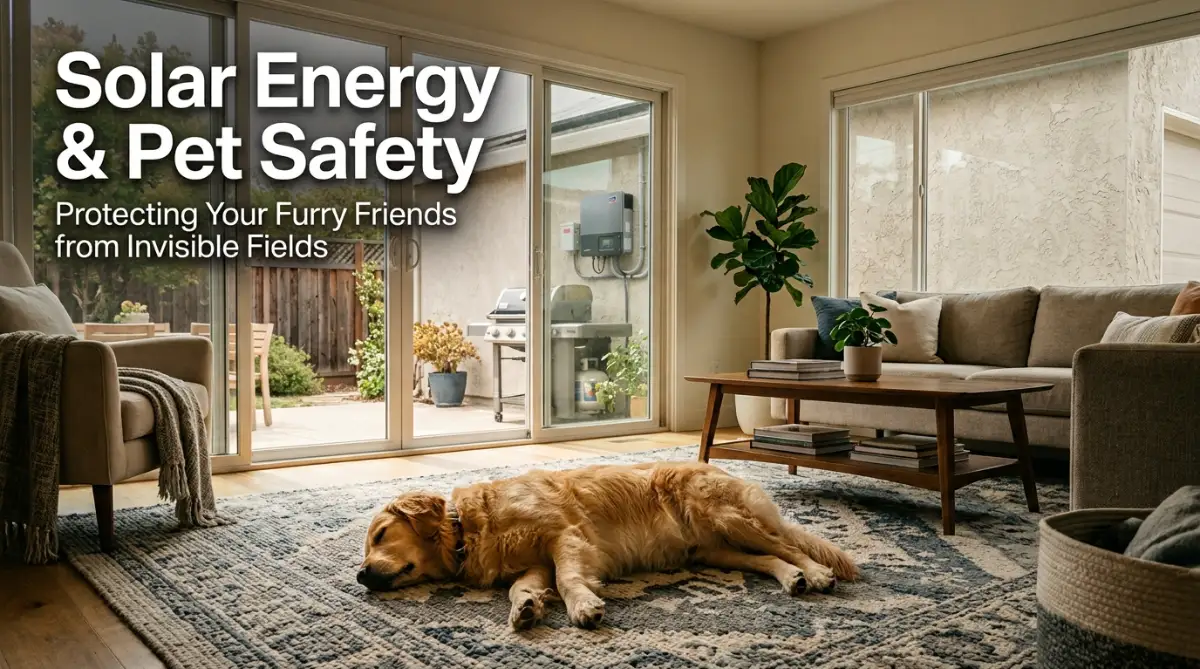
So, you finally got your home solar system running, and your electric bill is dropping. Awesome! But then you notice your dog pacing the hallways or your cat suddenly avoiding their favorite sleeping spot near the garage. I noticed this exact weird behavior with my golden retriever, Max, right after our inverter went live. Let me share what I found out about the hidden energy fields in our homes, and how you can easily fix this for your furry best friend without losing your mind.
Instead of his usual playful self, Max started pacing nervously around the hallway. Sometimes, I caught him staring blankly at the wall where the heavy solar inverter was humming quietly on the other side. I tried brushing it off as a temporary mood swing. However, deep down, I felt a heavy knot in my stomach telling me something was wrong.
That is when I started looking into the invisible waves radiating from power equipment. I realized my inverter was running continuously, generating electromagnetic fields right next to my dog’s sleeping area. I felt terrible knowing my push for green energy might be silently hurting my best friend.
Many pet owners are facing this exact same hidden struggle right now. We invest heavily in renewable energy to protect the planet and build a better future. But nobody hands us a manual about how these powerful electrical components might affect the tiny, sensitive bodies of our indoor pets.
Quick Summary: Keeping Your Pets Safe Around Solar Gear
- Move Their Bed: Keep all pet beds, litter boxes, and food bowls at least 6 to 8 feet away from solar inverters and big battery banks.
- Ditch the Metal: Swap out metal wire dog crates for plastic or fabric ones if they sit near electrical equipment. Metal acts like an antenna for wandering energy waves.
- Watch the Wall: Remember that energy travels through walls. Do not let your dog sleep against the interior drywall if the inverter sits right outside on the exterior wall.
- Block the Heat: Cats love warm battery boxes. Put physical barriers in place so they cannot use your solar battery as a heated bed.
The Hidden Science: How Invisible Waves Interact With Animal Bodies
To fix this problem, we first need to understand what is actually happening in the air around our equipment. A solar inverter has a very specific job in your house. It takes direct current from your roof panels and forcefully chops it up into alternating current for your home appliances.
This heavy conversion process creates a continuous bubble of electromagnetic energy around the physical box. For humans, passing by this bubble for a few seconds a day causes almost no noticeable reaction. But our pets experience the world in a entirely different way than we do.
Animals possess highly sensitive biological systems designed to pick up subtle changes in their environment. Birds navigate using the magnetic poles, and dogs have heightened sensory receptors in their skin and nervous system. When they sit inside an artificial energy bubble for hours, their bodies get confused.
Continuous exposure to these fields can mess with a pet's natural cellular communication. The waves can create mild static charges on their fur, leading to unexplained scratching and skin irritation. It is like constantly hearing a high-pitched dog whistle that humans cannot hear, but felt entirely through the body.
Understanding Melatonin Drop and Sleep Disruption
One of the most heavily documented biological effects of heavy electrical fields is the disruption of sleep hormones. Just like humans, dogs and cats rely on melatonin to regulate their sleep cycles and heal their bodies. Constant exposure to heavy electrical frequencies tricks their brain into thinking it is not truly safe to rest.
When a pet sleeps right next to a busy solar inverter, their melatonin production can drop significantly. This explains why they might wake up constantly during the night or seem exhausted during the day. A lack of deep sleep weakens their immune system over time, making them prone to minor infections.
Practical Step 1: Mapping Out the Invisible Risk Zone
The very first thing you need to do is figure out exactly how far the energy field travels into your living space. You cannot fix a problem if you cannot see the boundaries of it. This is where basic physics actually becomes your best friend.
Electromagnetic fields obey something called the inverse square law. Simply put, as you move further away from the inverter, the strength of the field drops incredibly fast. A distance of just three to five feet can make a massive difference in safety levels.
The Safe Distance Rule for Pets
| Distance from Inverter/Battery | Risk Level for Pets | What You Should Do |
| :--- | :--- | :--- |
| 0 to 3 Feet | High Risk | Never place pet beds, litter boxes, or cages here. |
| 4 to 6 Feet | Moderate Risk | Fine for walking past, but not for sleeping or hanging out. |
| 7 to 10+ Feet | Safe Zone | Perfect spot to relocate their beds and feeding stations. |
You need to physically walk around the wall where your inverter is mounted. Check what is sitting on the opposite side of that wall inside your house. If your cat's litter box or your dog's crate is directly against that shared wall, they are sitting directly in the highest exposure zone.
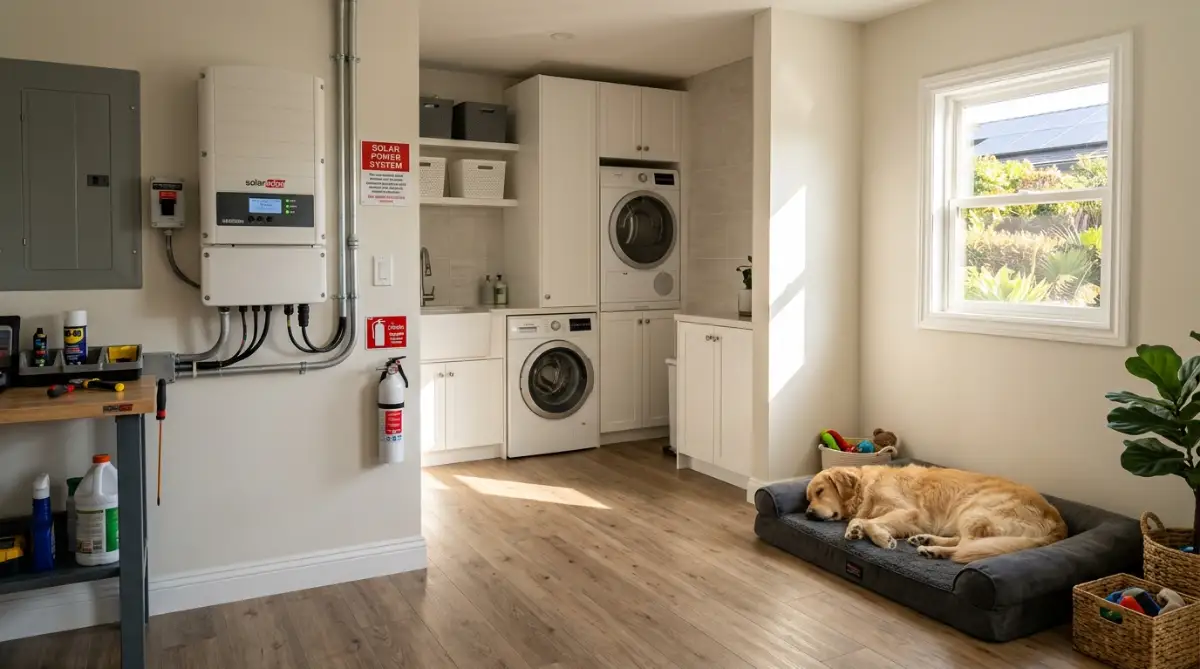
Watch This Quick Demonstration to Understand Safe Distances Better
If you want to see exactly how quickly these invisible fields drop off as you step away from the equipment, this short visual test will blow your mind. Check out the meter readings in real-time below.
Practical Step 2: Relocating the Furry Resting Spots
Once you know where the energy bubble sits, your next immediate action is rearranging the room. You do not need to tear down walls or hire an expensive electrician to move your solar setup. You just need to move your pet's belongings out of the immediate area.
I strongly recommend keeping all pet beds, cages, and feeding bowls at least six to eight feet away from the main inverter box. If the equipment is mounted on an exterior wall, make sure the interior side of that wall is kept completely clear. Treat that specific patch of wall like a warm fireplace that you would not let your dog sleep directly against.
I moved Max's thick orthopedic bed to the complete opposite corner of our utility room. Within just 48 hours, his nervous pacing stopped completely, and he started sleeping deeply through the night again. It felt amazing to see such a simple change bring his playful energy back so quickly.
My Personal Lesson with Frequency Meters
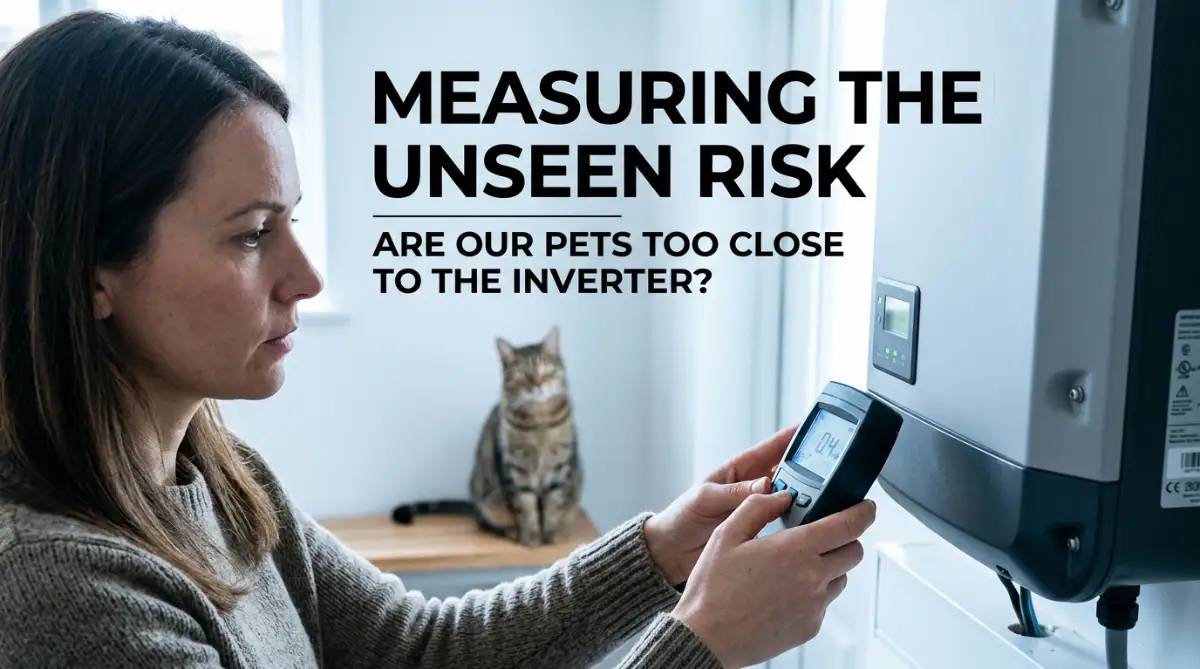
I quickly learned my mistake when I first tried to measure the energy around my house using a cheap, ten-dollar meter I bought online. It gave me completely random numbers, causing me unnecessary panic about completely safe appliances. I eventually realized that renting or borrowing a high-quality, professional EMF meter from a local hardware group gives you the actual, accurate picture of your home's safety.
Practical Step 3: Observing Behavioral Clues
Since pets cannot talk to us, their daily habits are the only way they can communicate discomfort. You need to become an active observer of your pet's routine, especially in the first few weeks after a new solar installation. Changes in their behavior are often the first biological warning signs you will get.
Watch closely to see if they suddenly avoid rooms they used to love spending time in. Notice if they are grooming themselves obsessively or acting unusually irritable when you try to pet them. These stress signals mean their nervous system is feeling overwhelmed by their environment.
Debunking Common Myths About Solar and Pets
There is a lot of confusing information online about home energy systems and animal health. Some people claim that solar panels on the roof will fry birds or harm cats sleeping in the attic. The truth is, the panels themselves produce very direct, smooth current which creates almost no harmful field at all.
The real area of focus should always be the inverter and the heavy battery storage units. These are the engines doing the heavy lifting, and they are usually installed right at ground level where pets roam. Understanding the difference between the harmless roof panels and the hard-working inverter keeps you from stressing over the wrong things.
Quick Myth vs. Fact: Solar Power & Pets
- Myth: Roof solar panels will make my birds sick.
- Fact: Roof panels run on Direct Current (DC), which produces almost zero harmful waves. The real heat comes from the inverter box downstairs.
- Myth: My dog likes sleeping near the battery because the "energy" is healing.
- Fact: Your pet is just looking for a warm spot! Batteries generate heat when charging, but they also pump out low-frequency radiation. You should block off that area.
Practical Step 4: Using Physical Blocking Materials
Sometimes, you simply do not have enough square footage in your home to keep your pet far away from the equipment wall. If you live in a smaller apartment or a compact home, you might need to use physical barriers. There are specific materials designed to block or absorb electrical frequencies.
You can find specialized shielding paint that goes directly on the interior wall opposite the inverter. This paint contains tiny metal particles that catch the electrical waves and ground them before they enter the room. It looks just like normal black primer, and you can easily paint over it with your favorite wall color.
Another highly effective option is using grounded Faraday fabric behind your pet's bed or along the wall baseboards. This acts like a net that catches the invisible energy. Just make sure you consult with a professional to properly ground these materials, otherwise, they will not work as intended.
Making Smart Choices for Long-Term Health
Protecting your indoor animals from heavy electrical equipment is not about living in fear of modern technology. It is simply about being a responsible, educated homeowner who understands how different systems interact. We bring these amazing animals into our homes, and they trust us completely to provide a safe living space.
By taking just an hour out of your weekend to evaluate your solar equipment layout, you can prevent years of biological stress for your pets. Moving a dog bed or painting a single wall might seem like a small task to you. But to your pet, it means a lifetime of deep sleep, relaxed nerves, and happy days by your side.
Next-Level Strategies: Protecting Your Home Ecosystem Like a Pro
Now that we have handled the immediate danger zones, we need to talk about long-term maintenance. Moving your dog’s bed away from the main equipment is an excellent start. However, the energy generated by your solar setup does not just sit in one place.
It actually travels through the hidden infrastructure of your house. When your solar inverter converts direct power from the roof into usable alternating power, it often creates a byproduct called "dirty electricity." These are essentially messy electrical micro-surges that travel along the copper wires hiding behind your drywall.
Your pet might be sleeping ten feet away from the actual inverter box. But if they are resting their head directly against an interior wall containing the main electrical run, they are still getting exposed. This micro-radiation bleeds out from the wires directly into the room.
I learned this the hard way when my dog started avoiding a very specific corner of the living room couch. To fix this, you can hire an electrician to install specialized filters directly at your main breaker panel. These smart filters smooth out the electrical spikes before they ever have a chance to travel through your walls.
Mastering the Art of Proper Grounding
One of the biggest secrets in home energy safety is the power of a perfect ground line. A properly grounded electrical system takes any stray, leaking energy and safely buries it deep into the earth. If your system was installed in a rush, the grounding wire might not be entirely sufficient for a heavy-duty inverter.
When stray voltage leaks from ungrounded equipment, it travels across damp concrete floors or wet grass outside. Because animals walk barefoot, they absorb this micro-voltage right through their sensitive paw pads. This is a well-known issue in farming, often studied in veterinary guidelines regarding environmental stressors on livestock and domestic pets.
You should ask a local professional to test the grounding efficiency of your entire home setup. Sometimes, simply upgrading the copper grounding rod outside your garage makes a night and day difference. It is also an incredibly smart step when you maintain your home solar battery for maximum efficiency over the long run.
Managing The Hidden Battery Bank
Many modern homeowners are not just installing inverters; they are adding massive lithium battery banks to their garages. These batteries sit quietly, but they pull and push massive amounts of direct current throughout the day and night. The heavy cables connecting the batteries to the inverter act like invisible energy highways.
You must make sure these thick connecting cables are properly shielded. Professional-grade metal conduit blocking is a highly effective way to wrap these wires so the radiation stays inside the pipe. If you ever plan to build a remote property, like when you plan an off-grid solar cabin in a deep forest, planning this shielded wiring from day one saves endless headaches.
Do not let your pets sleep or play near the battery storage area, especially during peak charging hours. Midday is when the panels send the highest volume of energy down into the batteries. The electromagnetic field is at its absolute peak during these bright, sunny hours.
Creating True "Dead Zones" for Rest
Your pet’s body works extremely hard to heal and regenerate during deep sleep. To help them out, you need to create a sleeping environment that is completely free of all artificial frequencies. I like to call this creating a biological "dead zone" in the house.
To do this, look at the room where your pet sleeps at night. Are there smart plugs, Wi-Fi routers, or baby monitors plugged in near their crate? You need to unplug these devices before you go to bed.
Stacking multiple types of wireless technology on top of your existing solar radiation creates a highly toxic energy soup. By unplugging standard electronics at night, you give their nervous system a massive break. You can read more about how overlapping frequencies impact living cells through the National Institute of Environmental Health Sciences safety reports.
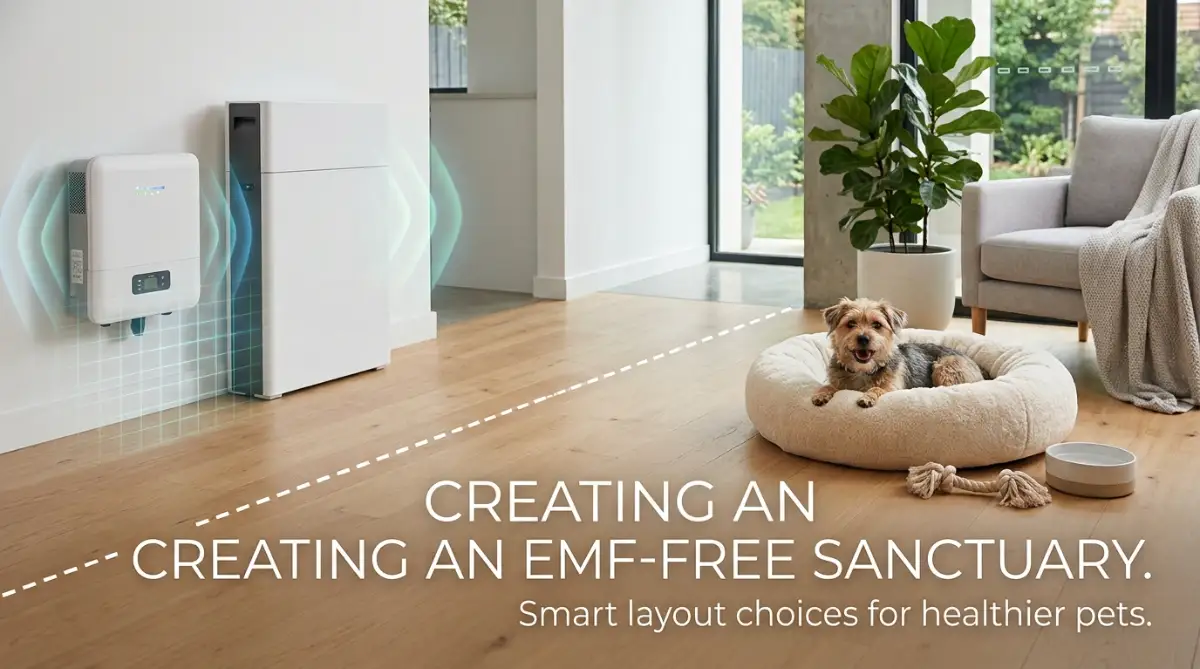
The Dangerous Pitfalls: What Most Pet Owners Get Completely Wrong
When people first learn about invisible energy fields, they tend to panic and make very rushed decisions. I have seen homeowners spend hundreds of dollars on completely useless gadgets that actually make the situation worse. Let’s walk through the biggest mistakes you absolutely must avoid.
The Metal Dog Crate Trap
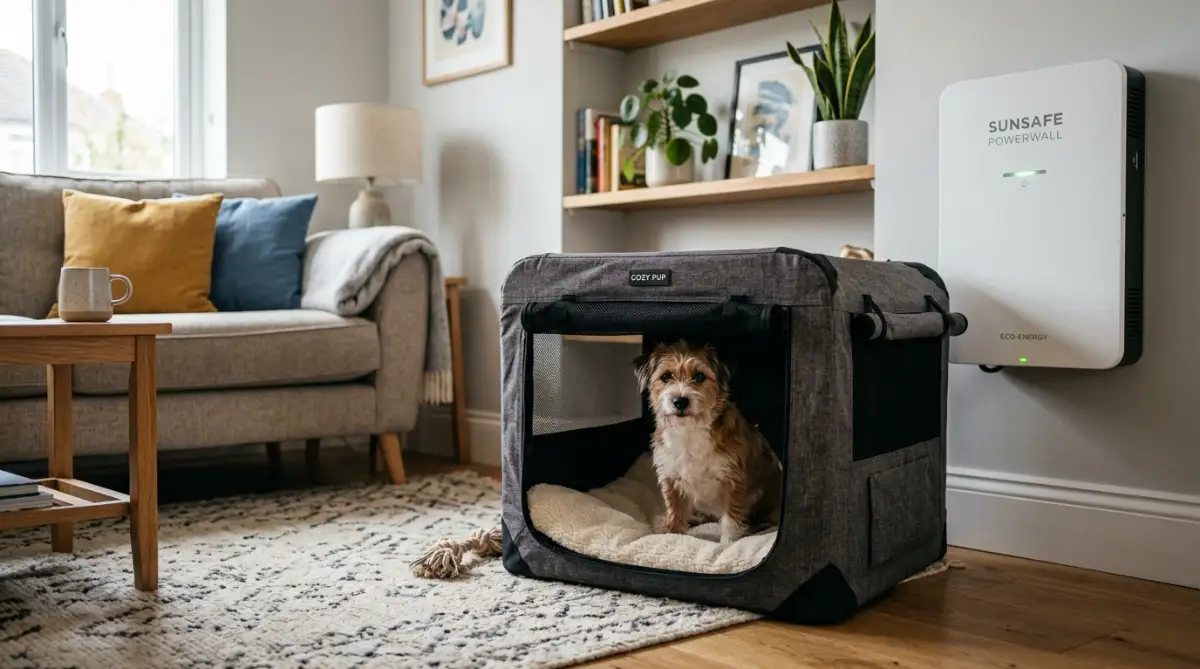
This is easily the most heartbreaking mistake I see well-meaning pet parents make. They move their dog's metal wire crate into the utility room, thinking it is a quiet space away from the kids. But they place that metal cage right next to the running solar inverter.
Metal is highly conductive. When an invisible electromagnetic field hits a metal wire cage, the cage can actually act like a giant antenna. It catches the waves, bounces them around the inside of the crate, and amplifies the exposure for the poor dog trapped inside.
If you must keep your pet in the same room as electrical equipment, always use a heavy-duty plastic or fabric crate. Never use a conductive metal cage near heavy power sources.
Ignoring the Roof Structure
Sometimes we get so focused on the box in the garage that we forget about what is happening above our heads. While the solar panels themselves are mostly safe, the heavy wiring running under the roof tiles can leak energy. If your cat loves to sleep on the top shelf of a high closet right under the roof line, they might be getting exposed.
Always map out where the main cables travel from the roof down into the house. Ensure your pet’s favorite high-up hiding spots are not directly resting against these cable runs. This structural awareness is just as important as understanding the hidden dangers of heavy solar racking on your home.
The "Warmth" Illusion
Cats are notorious for seeking out the warmest spots in the house to take their afternoon naps. Solar inverters and battery banks naturally generate a decent amount of heat when they are working hard. I have heard countless stories of cats curling up perfectly on top of a running battery unit.
Because the cat looks cozy and happy, the owner thinks everything is perfectly fine. But in reality, the cat is bathing in a massive amount of low-frequency radiation for hours on end. You must actively block off physical access to the tops of these machines.
Place a slanted board or a physical barrier on top of the equipment so your cat cannot comfortably lay there. It might feel mean to take away their warm spot, but you are protecting their long-term health.
Trusting Cheap Online Meters
I mentioned this earlier, but it is worth repeating because it causes so much unnecessary stress. Buying a fifteen-dollar radiation meter from a random online store will give you wildly inaccurate readings. These cheap toys pick up everything from local radio stations to your neighbor's cell phone.
When the meter starts beeping wildly, owners panic and think their solar system is broken or dangerous. If you want real data, you need to rely on equipment approved by professional building biology and environmental assessment standards. Renting a proper device for one weekend is much smarter than buying a cheap piece of plastic.
Treating All Pets the Same
A mistake I made early on was assuming my large dog and my small cat would react the same way to energy fields. Smaller animals actually absorb frequencies entirely differently than larger animals. A field strength that barely bothers a heavy golden retriever might cause severe anxiety in a small bird or a guinea pig.
If you keep small caged animals like hamsters or birds, you must be extremely strict about their placement. They cannot simply get up and walk away when they feel uncomfortable. Keep their cages at the absolute furthest end of the house, completely away from any power conversion tools. Exploring better layouts is a great step when improving your overall home energy design.
Building a Safe and Peaceful Sanctuary for Your Best Friend
At the end of the day, upgrading your home with green technology is an amazing choice for your family and the planet. You just need to remember that bringing industrial-level power conversion into your living space requires a few smart adjustments. Your pets rely entirely on you to make their environment safe.
By mapping out the invisible energy zones, moving their beds, and managing dirty electricity, you take complete control of the situation. You do not need to be afraid of your solar setup. You just need to respect the physics of how it operates.
Once you clear their sleeping areas of these heavy frequencies, you will likely notice a massive shift in their mood. Their natural energy will return, their sleep will deepen, and their nervous system will finally relax. Creating that healthy, balanced ecosystem inside your home is entirely within your reach.
I know how scary it feels when your pet seems off and you cannot immediately figure out why. Moving Max’s bed away from that noisy garage wall was the simplest, yet most effective thing I ever did for his health. I hope my journey helps you create a beautifully safe, energy-efficient home where your furry family members can thrive right alongside you.
Common Questions About Solar EMF and Indoor Animals
Can a solar inverter cause long-term sickness in my dog?
Yes, prolonged exposure to heavy electrical fields can suppress their immune system over time. When their sleep cycle is constantly disrupted by frequencies, they become much more vulnerable to fatigue and minor illnesses. Keeping a safe physical distance is the best way to prevent any long-term health issues.
How far away should my cat's litter box be from the solar battery?
You should aim to keep all pet supplies at least six to eight feet away from the main equipment. This distance allows the electromagnetic field to weaken drastically, making the area perfectly safe for your cat to use. Never place the box directly against the shared wall where the inverter is mounted.
Do solar panels on the roof harm birds or indoor pets?
No, the actual panels on your roof deal with smooth direct current, which produces almost zero harmful radiation. The heavy electromagnetic fields are strictly created down below, where the inverter actively chops the power into alternating current. Your pets are perfectly safe living directly under a solar-paneled roof.
Will turning off the Wi-Fi help my pet sleep better?
Absolutely, reducing the overall amount of wireless noise in your home gives your pet's nervous system a deep rest. Since you cannot easily turn off a running solar inverter, unplugging Wi-Fi routers and smart home devices at night removes extra layers of stress. It creates a much calmer biological environment for everyone in the house.
Is there a specific fabric I can buy to block the inverter radiation?
Yes, you can purchase specially designed Faraday fabrics woven with silver or copper threads. If you place this fabric carefully behind your pet's bed or along the baseboards, it can block a large portion of the traveling waves. Just be sure to speak with a professional to ground the fabric properly so it works correctly.
Disclaimer: The information provided in this article is for educational and informational purposes only. It is based on personal experience and general environmental safety guidelines. It should not replace professional veterinary advice or certified electrical safety inspections. If your pet is showing severe behavioral changes or signs of illness, please consult a licensed veterinarian immediately. Always hire a certified electrician for any modifications to your home energy system.