The Hidden Struggle Between Home Aesthetics and Renewable Energy
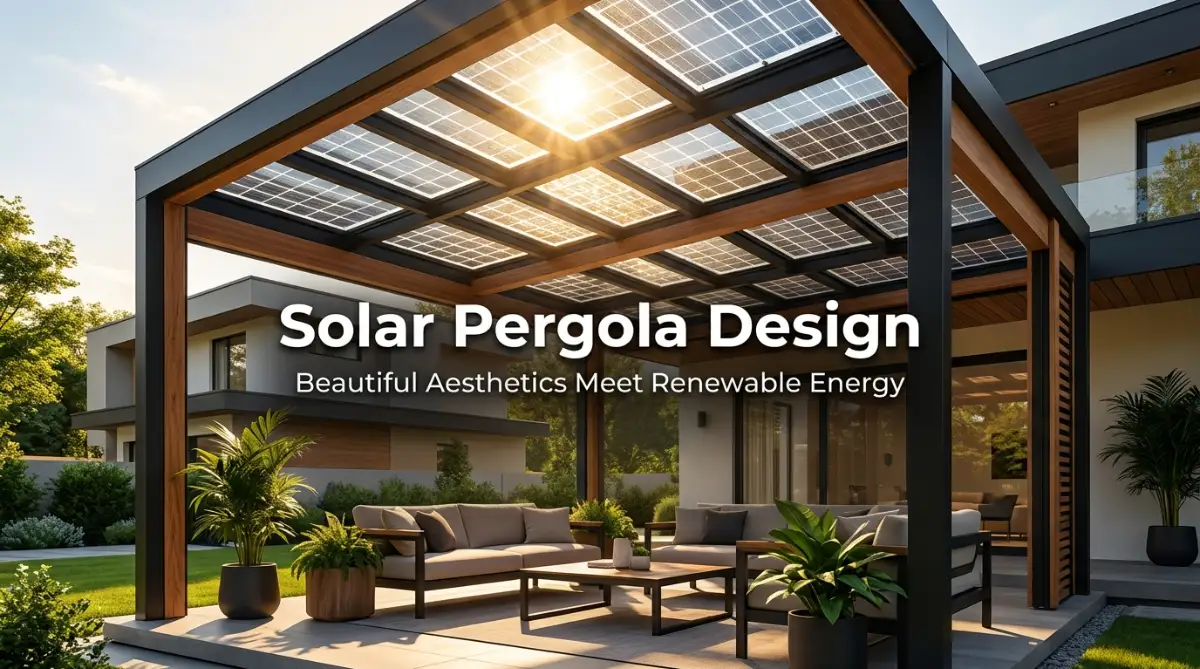
Let's be honest, putting standard solar panels over a gorgeous backyard patio usually looks terrible. You want to cut down your crazy electric bills, but the thought of staring at thick black wires and ugly metal racks above your outdoor dining table is a total dealbreaker. Good news—you don't have to choose between a beautiful backyard and green energy anymore. Today, I'm going to show you how transparent, double-sided solar tech is completely changing the way we build outdoor living spaces.
I had spent so much time and money designing the perfect outdoor space for my family. We loved having barbecues out there, enjoying the natural vibe of the wood and the open sky. The thought of ruining that relaxing outdoor feeling with ugly metal racks and thick, bulky wires was a massive struggle for me.
I wanted green energy, but I absolutely refused to turn my peaceful sanctuary into an industrial power plant. This is a very real problem for so many homeowners today. You want to do the right thing for the environment and your wallet, but you do not want to sacrifice the beauty of your home.
Standard traditional panels block out the sun completely, turning a bright and airy patio into a dark, gloomy cave. If you love spending time outside, losing that natural sunlight feels like a heavy price to pay just to save a few dollars on electricity.
I almost gave up on the idea entirely until I discovered a completely different approach to outdoor solar design.
⚡ Quick Guide to Solar Pergolas:
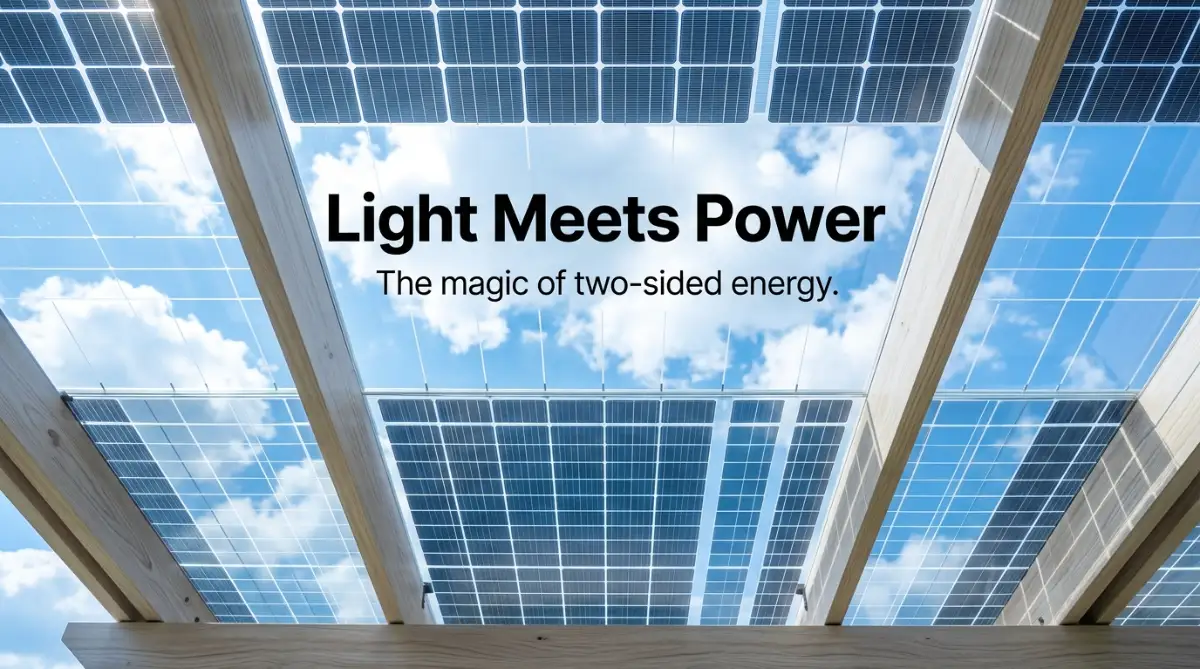
- Ditch the dark roof: Glass-on-glass bifacial panels let natural light shine through while generating power from both sides.
- Upgrade your beams: These transparent panels are very heavy. Always use 6x6 timber posts or heavy-duty metal columns.
- Pick a bright floor: White stone or light concrete reflects sunlight back up to the panels, boosting your total energy output by up to 12%.
- Hide your wires early: Plan your cable routing inside hollow aluminum posts or carved wooden grooves before construction begins.
How Two-Sided Solar Tech Changes Outdoor Architecture
When we talk about adding power generation to a backyard structure, we have to rethink the entire design process. Bifacial solar panels are completely changing the game for residential outdoor spaces.
Unlike traditional panels that have a solid, ugly plastic backsheet, these double-sided wonders are sandwiched between two layers of tempered glass. This simple change has a massive impact on how your outdoor living space actually looks and feels.
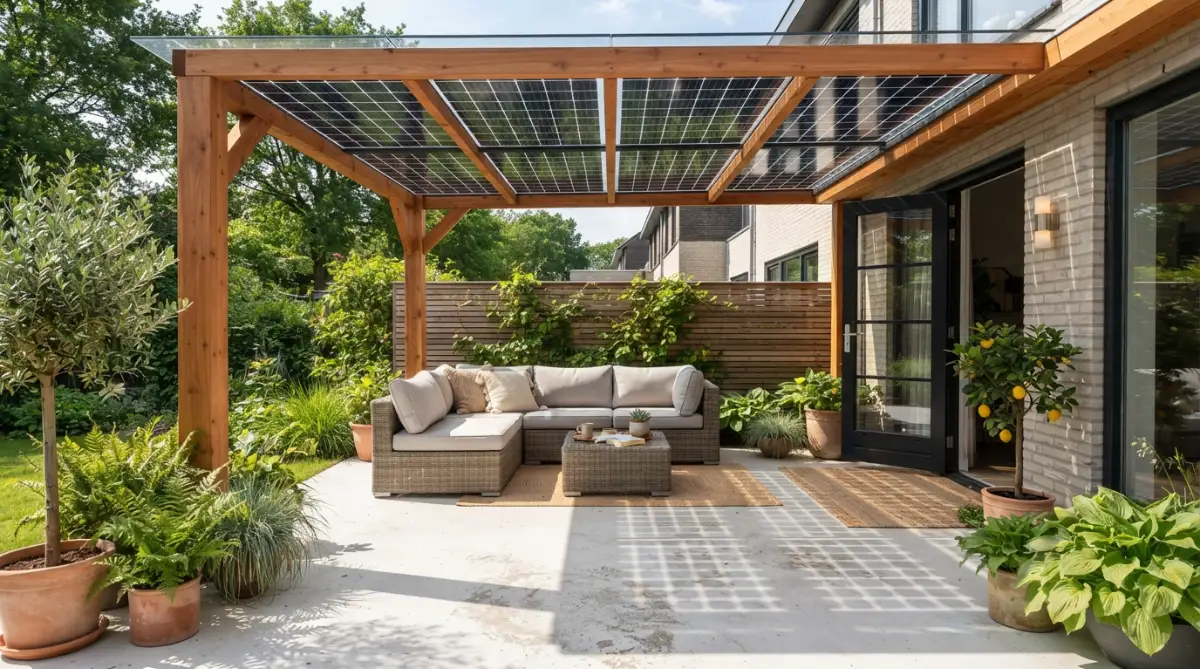
Instead of creating a solid roof that blocks all natural light, the clear gaps between the solar cells allow sunlight to pass right through. This creates an incredibly beautiful visual effect on your patio floor.
The Magic of Filtered Sunlight Underneath Your Patio
If you love sitting outside on a warm afternoon, you know how important good lighting is for your mood. Traditional roofing materials completely shut out the sky, making your patio feel small and enclosed.
Double-sided glass panels act more like a shade tree than a solid roof. They block the harsh, direct heat of the summer sun, but they let a soft, dappled light shine through.
This specific type of lighting makes outdoor wooden furniture and green plants look absolutely amazing. It gives your backyard a highly premium, architectural magazine style that your neighbors will envy.
Myth vs. Reality in Solar Design
- The Myth: Putting solar panels over your patio will make it too dark to enjoy reading or relaxing during the day.
- The Reality: Glass-on-glass bifacial panels let about ten to fifteen percent of natural light pass through, providing perfect, comfortable shade without the gloom.
Why Your Support Beams Need a Major Upgrade
While the visual benefits are amazing, you cannot just throw these glass panels onto any cheap wooden frame. A standard backyard structure is usually designed to hold up some lightweight vines or a simple canvas cover.
When you decide to build a solar roof, you are essentially putting a heavy, miniature power plant above your head. Glass-on-glass modules are significantly heavier than standard modules.
You must plan for extra weight, especially if you live in an area that gets heavy winter snow or strong winds. This means upgrading your architectural support columns to handle the physical stress.
Quick Weight Comparison Guide:
If you are planning your structural supports, keep these rough numbers in mind:
- Standard Solar Panels: Weigh about 40 to 50 lbs each (easy for standard aluminum frames).
- Bifacial Glass-on-Glass Panels: Weigh around 60 to 75 lbs each (requires heavy-duty steel brackets or thick 6x6 timber).
- Light Transmission: Standard panels block 100% of light, while glass-on-glass allows up to 15% of sunlight to pass through.
I recommend working with a structural engineer to ensure your posts and crossbeams are thick enough to carry the load safely. You might need to use thick six-by-six wooden posts instead of the standard four-by-four posts found at local hardware stores.
I learned this lesson the hard way during my own backyard project.
Pro Tip: When I built my first solar cover, I completely underestimated the weight of frameless glass panels. My contractor had to add extra steel brackets at the last minute because the wooden crossbeams started to bow slightly in the middle. Always over-engineer your support columns by at least twenty percent to avoid a structural nightmare down the road.
Clever Ways to Hide Ugly Electrical Wires
The biggest architectural challenge of a solar pergola is hiding the electrical components. Nothing ruins a beautiful outdoor space faster than black cables zip-tied to a beautiful wooden post.
To keep the aesthetic clean and modern, you need to plan your wire routing before you build the frame. If you are using aluminum posts, this process is fairly simple.
You can run the electrical cables straight down through the hollow center of the metal columns. This keeps them completely hidden from sight and protects them from rain and pests.
If you prefer the look of natural wood, the process requires a bit more craftsmanship. Your builder will need to carve a groove down the back of the wooden post.
After running the cables through a weather-proof conduit inside that groove, they can cover it up with a matching piece of trim. This makes the wiring completely invisible to anyone sitting on the patio.
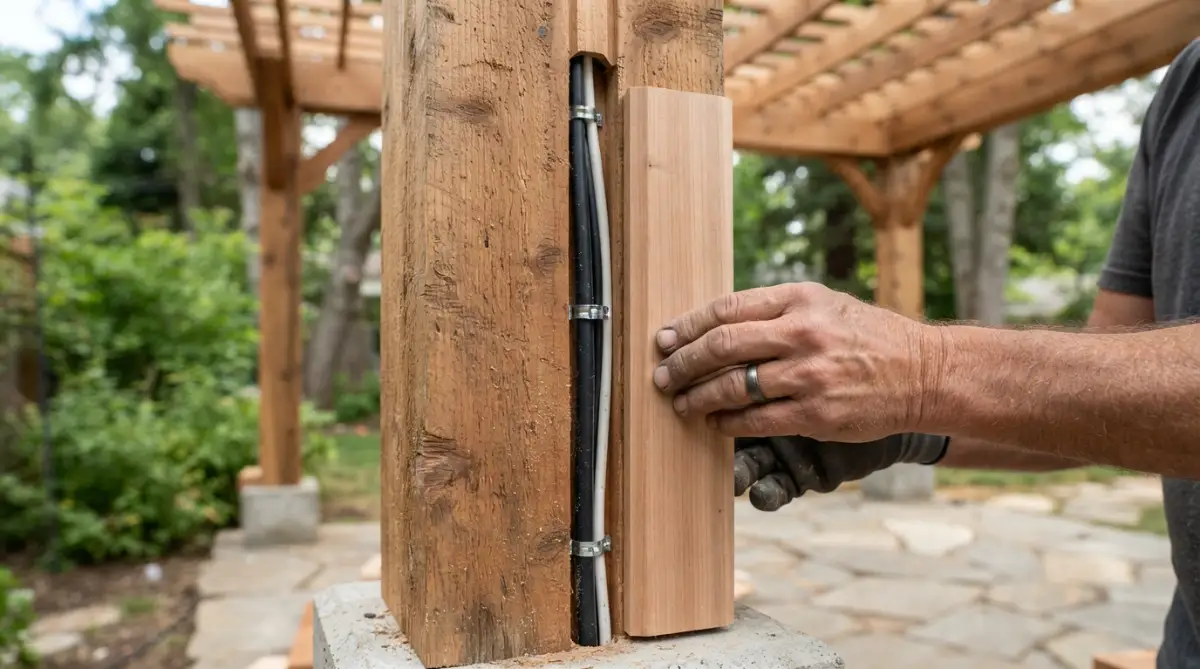
Check out this amazing visual breakdown of how professionals seamlessly blend solar tech into natural wood structures.
Watch how a professional team perfectly hides thick electrical cables inside custom cedar beams for a flawless finish.
The Science of Bouncing Light in Your Backyard
The real superpower of a bifacial panel is its ability to generate electricity from both the top and the bottom. The top side catches direct sunlight, just like any normal system on a roof.
However, the bottom side absorbs light that bounces off the ground below. In the solar industry, this reflected light is known as the albedo effect.
From an architectural standpoint, this means the design of your patio floor directly impacts how much free energy you produce. The brighter and more reflective your ground surface is, the better your system will perform.
Picking the Perfect Patio Floor to Boost Energy
If you have a dark brown wooden deck directly underneath your solar roof, it will absorb most of the sunlight. Very little light will bounce back up to the underside of the glass panels.
To get the most power out of your investment, you should think about upgrading your patio surface. Light-colored materials are your best friend here.
Great Reflective Surface Options:
- White Concrete: Poured light concrete is extremely durable and reflects a massive amount of sunlight back up to the roof.
- Light Gray Pavers: Stone pavers offer a beautiful, classic look while still being bright enough to boost energy production.
- Crushed White Stone: If you want a more natural, garden-like feel around the edges of the structure, bright gravel works perfectly.
How Much Extra Power Can Your Floor Generate?
Your floor choice directly impacts your energy output. Here is a realistic look at how much extra power you get based on the "Albedo" (reflection) of your surface:
- Dark Wood Deck: 2% to 4% extra energy.
- Red Brick Pavers: 5% to 7% extra energy.
- Light Gray Concrete: 7% to 9% extra energy.
- Crushed White Stone or Bright White Paint: Up to 12% extra energy!
By simply choosing a lighter color for your patio floor, you can increase your total electricity output by up to ten percent. This is where smart architectural planning directly puts money back into your pocket.
Weatherproofing the Gaps Between Glass Panels
A common question people have is whether a solar pergola will actually keep them dry during a rainstorm. Standard rooftop installations have large gaps between the modules, allowing rain to pour straight through.
If you want your outdoor living area to be comfortable in all types of weather, you must address water management. You cannot just leave empty spaces between the heavy glass sheets.
Many high-end architectural racking systems now come with built-in rubber gaskets. These thick rubber seals sit between the edges of the glass, creating a completely watertight roof.
When it rains, the water hits the glass and flows smoothly down the natural slope of the structure. You can enjoy a cup of coffee outside, listening to the rain, without getting a single drop on your furniture.
Dealing with Rainwater Runoff
Of course, once you create a solid waterproof surface, you have to manage where all that water goes. You do not want a waterfall pouring directly onto your walkway or flooding your beautiful garden beds.
A smart design will incorporate a hidden gutter system into the main support beams. The water rolls off the lower edge of the panels and drops into a sleek metal channel.
From there, it flows down a pipe that is painted to perfectly match your support posts. You can even direct this water into a rain barrel to water your plants during dry summer months.
Choosing the Right Frame Material for the Job
The material you choose for your structure will determine both the overall look and the long-term maintenance required. There are two main paths you can take, and each has its own distinct architectural vibe.
Let us look at a quick comparison between the two most popular options for holding heavy glass modules.
Why Natural Wood Needs Extra Care
Wood is incredibly popular because it feels warm, natural, and inviting. A massive cedar or redwood frame looks stunning in almost any backyard setting.
However, wood requires a serious commitment to upkeep. The sun and rain will slowly weather the material over time, causing it to fade, crack, or warp.
Because you have expensive, heavy glass sitting on top of this frame, structural integrity is not something you can ignore. You will need to sand and reseal the wood every few years to keep it strong and looking fresh.
If a wooden beam rots from water damage, replacing it underneath a fully wired solar roof is an extremely difficult and expensive task.
The Appeal of Sleek Aluminum Profiles
For those who want a "set it and forget it" solution, powder-coated aluminum is the ultimate choice. Metal frames offer a very clean, minimalist look that pairs perfectly with the high-tech appearance of glass solar modules.
Aluminum is surprisingly lightweight for the builder to handle, yet it provides massive structural strength. It will never rust, rot, or attract destructive bugs like termites.
Most premium metal racking systems also come with pre-designed channels for hiding wires and managing rainwater. This makes the entire building process much smoother and faster for your installation team.
Navigating Local Rules for Custom Backyard Structures
Before you buy a single piece of lumber or order your high-tech panels, you have to deal with the legal side of things. Building a permanent structure in your yard always requires permission from your city or county.
Because a solar pergola produces electricity, the permitting process is often a bit more detailed than building a regular garden shed. You are dealing with both structural building codes and electrical safety rules.
Getting Your Blueprints Approved Fast
City inspectors want to make sure your new heavy roof will not blow away in a storm and hurt someone. They also want to ensure the high-voltage wires are completely safe for your family.
The easiest way to get your permits approved quickly is to submit professional architectural drawings. These blueprints should clearly show the thickness of your posts, the depth of your concrete footings, and the exact weight of the glass panels.
When the local building department sees that you have over-engineered the safety features, they are much more likely to stamp your approval without a fuss. Doing this paperwork correctly upfront saves you from major headaches and expensive fines later on.
Pro-Level Tactics to Maximize Your Outdoor Energy Output
Once your beautiful new structure is standing in your backyard, the journey is not quite over. To get the absolute best return on your investment, you need to understand how to manage this specific type of technology.
Because we are dealing with double-sided glass, the rules of maintenance are completely different from a standard rooftop system. You are no longer just looking after the top of the panels; you have to care for the underside as well.
I want to share some incredibly dynamic strategies that professional installers use to squeeze every drop of power out of these setups. These simple adjustments can make a massive difference in your daily energy production.
Mastering the Art of Ground Reflection
As we discussed earlier, the bottom layer of your glass cells generates power by absorbing bounced light. This means whatever you put underneath your patio cover directly impacts your wallet.
If you place dark navy or black patio furniture directly under the structure, you are basically trapping that light. Dark colors absorb the sun, leaving nothing to bounce back up to your high-tech ceiling.
Try swapping out dark cushions for bright white, light gray, or soft beige fabrics. Even placing a large, light-colored outdoor rug underneath your dining table will instantly boost your system's performance.
According to research from the National Renewable Energy Laboratory, optimizing the surface albedo beneath double-sided panels can increase overall energy yields by a massive margin. It is basically free energy just for making smart interior design choices.
The Secret Power of Micro-Inverters
When you install a solar roof in your backyard, you will likely face shading issues from nearby trees or your own house. As the sun moves across the sky, shadows will slowly creep across your beautiful glass canopy.
If your contractor tries to sell you a traditional "string inverter," you need to push back immediately. With a string setup, if a shadow falls on just one single panel, the power output of the entire roof drops instantly.
Think of it like a set of cheap holiday lights where one broken bulb ruins the whole string. Instead, you absolutely must request micro-inverters for your outdoor build.
These tiny devices attach to the bottom of every individual glass sheet. If a tree branch casts a shadow on the left corner of your patio, only that specific panel slows down, while the rest keep pumping at maximum capacity.
Protecting Your Tech During the Build Phase
Managing an outdoor construction project can easily turn into a chaotic mess. You have city inspectors, electricians, and carpenters all trying to coordinate their schedules.
Keeping the Glass Crystal Clear
The biggest appeal of this design is the beautiful, transparent aesthetic. However, if you let dust, pollen, and bird droppings build up, that beautiful glass quickly turns into an ugly, cloudy mess.
You need a regular cleaning routine to keep the natural light flowing and the electricity pumping. Never use harsh chemical glass cleaners, as they can permanently damage the protective anti-reflective coating on the cells.
Instead, use a simple mixture of warm water and a tiny drop of mild dish soap. Use a very soft, non-abrasive sponge attached to a long extension pole to gently wash the underside of the canopy.
For the best professional safety guidelines on washing electrical components, you can always check the consumer guides provided by the Department of Energy. They offer fantastic advice on maintaining your equipment safely.
The Heartbreaking Pitfalls of Outdoor Solar Builds
Building a custom structure in your backyard is incredibly exciting, but it is also a magnet for expensive disasters if you are not careful. I have seen homeowners make simple mistakes that forced them to tear down their entire project.
The emotional toll of watching a city inspector hand you a red "Stop Work" order is absolutely devastating. You lose thousands of dollars in materials, and your backyard sits looking like a messy construction zone for months.
To protect your home and your bank account, you must avoid these incredibly common pitfalls. Let us break down exactly what goes wrong when people rush into this process without a solid plan.
Underestimating Extreme Wind Forces
When you build a standard slatted wooden cover, the wind simply blows right through the open gaps. But the moment you top that structure with solid, heavy glass, you create a giant sail in your backyard.
During a heavy summer storm, the wind will get trapped underneath your patio and push upward with terrifying force. This upward pressure is known as wind uplift, and it is the number one reason backyard structures collapse.
If you use cheap, thin metal brackets to hold your wooden beams together, the wind will literally rip the roof right off its posts. You must use heavy-duty, galvanized steel hurricane ties on every single connection point.
Consulting a structural engineer is not just a polite suggestion; it is an absolute necessity. You can review standard wind load safety requirements through resources like the American Society of Civil Engineers to understand just how powerful wind uplift can be.
Expecting Too Much Power from a Small Space
One of the most painful realizations for new owners is misunderstanding how much electricity their new structure will actually produce. A beautiful ten-by-ten backyard cover is amazing, but it is not a magic fix for everything.
Many people mistakenly believe this small space will generate enough energy to run their central air conditioning and all their home appliances. When their first electric bill arrives, they feel completely cheated.
You have to manage your expectations and do the real math before you start building. If you want to see the massive difference in scale, look into how to calculate the roof square footage needed to power a 4 bedroom house.
You will quickly realize that an outdoor seating area is a fantastic supplemental power source, but it will never replace a massive rooftop system. Use this structure to offset smaller bills, like running your pool pump or charging an electric vehicle.
For more realistic guides on upgrading your living space with smart tech, you can always explore reliable home improvement hubs like global24info.com.
Ignoring the Silent Threat of Growing Trees
When you map out your design in the middle of winter, your backyard might look completely free of shadows. The sun is shining directly onto your chosen building spot, and everything feels perfect.
But people completely forget that trees are living things that grow larger every single season. That tiny oak sapling near your fence might look harmless today, but in a few years, it will cast a massive shadow over your expensive glass.
Before you pour a single concrete footing, look straight up and examine the tree canopy. You need to predict where those branches will be five years from now, not just where they are today.
If you build too close to a rapidly growing tree line, you will find yourself paying a tree service thousands of dollars just to keep your energy production alive.
Falling for Shady Installation Scams
Because this specific type of outdoor design is becoming wildly popular, many shady contractors are jumping on the trend. They promise a fast, cheap build, but they have zero experience working with high-voltage electrical systems.
A standard carpenter knows how to build a beautiful wooden frame, but they usually have no idea how to properly route waterproof solar cables. If they pinch a wire or leave connections exposed to the rain, it becomes a severe fire hazard.
Always ask to see a physical portfolio of their previous outdoor living builds, not just standard roof jobs. If you feel pressured into signing a quick contract, walk away immediately.
You can protect yourself by researching common aggressive sales tactics through consumer protection agencies like the Federal Trade Commission. Never hand over a massive down payment without verifying a contractor's specific electrical licenses.
The Disaster of Poor Water Drainage
We talked earlier about making the roof completely waterproof by using rubber gaskets between the glass modules. This is a brilliant idea to keep your furniture dry, but it creates a brand new problem.
All that rainwater has to go somewhere. If you just let it pour off the edge of the glass, it will hit the dirt below and splash mud all over your beautiful new posts.
Worse, if the structure is built too close to your house, that runoff water will pool right against your foundation. Over time, this water pooling will cause your basement to flood and your concrete to crack.
You must plan an exact route for the water to escape. Burying a simple drainage pipe under your lawn to carry the water away from your home is a cheap and incredibly effective fix.
Your Blueprint for a Beautiful Outdoor Oasis
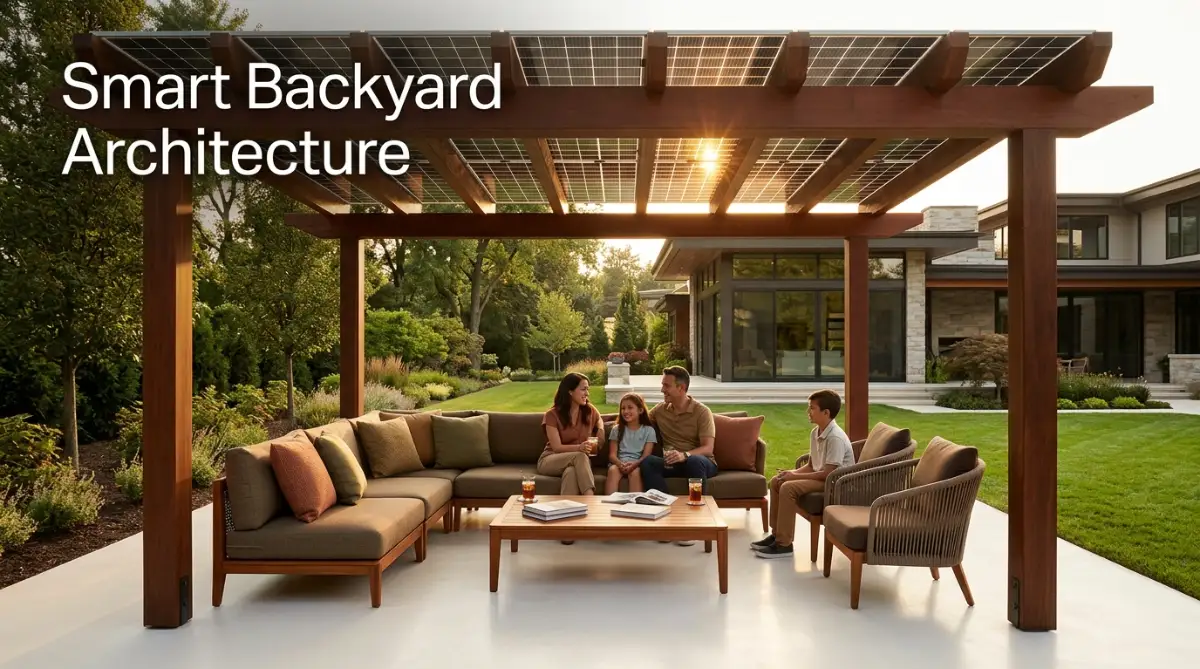
Transforming your basic backyard into a high-tech, energy-producing sanctuary is one of the most rewarding projects you can ever take on. You no longer have to choose between saving the planet and maintaining a gorgeous home aesthetic.
By utilizing the incredible power of transparent, double-sided glass, you create a space that feels bright, airy, and wonderfully modern. You get to enjoy the gentle, filtered sunlight while your heavy-duty structural frame works hard to lower your monthly bills.
The key to absolute success is simple, careful planning. Focus heavily on upgrading your structural supports, mapping out your electrical lines, and choosing a bright patio floor to bounce that light back upward.
If you take the time to pull the right permits and hire a specialized team, you will never have to worry about the structural integrity of your investment. You are building something that will easily last for decades.
Every time you sit outside under your new canopy, you will feel an incredible sense of pride. I absolutely love looking up through my glowing glass roof, knowing my home is working beautifully and efficiently. You deserve that exact same feeling of total peace and energy independence.
Common Questions About Smart Solar Patios
Do double-sided glass panels weigh more than regular ones?
Yes, they are significantly heavier. Because they use two thick layers of tempered glass instead of a thin plastic backsheet, they add a lot of extra weight to your structural beams. You must upgrade your support columns to handle this heavy load safely.
Can these transparent glass roofs survive a heavy hail storm?
Absolutely, they are incredibly tough. The tempered safety glass used in these modules is rigorously tested to withstand high-speed impacts from large hail and flying debris. They are basically built to the same tough standards as a car windshield.
Will the space underneath the patio get way too hot in the summer?
Not at all. The panels actually absorb the intense solar heat to create electricity, leaving the space directly underneath feeling cool and comfortable. They provide fantastic, highly breathable shade while still letting a beautiful soft light shine through.
Do I really need to wash the bottom of the structure?
Yes, you should clean it gently a few times a season. Dust and spider webs will naturally stick to the bottom glass, which slowly blocks the bouncing light and lowers your power output. A quick wipe with a soft, soapy sponge keeps everything looking amazing and running perfectly.
Can my local Homeowner's Association block me from building this?
They might try, but many states have strict laws that actually prevent HOAs from banning renewable energy projects. Because a modern glass canopy looks incredibly stylish and sleek, most neighborhood boards are very happy to approve the design once they see the professional blueprints.
Disclaimer: The information provided in this article is for general educational and informational purposes only. Building custom outdoor structures involves significant electrical and structural risks. Always consult with licensed structural engineers, certified electricians, and your local building permit office before beginning any construction project to ensure total compliance with safety codes.