
Why Understanding AI Felt Like Learning an Alien Language to Me
Have you ever stared at an article about AI and felt like you were reading alien gibberish? Trust me, you are not alone. When everyone started throwing around massive words like 'neural networks' and 'tokenization,' my brain completely shut down. Let's drop the heavy dictionary and figure out how this stuff actually works—in plain, everyday English.
I felt completely lost and utterly overwhelmed. It seemed like everyone around me had secretly attended a special school to understand this stuff, while I was left holding a dictionary. I honestly started to believe that I was just not smart enough to grasp how this technology worked.
My confidence took a massive hit. I found myself avoiding conversations about tech at social gatherings just so I would not look foolish.
This is the hidden struggle so many of us are facing right now. You are constantly hearing about smart chatbots and digital assistants, but nobody actually takes the time to explain them in plain English.
That is exactly why I decided to write this guide. I spent months breaking my own head against these complex concepts so you do not have to.
Today, we are going to strip away all the confusing jargon. We will figure out exactly what is going on inside the digital brains of these large language models.
What You Will Learn Today:
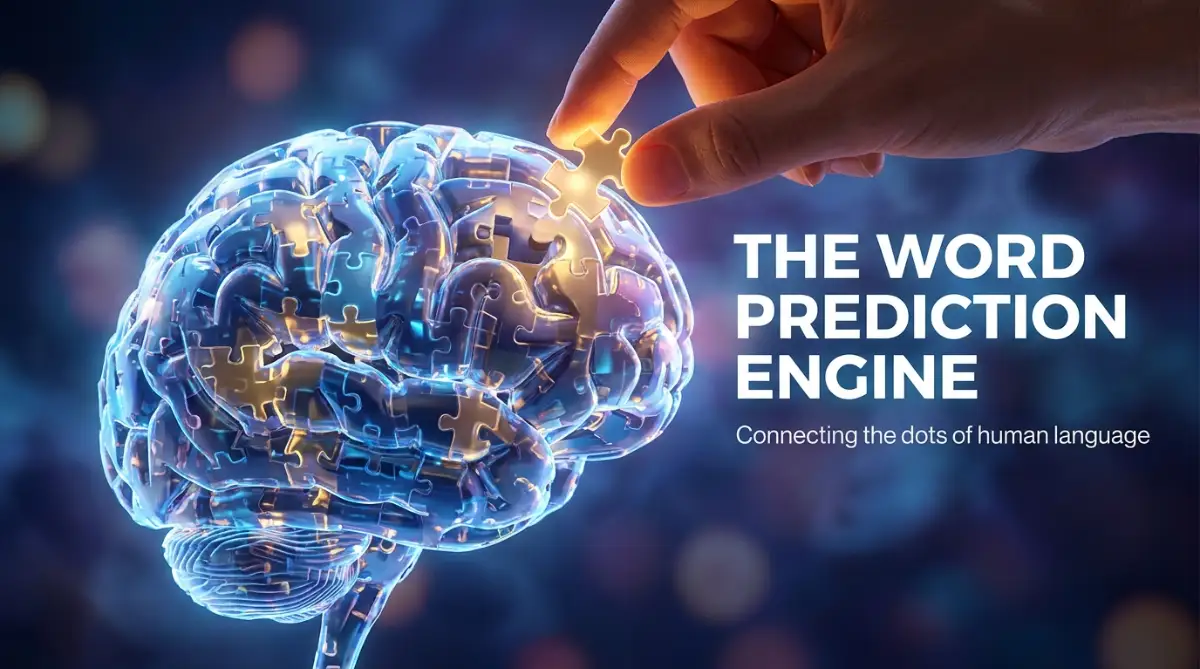
- AI models don't actually "think"—they are just extremely fast word-guessers.
- They break human words down into tiny number pieces called "tokens".
- You can control their output entirely just by giving them a specific role (like "Act as a chef").
- Why you must always double-check their facts, because they love to confidently make things up.
Stripping Away the Jargon: What Exactly is a Large Language Model?
Let us start from square one. A Large Language Model, often just called an LLM, is basically a computer program that has read a ridiculous amount of text.
Imagine taking a person, locking them in a giant library, and making them read every single book, article, and website in existence. Over time, that person would start to notice patterns in how words fit together.
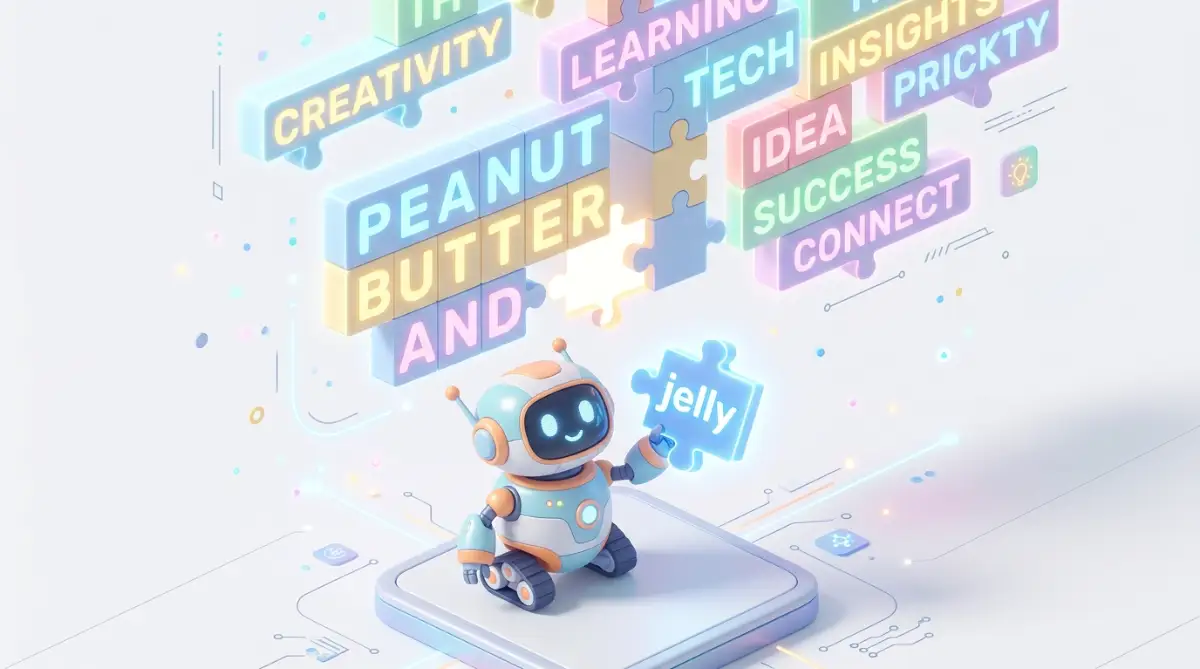
They would know that if someone says "peanut butter and...", the next word is almost always "jelly." This is exactly what these smart computer programs do. They do not have feelings, and they do not have a conscious mind.
They are simply the world’s greatest pattern guessers. By reading massive amounts of human writing, they learned the rules of our language.
The Magic of Predicting the Next Word
Have you ever used the autocomplete feature on your smartphone keyboard? You type "I am going to the", and your phone suggests "store" or "park".
An LLM is essentially that exact same autocomplete feature, but on massive, unbelievable steroids. Instead of just guessing the next single word based on your recent texts, it guesses the next word based on the entire internet.
When you ask a smart chatbot a question, it does not actually "think" about the answer the way a human does. It just looks at the words you typed and uses heavy math to calculate which word should logically come next.
It generates its answer one single word at a time. It happens so fast that it looks like it is having a real conversation with you.
Myth vs Reality: Does AI Actually Have a Mind of Its Own?
There is a huge misconception that these digital systems have a secret inner life. When a chatbot gives you a highly emotional or creative response, it is easy to get spooked.
Myth: The machine understands my feelings and is thinking about my problems.
Reality: The machine has analyzed millions of emotional conversations online and knows exactly what a comforting response looks like.
It is playing a highly advanced game of connect-the-dots with words. It mimics human empathy perfectly, but there is nobody home inside the computer.
Understanding this simple fact takes away a lot of the fear surrounding this technology. It is just a highly advanced tool, much like a calculator, but for words instead of numbers.
Ever wondered how to actually talk to these systems properly to get the best results? Watch this quick breakdown below before we move on to how they are built.
How These Systems Actually Learn (The Training Process)
So, how exactly does a computer go from a blank slate to a genius text generator? The secret lies in a process called "training".
During the training phase, developers feed the computer mountains of text data. We are talking about thousands of Wikipedia articles, classic books, public forums, and news websites.
The machine looks at a sentence, hides the last word from itself, and tries to guess what that hidden word is. If it guesses wrong, it adjusts its internal math slightly.
If it guesses right, it strengthens that specific connection. It repeats this guessing game billions of times over several months.
I used to think that when I asked a chatbot a question, it was actively searching Google to find my answer. My realization: I was completely wrong. These models actually answer from their "memory" of patterns they learned during training, which is why they sometimes get things mixed up. I learned the hard way that you always need to double-check their facts!
Breaking Down Tokens: The Alphabet of AI
Here is a fun fact that most people do not know. These models do not actually read words the way we do.
Instead, they chop words up into smaller pieces called "tokens". Think of tokens like syllables or small chunks of a word.
For example, the word "hamburger" might be chopped into "ham", "bur", and "ger". Short words like "cat" might just be one single token.
Why do they do this? Because it is much easier for a computer to process numbers than letters.
Each token is assigned a specific number. When the machine is reading your prompt, it is actually just crunching a long string of numbers.
The Hidden Engine: Neural Networks Explained Simply
You will often hear tech experts talk about "neural networks". The name sounds incredibly intimidating, but the concept is quite simple.
A neural network is a mathematical system designed to mimic the way human brain cells connect to each other. Imagine a massive spider web made of millions of tiny glowing dots.
When you ask a question, the data enters one side of the web. It travels through the different dots, picking up context and meaning along the way.
By the time the data reaches the other side of the web, the system has calculated the perfect answer. This web of connections allows the machine to understand complex things like sarcasm or tone.
Traditional Software vs AI Thinking
To really grasp how different this is, let us look at a quick comparison between normal computer programs and these new language models.
Why AI Sometimes Makes Things Up (The Hallucination Problem)
Sometimes, you will ask one of these systems a question, and it will give you an answer that is completely, confidently wrong. In the tech world, this is called a "hallucination".
This happens because the machine does not actually know what is true and what is false. It only knows what words sound good together.
If it lacks the correct information, its primary goal is still to finish the sentence. So, it simply invents a fact that sounds highly believable based on its learned patterns.
This is why you can never trust a language model blindly for important legal, medical, or factual research. Always remember that it is a word-guesser, not a truth-telling machine.
Understanding "Parameters": The Brain Cells of AI
When companies release a new model, they always brag about how many "parameters" it has. You might hear them say, "Our new system has 70 billion parameters!"
You can think of parameters as the dials and knobs on a massive soundboard. Every time the machine learns a new pattern, it adjusts a dial.
The more dials (parameters) a model has, the more complex patterns it can remember. A model with 7 billion parameters might be good at basic chatting and summarizing.
A model with 100 billion parameters can write poetry, code software, and pass medical exams. However, more parameters also mean the system requires massive amounts of electricity and highly expensive computers to run.
Parameter Sizes Explained Simply:
- Small Models (7B to 8B Parameters): Great for running directly on your phone or laptop offline. Perfect for quick summaries, basic chat, or fixing typos.
- Giant Models (70B+ Parameters): The massive internet-connected brains. These are the ones that can code complex software, write poetry, and pass the bar exam.
Fine-Tuning: Sending the Machine to Finishing School
After the initial training phase, the model is very smart, but it is also very wild. It might ramble endlessly, use bad words, or refuse to answer questions.
To fix this, developers use a process called "fine-tuning". Think of this as sending a wild genius to etiquette school.
During this phase, human workers interact with the machine and grade its answers. If the machine gives a polite, helpful response, the humans give it a high score.
If it gives a weird or harmful response, it gets a low score. The machine quickly learns that being helpful, safe, and conversational is the best way to get a good score.
This is exactly how raw, chaotic text predictors are turned into the friendly, polite digital assistants we use on our phones.
Real-World Scenarios: How You Already Use This Tech
You might think that this technology is only for programmers or tech nerds. The truth is, you are probably already interacting with large language models every single day.
When you are writing an email and the program suggests the rest of your sentence, that is a language model at work. When you use an advanced grammar checker that rewrites your clumsy sentences, it is using the same technology.
Even modern customer service chatbots on shopping websites use this technology to understand your complaints. It is quietly running in the background, making our digital lives just a little bit smoother.
The Art of the Prompt (How to Talk to Machines)
Now that you know how the system thinks, you need to know how to talk to it. The instructions you type into the chat box are called "prompts".
Because the machine is guessing words based on context, you need to provide a lot of context. If you just type "Write an email about a meeting", you will get a boring, generic response.
Instead, you need to set the scene for the pattern guesser. Try typing something like, "Act like a friendly manager. Write a short, encouraging email to my team about our meeting on Friday at 2 PM."
By giving the system a role, a tone, and specific details, you narrow down its guessing options. It instantly knows exactly which patterns to pull from its massive memory bank.
The Cost of Running the Digital Brain
We rarely think about the physical cost of our digital interactions. Every time you ask a complex question, massive servers in a distant warehouse have to crunch billions of numbers.
These servers run incredibly hot and require massive amounts of water and electricity to stay cool. The computing power required just to generate one detailed paragraph is genuinely staggering.
This is why companies charge subscription fees for their most advanced systems. Keeping the digital brain awake and thinking is an incredibly expensive operation.
Why Smaller Models Are Becoming Popular
Bigger is not always better when it comes to technology. Running massive models on giant servers is expensive and slow.
Recently, developers have started creating smaller, highly focused language models. Instead of reading the entire internet, these smaller systems only read books about specific topics.
You can have a small model trained exclusively on medical texts, or one trained only on legal documents. Because they are smaller, they can run directly on your smartphone without needing an internet connection.
This means your private data stays on your phone, and the responses are lightning-fast. The future of this technology might not just be giant brains in the cloud, but tiny, specialized brains in our pockets.
Embracing the Future Without Fear
Learning about this technology can feel like drinking from a firehose. There is so much information, and it changes almost every single week.
However, you do not need a computer science degree to use these tools effectively. You just need to remember that they are highly advanced pattern-matching machines.
They are here to assist you, to help you brainstorm, and to speed up your daily tasks. Treat them like an eager intern who has read a lot of books but still needs your guidance and fact-checking.
By understanding the basic mechanics, you have already taken a huge step forward. You are no longer standing in the dark, confused by the alien language of tech experts.
Mastering the Machine: Pro-Level Strategies to Get Better Answers
Once you understand that these digital brains are just highly advanced word predictors, your entire approach changes. You stop treating them like magic eight balls and start treating them like very literal, slightly stubborn interns.
Most people open a chat window, type a quick question, and get disappointed by the boring, generic response. They assume the technology is just overhyped and give up.
If you want to get genuinely amazing results, you have to guide the machine. You need to give it a solid framework so it knows exactly which word patterns to pull from its massive memory bank.
The "Act As" Framework for Instant Expertise
One of the most powerful ways to get high-quality answers is to assign the system a specific role. Before you even ask your question, tell the machine exactly who it is supposed to be.
If you want workout advice, do not just say, "give me a workout." Instead, try typing, "Act as an experienced Olympic fitness coach speaking to a complete beginner."
By doing this, you instantly filter out millions of unrelated word patterns. The machine immediately shifts its tone, vocabulary, and structure to match that specific persona.
This simple trick works for almost anything. You can ask it to act like a grumpy chef, a patient kindergarten teacher, or a strict financial advisor.
Understanding the "Context Window" (The Goldfish Memory)
Here is a secret that completely changed how I use these tools. Every single language model has a built-in memory limit, often called a context window.
Think of this context window as a medium-sized bucket. Every time you type a word, and every time the machine replies, you are dropping a little bit of water into that bucket.
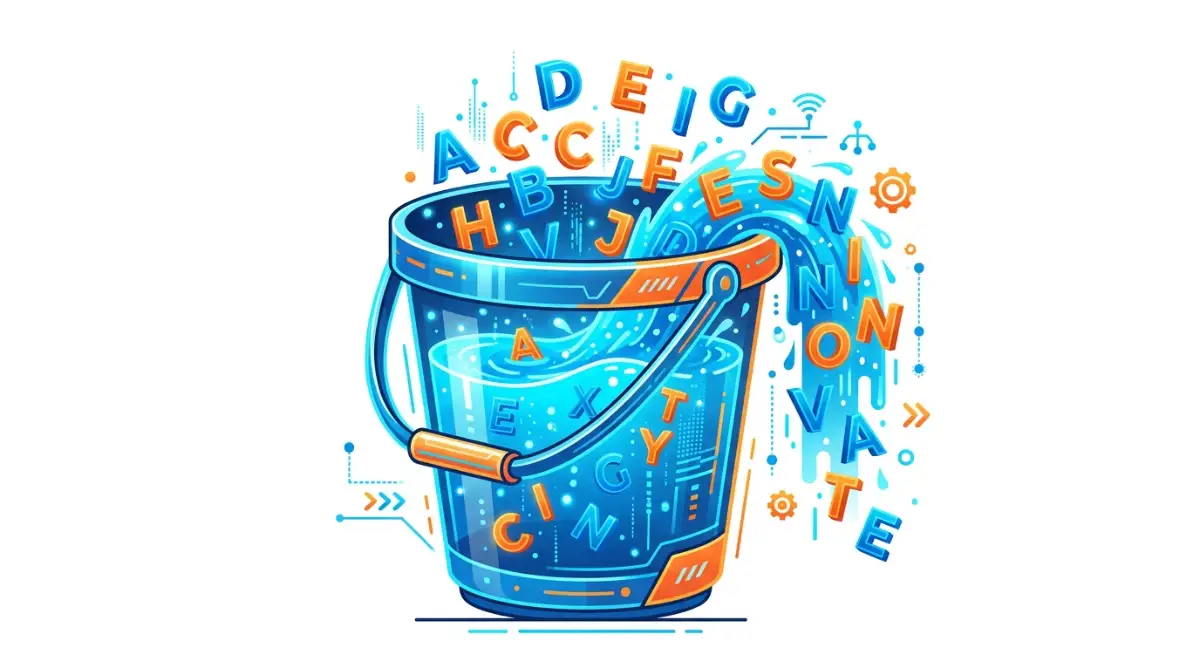
Eventually, the bucket is going to fill up. When it overflows, the machine starts "forgetting" the very first things you talked about in that specific conversation.
If you are having a really long chat and the system suddenly gets confused, it has simply run out of memory space. The best way to fix this is to start a brand-new chat window for every new topic you want to discuss.
The Magic of Giving Real Examples
Language models learn entirely by looking at patterns. If you want a very specific type of output, the smartest thing you can do is show it a pattern directly.
Let us say you want the system to write a professional email reply to an angry customer. You could just ask it to write the email, but the tone might be completely wrong for your brand.
Instead, paste two or three examples of old emails you have written in the past. Tell the machine, "Look at my previous emails and write a new response using my exact same tone."
Quick Prompt Makeover:
- Bad Prompt: "Write an email to a frustrated customer." (This gives you a robotic, boring apology).
- Good Prompt: "Act as a friendly customer support agent. Write a short email to a customer whose package is delayed. Keep the tone warm, empathetic, and use my writing style based on the examples I just pasted."
- See the difference? You gave it a role, a clear task, and a boundary.
It will instantly analyze your personal writing style and mimic it perfectly. If you often find yourself frustrated by generic outputs, you might want to look into why your prompt engineering fails and how to fix it easily to refine your daily approach.
Asking the AI to Show Its Work
Because these tools are essentially guessing words, they can easily jump to the wrong conclusion if you ask a complex question. You can force them to be more accurate by slowing them down.
When you ask a difficult problem, add the phrase "Think about this step by step" at the end of your prompt. This forces the system to generate text explaining its logic before it gives you the final answer.
By generating the explanation first, it literally creates a better path of context for itself to follow. It leads to highly accurate answers and drastically reduces the chances of the machine making a silly mistake.
You can find similar principles of logic and machine reasoning deeply documented by the experts at the Stanford Institute for Human-Centered Artificial Intelligence, who constantly study how these tools process complex commands.

The Hidden Traps: Where Things Go Horribly Wrong
Even though these tools are incredibly smart, relying on them completely can lead to absolute disaster. I have seen brilliant people make highly embarrassing mistakes simply because they trusted the machine too much.
The biggest danger is that these systems sound incredibly confident even when they are completely wrong. They will feed you a made-up fact with such authority that you will never even think to question it.
If you do not know the pitfalls of this technology, you are walking through a minefield blindfolded. Let us look at the most dangerous mistakes you absolutely must avoid.
Trusting the Machine with Your Health or Legal Troubles
This is the most terrifying mistake people make today. You have a weird pain in your stomach, or you need to break a lease agreement, so you ask a chatbot for advice.
The machine will happily give you a highly detailed medical diagnosis or draft a complicated legal document. The problem? It might be entirely fabricated nonsense.
These models do not have medical degrees, and they cannot practice law. If you follow their advice blindly, you could end up seriously injuring yourself or facing massive legal trouble.
According to research from organizations like the National Institutes of Health, these language models frequently invent medical references that look real but do not actually exist. Always consult a real human professional for serious life issues.
Handing Over Your Private and Sensitive Data
Most people treat chat boxes like private diaries, pouring their company secrets and personal struggles into the text field. They completely forget that they are sending this data to a massive tech company.
Unless you are paying for a secure, enterprise-level version of the software, everything you type might be used to train future versions of the system. Imagine typing your company's secret financial spreadsheet into a prompt, only for it to be leaked to your competitors later.
You should never share passwords, sensitive business plans, or private medical details with a public AI tool. If you are exploring creative tools as well, you must be aware of the hidden privacy risks of using free online AI image generators and text platforms.
The Embarrassment of Copying and Pasting Raw Text
We have all seen it happen on social media or in work emails. Someone posts a long, robotic-sounding message that clearly starts with "As an AI language model..."
When you copy and paste raw text generated by a machine without editing it, you damage your personal reputation. People can easily tell when something lacks a human touch, and it makes you look lazy or disconnected.
The smartest professionals use these systems to brainstorm ideas and create rough drafts. The top business leaders frequently discussed in publications like the Harvard Business Review recommend using the technology as a co-pilot, not an autopilot.
Always take the time to rewrite the output in your own voice. Add your personal experiences, remove the robotic adjectives, and make the text genuinely yours.
Treating the System Like a Traditional Search Engine
A lot of people open a smart chatbot and type "What is the best restaurant near me?" just like they would on Google. This is a fundamental misunderstanding of how the technology works.
Search engines pull live information directly from the internet based on current data. Traditional language models generate text based on their past training data, meaning their information might be months out of date.
While some modern systems are now connected to the web, they are still prone to hallucinating facts. Use Google when you need accurate, real-time facts or locations.
Use language models when you need to summarize long documents, brainstorm creative ideas, or rewrite messy paragraphs. Knowing which tool to use for the right job will save you endless frustration.
Moving Forward With Confidence in a Digital World
Learning how to navigate this new technology is like learning how to ride a bicycle. It feels incredibly wobbly and intimidating at first, but once you catch your balance, it becomes entirely natural.
You now understand that there is no magic ghost inside your computer. You are simply dealing with a highly impressive, math-driven engine that predicts language patterns.
By knowing how these models learn, train, and occasionally hallucinate, you are already ahead of most people on the internet. You do not need to be afraid of falling behind anymore, because you hold the fundamental blueprint of how it all works.
Your Simple Action Plan for Tomorrow
Do not let all this new knowledge just sit in your brain gathering dust. The best way to truly understand these concepts is to get your hands dirty and experiment.
Tomorrow morning, open up a free language model and try out the "Act As" framework we talked about. Ask it to explain a complex topic, like quantum physics, as if you were a five-year-old child.
Watch how it changes its vocabulary and sentence structure to meet your strict demands. If it makes a mistake, try correcting it in the chat to see how it adjusts its next response.
Keep exploring our rich technology insights over at our main technology hub whenever you want to expand your digital skills.
I honestly used to be terrified of clicking the wrong button and messing something up with these AI tools. My biggest realization: You literally cannot break them; the more you play around and make mistakes, the faster you will master them! I highly encourage you to start typing away today without any fear.
Common Questions About Digital Brains
Are these smart systems eventually going to steal my job?
The technology is certainly changing how we work, but it is unlikely to replace creative and emotional human roles entirely. Think of it as a highly efficient tool that takes away the boring, repetitive parts of your day. The people who might struggle are those who refuse to learn how to use these new tools effectively.
Can large language models actually feel emotions or have opinions?
No, they absolutely cannot feel anything at all. They only mimic emotions because they have read millions of emotional human conversations during their training phase. When a chatbot says it is happy to help you, it is simply generating the most logical response to your polite greeting.
Why does the system sometimes completely forget what we were just talking about?
Every system has a specific "context window", which is basically a short-term memory limit. If your conversation gets too long, the system runs out of memory space and drops the oldest information to make room for new text. When this happens, it is best to just start a fresh new chat window.
Do I need to learn difficult computer programming to use these models?
Not at all. The beauty of these modern systems is that they are controlled entirely by everyday human language. If you know how to write a clear, descriptive text message to a friend, you already have all the skills needed to use them.
Is it completely safe to upload my work documents for the machine to summarize?
You should be extremely careful about uploading private information to free online models. Many free platforms use the data you type in to train their future systems, meaning your private data could be exposed. Always read the privacy policy, and never upload sensitive business or personal health documents.
Disclaimer: The information provided in this article is for educational and informational purposes only and does not constitute professional technical, legal, or medical advice. Artificial intelligence tools are constantly updating, and their outputs can sometimes be inaccurate or biased. Always verify important facts through trusted human professionals or authoritative sources before making real-life decisions based on AI-generated content. We are not responsible for any outcomes resulting from the use of third-party AI platforms mentioned in this guide.