The Day My Personal Home Address Became Public Property
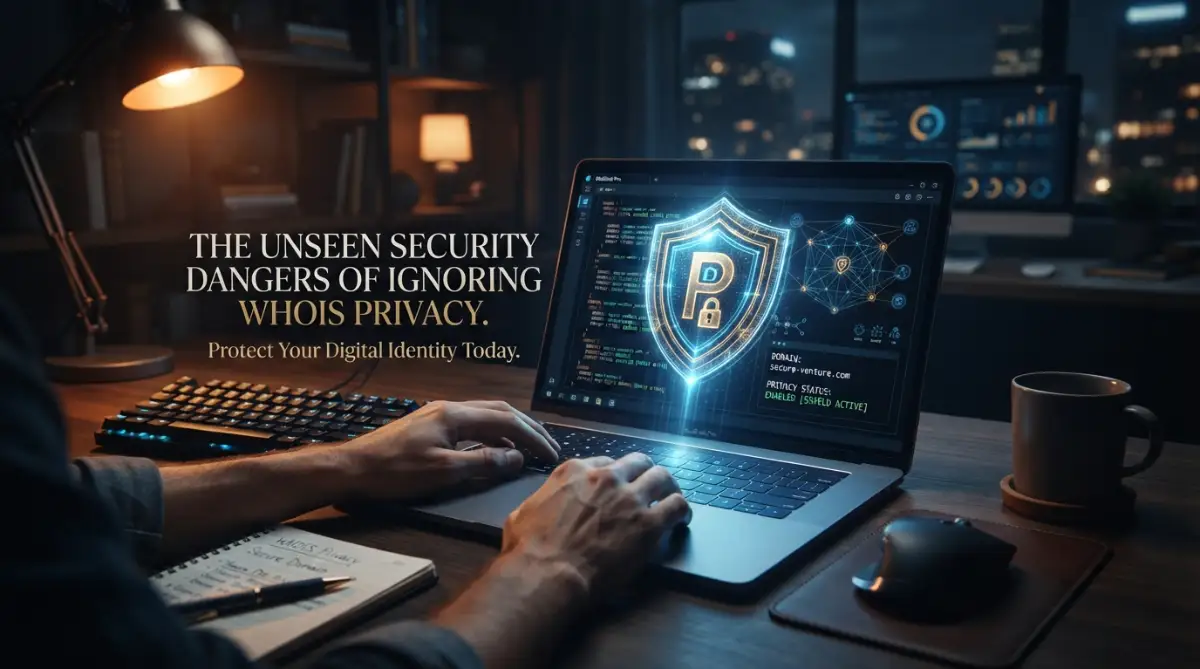
You just bought your first website name, and you are feeling great. But within hours, your phone is ringing off the hook with weird spam calls, and your inbox is full of junk. Sound familiar? I made this exact mistake when I started, completely ignoring the 'domain privacy' checkbox because I thought it was just a sneaky upsell. Let me show you how skipping that tiny box legally exposes your home address to the entire internet, and exactly how you can fix it right now before things get worse.
I did not realize that I was handing over my exact home address, personal cell phone number, and private email to the entire internet. Within just three hours of purchasing the domain, my phone started ringing relentlessly with strange international numbers. I answered the first few calls, genuinely believing they were potential clients finding my new business online. Instead, I heard aggressive salespeople demanding I buy their web design services and SEO packages.
By the end of the first week, my personal email inbox was buried under hundreds of spam messages and shady investment offers. The worst part was realizing that anyone with an internet connection could look up exactly where I slept at night. I felt incredibly vulnerable, and my initial excitement about starting a website quickly turned into a heavy, sinking feeling of regret.
This is the harsh reality that thousands of new website owners face every single day. When you register a web address, global internet rules require your contact details to be stored in a public database. If you do not actively hide this information, you are basically standing in a crowded town square shouting your personal details through a megaphone.

Every day, innocent people face severe disruption to their mental peace simply because they wanted to start a blog or a small business. Your phone buzzes during family dinners with fake urgent alerts from scammers. Your inbox gets clogged with highly targeted phishing emails trying to steal your banking passwords.
The stress of knowing your physical home address is freely available online can keep you awake at night. We all deserve the right to build an online presence without sacrificing our personal safety and daily peace of mind.

Quick Action Summary:
- The Problem: Buying a website publicly lists your home address and phone number for anyone to see.
- The Threat: Scammers use bots to scrape this data in seconds, leading to endless spam and phishing attacks.
- The Fix: Turning on a "Privacy Proxy" masks your real data with a third-party company address.
- The Rule: Never use fake details to hide your identity; your website can get permanently suspended.
How the Public Directory Actually Works Against You
To truly understand how to protect yourself, we first need to look at the mechanics of domain registration. There is a global organization that manages how web addresses work, and they maintain a massive public directory. Think of this directory like an old-school telephone book, but it is accessible to anyone in the world with just one click.
Whenever you buy a new domain, your registrar is legally required to send your name, address, phone number, and email to this directory. Historically, this was meant to help people contact website owners for legitimate technical reasons. Today, however, that same directory has become a massive goldmine for bad actors, automated bots, and aggressive marketing agencies.
Within seconds of your new web address going live, automated software scripts scrape your freshly published data. These scripts are designed to collect thousands of emails and phone numbers every minute. They instantly sell your profile to lists on the dark web or to aggressive telemarketing firms.
This means your data is compromised before you even have the chance to install your first website theme. You might think that having a small, unknown website keeps you safe from these threats. The truth is, these automated bots do not care how popular your website is; they only care that a new batch of personal data has just been served to them on a silver platter.
The 24-Hour Timeline of Exposed Data:
- Minute 1: You finish paying for your domain.
- Minute 5: Global WHOIS scrapers copy your full name, phone number, and physical address.
- Hour 2: Your details are automatically sorted into lists and sold on the dark web or to marketing agencies for pennies.
- Hour 24: The first wave of automated emails and robotic phone calls hit your devices.
- Once your data gets on these lists, you cannot simply press a button to erase it. It stays in their offline spreadsheets forever.
The Mechanics of Automated Data Scraping
Let us break down exactly how your information travels from a secure checkout page to a scammer’s spreadsheet. When you check out, your registrar updates the global directory almost instantly. Scammers run specialized software programs called "WHOIS scrapers" that monitor this directory 24 hours a day.
As soon as a new domain pops up, the scraper copies your personal details and categorizes them. If you registered a business-sounding domain, you get tagged for expensive software scams. If you registered a personal blog, you might get targeted with identity theft attempts.
These lists of exposed website owners are then sold in bulk to call centers and hackers around the world. You are completely unaware of this invisible transaction happening behind the scenes. All you notice is the sudden, confusing spike in spam calls offering to build a website you have not even launched yet.
A Practical Look: Public Data vs Protected Data
Sometimes, seeing the difference side-by-side is the best way to understand the threat. Let us look at what a scraper sees when they search for your domain online.
As you can see, using a privacy service completely masks your real identity. The proxy email address automatically filters out spam and forwards only legitimate inquiries to your real inbox. Your actual physical location remains completely hidden from the public eye.

Defending Against Targeted Phishing Campaigns
One of the most dangerous side effects of exposed domain data is something called spear-phishing. Regular spam is annoying, but spear-phishing is highly targeted and incredibly dangerous. Because the scammers know exactly what domain you just bought, they craft emails that look incredibly authentic.
You might receive an email claiming to be from your domain registrar, warning you that your account will be suspended. The email will use your full name, mention your exact domain, and include a link to a fake login page. Because the details match perfectly, many smart people panic and enter their passwords.
Once the hackers have your login credentials, they can steal your domain, transfer it away, or use it to host malicious software. By keeping your information private from day one, you strip these hackers of the contextual data they need to trick you. They cannot send you a convincing email if they do not know who you are or what service you use.
Watch This Expert Explanation Before Making Your Next Move
If you are still wondering exactly how hackers manipulate public domain records to steal your identity, take two minutes to watch this clear visual breakdown.
The Hidden Threat of Competitor Espionage
Security threats do not just come from hackers and automated spam bots. Sometimes, the danger comes from people in your own industry. If you are launching a brand new product or a secretive business idea, your competitors are likely watching.
Without privacy protection, any competitor can easily look up who owns a new, upcoming website in their niche. They can see your name and potentially figure out your business strategy before you even officially launch. This ruins your competitive advantage and gives them time to copy your ideas.
I have personally seen cases where a business owner registered several domain variations for a big upcoming project. Because they left their data public, a competitor saw the registrations, guessed the product launch, and beat them to the market. Keeping your details hidden ensures your strategic business moves stay strictly confidential.
Pro Tip for Immediate Action
I highly recommend logging into your registrar account right now just to double-check your current status. When I first audited my own digital footprint, I realized I had accidentally left the privacy settings off on two of my oldest domains! Taking five minutes to manually review your active domains can save you from a massive future headache.
Myth vs Reality: Clearing Up Common Misconceptions
Many new website creators avoid using privacy tools because they believe in common myths spread on internet forums. Let us clear up some of the most persistent misunderstandings right now.
Myth: Hiding my contact details will make my website look suspicious to Google and hurt my search rankings.
Reality: Google absolutely does not penalize websites for using domain privacy. In fact, most top-ranking websites in the world use these proxy services to protect their corporate employees from harassment. Search engines care about the quality of your content, not whether your home phone number is public.
Myth: I am just building a small hobby blog, so nobody will care enough to steal my data.
Reality: Automated scraping bots do not distinguish between a massive corporate site and a tiny hobby blog. They grab every single piece of data they can find. Small blog owners are actually preferred targets because they usually lack advanced security teams.
Myth: I can just use fake information when registering my domain to avoid the extra fee.
Reality: Providing fake details is a direct violation of global registration rules. If someone reports your fake information, your registrar will instantly suspend your account and take away your web address. You will lose all your hard work, and getting the domain back is incredibly difficult.
Reclaiming Your Digital Peace of Mind
The good news is that taking control of your online identity is actually a very straightforward process. You do not need to be a cybersecurity expert to fix this problem. Most modern hosting companies now offer privacy tools built directly into their user dashboards.
If you have already registered a web address without protection, do not panic. You can easily add a privacy shield retroactively by upgrading your account settings. It might take a few days for your real details to completely disappear from public caching sites, but the immediate scraping will stop.
From now on, make it a strict personal rule to never skip that privacy checkbox during checkout. The small annual fee is incredibly cheap compared to the mental exhaustion of dealing with endless spam calls and identity theft threats. Your digital identity is highly valuable, and it deserves to be protected exactly like your physical wallet.
Auditing Your Existing Digital Footprint
If you already own multiple web addresses, you need to conduct a quick personal audit today. Open a private browsing window and search for a free public WHOIS lookup tool online. Type in your website address and carefully examine the results that pop up on the screen.
Look closely at the registrant contact section, the administrative contact, and the technical contact fields. If you see your actual name, personal email, or home address listed anywhere on that page, your data is completely exposed. You need to immediately log into your hosting provider and purchase the privacy upgrade.
Sometimes, you might see the name of your web designer or agency listed instead of your own. While this protects your personal data, it means you do not technically have legal ownership of the domain on paper. Always ensure the proxy service lists you as the ultimate owner behind the privacy shield.
Taking Action for a Safer Future
Building a website should be an exciting journey of sharing your voice or growing your business. It should never be an open invitation for scammers to invade your private life. By simply hiding your registration data, you instantly block 90% of the junk that targets new website owners.
You can finally answer your phone without wondering if it is a telemarketer trying to sell you cheap SEO services. You can open your email inbox and focus purely on real messages from your actual readers and customers. Protecting your personal information is the very first step to building a truly solid, safe foundation on the internet.
Advanced Defense Mechanisms for Long-Term Protection
Protecting your online identity goes far beyond just ticking a single box during the checkout process. If you want to keep your digital life completely secure, you need to think like a professional web manager. Scammers are always finding new ways to collect data, so your defense strategy needs to be smart and adaptable.
One of the smartest strategies I recommend is setting up a dedicated routing email address before you even buy a web address. Never use your primary personal or business email for the actual registration account. Instead, create a completely separate, free email account specifically for managing your web assets.
If this secondary email ever gets compromised or flooded with junk mail, your daily workflow remains completely uninterrupted. You can simply delete the compromised inbox and set up a new one without losing your important client communications. This step alone gives you a massive advantage when you are learning how to bootstrap your first business from scratch safely.
The Difference Between True Proxies and Basic Masking
Many new website owners get confused by the different types of protection offered by hosting companies. Due to modern internet privacy laws, some registrars automatically hide your name, but they might still expose your state or country. This basic masking is not enough to stop highly targeted regional spam calls.
You need to ensure you are paying for a true proxy service rather than relying on automatic legal masking. A proxy service completely replaces every single piece of your contact data with the details of a third-party company. If someone looks up your website, they will see the address of a corporate server building, not your home town.
To understand the global rules behind this, you can read the official policies on registration data maintained by the internet's governing body. They strictly separate the actual owner of the web address from the public-facing contact information. Using a proxy is a fully recognized and legal way to maintain your absolute privacy.
Locking Your Digital Doors Automatically
Another highly effective trick is to enable a feature called Registrar Lock along with your hidden details. While hiding your information stops people from sending you spam, the lock stops them from stealing your actual web address. When this setting is turned on, nobody can transfer your website to a different hosting company without your explicit permission.
Think of your hidden contact details as the tinted windows on your car, keeping strangers from looking inside. The registrar lock is the actual heavy-duty deadbolt that prevents them from driving the car away. You absolutely need both of these features working together to create a bulletproof security system for your online assets.
My Personal Security Stack (What I use right now):
Instead of just guessing, here is the exact setup I use for every single website I own:
- A burner email: I set up a free ProtonMail account just for domain registrations. My real personal email never touches the hosting platform.
- A virtual phone number: I use a cheap Google Voice number. I keep notifications turned off, so I never actually hear it ring.
- Full Privacy Proxy: I make sure my registrar offers free WHOIS protection forever (like Namecheap or Cloudflare), so I never have to pay extra renewal fees just to stay hidden.
Sometimes, scammers will try to trick your hosting company by claiming they are the real owner of the website. Because your details are hidden behind a proxy, the hosting provider will demand a special authorization code before making any changes. This extra layer of friction completely shuts down automated hacking attempts.
Managing The Hidden Costs of Digital Tools
You should also be highly aware of how your hosting company charges for these protective features. Some companies offer a free privacy shield for the first billing cycle, but then charge a high premium when your plan renews. You need to read the billing terms carefully to avoid sudden surprises on your credit card statement.
I always set a calendar reminder a week before my web addresses are scheduled to renew. This gives me time to review my security settings and ensure my proxy services are still actively working. Knowing how to predict these hidden internet costs is just as important as staying updated on global trends and info.
Dangerous Blunders That Expose Your Identity
Even with the best intentions, smart people frequently make terrible mistakes when setting up their online profiles. One of the most heartbreaking situations is watching someone lose their entire website simply because they tried to outsmart the system. Let us look at the common traps that completely destroy your online security.
The Fatal Trap of Using Fake Information
The most common and dangerous mistake people make is typing fake names and addresses into the registration form. You might think entering "Mickey Mouse" and a fake street name is a clever way to dodge annoying telemarketers. This is a massive violation of internet regulations and can instantly ruin your business.
The organizations that manage global web addresses regularly run automated audits to verify contact information. If their system detects a fake address or an invalid phone number, they will instantly suspend your website without warning. Getting your website back online after a suspension is an incredibly stressful and expensive nightmare.
Falling for Fake Renewal Invoices
When you do not hide your data, scammers use your exact mailing address to send extremely convincing physical mail. They will mail you an official-looking paper invoice demanding you pay hundreds of dollars to renew your website immediately. Because the letter has your actual home address and real website name, it looks completely authentic.
Many small business owners panic, write a check, and send it directly to the scammers. These letters are designed to create a false sense of urgency, forcing you to act before you think clearly. The Federal Trade Commission regularly warns consumers about these highly deceptive billing practices targeting new business owners.
Hiding your physical mailing address completely eliminates this very specific type of fraud. Scammers cannot mail you a fake paper invoice if they do not know where your mailbox is physically located.
Dropping the Shield During Transfers
Another common disaster happens when people decide to move their website from one hosting company to another. During this technical transfer process, you usually have to temporarily disable your privacy shield to prove you own the website. If you are not careful, automated bots will scrape your personal data during this brief unprotected window.
The web is full of invisible automated trackers that monitor your moves. It is very similar to how automated airline systems track your browser, which explains why flight prices jump when you look twice. You have to be quick, deliberate, and extremely careful when making technical changes.
To avoid this data leak, always complete your website transfers during late-night hours when overall internet traffic is lower. As soon as the transfer to your new hosting company is complete, immediately turn the proxy shield back on. Never leave your details exposed for more than a few minutes if you can help it.
Believing Myths About Corporate Registration
Some people think that registering their web address under their company's legal name makes a privacy proxy unnecessary. They assume that exposing a business address is perfectly fine and completely harmless. This is a massive misunderstanding that leads to overflowing office inboxes and tied-up phone lines.
Even if you use a corporate address, your employees will still have to deal with aggressive sales calls and phishing emails. Misunderstanding internet security rules is just as damaging as unmasking common auto policy myths that leave you unprotected during an emergency. Your business data deserves the exact same level of strict protection as your personal home data.
Your Roadmap to Digital Safety and Peace of Mind
Taking control of your internet privacy does not have to be an overwhelming or highly technical burden. By understanding how the global public directory works, you can easily stop scammers and data brokers in their tracks. You simply need to treat your online contact information with the highest level of respect and caution.
Start by auditing all of your current web properties and verifying that your proxy shields are actively turned on. Check your billing settings to ensure these protective features renew automatically every single year without any interruptions. If you find any exposed data, immediately upgrade your account and ask your hosting provider to update the directory.
When you hide your personal details behind a strong proxy, you immediately eliminate the constant noise of the internet. You can finally focus all your energy on creating great content, serving your clients, and growing your digital presence.
I strongly encourage you to log into your hosting account today and verify your security settings immediately. I know firsthand how terrifying it is to find your personal home address freely listed on the internet for anyone to see. Take those five minutes right now to lock down your data, and enjoy the lasting mental peace that comes with knowing your identity is truly safe.
Real Questions From New Website Owners
Will hiding my details cause problems if I want to sell my website later?
No, using a proxy service will not stop you from selling your web assets in the future. When you find a buyer, you simply turn off the proxy for a few minutes during the official transfer process. Most professional domain brokers actually prefer dealing with protected websites because it shows the owner values digital security.
Is it legal for the government to bypass my privacy shield?
Yes, proxy services are designed to protect you from spammers and hackers, not from legitimate legal authorities. If law enforcement agencies have a valid court order or a subpoena, the proxy company is legally required to reveal your true identity. You can review guidelines from cybersecurity infrastructure experts to understand how legal data requests function online.
Can I still receive emails from real customers if my address is hidden?
Absolutely! The proxy service creates a unique, randomized forwarding email address that sits in the public directory. When a real customer sends an email to that specific proxy address, the system automatically filters out the junk and forwards the safe message directly to your private inbox.
I already got spammed; is it too late to turn the protection on?
It is never too late to activate your protective shield. While your data might already be on a few spam lists, turning the proxy on immediately stops new automated bots from scraping your information today. Over a few weeks, the spam calls and emails will naturally decrease as older data lists become outdated.
Disclaimer: The information provided in this article is foar educational and informational purposes only and does not constitute formal legal or cybersecurity advice. Internet regulations and hosting provider policies frequently change over time. Always consult with a certified IT security professional or your specific domain registrar for personalized guidance regarding your data protection and digital privacy compliance.