
The Daily Rollercoaster: Why Managing Your Energy Feels So Hard
Do you ever hit 2 PM and feel like your brain just shut down? I spent years surviving on iced lattes and sugary snacks just to get through my afternoon shift. It turns out, feeling exhausted all the time isn't just a normal part of getting older—it's a sign your internal engine is burning the wrong fuel. Let's fix that afternoon crash for good so you can finally get your life back.
Millions of people wake up every single day feeling this exact same way, completely unaware of what is happening inside their bodies. You try to eat right, you try to drink enough water, but that sudden crash in energy still haunts you. It starts to mess with your mental peace.
You begin to worry about going out with friends because you know you will feel exhausted halfway through the event. You snap at your loved ones because your mood drops out of nowhere. It is incredibly frustrating to feel like you have no control over your own body and your own mind.
The reality is that most of us are living on a hidden roller coaster. We eat something sweet or heavily processed, and we feel a quick rush of happiness and energy. But that feeling disappears faster than a melting ice cream cone on a hot summer day.
It has everything to do with a simple biological process that nobody ever taught us in school. Once you see what is actually happening behind the scenes, you can finally stop blaming yourself.

Quick Action Plan: Reclaiming Your Energy
- Dress your carbs: Always pair sweet or starchy foods with protein, fat, or fiber to slow down digestion.
- Rethink breakfast: Swap sweet pastries and sugary coffee for a savory meal like eggs or Greek yogurt.
- Move to burn: A simple 10-minute walk after eating helps your muscles soak up extra sugar instantly.
- Eat in order: Try eating your veggies first, protein second, and carbs last during heavy meals to stay full longer.
Decoding the Hidden Engine Inside Your Body
Before we try to fix anything, we need to talk about how your body actually creates and uses energy. Think of your body as a highly advanced car, and the food you eat is the fuel you put into the gas tank.

When you eat a meal, your digestive system breaks that food down into a simple sugar called glucose. This glucose travels right into your bloodstream. This is what doctors mean when they talk about your blood sugar levels.
Glucose is the main source of energy for your brain, your muscles, and every single cell you have. But there is a catch. Glucose cannot just walk into your cells whenever it wants.
It needs a special key to unlock the door. That key is a hormone called insulin, which is made by an organ sitting right behind your stomach called the pancreas.
When you have a healthy system, this entire process works like a perfectly choreographed dance. You eat food, your glucose goes up a little bit, and your pancreas sends out just the right amount of insulin. The insulin opens the doors, the glucose goes inside your cells to give you energy, and your levels go back to normal.
But when we constantly eat heavy, sugary, or highly processed meals, we force our bodies to pump out massive amounts of insulin. Over time, the locks on your cells get worn out. They stop responding to the insulin key.
This means the glucose gets trapped in your blood. You feel incredibly tired because your cells are starving for energy, even though your blood is full of fuel.
Why Your Metabolism Dictates Your Mood
Most people think metabolism is just about how fast you can burn off a slice of pizza. But metabolism is actually the grand total of every single chemical reaction happening inside you right now.
It is the process of converting the food you eat into the energy you need to breathe, circulate blood, and repair damaged tissues. When your glucose levels are constantly shooting up and crashing down, your metabolism goes into panic mode.
Your body thinks it is in danger. It starts storing extra energy as fat because it does not know when the next stable source of fuel will arrive. This creates a terrible cycle of intense hunger, poor digestion, and bad sleep.
The Real Impact of the Afternoon Slump
Let us talk about that famous 2 PM crash. You eat a large plate of white rice or pasta for lunch. Almost instantly, your digestive system turns all those simple carbohydrates into a massive flood of glucose.
Your blood sugar spikes extremely high. Your pancreas panics and dumps a massive bucket of insulin into your blood to clear out the sugar as fast as possible.
Because there is so much insulin, it does its job almost too well. It pulls the sugar out of your blood so rapidly that your levels drop far below normal.
Real-Life Swap: Beating the 2 PM Slump
- Instead of this: A large plate of plain pasta and a sugary iced tea (Guaranteed 2 PM crash).
- Try this: A smaller portion of pasta mixed with grilled chicken, lots of broccoli, and water with a splash of lemon. The protein and fiber act like a brake pedal for your blood sugar, keeping your energy steady until dinner!
This sudden drop is what causes the crash. Your brain senses the low fuel and triggers a stress response. You feel shaky, irritable, sleepy, and you get intense cravings for more sugar to fix the problem.
Want to learn exactly how this process looks in action? Check out this incredibly helpful visual guide below that breaks down the science in less than five minutes:
I remember thinking that I just needed to drink more espresso when I felt that afternoon crash coming on. But my real problem was not a lack of caffeine; it was the massive plate of plain bagels I was eating for breakfast every morning that set my entire day up for failure. Changing my breakfast was the single biggest turning point for my daily energy.
Common Myths About Managing Your Internal Energy
There is a lot of confusing information out there about how to eat and how to live for better energy. Let us clear up some of the most common misunderstandings right now.
When you understand the reality behind these myths, you can start making much smarter choices. You do not have to starve yourself or eat perfectly clean every single day.
It is about understanding how different foods interact with your unique system.
The Magic of Pairing Your Foods Properly
One of the easiest ways to stop the roller coaster is to change how you eat your food, rather than changing what you eat entirely. Imagine throwing a piece of paper onto a fire. It burns up extremely fast and creates a big, sudden flame.
That is what happens when you eat naked carbohydrates, like a piece of toast by itself or an apple by itself. The sugar hits your system incredibly fast.
Now imagine putting a thick log on that same fire. It burns slowly, giving off a steady, warm heat for hours.
You can turn that paper into a slow-burning log by adding a layer of armor to your carbohydrates. This armor comes in three forms: protein, healthy fats, and fiber.
If you are going to eat an apple, pair it with a handful of almonds or some peanut butter. The fat and protein in the nuts slow down the digestion of the fruit.
The sugar drips into your bloodstream slowly over time, rather than crashing in all at once like a massive wave. This one simple habit can completely change how you feel after a snack.
Redesigning Your Morning Routine for Success
Your morning sets the tone for your entire metabolic day. If you start your day with a sweet coffee and a pastry, you are buying a ticket straight to the roller coaster.
Your insulin spikes early, and you will spend the rest of the day fighting cravings. Instead, you want to build a savory breakfast.
Focus on things like eggs, avocado, spinach, or plain Greek yogurt with some seeds. A high-protein, low-sugar breakfast keeps your levels beautifully stable.
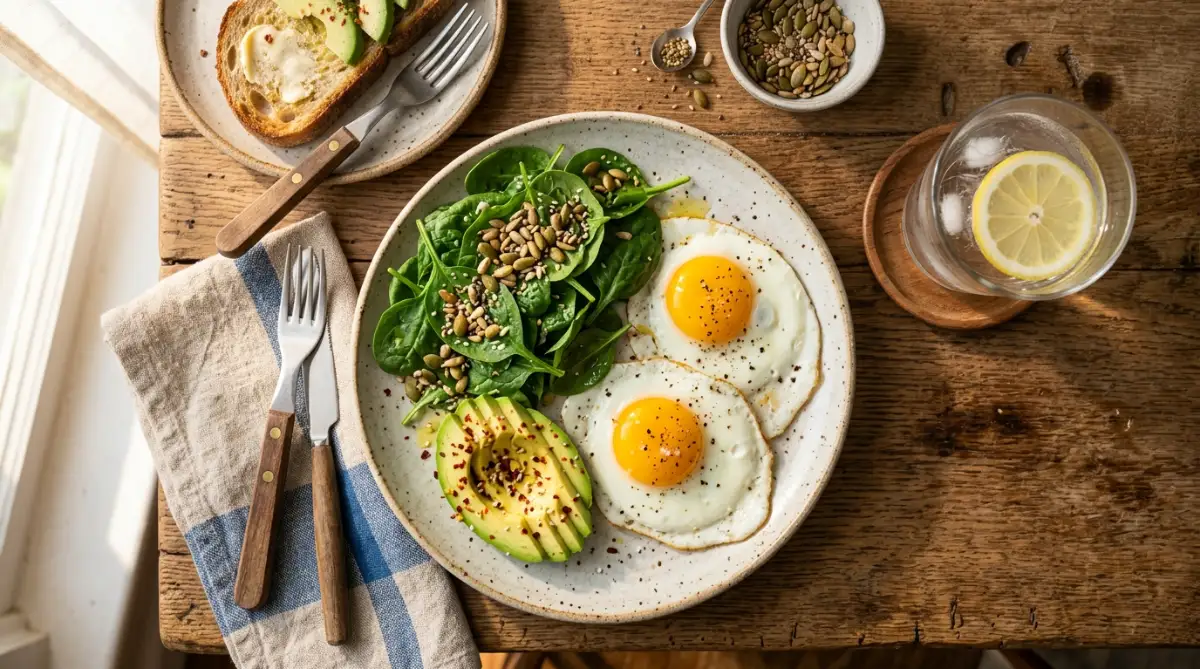
You will be shocked at how much easier it is to focus at work when your brain is running on steady fuel. You will not even think about lunch until it is actually time to eat.
The Hidden Power of Daily Movement
You do not need to spend two hours sweating in a gym to improve your metabolism. In fact, gentle movement is one of the most powerful tools you have.
Your muscles are the biggest storage containers for glucose in your entire body. When you move your muscles, they need energy.
Here is the most amazing part: when you do light exercise, like going for a brisk walk, your muscles can soak up sugar directly from your blood without even needing insulin.
This means that taking a simple 10-minute walk after your biggest meal of the day can significantly lower your blood sugar spike. You are literally burning off the extra fuel before it has a chance to cause a crash.
Make it a habit to stand up and walk around the block, or even just pace around your living room while listening to a podcast after dinner. It is a tiny investment of time with massive physical rewards.
Why Good Sleep is Non-Negotiable
We often think of sleep as a luxury, but it is actually the foundation of your metabolic health. When you do not get enough quality sleep, your body becomes extremely stressed.
It releases a hormone called cortisol. High levels of cortisol signal your liver to dump extra emergency sugar into your blood.
At the same time, poor sleep makes your cells temporarily resistant to insulin. So even if you eat the perfect, healthy diet the next day, your blood sugar will still run high just because you are tired.
You will also notice that your cravings for junk food are completely out of control when you are sleep-deprived. Your brain is desperately looking for quick energy to keep you awake.
Prioritizing seven to eight hours of restful sleep is just as important as watching what you eat. Keep your bedroom cool, turn off your screens an hour before bed, and let your body reset.
Managing Stress to Keep Glucose Stable
Stress is the silent factor that ruins so many people's health journeys. You can do everything right with your food and your movement, but if you are constantly stressed, your metabolism will suffer.
Remember that cortisol hormone we just talked about? Whenever you are worried about money, fighting with a partner, or stressed about a work deadline, your body reacts as if a tiger is chasing you.
It pumps extra sugar into your blood so you have the energy to run away. But you are not running anywhere; you are just sitting at your desk.
That sugar has nowhere to go. Finding simple ways to manage your daily stress is incredibly important for keeping your internal engine running smoothly.
Even taking five minutes to do some deep breathing exercises can lower your heart rate and tell your body that it is safe. When your body feels safe, your metabolism functions properly.
Staying Hydrated to Flush Out Excess
Water plays a massive role in how your body handles energy. When you are dehydrated, your blood actually becomes more concentrated.
This means the ratio of sugar to liquid in your blood goes up, making your blood sugar levels artificially high. Furthermore, your kidneys need plenty of water to help flush out any excess glucose through your urine.
Make sure you are drinking enough water consistently throughout the day. Do not wait until you are extremely thirsty, because by then, you are already dehydrated.
Keep a reusable water bottle near your workspace as a visual reminder. Sometimes, when we feel hungry in the middle of the day, our bodies are actually just crying out for water.
Reading Labels Like a Detective
The grocery store can be a very tricky place. So many packaged foods claim to be healthy, but they are secretly packed with added sugars that will wreck your daily energy.
You have to start reading the ingredient labels, not just the bright marketing words on the front of the box. Sugar hides under dozens of different names.
Look out for words like high fructose corn syrup, cane juice, maltodextrin, and anything ending in "-ose" like dextrose or sucrose. If you see these words in the first three ingredients, that product is going to send your glucose flying.
Stick to whole foods as much as possible. Foods that do not need an ingredient list, like fresh vegetables, raw nuts, and high-quality proteins, are always your safest bet.
Quick Cheat Sheet: Sneaky Sugar Names on Labels
| What the label says | What it actually means for your body |
| :--- | :--- |
| Brown Rice Syrup | Sounds healthy, but still spikes your glucose fast. |
| Agave Nectar | Highly processed and acts just like regular sugar. |
| Fruit Juice Concentrate | All the sugar from fruit, but with zero helpful fiber. |
Consistency Over Perfection
The goal here is not to be completely perfect 100% of the time. You are a human being, and it is completely normal to enjoy a piece of cake at a birthday party or have a sweet treat on a holiday.
Metabolic health is built on what you do most of the time, not what you do once in a while. If you build a strong foundation with balanced meals, good sleep, and daily walks, your body will be flexible enough to handle a sugary treat without completely falling apart.
Focus on small, daily habits. Start by changing just your breakfast this week. Next week, try adding a 10-minute walk after lunch.
Over time, these tiny changes compound into massive results. You will wake up feeling refreshed, your afternoon crashes will disappear, and you will finally feel like you have control over your own energy again.
Next-Level Strategies for Unstoppable Daily Energy
Once you understand the basic rules of how your body processes fuel, you can start using some amazing, science-backed tricks to make your system even stronger. You do not have to live like a monk to have great metabolic health. You just need to know how to outsmart the system.
Building a resilient body means you can handle life's surprises. Whether you are going to a birthday party or taking a long vacation, these advanced habits will keep your internal engine running perfectly.
The Secret Power of Food Sequencing
This might sound like a magic trick, but it is actually pure biology. You can eat the exact same meal, but if you eat the foods in a specific order, you can drastically reduce your blood sugar spike.
Always start your meal with vegetables or a fresh salad. The fiber in the vegetables coats your stomach and upper intestine, creating a protective mesh layer.
Next, eat your proteins and healthy fats, like chicken, fish, or avocado. Finally, eat your starches and carbohydrates, like potatoes, rice, or bread, at the very end of the meal.
Because you laid down a thick layer of fiber and protein first, the carbohydrates digest much slower. Your body gets the fuel slowly and safely, preventing that massive afternoon energy crash completely.
Building Your Internal Glucose Sponges
If you want to create a long-term solution for high blood sugar, you need to think about your muscles. Your muscles are essentially large sponges that soak up extra sugar from your blood.
The more muscle you have, the bigger your sponges are. This does not mean you need to become a bodybuilder or lift extremely heavy weights every day.
Doing simple bodyweight exercises like squats, lunges, or push-ups a few times a week builds lean muscle mass. A great habit is doing twenty gentle squats while you wait for your morning coffee to brew.
According to major studies on how muscle mass impacts metabolic health, active muscles can absorb glucose directly from your bloodstream, giving your pancreas a much-needed break from producing insulin.
The Vinegar Hack Before Heavy Meals
If you know you are going to eat a heavy, carbohydrate-rich meal like a big bowl of pasta, try having a little bit of vinegar first. Stirring one tablespoon of apple cider vinegar into a tall glass of water and drinking it twenty minutes before you eat is a game-changer.
The acetic acid in the vinegar temporarily slows down the enzymes in your stomach that break down starches. It also encourages your muscles to pull more sugar out of your blood.
This simple, inexpensive drink can flatten your glucose curve remarkably well. Just remember to always dilute it in plenty of water, and use a straw to protect your teeth.
Protecting Your System During Travel and Holidays
Many people give up on their health journeys the moment they step onto an airplane or attend a holiday dinner. They figure that since they cannot eat perfectly, they might as well eat everything in sight.
You can enjoy special occasions without completely ruining your metabolic balance. The trick is to play defense.
If you are going to a party with lots of sweets, make sure you eat a solid, high-protein snack before you leave your house. When you are traveling, pack simple items like almonds, pumpkin seeds, or beef jerky to keep your blood sugar stable during long flights or road trips.
You can find more ideas for managing daily wellness effectively while navigating a busy modern schedule. Maintaining just one or two good habits during a chaotic weekend makes getting back on track on Monday incredibly easy.
Mastering the Art of Gentle Fasting
Giving your digestive system a break is one of the kindest things you can do for your body. When you are constantly snacking from the moment you wake up until the moment you go to bed, your insulin levels never drop.
Your body remains in storage mode, locking away fat and keeping you feeling sluggish. Try to create a simple eating window for yourself.
Start by simply not eating anything for twelve hours overnight. If you finish dinner at 7 PM, do not have breakfast until 7 AM the next morning.
This gives your organs time to rest, repair damaged cells, and reset your natural hormone levels. It is a completely free habit that transforms how you feel within just a few days.

The Hidden Traps That Destroy Your Progress
When people decide they want to improve their energy and fix their metabolism, they often jump in with too much excitement. They try to change everything overnight, which usually leads to a massive failure.
We see the same dangerous patterns happening over and over again. Understanding these emotional and physical pitfalls will save you months of frustration and protect your mental peace.
The Danger of the Cold Turkey Carb Cut
The most common reaction to learning about blood sugar is aggressively throwing away every single carbohydrate in your kitchen. People suddenly switch to eating nothing but meat and butter, hoping for a quick fix.
This extreme approach shocks your entire biological system. Your body is used to running on a certain type of fuel, and when you remove it instantly, you will feel terrible.
You might experience intense headaches, terrible mood swings, and a level of exhaustion that makes it hard to get out of bed. This is not your body healing; this is your body panicking.
Instead of cutting everything out abruptly, try upgrading your carbohydrates slowly. Swap out white bread for dense sourdough, or replace sugary cereals with warm oatmeal.
Falling for the Fake Health Food Scams
Grocery store aisles are filled with products screaming "Zero Sugar," "Keto-Friendly," and "Net Carbs." These marketing terms are designed to make you feel safe while secretly sabotaging your health.
When you consume heavily processed foods packed with artificial sweeteners, your brain still tastes something incredibly sweet. It prepares your body for a massive sugar rush that never actually arrives.
This confusion can mess up your natural hunger signals and severely damage the good bacteria living in your gut. Over time, these fake sugars can actually cause worse cravings than real sugar.
According to guidelines on the effects of hidden added sugars and artificial substitutes, sticking to real, whole foods is always the safest path for your long-term health.
Ignoring the Silent Impact of Daily Stress
You can eat the perfect plate of food, perfectly sequenced, and take a long walk afterward. But if your mind is racing with anxiety, your blood sugar is going to remain dangerously high.
Many people treat their diet perfectly but completely ignore their mental state. They do not realize that emotional tension forces the liver to flood the body with emergency glucose.
You have to find ways to calm your nervous system daily. Whether that means reading a book, calling a friend, or just sitting in silence for ten minutes, lowering your tension is non-negotiable.
The Binge and Restrict Cycle of Shame
Here is a very real scenario that happens to millions of people. You eat a huge piece of chocolate cake on a Tuesday night.
Immediately, an overwhelming wave of guilt washes over you. You tell yourself that you ruined your diet, so you decide to skip breakfast and lunch the next day to punish yourself.
By 4 PM the next day, your blood sugar has dropped so dangerously low that you physically cannot control your cravings anymore. You end up eating an entire bag of chips and three cookies, starting the horrible cycle all over again.
This punishment mentality completely destroys your metabolic rhythm. If you eat something sugary, enjoy it, move on, and make your very next meal a healthy, protein-rich choice.
Neglecting the Importance of Sleep Quality
We live in a culture that celebrates working late and sleeping very little. But sacrificing your sleep is the fastest way to break your metabolism.
Even just one night of tossing and turning makes your cells stubborn and resistant to insulin the very next morning. You will wake up hungry, tired, and naturally craving the worst possible foods.
Experts studying how sleep deprivation alters metabolism confirm that poor rest directly increases your risk of severe metabolic issues. Stop treating sleep as a luxury and start treating it as the primary medicine your body needs to survive.
If you struggle with waking up feeling exhausted, it might be time to look into understanding silent stress symptoms that keep your brain active all night. A calm evening routine is just as important as a healthy breakfast.
A Brighter, More Energetic Future Awaits You
Balancing your internal energy is not about restriction, starvation, or living a boring life. It is about finally understanding the language your body is speaking to you every single day.
When you learn how to combine your foods properly, prioritize a morning routine, and add gentle movement to your daily schedule, everything changes. The mental fog lifts, the intense afternoon sugar cravings disappear, and you suddenly have the stamina to actually enjoy your evenings with your family.
You do not have to be absolutely perfect to see amazing results. Your body is incredibly forgiving and wants to heal; it just needs you to provide the right environment.
Focus on winning your morning first. Eat a savory breakfast, drink plenty of water, and slowly build your confidence.
Before you know it, managing your glucose will not feel like a chore or a complicated diet plan. It will just become the natural way you live a vibrant, joyful life.
I remember the exact moment I realized I had not thought about taking a nap at 2 PM for an entire week, and I honestly wanted to cry happy tears. My energy finally belongs to me again, and by taking these simple steps today, I promise you will get yours back too.
Common Questions About Managing Your Daily Energy
What is a normal blood sugar spike after eating a meal?
It is completely normal and healthy for your glucose levels to rise after you eat. A healthy system will usually see a gentle rise and then slowly return to normal levels within about two hours. You just want to avoid massive, sharp spikes that feel like a sudden rush followed by an extreme crash.
Will fasting for long periods slow down my metabolism?
Gentle overnight fasting, like resting your digestion for 12 hours, actually helps repair your metabolism and improves how your body handles insulin. However, starving yourself for days or constantly skipping meals can stress your body and trick it into storing fat. Balance and consistency are much better than extreme restriction.
Can I still eat sweet fruits if I want to keep my energy stable?
Yes, absolutely! Whole fruits contain natural sugars, but they also have plenty of fiber, vitamins, and water. To keep your energy perfectly stable, just pair your fruit with a small amount of protein or fat, like dipping an apple in almond butter or eating berries with plain Greek yogurt.
How long does it usually take to feel my energy levels improve?
Many people notice a massive difference in their afternoon energy within just three to four days of changing their breakfast routine. However, fully healing your metabolism and reversing years of insulin resistance can take a few months of consistent, healthy habits. Just be patient and focus on how much better you feel each week.
Does drinking black coffee mess up my daily glucose?
For most healthy people, plain black coffee does not cause a sugar spike and is perfectly fine to drink. However, if you are highly stressed, the caffeine might raise your cortisol levels, which can indirectly push your blood sugar up. If coffee makes you feel jittery or anxious, try switching to green tea for a gentler energy lift.
Medical Disclaimer: The information provided in this article is for educational and informational purposes only and does not constitute medical advice. Please consult with a qualified healthcare professional or doctor before making any major changes to your diet, exercise routine, or lifestyle, especially if you have pre-existing medical conditions like diabetes or insulin resistance.