The Hidden Dangers in Our Daily Emergency Habits
Let's be honest—most of what we know about fixing cuts, burns, and nosebleeds at home comes from old family advice or stuff we saw in movies. But what if tilting your head back during a nosebleed or putting butter on a hot burn is actually making things much worse? Today, I want to show you how to ditch those dangerous outdated habits. We will look at how to handle sudden household accidents the right way, so you stop second-guessing yourself when it really matters.
That terrifying afternoon made me realize just how unprepared I actually was for a sudden home emergency. We all think we know how to handle minor injuries because of things we learned years ago. Our parents passed down home remedies, and we see characters in movies performing quick medical fixes. But the scary truth is that many of these popular habits are completely wrong.
Every single day, ordinary people face sudden accidents in their own living rooms, kitchens, and backyards. From a child touching a hot stove to a family member suddenly choking at the dinner table, panic sets in fast. In those terrifying seconds, our brains go into complete survival mode. We grab butter for a burn, or we tell someone to tilt their head back when their nose bleeds.
These common errors do not just delay healing; they actually make the original injury much worse. People end up rushing to the emergency room for issues that could have been handled safely at home. The mental stress of watching a loved one suffer while your efforts fail is absolutely heartbreaking. You feel an overwhelming sense of guilt, wondering if you just made their pain worse.
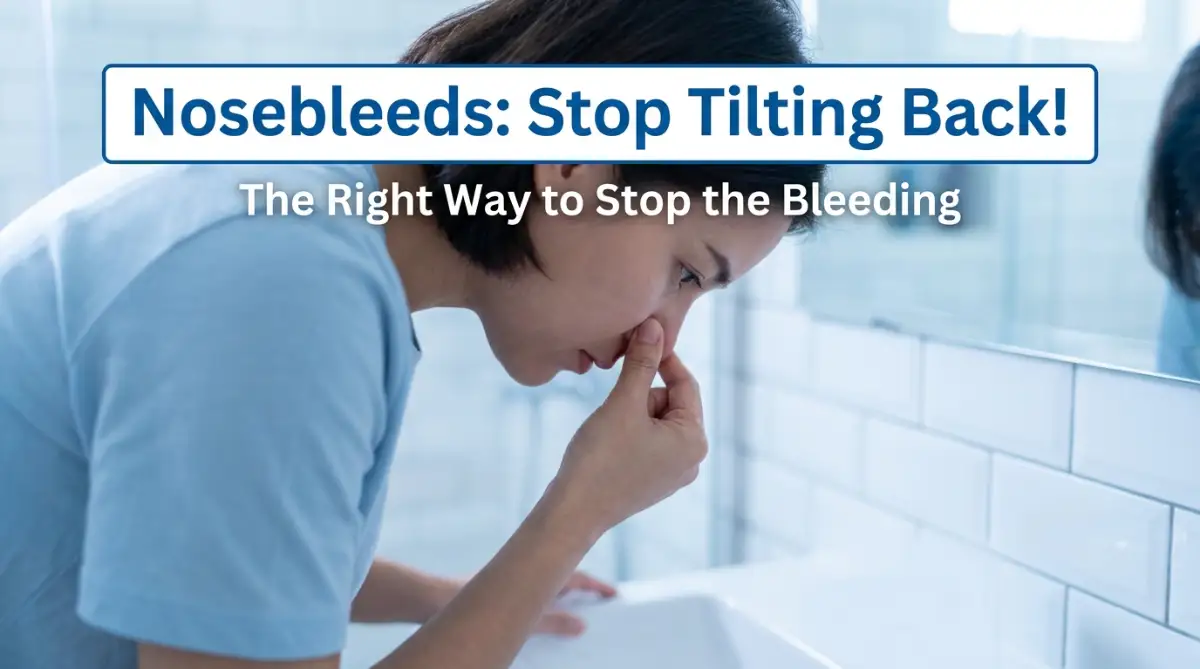
At a Glance: Fixing Bad First Aid Habits
- Burns: Skip the ice and butter; use running cool water for 10 minutes instead.
- Bleeding: Stop lifting the bandage to check the cut. Hold firm, steady pressure.
- Nosebleeds: Never tilt your head back. Lean forward and pinch the soft part of your nose.
- Choking: Avoid "blind finger sweeps" in the throat, which can push food deeper.
- Wounds: Throw away the hydrogen peroxide. Clean fresh cuts with plain tap water.
Rethinking Home Safety: What Science Tells Us Now
When an accident happens at home, the actions you take in the first five minutes dictate everything. You do not need a medical degree to save a life or prevent a bad scar. You simply need to replace old myths with proven, science-backed habits. Let us look closely at the most common household accidents and the correct ways to handle them today.
The Truth About Treating Kitchen Burns
Kitchen burns are one of the most frequent accidents in any household. Whether it is a splash of boiling water or a hot pan, the skin reacts instantly. The most popular myth is that you should immediately put ice, butter, or toothpaste on the burned skin. This is an incredibly dangerous habit.
When you apply ice to a fresh burn, the extreme cold shocks the damaged skin cells. This sudden temperature drop restricts blood flow to the area, which causes even more tissue damage. The skin is already traumatized by heat, and freezing it creates a secondary injury similar to frostbite.
On the other hand, putting butter, oils, or greasy ointments on a burn acts like a blanket. Grease traps the heat inside your skin, making the burn continue to cook your tissues long after you step away from the stove. Toothpaste is just as bad, as the harsh chemicals can cause severe infections in open blisters.
The Right Way to Stop Burn Damage
The absolute best thing you can do for a thermal burn is to run it under cool, gently flowing water. You want the water to be cool, not freezing cold. Keep the burned area under the tap for a full 10 to 15 minutes.
This steady flow of cool water slowly pulls the heat out of your deep skin layers. It safely stops the burning process without shocking your system. After the heat is gone, gently pat the area dry with a clean cloth. Cover it loosely with a sterile, non-stick bandage to protect it from dirt and bacteria.
Quick Look: Kitchen Burn First Aid
| What You Used To Do (The Myth) | Why It Fails | What You Should Do Now (The Fact) |
| :--- | :--- | :--- |
| Slapping on butter or oil | Traps heat inside the skin, making the burn go deeper. | Run room-temperature tap water over it. |
| Putting ice right on the burn | Freezes damaged tissue, slowing down blood flow. | Keep it under running cool water for 10-15 minutes. |
| Smearing toothpaste | Harsh chemicals cause severe pain and bad infections. | Gently pat dry and cover with a sterile pad. |
How to Safely Handle Severe Bleeding
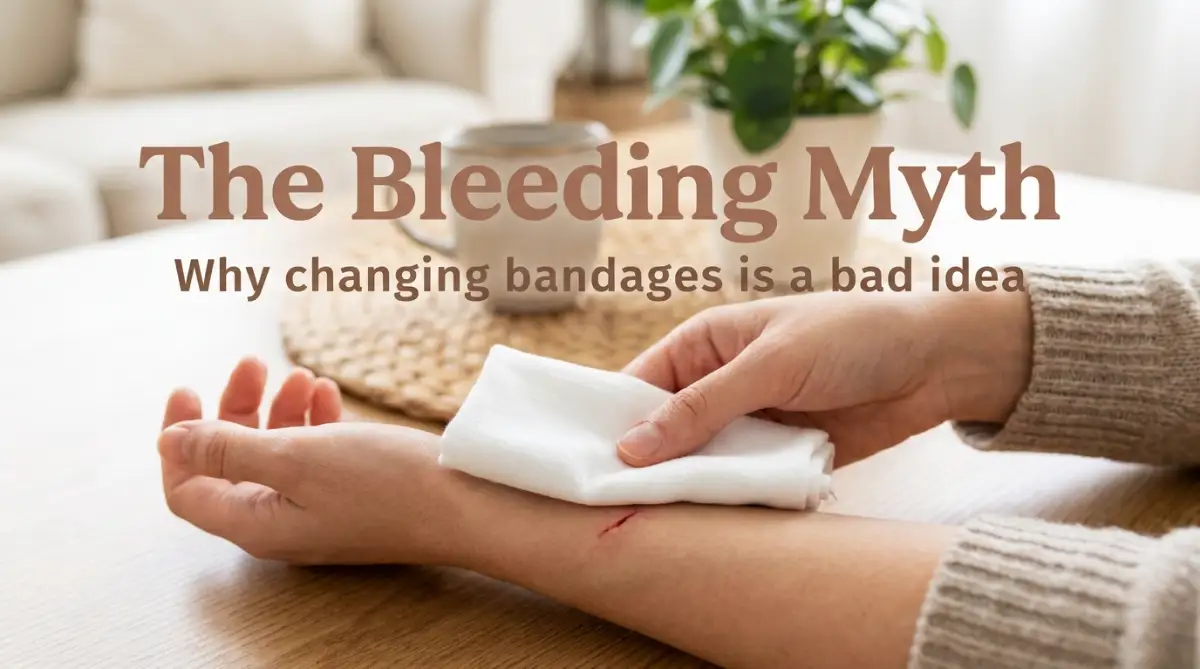
Seeing a large amount of blood can make anyone feel dizzy and panicked. The most common mistake people make with deep cuts is constantly lifting the bandage to check if the bleeding has stopped. When you do this, you are actively destroying the body's natural healing process.
Your body stops bleeding by forming a fragile web of proteins called a blood clot. This clot takes time to build up and seal the broken blood vessels. Every single time you lift the gauze or towel, you rip away the newly formed clot. This forces your body to start the entire process all over again, causing you to lose much more blood.
The Science of Continuous Pressure
Instead of peeking at the wound, grab a clean cloth or sterile gauze and press down firmly. Keep your hand completely still and maintain strong pressure for at least five to ten minutes. If the blood soaks completely through the first cloth, do not take it off.
Simply place a second clean cloth directly on top of the old one and press harder. Stacking the bandages keeps the base clot safe and undisturbed while adding more absorption. If the cut is on an arm or a leg, try to raise that limb above the level of the heart to slow down the blood pressure in that area.
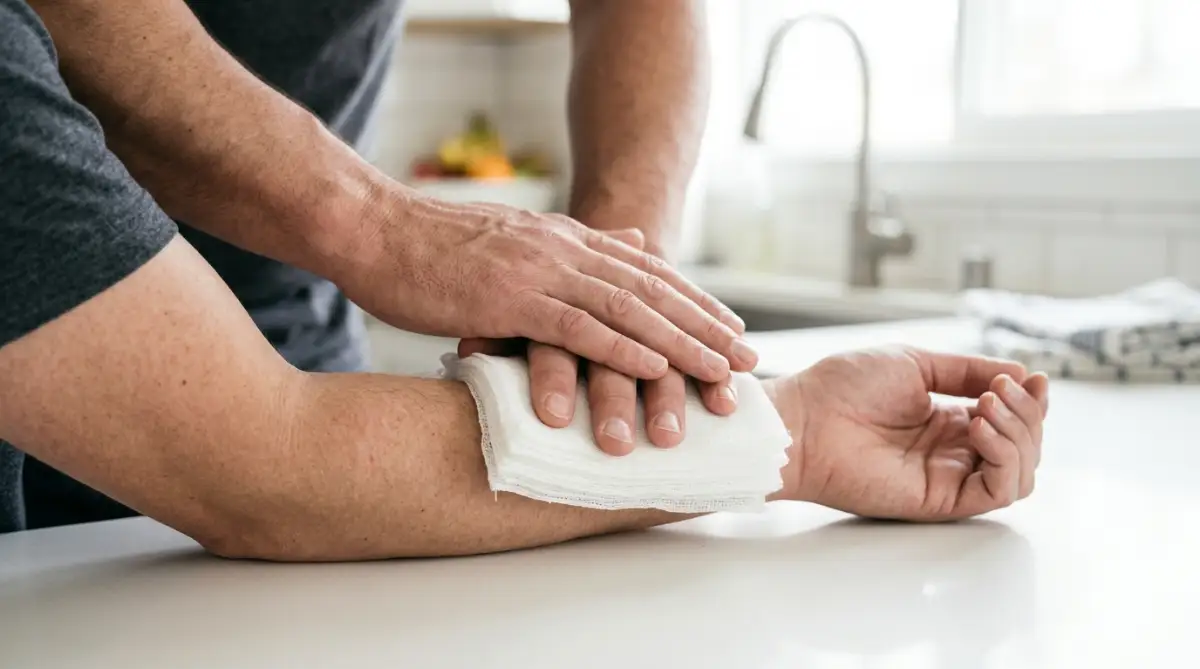
I actually learned this the hard way after slicing my hand on broken glass. My instinct was to keep washing it and changing the paper towel every minute, which only made the bleeding heavier. Once I finally just held steady pressure with a thick towel for ten minutes, the bleeding completely stopped.
The Nosebleed Myth You Must Ignore
Almost everyone has been told to tilt their head backward when they get a sudden nosebleed. We do this to stop the blood from dripping onto our clothes or the floor. However, tilting your head back is one of the worst things you can do for your body.
When you lean backward, the blood does not magically stop flowing. Instead, it changes direction and runs straight down the back of your throat. Swallowing a large amount of blood will heavily irritate your stomach lining. This often leads to severe nausea, and the person may end up vomiting blood, which makes the situation much more terrifying.
Furthermore, leaning back puts you at a high risk of choking. The thick blood can easily block your airway if it goes down the wrong pipe.
Bold Video Intro Here
If you or your kids frequently deal with random nosebleeds, understanding the exact posture to use is incredibly important. Watch this quick visual demonstration to see exactly how to position your head safely.
The Safe Way to Stop a Nosebleed
To stop a nosebleed quickly, sit down in a chair and lean your head slightly forward. Leaning forward allows any excess blood to simply drain out of your nose, keeping your throat and stomach completely safe.

Next, use your thumb and index finger to firmly pinch the soft part of your nose, right below the bony bridge. Breathe slowly through your mouth while you hold this pinch for a full ten minutes. Do not let go early to check the bleeding. Pinching the soft tissue applies direct pressure to the broken blood vessels, exactly like pressing a bandage on a cut arm.
Why the Blind Finger Sweep is Dangerous
Choking is a silent and terrifying emergency that happens without warning. A piece of food or a small toy gets stuck in the windpipe, blocking all air. The immediate reaction of many parents is to stick their fingers into the victim's mouth to pull the object out.
Medical professionals call this a "blind finger sweep," and they strongly warn against it. If you cannot clearly see the object, pushing your fingers into the throat usually makes things worse. Your fingers can easily slip and push the food much deeper into the airway, turning a partial blockage into a complete one.
Clearing the Airway Correctly
If a conscious adult or child is choking and cannot cough, you must use back blows and abdominal thrusts. Stand behind them and give five firm hits between their shoulder blades using the heel of your hand. If that does not pop the object out, move on to abdominal thrusts.
Wrap your arms around their waist, make a fist above their belly button, and pull inward and upward quickly. This action forces the air left in the lungs to rush upward, acting like a natural pump to blast the object out. Always encourage a choking person to cough as hard as they can, because natural coughing is the most effective way to clear the throat.
Misunderstanding Seizure Care at Home
Witnessing a family member or a friend experience a sudden seizure can feel incredibly overwhelming. The person might fall to the ground, shake violently, and lose awareness of their surroundings. For decades, people believed that someone having a seizure could swallow their own tongue.
Because of this myth, people still try to force spoons, wallets, or fingers into the person's mouth. This is an extremely dangerous mistake. It is physically impossible to swallow your own tongue. Forcing an object into their mouth will only break their teeth, severely damage their jaw, or cause the rescuer to get bitten hard.
Another massive mistake is trying to hold the person down to stop the shaking. Pinning their arms or legs will not stop the brain from having a seizure. It will only cause torn muscles, dislocated joints, and extreme physical trauma.
Creating a Safe Environment
The only goal during a seizure is to protect the person from their surroundings until their brain resets. Gently guide them to the floor so they do not fall and hit their head. Clear away any sharp furniture, hard objects, or glass tables from the immediate area.
Slide a soft pillow, a folded jacket, or a blanket directly under their head to prevent skull injuries. If it is possible, gently roll them onto their side. Rolling them on their side keeps their airway clear and allows any saliva to safely drain out of their mouth. Simply stay quietly beside them, time the seizure with your watch, and wait for the shaking to naturally stop.
Knowing When to Call for Professional Help
While correcting these home habits is essential, you must also recognize your own limits. Many people make the mistake of waiting too long to call for an ambulance because they think they can manage the situation. Delaying professional medical help is a gamble you never want to take with your family.
You should immediately call emergency services if a cut is deep enough to see fat or muscle, or if the bleeding will not stop after fifteen minutes of hard pressure. If a burn covers a large portion of the body, looks leathery, or happens on the face, it requires a doctor instantly. Never feel embarrassed to ask for help; it is always better to be safe than sorry when it comes to human life.
By replacing these old wives' tales with basic, modern medical facts, you instantly create a safer home. You remove the panic of second-guessing yourself and replace it with calm, effective action. Changing how we react to an emergency ensures our loved ones heal faster and stay safe when the unexpected happens.
Building a Pro-Level Emergency Response Mindset
Taking charge of your family's health requires more than just avoiding bad habits. You need to develop a proactive mindset that helps you stay perfectly calm when chaos erupts in your living room. The best way to protect your loved ones is by understanding the advanced techniques that paramedics use every single day.
You do not need a medical degree to apply these expert-level strategies at home. You simply need to organize your environment and train your brain to react logically instead of emotionally. Let us explore some powerful, hidden secrets that can completely transform how you handle unexpected medical situations.
Upgrading Your Basic Medical Supply Box
Most people buy a generic medical kit from the pharmacy, shove it in a bathroom cabinet, and completely forget about it. When a real accident happens, they open the box only to find expired ointments and tiny adhesive bandages. A standard, store-bought kit is rarely enough to handle a serious household trauma.
To truly be prepared, you need to customize your supplies based on the actual risks inside your home. I highly recommend adding a pair of professional trauma shears to your kit right away. These special scissors are designed to quickly cut through thick clothing like jeans or winter coats without cutting the skin underneath.
You should also stock up on heavy-duty pressure dressings, large sterile gauze pads, and a medical tourniquet. Having a proper tourniquet can easily save a life if someone suffers a massive, unstoppable bleeding injury. Keep your upgraded kit in a central location, like the kitchen pantry, so everyone in the house can grab it in seconds.
Here is exactly what I keep in my own upgraded home trauma bag:
- Trauma Shears: To cut through jeans or sleeves fast.
- A Combat Application Tourniquet (CAT): For heavy arm or leg bleeding.
- Israeli Bandages: Great for keeping hard pressure on a deep cut.
- Sterile Saline Wash: Much safer than alcohol for cleaning out dirt.
- Nitrile Gloves: To keep everything clean and safe from bacteria.
Recognizing the Silent Threat of Medical Shock
One of the most ignored aspects of home accidents is how the body reacts internally to sudden trauma. After a bad fall or a severe cut, a person might look completely fine on the outside for a few minutes. However, their internal systems might be quietly crashing, leading to a dangerous condition known as medical shock.
Shock happens when the brain and major organs suddenly stop receiving enough oxygen-rich blood. You might notice the injured person suddenly turning very pale, shivering, or breaking out in a cold, clammy sweat. If they start acting confused, dizzy, or complain of extreme thirst, their body is likely entering a state of shock.
According to guidelines from the National Institutes of Health (NIH), untreated shock can quickly lead to organ failure. You must act fast by laying the person flat on their back and elevating their legs slightly with a pillow. Covering them with a warm blanket helps maintain their core body temperature while you wait for the ambulance to arrive.
The Psychology of Staying Calm Under Pressure
When you see a family member in deep pain, your brain is instantly flooded with adrenaline. This massive chemical rush triggers a fight-or-flight response, making it incredibly difficult to think clearly. We often freeze in place, or we rush into doing something completely irrational out of pure panic.
If you struggle with daily anxiety, you might already know how the silent signs of chronic stress your body is trying to show you can make emergency situations feel even worse. To fight this biological panic, you need to practice a mental technique called "Stop, Breathe, and Think." Before you touch the injured person, force yourself to take one massive, deep breath and hold it for three seconds.
This simple breathing trick forces oxygen back into your brain, instantly lowering your heart rate. Taking just five seconds to assess the whole scene prevents you from making a chaotic situation worse. By calming your own nervous system, you become the strong, reassuring presence your injured loved one desperately needs.
The Correct Way to Clean Fresh Wounds
Washing a fresh scrape or cut seems like the easiest thing in the world. Yet, the method most people use actually slows down the natural healing process. We often scrub open wounds aggressively with a rough washcloth, thinking we are getting all the dirt out.
Scrubbing an open cut destroys the fragile new cells your body is trying to build. Instead, you should let the steady pressure of running tap water do all the hard work for you. Hold the injured area under a gentle stream of lukewarm water for a few minutes to flush out any hidden debris.
If you see tiny pieces of gravel or dirt still stuck in the skin, do not dig for them. Use a pair of tweezers wiped with an alcohol pad to gently lift the debris out. Clean the skin around the wound with mild soap, but never put soap directly inside the open cut.
The Most Dangerous Traps You Might Fall Into
Even with the best intentions, our brains can easily trick us into making terrible medical decisions at home. We rely heavily on internet life hacks, old family traditions, and things we hear from neighbors. These unverified remedies might sound perfectly logical, but they often hide severe consequences.
When you use the wrong treatment, you are not just delaying recovery. You are actively exposing a vulnerable injury to heavy infections, permanent scarring, or even long-term nerve damage. We need to clearly identify these hidden traps so you never accidentally harm the people you are trying to protect.
The Hydrogen Peroxide and Alcohol Trap
Almost every home medicine cabinet has a brown bottle of hydrogen peroxide or a plastic bottle of rubbing alcohol. For generations, parents have poured these harsh liquids onto their children’s scraped knees. We were taught that if the liquid bubbles and stings, it means it is actively killing all the bad germs.
This is arguably the most common and damaging misconception in basic home care. Hydrogen peroxide does kill bacteria, but it also violently destroys your body's healthy tissue cells. The bubbling action literally eats away at the fibroblasts, which are the exact cells your body needs to close the wound.
Using rubbing alcohol on exposed flesh is just as damaging and causes completely unnecessary agony. The intense burning sensation shocks the nervous system, especially in young children. Top medical institutions, including the Cleveland Clinic, strongly advise using only clean tap water and mild soap for routine wound cleaning.
Moving a Victim After a Hard Fall
Imagine walking out to your backyard and seeing someone lying motionless at the bottom of the stairs. The immediate, overwhelming instinct is to grab their shoulders, sit them up, and ask if they are okay. This single, panicked action can turn a manageable injury into a permanent, life-altering tragedy.
If someone has taken a hard fall, they might have a hidden fracture in their neck or their spine. When you forcefully move or twist their body, a fractured bone can slice right into the spinal cord. This severe spinal damage can result in permanent paralysis from the neck down.
Unless the person is lying in an active fire or a pool of water, absolutely leave them where they are. Tell them to stay completely still, support their head with your hands to stop them from turning, and call emergency services immediately. Let the professional paramedics use their specialized backboards to move the person safely.
Offering Water to an Unconscious Person
When someone suddenly faints or complains of feeling dizzy, we instantly rush to get them a glass of cold water. We naturally associate drinking water with feeling refreshed and recovering from weakness. If you want to know more about how energy levels work, learning how to understand blood sugar levels and boost daily metabolism can explain why people often feel dizzy.
However, giving any food or liquid to someone who is slipping in and out of consciousness is a massive choking hazard. Their throat muscles are deeply relaxed, and their natural gag reflex might not be working properly. If you pour water into their mouth, it can easily flow straight into their lungs instead of their stomach.
This dangerous event is called aspiration, and it can cause severe choking or trigger a deadly lung infection later on. If someone feels weak, have them sit quietly or lie down on their side. Only offer them small sips of water when they are fully awake, completely alert, and able to sit up perfectly straight on their own.
Applying Heat to a Fresh Sprain
Ankle sprains and twisted wrists happen all the time during weekend sports or simple yard work. Many people immediately grab a hot water bottle or a heating pad to soothe the sudden, aching pain. They think the warm heat will relax their tight muscles and make the joint feel much better.
Applying heat to a fresh injury is a terrible mistake. When you sprain an ankle, the internal blood vessels tear, causing blood and fluid to rush into the joint. Heat naturally expands your blood vessels, which aggressively forces even more fluid into the damaged area.
Using a heating pad on a new sprain will make the joint swell up like a massive balloon. The massive swelling leads to severe throbbing pain and significantly delays the healing process. You should always use a cold ice pack wrapped in a soft towel for the first two days to shrink the blood vessels and stop the heavy swelling.
Relying on DIY Internet Medical Hacks
Today, social media is completely flooded with quick, visual life hacks for everything, including emergency health care. People watch a thirty-second video showing them how to pull out a deep splinter using a vacuum cleaner or baking soda paste. They trust these highly edited videos because they look incredibly simple and clever.
Following random internet advice for open wounds or deep burns is playing a dangerous game with your health. Most of these viral hacks are created by content creators for views, not by certified medical professionals. Putting food products, glues, or random chemicals on an injury easily introduces highly dangerous bacteria into your bloodstream.
You should always verify health information through trusted, peer-reviewed medical sources. Exploring reliable global health and wellness information can help you build a solid foundation of real medical facts. Stick to the basic, proven methods of clean water, sterile bandages, and direct pressure for almost every minor home accident.
Your Ultimate Blueprint for a Secure Home
You now hold the power to completely change the way your household responds to sudden trauma. By dropping the outdated myths and embracing proven science, you instantly become the strongest safety net for your family. The fear of doing the wrong thing is replaced by a calm, confident, and highly effective mindset.
The best time to prepare for an emergency is right now, while everything is quiet and peaceful. Take a few minutes this weekend to clean out your old medicine cabinet and throw away those expired creams. Buy the right trauma supplies, place them in a highly visible spot, and make sure everyone in the house knows exactly where they are.
According to emergency experts at the American College of Emergency Physicians, regular family discussions about emergency protocols save countless lives every single year. Sit down with your kids and talk through simple scenarios, like what to do if they accidentally touch a hot pan. Practicing these mental drills builds incredible confidence, ensuring your family reacts smartly when real panic tries to take over.
Common Questions About Home Emergency Care
Can I use superglue to close a deep paper cut?
No, you should never use household superglue on your skin. Standard craft glue contains harsh chemicals that burn human tissue and cause severe allergic reactions. Always use sterile medical strips or standard bandages to gently hold the edges of a minor cut together.
Is it safe to pop a burn blister if it feels tight?
You must never pop a blister, no matter how uncomfortable it feels. The blister is a natural, sterile bubble your body creates to protect the raw skin underneath from heavy infections. If it pops naturally, wash it gently with water and cover it loosely with a clean, non-stick bandage.
Should I make my child vomit if they swallow something toxic?
Never induce vomiting unless a certified poison control expert explicitly tells you to do so on the phone. If a child swallowed a harsh chemical, forcing them to throw it up will burn their throat a second time. Call emergency services immediately and tell them exactly what the child swallowed.
Do I really need to wash a tiny scrape with soap?
Yes, even the smallest scrape needs to be cleaned properly. Tiny, invisible bacteria can easily enter the top layer of your skin and cause a highly painful staph infection. Running it under clean tap water and washing the outer edges with mild soap guarantees the wound stays safe.
Can I use a tight belt as a homemade tourniquet?
A leather belt is generally a very poor choice for a tourniquet because it cannot be pulled tight enough to stop deep arterial bleeding. Belts easily slip and fail to provide the constant, heavy pressure required to save a limb. It is always much safer to buy a real medical tourniquet and keep it in your home kit.
Disclaimer: The information provided in this article is strictly for educational and informational purposes only. It does not replace professional medical advice, diagnosis, or emergency treatment. Always consult a qualified healthcare provider or call local emergency services immediately if you or a family member experience a severe or life-threatening medical situation.