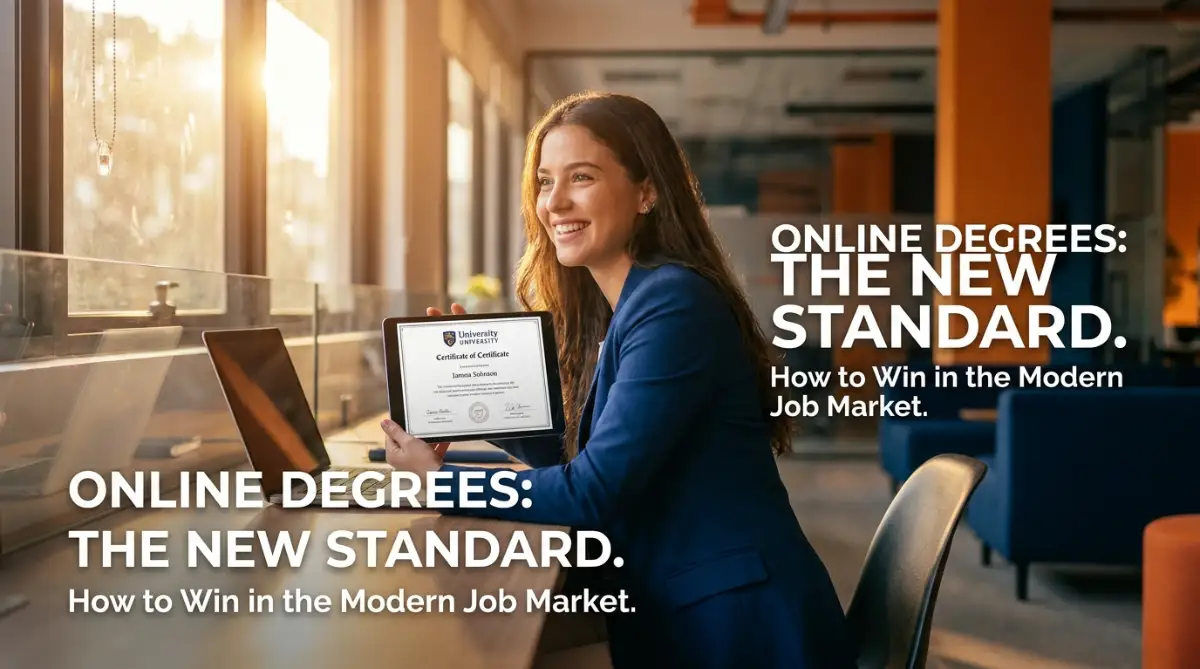
Why I Used to Hide My College Details During Job Interviews
For three years, I treated my online degree like a dirty secret. Every time a recruiter glanced at the education section of my resume, I braced myself for rejection. But here is the crazy part: the moment I stopped hiding it and started owning it, my callback rate tripled. Let me show you exactly how to flip your distance learning from a perceived weakness into your biggest selling point, without feeling like an imposter.
I got my bachelor’s degree entirely on the internet. Every time a hiring manager looked at my education section, my heart dropped into my stomach.
I was sure they would laugh me out of the room or throw my resume in the trash. I spent months feeling like an absolute fraud, thinking my hard work meant absolutely nothing to employers.
You probably know exactly what this heavy, sinking feeling is like. You stay up late reading textbooks after a long day of working a full-time job.
You sacrifice weekends, family time, and sleep to finish your assignments. But then, a nagging voice in your head ruins the excitement. Will companies even respect this paper?
People around you might make quiet jokes about "internet colleges," making you second-guess your massive investment. This constant anxiety completely destroys your peace of mind.
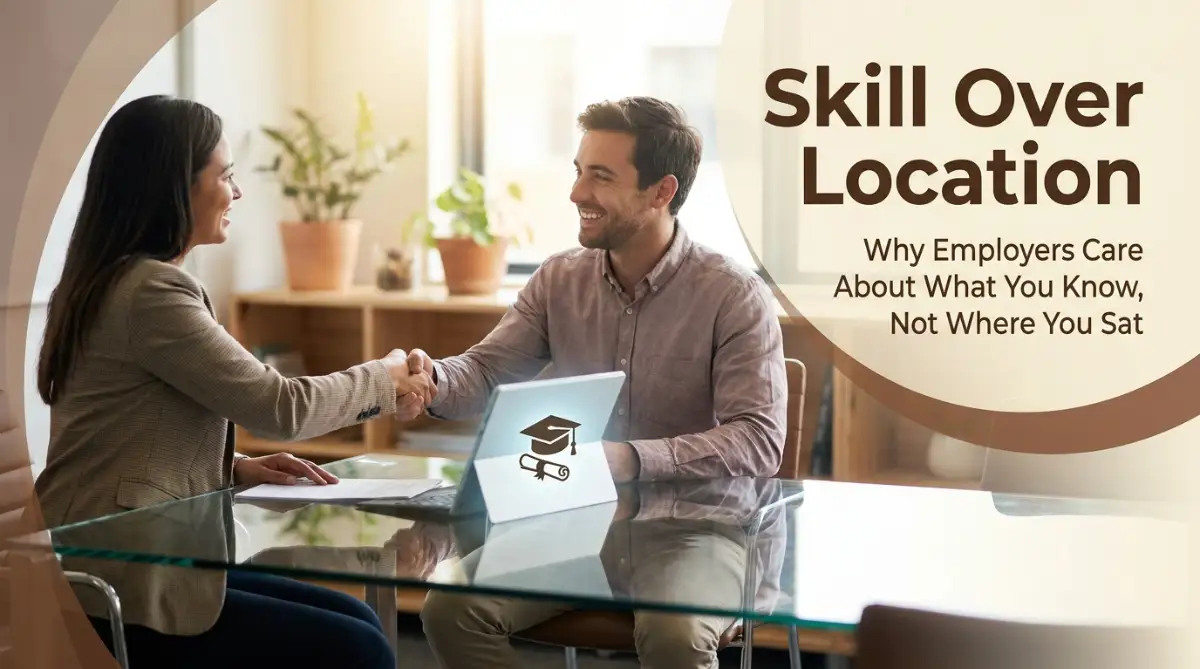
The 30-Second Cheat Sheet
- Stop hiding your degree: Treat your self-taught background as a massive selling point for modern, remote jobs.
- Accreditation is everything: Automated resume scanners only check if your degree is real and accredited, not what physical chair you sat in.
- Sell your soft skills: Frame your distance learning as proof of your superior time management, discipline, and digital problem-solving abilities.
The Heavy Burden of Educational Imposter Syndrome
The sad part is how much this self-doubt eats away at your daily happiness. You are doing everything right, yet you feel like you are cheating the system.
The fear of getting rejected over something you worked so hard for is exhausting. It drains your energy and makes you want to give up right before you reach the finish line.
You constantly wonder if you are wasting thousands of dollars on a digital certificate that no human resources department will ever take seriously. This fear keeps you awake at night.
It makes you question your entire career path. But I am here to tell you that this fear is based on outdated thinking that no longer exists in the modern business world.
Let us break down exactly how you can stop worrying and start using your non-traditional education to your massive advantage. You are about to see your hard work in a completely new light.
Breaking Down the "Campus vs. Screen" Illusion
Think about how you buy things today. If you need a solid oak dining table, does it matter if you bought it in a physical store or ordered it from a website?
No. All that matters is that the wood is real, the table is sturdy, and it serves its purpose. Education works the exact same way for modern employers.
Hiring managers are looking for people who can solve their company’s problems. They are not looking for people who just know how to sit in a brick-and-mortar classroom.
When you study from home, you are actually building a highly specific set of skills that traditional students completely miss out on. You are learning to be self-taught.
You are forced to figure out complex software, manage your own schedule, and meet deadlines without a professor standing over your shoulder. These are exact traits companies beg for.
Have you ever noticed how many corporate jobs are now fully remote?
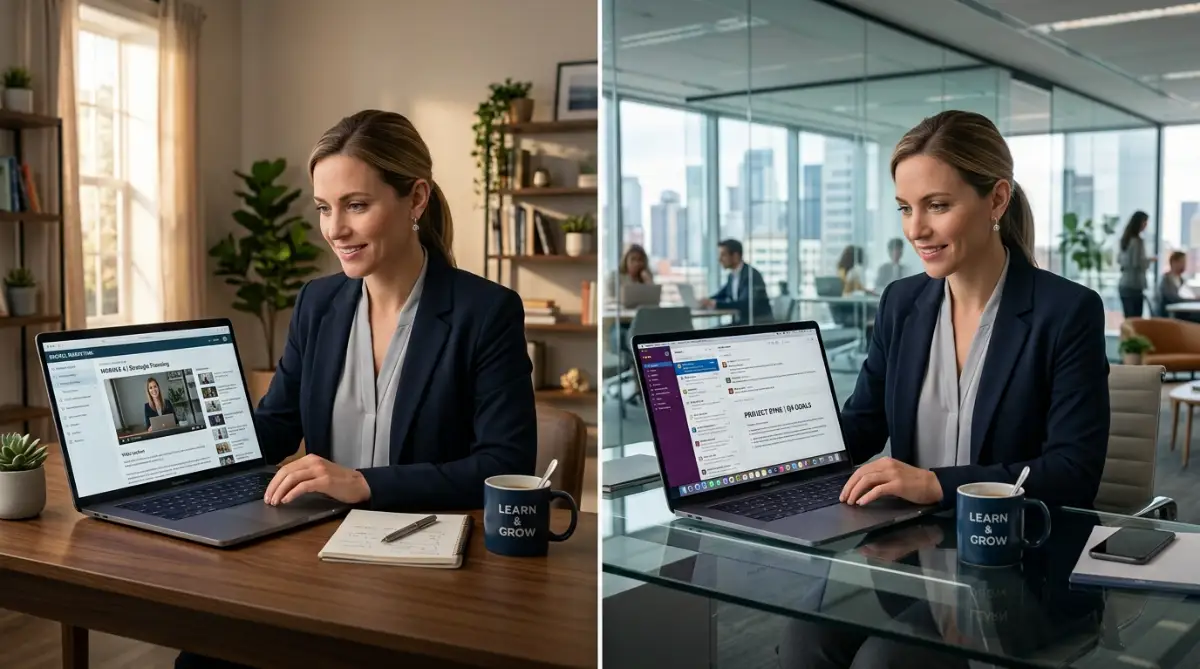
If a company expects you to work from home, communicate via video calls, and manage digital projects, why would they judge you for learning the exact same way?
The truth is, they do not. The stigma you are worried about mostly exists in the minds of older relatives, not modern recruiters.
How to Frame Your Distance Learning as a Massive Superpower
The biggest mistake you can make is acting embarrassed about your educational background. If you treat it like a weakness, the person interviewing you will treat it like a weakness too.
Instead, you need to confidently own your story. When you talk about your degree, focus heavily on the intense self-discipline it required.
Explain that you managed a full-time job, family duties, and a heavy course load all at once. This proves you have superior time management skills.
I used to leave the word "online" completely off my resume hoping nobody would notice. But my biggest realization was that I was hiding the exact self-motivation and digital problem-solving skills that employers actually want to see.
You do not need to hide the format of your schooling. You just need to explain how that format made you a better, more focused worker.
When an employer hears that you motivated yourself to study at 11 PM after putting your kids to sleep, they hear one thing. They hear that you are unstoppable.
The Real Data Behind Employer Acceptance
Let us look at how Applicant Tracking Systems (ATS) handle resumes. These software programs scan your application before a human ever sees it.
Do you know what the ATS software looks for? It looks for a checked box next to "Bachelor's Degree."
It does not scan your document to see if you walked across a physical stage or clicked a button to submit your final exam. The system only cares about the accreditation.
As long as your school is properly accredited by a recognized educational board, your degree holds the exact same legal and professional weight as one from a local state college.
Myth vs. Fact: The ATS Robot Scanner
- The Myth: Resume scanning software (ATS) auto-rejects online university names.
- The Fact: ATS platforms like Workday or Greenhouse are programmed to filter by simple binary data: Degree = Yes/No. They physically cannot measure campus foot traffic! If you check the box and your school is accredited, you pass the gatekeeper.
Accreditation is the ultimate equalizer. It tells the employer that your curriculum met strict national standards. Always make sure your chosen school has regional or national accreditation.
Watch this incredibly helpful breakdown to understand exactly what recruiters look for on your resume:
Reprogramming Your Resume for Maximum Impact
Now that you know your education is totally valid, you have to format your resume correctly. Many people make the mistake of over-explaining their schooling format.
You do not need to write "Completed 100% via the Internet" next to your university name. Just list the name of the institution, the degree earned, and your graduation date.
Keep it completely standard. If the school is primarily known as an internet-based university, the hiring manager already knows that.
If they ask about it in the interview, that is your golden opportunity to shine. You can pivot the conversation directly to your amazing soft skills.
A Quick Comparison: Traditional vs. Remote Learner Skills
Here is a quick look at why your background gives you a secret edge in the hiring process.
Notice how the right column sounds exactly like a modern job description? That is your selling point.
You are already trained to function in a modern, digitized work environment. You do not need someone to hold your hand to get a project finished.
Tackling the Interview Questions Head-On
Let us do a quick Q&A roleplay so you know exactly how to handle tricky questions.
Question: "I see your degree is from a digital university. Why did you choose that route instead of a traditional state school?"
Bad Answer: "Oh, well, it was just easier and cheaper, and I didn't want to drive to a campus every day."
Winning Answer: "I chose this route because it allowed me to apply what I was learning directly to my job in real-time. It taught me incredible self-discipline and showed me how to manage complex projects independently. I actually thrive when I am given digital tools and trusted to meet strict deadlines."
See the difference? The first answer makes you sound lazy. The second answer makes you sound like a future CEO.
It is all about the packaging. You are not a person who took the easy way out. You are a highly efficient multitasker who maximized their time.
Why Regional Accreditation is Your Best Friend
We need to talk about the one rule you can never break. Not all internet schools are created equal.
If you want companies to respect your education, your school must be accredited. Think of accreditation as a health inspector's grade for a restaurant.
You would not eat at a place that failed its health inspection. Employers will not hire from a school that fails its educational inspection.
When searching for programs, always look for "Regionally Accredited" on their website. This means they are held to the exact same high standards as traditional brick-and-mortar universities.
If a hiring manager questions the quality of your education, you can confidently state that your program holds the exact same accreditation as their local state university.
That instantly shuts down any doubts. It proves your knowledge is tested, verified, and industry-standard.
Escaping the Mindset Trap
The biggest hurdle you face right now is not the job market. It is your own internal dialogue.
Stop reading scary forum posts from ten years ago. The world has changed massively since then.
Today, major companies like Google, Apple, and IBM have removed traditional college requirements entirely for many roles. They care about your portfolio.
They care about your certifications. They care about your ability to adapt to new software quickly.
Your internet-based education proves you can do all three of those things effortlessly. You have spent years training your brain to absorb information through a screen.
When you get hired, you will likely be staring at a screen all day. You are perfectly conditioned for the reality of modern corporate work.
Do not let anyone make you feel small for choosing a path that fit your busy life. You are a pioneer of modern learning.
You have the grit, the determination, and the technical skills to outshine anyone who just skated by in a physical classroom. Now, it is time to polish that resume and show the world exactly what you are capable of achieving.
Taking Your Professional Profile to the Next Level
Once you understand that your education is completely valid, it is time to shift your focus to marketing yourself. You have to stop playing defense in job interviews.
You need to start playing offense by actively showing off the specific skills you gained through distance learning. A great resume does not just list facts; it tells a compelling story about your work ethic.
Instead of waiting for an employer to ask about your schooling, you can weave those strengths directly into your cover letter. When you mention how you successfully managed personal academic schedules while working, you are immediately demonstrating high-level multitasking.
Employers do not just buy degrees. They buy the person attached to the degree.
If you show up with confidence and a clear track record of meeting strict deadlines without supervision, your educational background becomes a massive asset. Let us look at a few ways you can build long-term career momentum.
Turn Coursework into Real-World Proof
One of the smartest things you can do is treat your academic projects like professional portfolio pieces. Most remote learners use advanced digital platforms to submit their assignments.
You are already using software, recording presentations, and collaborating on virtual team projects. Do not just delete these files when the semester ends.
If you built a marketing plan for a class, upload it to your LinkedIn profile. If you coded a simple website, share a link on your resume.
When a hiring manager sees actual, tangible proof of your abilities, they completely stop caring about where you took the class. They only care that you can produce high-quality work.
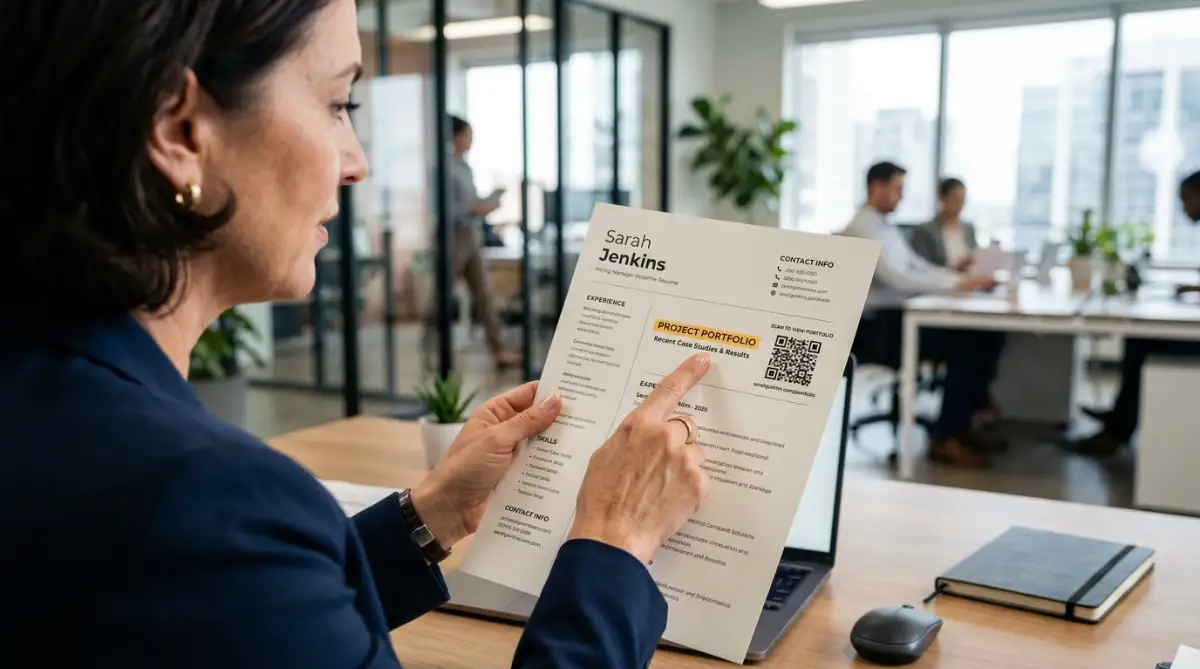
I started attaching links to my biggest research papers right inside my job applications. Suddenly, interviews became focused on my ideas and research rather than the format of my university.
Mastering the Art of the Digital Network
Many people believe that because they did not walk around a physical campus, they cannot build a professional network. This is completely false in today’s modern business environment.
You actually have access to a much wider, global network of professionals. Your classmates are often working adults in the exact industries you want to enter.
Connect with every single person in your group projects on LinkedIn. Send a quick message thanking them for their hard work and keep in touch.
Pro Tip: The 'Copy-Paste' Networking Script
Not sure what to say to your virtual classmates? Steal this exact message:
"Hey [Name], great working with you on the marketing project last week! Your presentation was spot on. I'd love to stay connected on here and follow your career journey."
It takes ten seconds to send, and it builds a professional network that pays off for years.
You should also engage heavily with your professors. These instructors often work in the corporate world during the day and teach at night.
A strong recommendation from an adjunct professor who works at a major company is worth its weight in gold. Learn more about the latest trends in digital networking from the Society for Human Resource Management, to see how professionals actually connect today.
Continually Stacking Your Credentials
Your education does not stop just because you received your diploma. The most successful remote learners are the ones who keep adding specific, modern skills to their toolbelt.
If you graduated with a degree in business, consider taking a short course in data analytics or digital marketing. These micro-credentials prove that you are an active, lifelong learner.
Companies love employees who take the initiative to train themselves. It shows that you will adapt easily when they introduce new software or procedures at the office.
Keep a dedicated section on your resume for "Ongoing Technical Training" to show you are always moving forward.
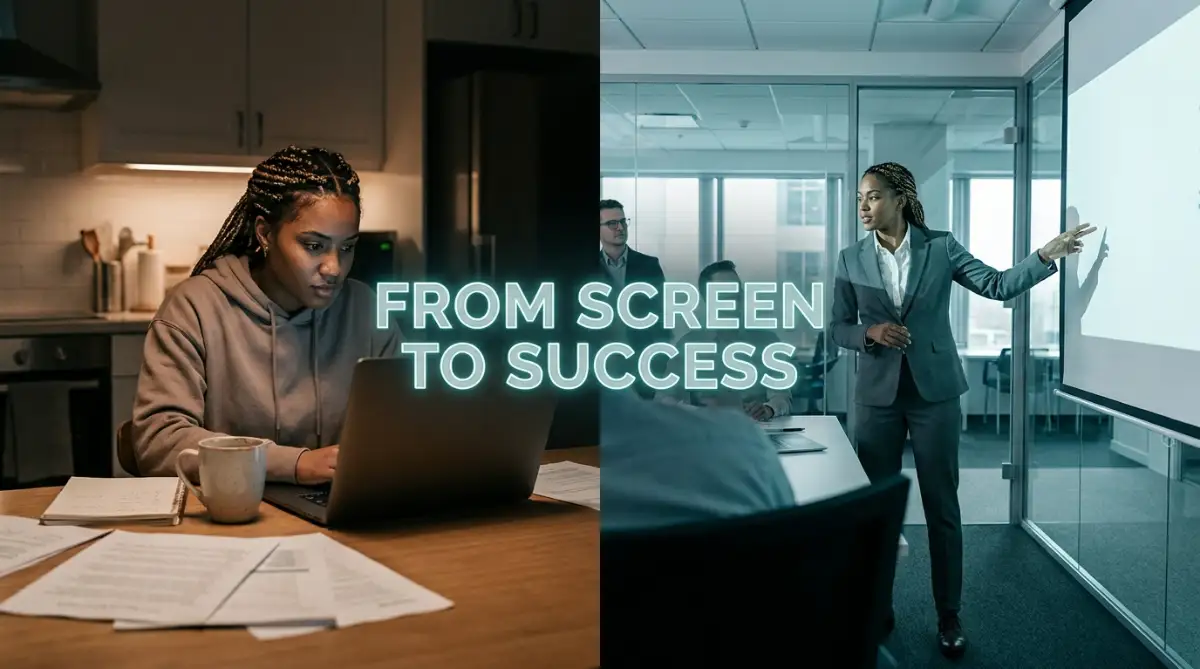
The Biggest Roadblocks You Must Avoid
While promoting your background is a great strategy, there are a few massive mistakes that can easily hurt your chances. The biggest error is becoming overly defensive when asked about your education.
If a recruiter simply asks, "Can you tell me about your time at this university?" do not immediately assume they are judging you. Sometimes, they are just making conversation.
If you tense up, cross your arms, and start aggressively defending your school's accreditation, you create an awkward situation out of thin air. You make it seem like there is a problem when there actually is not one.
Always keep your tone light, proud, and enthusiastic. Treat your education as a completely normal part of your professional journey.
Hiding Your Degree Out of Shame
Another terrible mistake is hiding your education section at the very bottom of your resume or leaving the university name vague. When you try to hide information, recruiters become suspicious.
They might assume you did not actually graduate or that you are lying about your credentials. Honesty and transparency are always the best policies.
List your degree proudly, right where it belongs. If you hide it, you are throwing away a massive opportunity to showcase your educational dedication.
I once helped a friend rewrite his resume because he kept burying his bachelor's degree on the second page. Once we moved it to the top and highlighted his specific technical coursework, he started getting callback interviews within two weeks.
Ignoring the Power of Soft Skills
When you learn through a digital screen, you naturally develop incredible soft skills like written communication and self-accountability. However, many graduates completely forget to mention these traits.
They only list hard skills like typing speed or software knowledge. In reality, soft skills are often what seal the deal in a final interview.
If you cannot clearly explain complex ideas in an email, you will struggle in any modern office. You need to loudly advertise that your distance learning taught you how to communicate flawlessly across digital channels.
Check out the U.S. Department of Labor's guide on essential workplace skills to see exactly how highly employers value communication and problem-solving. Make sure these keywords are plastered all over your cover letter.
Owning Your Unique Path to Success
You have spent so much time worrying about how others perceive your educational choices. Now it is time to realize that you are holding a highly valuable asset.
The corporate world is shifting rapidly towards remote work, digital collaboration, and self-managed projects. You are already an expert in all of these areas because of how you chose to study.
You do not have to apologize for taking a non-traditional route. You just have to learn how to present that route as a massive advantage to your future boss.
Every late night you spent studying, every weekend you sacrificed, and every complicated digital project you completed has prepared you perfectly for a high-level career. You have the grit that traditional students often lack.
Your Immediate Action Plan
Start by opening your resume right now. Take a hard look at your education section and remove any defensive language.
Make sure your graduation date and specific degree title are clear and bold. Next, update your LinkedIn profile to include any major projects or presentations you completed during your studies.
Finally, practice answering questions about your education out loud. Say things like, "My program taught me incredible self-discipline and digital project management."
Keep practicing until those words feel completely natural and confident rolling off your tongue.
I spent years feeling insecure about my internet-based degree until I finally realized it was the exact reason I was so good at my job. Once you start speaking proudly about your hard work, employers will immediately respect your dedication and drive.
Common Questions About Distance Learning in the Job Market
Do employers really check if my degree was earned online?
Most employers only verify that you actually graduated and that the institution is fully accredited. They rarely ask for the specific format of your classes because the final diploma looks exactly the same regardless of how you earned it.
Should I put "Online" next to my degree on my resume?
No, you do not need to specify the format of your classes on your resume. Just list the name of the university, the title of your degree, and the year you graduated, exactly as traditional students do.
Are online degrees respected in traditional corporate fields like finance or healthcare?
Yes, as long as the university holds the proper regional accreditation and you hold the necessary industry licenses. Modern corporate fields care much more about your practical skills, certifications, and ability to pass technical interviews than they do about your classroom location.
What if an interviewer makes a negative comment about my non-traditional schooling?
Keep your composure and smoothly pivot the conversation to your strengths. You can smile and say, "I actually chose this route because it allowed me to develop intense self-management skills while maintaining my full-time work schedule."
Do digital degrees hurt my chances of getting into graduate school?
Not at all, provided your bachelor's degree is from a regionally accredited institution. Many top-tier universities eagerly accept remote graduates because they already know these students possess the self-motivation required for rigorous master's programs.
Disclaimer: The information provided in this article is for educational and informational purposes only. Career markets and hiring practices vary widely by industry and location. Always verify a school's accreditation status and consult with professional career advisors or industry-specific recruiters before making major educational or career decisions.