
The Heartbreak of Unexpected Property Fees
You finally saved up 20% for your dream home, and you think the hard part is over. Then, a few days before closing, your lender hands you a piece of paper that makes your stomach drop: a bill for $8,000 in extra "surprise" fees. If you have never bought a house before, nobody warns you about the hidden cash grab that happens at the finish line. Lenders, local governments, and insurance companies all want a piece of your savings. Let's fix that right now and show you exactly how to protect your money.
This happens to thousands of hard-working people every single day. You spend years saving every spare penny to finally buy a place of your own. You skip vacations, eat meals at home, and carefully build up a healthy down payment. Then, right at the finish line, a mountain of secret expenses suddenly appears out of nowhere.
These surprise fees completely drain your bank account. Instead of buying a new refrigerator or painting your bedroom, you end up handing that money over to lenders, government offices, and insurance companies.

Quick Survival Guide: Before You Sign Anything
- The 5% Rule: Plan to spend an extra 2% to 5% of your home's total price strictly on background closing fees.
- Protect Yourself: The bank's required title insurance does not protect you. Always buy the Owner's Policy.
- The Credit Trap: Never buy furniture on credit before closing—it can instantly kill your mortgage approval.
- Shop Around: You have the legal right to hire your own title company and inspectors; you do not have to use the bank's expensive recommendations.
Breaking Down the Secret Expenses of Buying a House
To protect your savings, you must understand exactly where your money goes during a real estate transaction. Buyers often focus entirely on the down payment, completely ignoring the complex web of background charges.
Let us look at exactly what happens behind the scenes of your mortgage approval. We will break down these surprise expenses so you can plan your budget with total confidence.
The Heavy Price of Simply Getting a Loan
Most people assume the bank makes enough money from charging interest over thirty years. However, setting up the mortgage itself comes with a hefty price tag.
Lenders charge origination fees just to process your application. This fee basically covers the administrative work of checking your credit, reviewing your tax returns, and finalizing the loan terms.
You can think of this like a cover charge at a restaurant. You are paying a fee simply for the privilege of walking through the door and doing business with them.
Usually, this fee runs between 0.5% and 1% of your total loan amount. If you borrow three hundred thousand dollars, you might suddenly owe three thousand dollars just for the paperwork.
Many buyers are completely blinded by this number. They assume all banking costs are rolled into the monthly payments, but lenders demand this cash upfront on the day you sign the papers.
Shielding Your Ownership: The Title Insurance Trap
Another massive shock comes from the title company. When you buy a property, you want absolute proof that the seller actually owns it and has the legal right to sell it to you.
Title companies dig through public records to ensure no long-lost relatives or unpaid contractors can claim ownership of your new backyard. This search process is highly detailed and comes with a direct cost.
However, the real expense is title insurance. There are actually two separate policies you need to worry about during this process.
The lender will absolutely force you to buy a Lender's Title Policy. This protects the bank's investment just in case a legal dispute over the property arises later down the road.
Here is a quick reality check on title policies:
- Lender’s Policy: Protects the bank (Mandatory).
- Owner’s Policy: Protects you (Optional but highly recommended).
- The Shocking Truth: You usually have to pay for both out of your own pocket.
Real Estate Myth vs. Fact: Title Insurance
- The Myth: The mandatory title insurance you buy for the bank will also protect your down payment if a legal dispute happens.
- The Fact: Nope. The lender's policy only covers their loan amount. If a long-lost heir legally claims your property a year later, you lose your house and all your equity unless you bought the optional Owner’s Policy. Yes, paying double feels like a total scam, but skipping the owner's policy is a massive gamble.
Depending on your location, paying for both policies can easily strip another two to three thousand dollars from your wallet. It feels completely unfair to pay for the bank's protection, but it is a standard rule across the industry.
Watch This Breakdown to Protect Your Savings
If you want to keep more money in your pocket, you need to understand exactly how title fees are calculated in your local area. Watch this quick breakdown to see how these hidden insurance policies actually work before you sign anything.
The Mystery of Escrow Accounts and Prepaids
This is the exact category that almost ruined my own home purchase. When you get a mortgage, the bank wants to guarantee that you will pay your property taxes and home insurance on time.
If your house burns down without insurance, the bank loses their collateral. If you fail to pay property taxes, the government can seize the home.
To prevent this, lenders set up an escrow account. This is essentially a forced savings account managed by the bank to pay these massive bills on your behalf.
At closing, the lender will force you to "pad" this account. They usually demand up to six months of property taxes and a full year of homeowners insurance paid upfront.
Imagine finding a great insurance policy for twelve hundred dollars a year. The bank will ask for that entire twelve hundred dollars on closing day, plus a few extra months just in case rates go up.
If you buy a house in an area with high property taxes, this prepaid requirement can easily add five thousand dollars to your final bill.
I actually made a massive miscalculation with my own escrow buffer. I assumed the seller’s current low tax rate would apply to me, but the county reassessed the property value right before closing. My required escrow deposit jumped by two thousand dollars overnight, forcing me to borrow money from my parents just to close the deal.
Proving the Value: Appraisals and Surveys
Banks are highly cautious institutions. They will never lend you more money than the actual physical house is worth.
If you offer four hundred thousand dollars for a house, the bank wants hard proof that the property could easily sell for that exact amount tomorrow. To get this proof, they hire a professional appraiser.
You, the buyer, have to pay this appraisal fee. It generally costs between four hundred and six hundred dollars.
Sometimes, if the property is large or unique, the appraiser might charge even more. You often have to pay this fee a few weeks before you even reach the closing table.
If you buy a house with a fenced yard or a large piece of land, you might also need a property survey. This ensures the fences are actually on your land and not sitting on your neighbor's property.
Surveys can cost another five hundred dollars. It feels like you are constantly pulling out your credit card to pay different professionals just to move the deal forward.
The Government's Cut: Transfer Taxes and Recording Fees
Just when you think you have paid everyone involved, the local government steps into the room. Whenever property changes hands, the county or city wants their share of the transaction.
These are known as transfer taxes. Some areas charge a flat fee, while others charge a percentage of the total purchase price.
In some specific locations, transfer taxes can be incredibly high. It is literally a tax simply for buying real estate in that specific neighborhood.
After you sign the massive pile of documents, those papers must become public record. The local courthouse charges a recording fee to file your new deed into their system.
While recording fees are usually smaller, around one hundred dollars, the transfer taxes can easily reach into the thousands.
A Clear Look at Expected vs Actual Costs
To put this into a realistic perspective, let us look at how buyers usually plan their money compared to what actually happens. People always severely underestimate the background charges.
This simple chart highlights why so many buyers panic during the final week of their contract. The down payment is just the tip of the iceberg.

How Home Inspections Quietly Drain Your Budget
While a home inspection is technically paid before closing day, it is absolutely a hidden cost of buying a house. You cannot safely purchase real estate without knowing the condition of the pipes, roof, and foundation.
A standard home inspector will charge around four hundred to five hundred dollars. They walk through the house for a few hours and hand you a massive report.
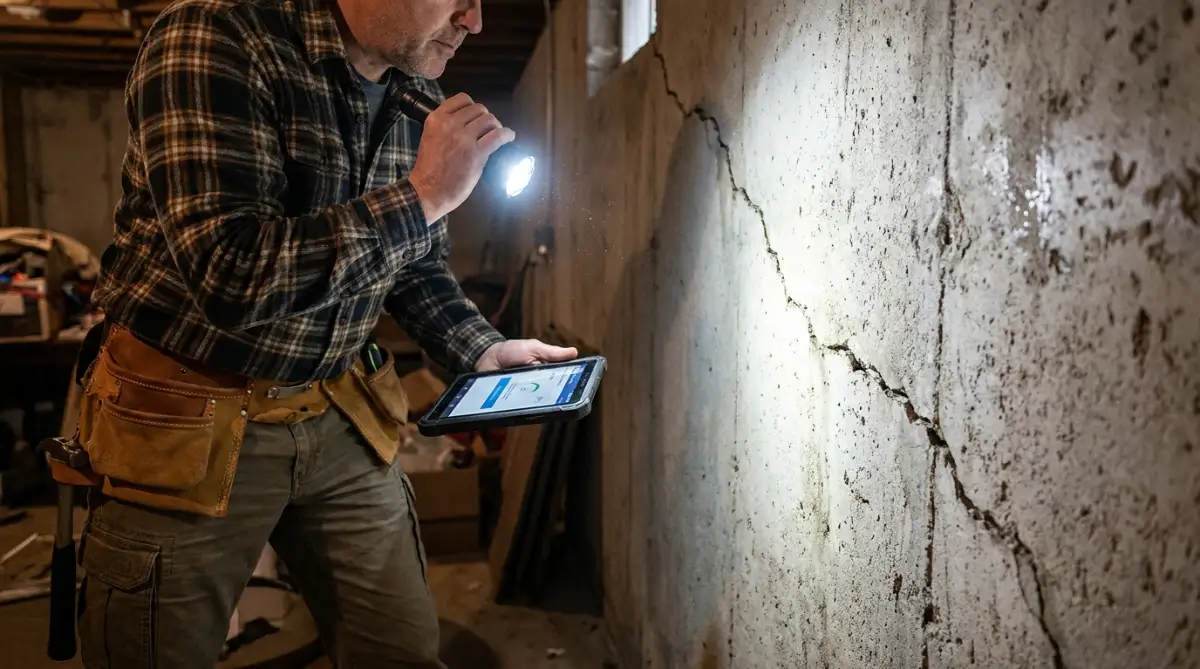
However, the spending rarely stops there. If the main inspector sees a tiny crack in the basement wall, they will recommend you hire a specialized structural engineer.
If they see a weird spot on the ceiling, they might suggest a mold specialist. Suddenly, your single four-hundred-dollar inspection turns into three separate inspections costing over a thousand dollars.
You must pay these experts out of pocket, completely separate from your closing funds. If the inspections reveal massive problems and you walk away from the house, that money is gone forever.
The Sneaky Cost of HOA Setup Fees
If you are buying a home in a modern neighborhood, you will likely deal with a Homeowners Association. People usually know about the monthly HOA dues, but they completely forget about the initial setup charges.
Many associations charge a capital contribution fee to new buyers. This money goes into the neighborhood's reserve fund to pay for future roof repairs on the clubhouse or new neighborhood signs.
This fee can be anywhere from a few hundred dollars to two full months of regular HOA dues.
On top of that, the management company will charge a transfer fee. This is just an administrative charge to update their computer system with your name and contact information.
These small two-hundred and three-hundred-dollar fees stack up rapidly. They quietly inflate your final settlement sheet right under your nose.
Escaping the Private Mortgage Insurance Trap
If you cannot afford a full twenty percent down payment, you will face another financial hurdle. Lenders will force you to pay for Private Mortgage Insurance, commonly known as PMI.
This insurance does absolutely nothing to protect you. It strictly protects the lender if you suddenly lose your job and stop making your house payments.
In many cases, lenders require the first full year of PMI to be paid upfront at closing. This can easily add another one thousand dollars to your total bill.
It is incredibly frustrating to pay for an insurance policy that only benefits a massive banking institution. Yet, it is the only way regular people can buy homes without waiting decades to save a massive down payment.
The Silent Threat of Rate Lock Extension Fees
Buying a house is a highly complicated dance with strict deadlines. When you apply for your loan, the bank locks in your interest rate for a specific time, usually thirty to forty-five days.
If everything goes smoothly, you close on time and keep that great rate. But real estate is rarely smooth.
Sometimes the seller needs more time to move out. Sometimes the appraiser is backed up and cannot visit the house for three weeks.
If your closing gets delayed past your locked deadline, the bank will charge you a rate lock extension fee. This fee protects you from suddenly getting a higher interest rate, but it costs serious money.
Banks charge this fee by the day or by the week. A simple two-week delay caused by a slow contractor can unexpectedly cost you five hundred dollars right before closing.
Discount Points: Buying a Lower Rate
Sometimes, your loan officer will present you with an option to lower your monthly payments. They will offer to sell you "discount points."
One discount point usually costs exactly one percent of your total loan amount. By paying this massive fee upfront, the bank will slightly lower your interest rate for the entire life of the loan.
While this can save you serious money over thirty years, it requires thousands of dollars in cash right now. Many buyers see the lower monthly payment on the estimate and get excited, completely missing the massive upfront fee hiding on page two of the document.
You must always ask your lender if the quoted interest rate includes any hidden discount points. Do not let them artificially lower your monthly payment by draining your cash reserves without your permission.
The Simple Formula to Estimate Your Total Burden
So, how much should you actually keep in your savings account to survive these hidden fees? Real estate professionals have a general rule of thumb that rarely fails.
You should expect to pay between two percent and five percent of the total purchase price strictly in closing costs.
If you are buying a house for three hundred thousand dollars, you need to save an extra six thousand to fifteen thousand dollars on top of your down payment.
Why is the range so wide? It heavily depends on your local property taxes and how much your specific state charges for transfer fees.
Buyers in low-tax areas will lean closer to the two percent mark. Buyers moving to high-tax states or expensive cities will absolutely hit that five percent ceiling.
By calculating this math on day one of your house hunt, you protect yourself from last-minute heart attacks. You will walk into the attorney's office feeling prepared, calm, and ready to claim your new keys without draining your emergency fund.
Insider Strategies to Shrink Your Settlement Bill
Once you finally understand the heavy reality of these surprise charges, you do not have to just sit back and accept them. You actually have a massive amount of power to fight back and protect your savings account.
Most first-time buyers treat their bank like a supreme authority figure. They simply nod, sign the papers, and hand over their hard-earned cash without asking a single question.
I want you to flip that mindset completely upside down. You are the customer here, and these financial institutions are heavily competing for your business.
Let us walk through some incredibly powerful strategies to negotiate these expenses down. If you apply these insider secrets, you can easily keep thousands of dollars in your own pocket.
Mastering the Art of Seller Concessions
This is heavily dependent on the current housing market, but it is always worth a conversation with your real estate agent. You can actually ask the person selling the house to pay a large portion of your settlement charges.
We call this asking for seller concessions or seller credits. Instead of trying to drop the overall purchase price, you ask the seller to give you a cash credit at the closing table.
Imagine you are buying a house for three hundred thousand dollars, and the seller agrees to a two percent concession. That is six thousand dollars covering your upfront fees, allowing you to keep your personal savings intact.
Sellers often agree to this because they still get to sell their house for their target price. They simply take a tiny bit less profit at the very end of the deal.
To make this work smoothly, always work with a skilled real estate negotiator who knows how to present this offer without offending the homeowner.
The Magic of Lender Credits
If the seller refuses to help you out, you can actually turn to your bank for a highly effective solution. You can ask your loan officer about receiving lender credits to cover your upfront cash requirements.
Here is exactly how this clever strategy works in the real world. The bank will agree to pay your upfront processing, appraisal, and title fees entirely out of their own pocket.
In exchange for this free cash, you agree to take a slightly higher interest rate on your mortgage for the life of the loan. It is basically the exact opposite of buying discount points.
Think of it like getting a "free" smartphone when you sign a new mobile contract. You pay zero dollars at the store today, but your monthly bill is a little bit higher to cover the cost of the device over time.
If you are extremely short on cash right now, taking a slightly higher monthly payment can literally save your entire housing deal from falling apart.
Shopping Around for Third-Party Services
When you apply for a mortgage, the bank will hand you a standard document called a Loan Estimate. On page two of this document, you will see a specific list of services under a section labeled "Services You Can Shop For."
This is your golden ticket to massive savings. The bank will usually list their preferred title company, pest inspector, and survey provider.
You are under zero obligation to use their recommended friends. You have the legal right to call independent businesses in your city and ask for their current price sheets.
According to guidelines from the Consumer Financial Protection Bureau (CFPB), comparing just three different estimates can save you hundreds of dollars on third-party settlement fees.
Take a free afternoon to call three different local title companies. You will be absolutely shocked to find out that one company might charge five hundred dollars less for the exact same insurance policy.
Slashing the Bank’s "Junk" Fees
Banks love to hide their profit margins inside highly confusing administrative charges. If you look closely at your estimate, you might see things labeled as application fees, courier fees, document prep fees, or underwriting fees.
Real estate professionals casually refer to these as junk fees. They are completely arbitrary numbers the bank makes up to boost their final revenue.
You should absolutely pick up the phone and question every single one of these line items. Ask your loan officer to clearly explain what a "processing fee" actually covers.
If their answer sounds vague or unfair, simply ask them to remove it. Tell them you are actively talking to another lender who does not charge a document preparation fee.
The 10-Second Negotiation Script
Try using this exact copy-paste script when you call your loan officer:
"Hi [Name], I noticed a $450 document preparation fee on my Loan Estimate. I have another quote from a different lender that waives all doc and courier fees. Can you remove this junk fee so we can lock this in today?"
It works almost every single time, saving you hundreds of dollars just for asking a simple question.
Most loan officers will instantly drop these small charges just to keep your business. Mastering this simple personal budget management strategy is the key to keeping your money safe.
The Heartbreaking Pitfalls That Drain Your Savings
Even with a solid plan, the stress of buying real estate causes smart people to make terrible financial choices. I have seen incredibly prepared buyers lose their entire dream home on the exact morning they were supposed to get the keys.
You are handling hundreds of thousands of dollars, and a single wrong move can completely derail the entire transaction. You must protect your financial profile with extreme caution during the final thirty days of your contract.
Let us break down the absolute worst mistakes buyers make when facing massive settlement charges. Avoiding these traps will save you from endless tears and absolute heartbreak.
The Disastrous "New Furniture" Trap
This is easily the most common and devastating mistake first-time buyers make. After getting their initial loan approval, they get incredibly excited about decorating their new empty rooms.
They head down to a massive furniture store, pick out a beautiful sectional sofa, and finance it on a brand-new store credit card. They assume the house deal is basically finished, so buying couches is completely safe.
This is a catastrophic error. Mortgage lenders will always do a final, silent credit check exactly twenty-four hours before your scheduled closing time.
When the underwriter sees a brand new auto loan or a massive new credit card balance, your debt-to-income ratio instantly changes. The bank will immediately freeze your file, stop the wire transfer, and deny your home loan on the spot.
Never open new lines of credit, and always protect your healthy credit score until the keys are physically sitting in your hands. You can easily read more about how lenders evaluate risk through educational portals like myFICO's credit basics.
Emptying Your Emergency Fund for the Closing Table
When buyers see a massive cash-to-close number, they often panic. They start pulling money from every single account they own just to satisfy the bank's demands.
They drain their savings, cash out small investments, and empty their emergency fund entirely. They walk into their new house on day one with exactly zero dollars left to their name.
This is an incredibly dangerous way to start your journey as a homeowner. Houses are unpredictable, and things will inevitably break during your first month.
I once had a friend who spent his last remaining dollar on settlement charges. Two weeks later, his basement flooded during a heavy storm, and he had absolutely no money left to hire a plumber or replace the ruined drywall.
You must always build and maintain an emergency savings fund that remains completely untouched during the buying process. If covering the bank fees leaves you entirely broke, you are simply buying a house that you cannot safely afford.
Blindly Ignoring Wire Fraud Warnings
When the big day finally arrives, your title company will send you an email with instructions on where to wire your massive final payment. This single email is the target of highly sophisticated international scammers.
Criminals actively hack into real estate emails and monitor the conversations. Right before you close, they will send you a fake email that looks exactly like it came from your trusted attorney.
This fake email will contain slightly altered bank account numbers. If you blindly send your fifty thousand dollars to those fake numbers, that money is gone forever, and you will lose the house instantly.
Never wire massive amounts of cash based solely on an email. You must always call your title company using a verified phone number you found yourself, and double-check every single digit over the phone.
The Federal Bureau of Investigation (FBI) issues constant warnings about this specific real estate wire fraud. Taking five extra minutes to make a simple phone call will save your entire life savings from disappearing into thin air.
Skipping the Final Walkthrough
Because buyers are so stressed about their shrinking bank accounts, they often rush through the final steps of the process. They completely skip the final walkthrough of the property on the morning of their closing appointment.
They assume the house looks exactly the same as it did during the inspection five weeks ago. This assumption can cost you thousands of unexpected dollars.
Sellers often damage walls while moving their heavy furniture out. Sometimes, they secretly swap out the expensive stainless steel refrigerator for a cheap, broken model hoping you will not notice.
If you sign the final papers without checking the empty house, you legally accept the property in its current broken condition. You will have to pay for those massive repairs out of your own pocket.
Always demand a final walkthrough, test every single light switch, and make sure the home is exactly what you agreed to purchase.
Your Master Plan for a Stress-Free Property Purchase
Buying a home is easily one of the most stressful financial events you will ever experience. The sheer volume of paperwork and the endless requests for more money can easily break your spirit.
However, you now have the exact knowledge you need to survive this complicated process. You understand the difference between bank fees, government taxes, and prepaid insurance accounts.
By actively planning your budget early, researching new home expenses thoroughly, and asking bold questions, you take absolute control of your transaction. You no longer have to fear the sudden shock of a revised settlement sheet.
You can confidently walk into that attorney's office, review the numbers, and sign your name with massive pride. The keys to your new front door are waiting, and you are fully prepared to claim them without sacrificing your financial security.
Common Questions About Property Settlement Charges
Can I roll my unexpected settlement fees into my total mortgage loan?
In most standard loan programs, you cannot simply add these extra charges into your primary mortgage amount. You are generally required to pay these expenses in cash on the exact day you sign the papers. However, certain specific government loans or special lender credit programs might allow for creative financing options.
Do sellers ever agree to pay the buyer's hidden closing costs?
Yes, this happens quite frequently in a balanced or slower housing market. You can ask your agent to negotiate "seller concessions," where the current homeowner gives you a cash credit to cover your upfront bank fees. It is a highly effective way to keep your personal savings account intact.
What is usually the most expensive surprise fee on closing day?
For most normal buyers, padding the escrow account is by far the biggest shock to the wallet. Lenders often demand a full year of home insurance and several months of property taxes paid upfront in a lump sum. In areas with high local taxes, this single requirement can easily cost thousands of dollars.
Can I negotiate the processing and administrative charges with my bank?
You should absolutely try to negotiate any fee labeled as "administrative," "processing," or "application." These are essentially internal markups, and loan officers will often waive them if you threaten to take your mortgage business to a competing bank.
Disclaimer: The content provided in this blog post is for informational and educational purposes only and does not constitute professional financial, legal, or real estate advice. Real estate laws, tax rates, and mortgage regulations vary heavily by location and individual circumstances. Always consult with a licensed real estate attorney, certified financial planner, or qualified mortgage professional before making any massive financial decisions or signing legal contracts.